
Contents
Introduction & Spiritual Essence
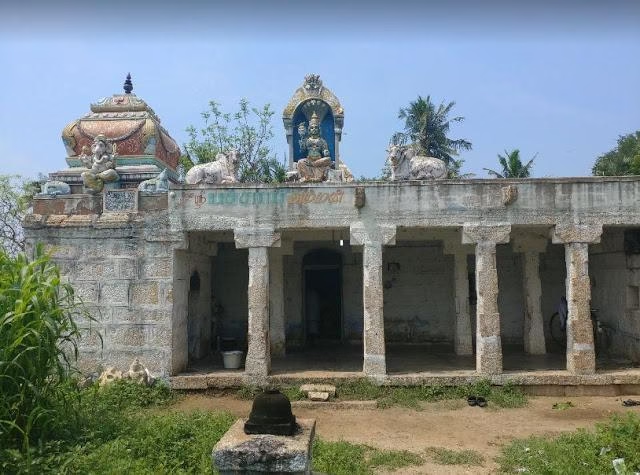
The Pachai Amman Temple in Pullambadi, Trichy, stands as a revered abode of divine grace, drawing devotees seeking blessings for health, prosperity, and spiritual liberation. Dedicated to Pachai Amman, a fierce yet benevolent manifestation of the Goddess (Devi), the temple embodies the raw spiritual energy of rural Tamil Nadu. The term “Pachai” translates to green, often associated with nature, vitality, and the nurturing aspect of the Goddess.
Phalaśruti: Why Devotees Visit
Devotees flock to this sacred shrine with specific intentions and beliefs in the divine benefits (Phalaśruti) of worship here:
- Cleansing Ancestral Karma: Rituals performed here are believed to alleviate pitru dosha (ancestral afflictions), bringing peace to departed souls.
- Health and Healing: As a guardian of well-being, Pachai Amman is venerated for curing ailments and protecting against negative energies.
- Family Harmony: Couples and families visit to pray for unity and the removal of obstacles in domestic life.
Historical Origins & Scriptural Legend
While specific epigraphic details regarding the exact dynasty or century of construction are sparse in general archives, the temple’s architecture and local oral traditions suggest origins deeply rooted in the medieval era of Tamil history, likely under the patronage of local chieftains during the Nayak period.
Sthala Purana: The Legend of the Green Goddess
According to local tradition and oral legends, the temple’s history is tied to the agricultural prosperity of the Pullambadi region. “Pachai Amman” represents the life force of the earth. Tradition holds that the deity manifested here (Swayambhu) to protect the villagers and their crops from drought and disease. The temple has undergone renovations over the centuries, preserving the sanctity of the original shrine while enhancing the facilities for pilgrims.
Architectural Marvels
The Pachai Amman Temple is a classic example of Dravidian Architecture, characterized by its soaring gateway towers (Gopurams) and intricate sculptural details.
Vastu Shastra and Layout
Aligned according to Vastu principles, the temple faces east, allowing the first rays of the sun to illuminate the sanctum. Key architectural elements include:
- The Sanctum Sanctorum (Garbhagriha): Houses the main deity, Pachai Amman, often depicted in a standing posture or as a Potu Mariamman (village deity form).
- Mandapas: Spacious pillared halls used for religious discourses and cultural performances during festivals.
- Sculptures: The pillars feature carvings of deities, floral motifs, and mythical creatures typical of Tamil temple art.
While the temple may not have a national ASI or UNESCO designation, it serves as a vital heritage site for the local community, reflecting centuries of devotion and artistic expression.
Darshan & Ritual Logistics
Understanding the schedule is essential for a fulfilling darshan (holy viewing). Below are the typical daily timings. Please note that timings may vary during festivals.
| Session | Timing | Activity |
|---|---|---|
| Morning Darshan | 06:00 AM – 12:00 PM | Opening, Abhishekam, Alankaram |
| Afternoon Break | 12:00 PM – 04:00 PM | Temple closed for deity rest |
| Evening Darshan | 04:00 PM – 08:00 PM | Deeparadhana, Night Closing |
Key Sevas and Offerings
Devotees can participate in several rituals:
- Abhishekam: Ritual bathing of the deity with water, milk, and herbs (usually performed on Tuesdays and Fridays).
- Archana: Chanting of sacred hymns dedicated to Pachai Amman.
- Special Offerings: Includes Pongal (sweet rice offering) and Padayal (food offering).
Online Seva Booking
For the convenience of devotees, the temple trust facilitates online booking for specific sevas. Visitors can access the official Tamil Nadu temple portals or the specific Trichy district deity board to book Abhishekam and Archana slots in advance.
Festivals in 2026
Key festival dates for 2026 based on the Hindu Almanac:
- Chithirai Thiruvizha (April 2026): The annual temple car festival.
- Aadi Perukku (July 2026): Celebrated during the Tamil month of Aadi, focusing on river and water deities.
- Navaratri (Oct 2026): Nine nights of worship dedicated to the Goddess.
Practical Visitor Guidance
To ensure a smooth visit to Pachai Amman Temple, Pullambadi, follow these guidelines:
- Dress Code: Traditional attire is mandatory. Men should wear dhotis or trousers with shirts; women should wear sarees, half-sarees, or churidars.
- Photography: Photography is strictly prohibited inside the sanctum sanctorum. Permitted in the outer courtyards, but restricted during specific rituals.
- Mobile Lockers: Facilities for storing electronic devices and footwear are available near the entrance for a nominal fee.
- Accessibility: The temple premises are generally flat, but assistance may be needed for elderly devotees during peak hours.
Crowd Management
- Best Hours: Early mornings (6:00 AM – 7:30 AM) or late evenings offer the quietest darshan.
- Seasonal Advice: During the summer months (April–May), the heat can be intense. It is advisable to carry water, wear light cotton clothing, and use the covered queue lines provided by the temple administration.
Pilgrimage Connectivity
The temple is situated in the fertile Kaveri delta region, well-connected by road and rail.
How to Reach
- By Air: The nearest airport is Trichy International Airport (TRZ), approximately 41 km away.
- By Rail: Pullambadi Railway Station is the closest stop (approx. 2 km). Alternatively, Trichy Junction (36 km) offers major connectivity.
- By Road: Pullambadi is located off the Trichy–Chennai Highway (NH 83 / NH 36). Buses and taxis are readily available from Trichy Central Bus Stand.
Nearby Sacred Sites
Enhance your pilgrimage by visiting these nearby temples:
- Uthamar Koil (Puliyur): Located 7 km away, dedicated to Vishnu, Shiva, and Brahma.
- Samayapuram Mariamman Temple: One of the most famous Amman temples in Tamil Nadu, located about 20 km from Pullambadi.
- Kudalasangamam: A historic temple complex 10 km away, known for its association with the poet Kalidasa.
Photo Gallery


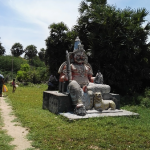
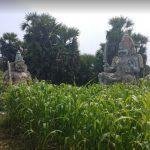

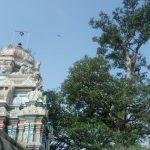
Frequently Asked Questions (FAQ)
Is there a VIP darshan entry at Pachai Amman Temple?
Yes, the temple offers a special entry darshan for elderly citizens, differently-abled devotees, and those requiring urgent access. A nominal fee may apply for special darshan tickets.
What is the best time of year to visit Pullambadi?
The ideal time is between October and February when the weather in Trichy district is pleasant. However, the Aadi month (July–August) is spiritually significant for Amman devotees.
Are there accommodation facilities near the temple?
While Pullambadi has limited lodges, the larger town of Trichy (30–40 minutes away) offers numerous hotels and choultrys catering to pilgrims.
Can non-Hindus visit the temple?
While the temple is a traditional Hindu shrine, access policies may vary. It is advisable to contact the temple administration for the latest guidelines.
How far is the temple from Trichy Central Bus Stand?
Approximately 36 km. The journey by car or bus typically takes about 45 to 60 minutes depending on traffic conditions.
Contact Details
Note: Specific contact numbers are not listed in public archives. It is recommended to inquire at the local Pullambadi village office or the Trichy Religious & Charitable Endowments Department.
Recent Posts

ओ सांवरे तूने ही मुझको संभाला – Lyrics & Meaning
ओ सांवरे तूने ही मुझको संभाला – A Prayer to Shyam Origin & Spiritual Essence Why This Bhajan Resonates Devotees chant this when overwhelmed by life’s storms—the refrain ‘तूने ही मुझको संभाला’ is the soul’s sigh of relief: “You…

कथा ये है महाराज मेरे की – Lyrics & Meaning
कथा ये है महाराज मेरे की छत्रपति संभाजी महाराज – A Prayer to Chhatrapati Sambhaji Maharaj Origin & Spiritual Essence Why This Bhajan Resonates Devotees chant this when their spirit feels tested—its powerful refrain “महाराज मेरे” is a soul’s…

Rigveda Samhita Yathartha Anuvada (ऋग्वेद संहिता यथार्थ अनुवाद) – Complete Set with Anvayartha & Hindi/English Translation
The Rigveda is the oldest surviving scripture of humanity and the foundational text of Sanātana Dharma. For serious students, scholars, UPSC aspirants studying ancient Indian history, Sanskrit learners, and spiritual seekers, a precise and grammatically structured translation is indispensable.…

आना भी अकेला है जाना भी अकेला है – Lyrics & Meaning | BharatTemples
आना भी अकेला है जाना भी अकेला है – A Prayer to the Divine Witness Origin & Spiritual Essence Why This Bhajan Resonates Devotees turn to this bhajan in moments of deep reflection—when life’s attachments begin to ache. The…

माता शेरावाली के द्वार जो भी जाता है – Lyrics & Meaning
माता शेरावाली के द्वार जो भी जाता है – A Prayer to Maa Sherawali Origin & Spiritual Essence Why This Bhajan Resonates Devotees turn to this bhajan in times of fear or uncertainty—its promise that no one leaves Maa’s…

मार लेना सपणी उबार लेणा भवरा – Lyrics & Meaning
मार लेना सपणी उबार लेणा भवरा – A Prayer to the Divine Beloved Origin & Spiritual Essence Why This Bhajan Resonates Devotees chant this in moments of deep vulnerability—its cry of “मार लेना सपणी, उबार लेणा भवरा” is the…

हमें श्याम सुंदर भरोसा तुम्हारा – Lyrics & Meaning
हमें श्याम सुंदर भरोसा तुम्हारा – A Prayer to Shyam Sundar Origin & Spiritual Essence Why This Bhajan Resonates Devotees chant this when feeling alone—its refrain ‘de do sahara’ is the soul’s cry for divine support. Lyrics in Hindi…

Mere Satguru Ne Di Thi Davai Lyrics in Hindi & Meaning
Mere Satguru Ne Di Thi Davai: Invoking the Guru’s Liberating Wisdom This soul-stirring bhajan venerates the Satguru (True Spiritual Master) as the divine physician who dispenses the only remedy for life’s deepest sufferings. Composed by Sant Karmaveer Tufani, it…

Janm Diyo Thari Maa Dukh Dekhiyo Lyrics in Hindi & Meaning
जन्म दियो थारी माँ दुख देखियो (Maa’s Grief Upon Birthing You) This soul-stirring Chetavani Bhajan (admonitory hymn) is addressed to the Divine Mother (Maa) – a call for repentance when children forget their filial duties in the dark age…
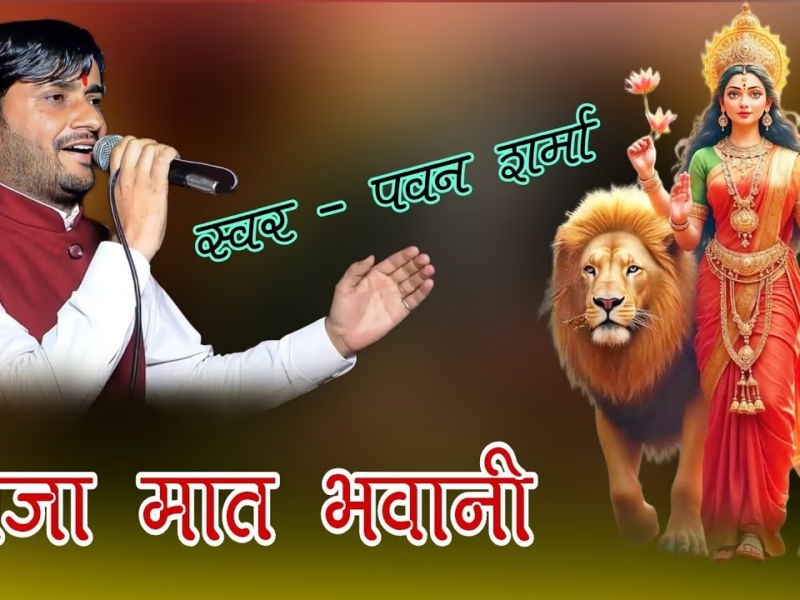
Bhadi Sabha Mein Thane Manaun Lyrics in Hindi & Meaning
Bhadi Sabha Mein Thane Manaun: Invoking the Spear-Wielding Mother Mata Bhawani (श्री ज्वाला भवानी), the fiery manifestation of Shakti worshipped as the Protector of Dharma in Her Dhaulagarh sanctum. Origin & Spiritual Essence Composed in Rajasthani folk tradition by…