
Contents
- 1 Padmakshi Temple Warangal: The Definitive Pilgrimage Guide
Padmakshi Temple Warangal: The Definitive Pilgrimage Guide
Nestled atop the serene Padmakshi Gutta in Hanamakonda, Warangal, the Padmakshi Temple stands as a testament to spiritual resilience and architectural brilliance. Dedicated to Goddess Padmakshi (also known as Padmakshamma), this ancient shrine is not merely a destination for tourists but a living, breathing epicenter of faith for devotees across Telangana and beyond.
Spiritual Essence & Phalaśruti
The primary deity, Goddess Padmakshi, is revered as a manifestation of Shakti. Her name, derived from Padma (Lotus) and Akshi (Eye), symbolizes the divine vision that bestows prosperity and protection. The temple is unique in its syncretic history, originally serving as a Jain sanctuary before being consecrated to the Goddess.
Why do devotees visit?
According to temple lore, a visit to Padmakshi Temple washes away doshas (imperfections) and grants Moksha (liberation). Specifically, devotees believe that worshipping here aids in:
- Cleansing Ancestral Karma: Performing Shraddha or tarpanam rituals is considered highly auspicious here.
- Fulfillment of Desires: The temple is particularly potent for devotees seeking marital harmony and the removal of obstacles in education and career.
- Protection: As a fierce form of Shakti, she shields her devotees from negative energies.
Historical Origins & Scriptural Legend
The history of Padmakshi Temple is a fascinating blend of Jain heritage and Hindu tradition.
The Kakatiya Legacy
According to historical records and architectural analysis, the temple structure dates back to the 12th Century, built by the Kakatiya rulers. The Kakatiya dynasty was renowned for patronage of the arts and diverse religious practices, including Jainism. The temple was originally a Jain temple known as Kadalalaya Basadi (Jain monastery), dedicated to Padmavati, the Yakshi of Neminatha.
Sthala Purana & Transformation
Tradition holds that during the reign of the Kakatiyas, the temple underwent a significant transformation. A massive monolithic image of Tirthankara Parshvanath remains in the sanctum sanctorum to this day. To the right stands Dharanendra (the Yaksha), and to the left sits the goddess Padmavati (now worshipped as Padmakshi).
Over centuries, through the renewed patronage of the Kakatiya kings who renovated the site, the focus shifted from Jainism to the Hindu Shakta tradition. The Goddess Padmavati was re-consecrated as Goddess Padmakshi, symbolizing the harmonious coexistence of faiths in the region.
Architectural Marvels: Kakatiya Artistry
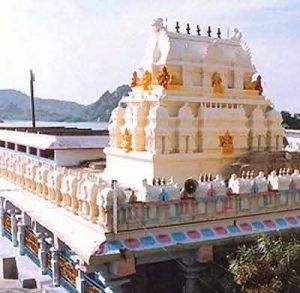
The temple is a masterpiece of the Dravida style of architecture, distinct to South India, with heavy influence from the Kakatiya school.
Structural Highlights
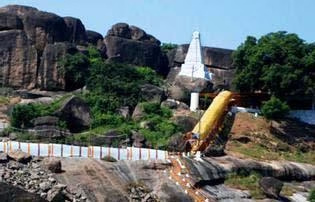
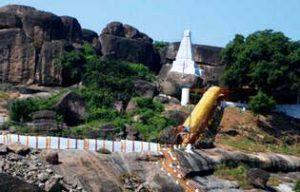
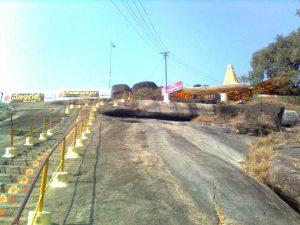
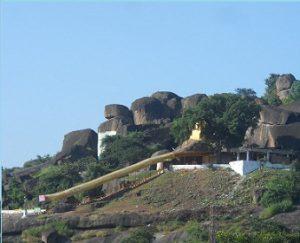
- The Rock Outcrop: The temple is uniquely built on a large rocky outcrop (Gutta), requiring devotees to climb steps to reach the sanctum. This elevation signifies the ascent towards the divine.
- Garbhagriha (Sanctum Sanctorum): Housing the ancient monolithic image of Parshvanath alongside the Goddess, the sanctum is dimly lit, preserving the mystical atmosphere of ancient cave temples.
- Monolithic Sculptures: The walls and pillars feature intricate carvings of Jain Tirthankaras and Yakshas, retaining their original basalt texture despite centuries of exposure.
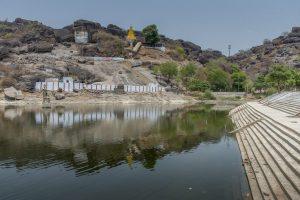
- Temple Tank: At the foothills lies a sacred tank essential for the annual Bathukamma festival.
Note on Preservation: While the temple does not currently hold UNESCO status, it is a protected monument under the Telangana Tourism and Archaeology Department.
Darshan & Ritual Logistics
Planning your visit requires attention to the ritualistic schedule, especially during festival seasons.
Daily Timings
| Session | Timings |
|---|---|
| Morning Darshan | 06:00 AM – 12:00 PM |
| Afternoon Break | 12:00 PM – 04:00 PM |
| Evening Darshan | 04:00 PM – 08:00 PM |
| Special Seva Timings | 07:30 AM – 08:30 AM (Abhishekam) |
Key Sevas & Online Booking
Devotees can participate in several rituals. While traditional temple booking is available at the Kalyana Mandapam (Ticket counter) at the foothills, the temple management is increasingly digitizing services.
- Abhishekam: Performed with milk, honey, and sandalwood paste. Requires prior notice.
- Archana: Personalized recitation of the Goddess’s names.
- Special Kalyanam: Celebrated on auspicious Fridays.
Online Booking: As of 2026, devotees can check the official Temple Website or the Telangana Tourism Portal for online slots. Look for the “Padmakshi Devasthanam” booking section.
2026 Festival Calendar
The temple is most vibrant during the Bathukamma festival (officially recognized as the state festival of Telangana).
- Bathukamma 2026: September 22, 2026 (Monday) to October 1, 2026 (Wednesday). The main immersion ritual occurs on the final day.
- Bonalu: July 19, 2026 (Saturday) to August 16, 2026 (Saturday) (Dates vary by lunar calendar).
- Navaratri: October 3, 2026 to October 12, 2026. Special Alankaram (decoration) is displayed daily.
Practical Visitor Guidance
To ensure a safe and respectful visit, please adhere to the following guidelines:
- Dress Code: Traditional attire is recommended. Men should wear dhoti/shirt or trousers with a formal top. Women should wear sarees, salwar kameez, or long skirts. Avoid shorts and sleeveless tops.
- Photography Rules: Photography is strictly prohibited inside the Garbhagriha (inner sanctum). You may take photos of the outer architecture and the panoramic view of Warangal from the hilltop.
- Mobile & Lockers: Mobile phones are allowed but should be silenced. A cloakroom is available at the base of the hill for luggage and footwear (nominal fee).
- Accessibility: The temple is situated on a hill. There are approximately 100 steps to reach the main temple. While handrails are provided, the path may not be suitable for wheelchair users without assistance.
Crowd Management & Seasonal Advice
- Best Hours to Visit: 6:00 AM – 8:00 AM (Morning) or 5:30 PM – 7:30 PM (Evening) to avoid the mid-day heat and crowds.
- Summer (April – June): Temperatures in Warangal can exceed 40°C. Carry a water bottle, umbrella, and wear light cotton clothing.
- Monsoon (July – September): The steps can become slippery. Wear rubber-soled footwear with good grip.
- Peak Season: During Bathukamma and Bonalu, expect heavy crowds. Arrive before 5:00 AM for a peaceful Darshan.
Pilgrimage Connectivity
How to Reach Padmakshi Temple
The temple is located in Hanamkonda, just 5 km from Warangal city center.
- By Air: The nearest airport is Rajiv Gandhi International Airport (HYD) in Hyderabad, approximately 150 km away. From there, take a cab or bus to Warangal.
- By Rail: The nearest major railway station is Warangal Railway Station (WL) (Kazipet Junction), approximately 12 km away. Auto-rickshaws and cabs are readily available.
- By Road: Warangal is well-connected via National Highway 163 (NH 163). Buses are frequently available from the KGBS (Kazipet Bus Stand) and Hanamkonda Bus Stand.
Nearby Sacred Sites (Pilgrimage Circuit)
Extend your spiritual journey by visiting these nearby landmarks:
- Thousand Pillar Temple (Hanamkonda): A star-shaped architectural marvel built by the Kakatiya kings, dedicated to Shiva, Vishnu, and Surya (1 km from Padmakshi).
- Warangal Fort: Located 7 km away, this fort features massive stone gates and remnants of ancient temples.
- Ramappa Temple: A UNESCO World Heritage Site located 70 km away, renowned for its intricate carvings and floating brick technique.
Frequently Asked Questions (FAQs)
1. Is there a VIP Darshan entry at Padmakshi Temple?
Yes, the temple management offers a “Special Darshan” ticket, typically priced nominally (approx. ₹50), which allows devotees to bypass the general queue during non-peak hours. VIP darshan for dignitaries is arranged through the District Collector’s office.
2. Can I perform a special ritual for my family?
Absolutely. Archana and Abhishekam can be performed for family welfare. It is advisable to contact the temple office at 09908763228 a day in advance to book a slot and confirm material requirements.
3. Is the temple open on all days?
Yes, the temple is open 365 days a year. However, the timings may be extended during festivals like Bathukamma and Bonalu. Major public holidays might see extended evening hours.
4. Are there food facilities available?
While there is no large kitchen within the temple complex, small stalls at the foothills sell snacks, tea, and local sweets. For a full meal, numerous restaurants are available in Hanamkonda (1 km distance). Annadanam (free meals) is occasionally organized during festivals.
5. What is the significance of the Jain artifacts in a Hindu temple?
This reflects the historical transition of faith in the region. Since the temple was originally a Jain Basadi, the Tirthankara statues were never destroyed but integrated into the new worship structure. It represents the secular fabric of Telangana where different faiths have coexisted harmoniously.
Photo Gallery

Contact Details
Official Address: Padmakshi Temple Road, Sri Ram Colony, Meerpet, Hanamkonda, Telangana 506001
Phone: 09908763228
Recent Posts

ओ सांवरे तूने ही मुझको संभाला – Lyrics & Meaning
ओ सांवरे तूने ही मुझको संभाला – A Prayer to Shyam Origin & Spiritual Essence Why This Bhajan Resonates Devotees chant this when overwhelmed by life’s storms—the refrain ‘तूने ही मुझको संभाला’ is the soul’s sigh of relief: “You…

कथा ये है महाराज मेरे की – Lyrics & Meaning
कथा ये है महाराज मेरे की छत्रपति संभाजी महाराज – A Prayer to Chhatrapati Sambhaji Maharaj Origin & Spiritual Essence Why This Bhajan Resonates Devotees chant this when their spirit feels tested—its powerful refrain “महाराज मेरे” is a soul’s…

Rigveda Samhita Yathartha Anuvada (ऋग्वेद संहिता यथार्थ अनुवाद) – Complete Set with Anvayartha & Hindi/English Translation
The Rigveda is the oldest surviving scripture of humanity and the foundational text of Sanātana Dharma. For serious students, scholars, UPSC aspirants studying ancient Indian history, Sanskrit learners, and spiritual seekers, a precise and grammatically structured translation is indispensable.…

आना भी अकेला है जाना भी अकेला है – Lyrics & Meaning | BharatTemples
आना भी अकेला है जाना भी अकेला है – A Prayer to the Divine Witness Origin & Spiritual Essence Why This Bhajan Resonates Devotees turn to this bhajan in moments of deep reflection—when life’s attachments begin to ache. The…

माता शेरावाली के द्वार जो भी जाता है – Lyrics & Meaning
माता शेरावाली के द्वार जो भी जाता है – A Prayer to Maa Sherawali Origin & Spiritual Essence Why This Bhajan Resonates Devotees turn to this bhajan in times of fear or uncertainty—its promise that no one leaves Maa’s…

मार लेना सपणी उबार लेणा भवरा – Lyrics & Meaning
मार लेना सपणी उबार लेणा भवरा – A Prayer to the Divine Beloved Origin & Spiritual Essence Why This Bhajan Resonates Devotees chant this in moments of deep vulnerability—its cry of “मार लेना सपणी, उबार लेणा भवरा” is the…

हमें श्याम सुंदर भरोसा तुम्हारा – Lyrics & Meaning
हमें श्याम सुंदर भरोसा तुम्हारा – A Prayer to Shyam Sundar Origin & Spiritual Essence Why This Bhajan Resonates Devotees chant this when feeling alone—its refrain ‘de do sahara’ is the soul’s cry for divine support. Lyrics in Hindi…

Mere Satguru Ne Di Thi Davai Lyrics in Hindi & Meaning
Mere Satguru Ne Di Thi Davai: Invoking the Guru’s Liberating Wisdom This soul-stirring bhajan venerates the Satguru (True Spiritual Master) as the divine physician who dispenses the only remedy for life’s deepest sufferings. Composed by Sant Karmaveer Tufani, it…

Janm Diyo Thari Maa Dukh Dekhiyo Lyrics in Hindi & Meaning
जन्म दियो थारी माँ दुख देखियो (Maa’s Grief Upon Birthing You) This soul-stirring Chetavani Bhajan (admonitory hymn) is addressed to the Divine Mother (Maa) – a call for repentance when children forget their filial duties in the dark age…
Bhadi Sabha Mein Thane Manaun Lyrics in Hindi & Meaning
Bhadi Sabha Mein Thane Manaun: Invoking the Spear-Wielding Mother Mata Bhawani (श्री ज्वाला भवानी), the fiery manifestation of Shakti worshipped as the Protector of Dharma in Her Dhaulagarh sanctum. Origin & Spiritual Essence Composed in Rajasthani folk tradition by…