
Contents
Padutirupathi, Udupi: A Definitive Pilgrimage Guide
Introduction & Spiritual Essence
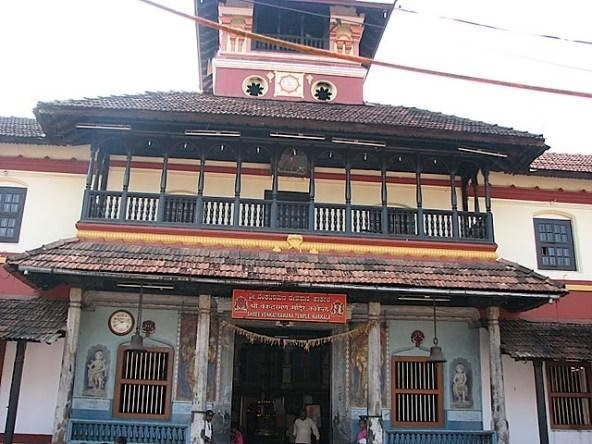
Nestled in the temple town of Karkala, Udupi district, lies the sacred Padutirupathi Sree Venkataramana Temple. Often referred to as the “West Tirupati” due to the literal meaning of its name (“Padu” meaning West in Kannada), this ancient shrine is one of the oldest and most revered temples for the Gaud Saraswat Brahmin community. Dedicated to Lord Venkataramana (an incarnation of Lord Vishnu), the temple offers a spiritual experience identical in essence to the Tirumala Tirupati Devasthanam.
Why do Devotees Visit? (Phalaśruti)
The spiritual potency of this Kshetra is deeply intertwined with the belief in Lord Srinivasa. Devotees flock here with the resilient belief that their prayers are answered. The temple is particularly renowned for:
- Cleansing Ancestral Karma: Rituals performed here are believed to bring peace to ancestors.
- Removal of Obstacles: Seeking blessings for academic pursuits and career stability.
- Social & Cultural Upliftment: The temple has historically been a patron of education and social welfare, making a visit here an act of supporting Dharma.
Historical Origins & Scriptural Legend
The history of Padutirupathi is a fascinating blend of Jain patronage and Vaishnava devotion, dating back to the mid-14th century.
The Jain Patronage
According to temple records, the Gaud Saraswat Brahmins migrated to Karnataka seeking refuge. The Jain rulers of the region, specifically the Jain Bhairarasa Odeyars, were remarkably benevolent. They not only granted land for agriculture but also donated the black stones used in the temple’s construction.
The Divine Installation
Tradition holds that the Brahmins requested land from the Jain King Immadi Bhairava to build a temple. The king granted the land on the condition that the local deities (Ganas) be appeased. The original idol of Lord Venkataramana was brought from Tirupati by Soma Sharma in the late 14th century.
The Miracle of the Well (1500 AD)
During a dacoit attack around 1500 AD, priests saved the main idols by casting them into a well in Mulki. While the community eventually retrieved the idols, the main deity remained in Mulki. According to the Sthala Purana, the Lord appeared in a dream, instructing the people of Karkala to leave the idol in Mulki but promising to reside in a new idol brought from Tirumala. A hermit arrived in 1537 AD with the new idol, under the condition that the temple’s proceeds be shared with Tirupati annually—a tradition upheld to this day. The temple underwent a major renovation in 1700 AD.
Architectural Marvels
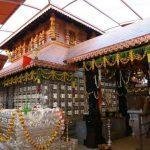
The temple stands as a testament to the serene blend of traditional Dravidian and regional Karnataka architectural styles. Though specific ASI status details are not recorded, the structural integrity speaks volumes of the 14th-century craftsmanship.
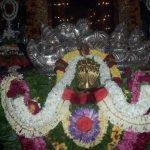
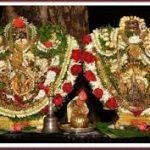
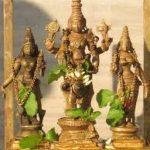
- Sanctum (Garbhagriha): The presiding deity, Lord Venkataramana, faces East. The idol is adorned with gold and precious jewels, radiating a serene aura.
- Mandapas: The temple features pillared halls used for religious discourses and cultural activities. The wooden pillars exhibit intricate carvings typical of the Gaud Saraswat architectural patronage.
- Vastu Shastra: The layout follows strict Vastu principles, ensuring energy flow from the entrance (Gopuram) to the Sanctum, aligning with the solar movements for optimal darshan.
- Sculptures: The outer walls and pillars depict scenes from Hindu mythology and retain remnants of the Jain influence in the stonework.
| Date built: | mid-14th century |
|---|---|
| Deity: | – |
| Architectural style: | – |
| Major festivals | Rathothsava, Laksha Deepothsava |
| Locale: | Karkala |
| District:: | Udupi |
| Address: | Karkala – Hiriyadka Rd, Karkala, Karnataka 574104 |
| Phone | – |
Darshan & Ritual Logistics
The rituals here are performed in accordance with the Pancharatra Agama system, similar to Tirumala. The temple serves as a cultural hub for the community, encouraging academic, social, and religious activities.
Daily Timings
Note: Timings are subject to change during festivals. Please verify with the temple office prior to visit.
| Session | Timings | Pooja/Activity |
|---|---|---|
| Morning | 06:00 AM – 12:30 PM | Suprabhatam, Morning Archana, Darshan |
| Afternoon | 12:30 PM – 05:30 PM | Recess (Temple closed for Darshan) |
| Evening | 05:30 PM – 08:30 PM | Evening Aarti (Pradosha Kaala), Darshan |
Key Sevas (Services) & Online Booking
While the temple administration is managed by local trustees, specific Sevas such as Abhishekam (sacred bathing of the deity) and Archana (reciting names) can be requested at the temple counter. For specific community-managed trusts, online booking may be available through designated community portals.
2026 Festival Dates
Plan your pilgrimage around these major celebrations:
- Rathothsava (Chariot Festival): April 15, 2026 (Specific date dependent on the Tithi).
- Laksha Deepothsava (Festival of 100,000 Lamps): Usually observed in the month of Kartika (November 2026).
- Vaikuntha Ekadashi: January 2, 2026.
Practical Visitor Guidance
To ensure a peaceful darshan at Padutirupathi, please adhere to the following guidelines.
- Dress Code: Traditional attire is mandatory. Men should wear Dhoti or Pants with a formal Shirt. Women should wear Saree, Salwar Kameez, or traditional attire. Avoid shorts and sleeveless tops.
- Photography & Mobiles: Photography is strictly prohibited inside the sanctum sanctorum. Silence must be maintained in the inner prakaram.
- Lockers: Shoe and mobile lockers are available at the entrance. A nominal fee is charged.
- Accessibility: The temple complex has steps at the entrance. However, ramps are available for senior citizens to access the main courtyard. Wheelchair assistance may be requested from the temple office.
Crowd Management
- Best Hours: Early morning (6:00 AM – 7:30 AM) or late evening (7:00 PM – 8:00 PM) are ideal for a relaxed darshan.
- Seasonal Advice: Karkala is humid in summer. Carry a water bottle and wear light cotton clothes. During the monsoon (June to September), carry an umbrella.
Pilgrimage Connectivity
How to Reach Padutirupathi
The temple is located in Karkala, a historic town in Udupi District, Karnataka.
- By Air: The nearest airport is Mangalore International Airport (IXE), located approximately 70 km away. Taxis and buses are readily available.
- By Train: The major railway station is Udipi (UDPI), about 35 km from Karkala. Alternatively, Mangalore Central or Mangalore Junction can be used.
- By Road: Karkala is well-connected via National Highway 66 (NH 66) and State Highways. Buses from Mangalore and Udupi are frequent.
Nearby Sacred Sites
Complete your pilgrimage circuit by visiting these nearby locations:
- Sri Madhananteshwar Temple (Manjeshwar): Considered the “Moolasthana” (original seat) of the Gowda Saraswat Brahmins, located about 20 km away.
- Karkala Bahubali (Gomateshwara) Statue: A massive monolithic Jain statue from 1432 AD, located just a short drive from the temple.
- St. Mary’s Island: For a touch of nature, this geological site is near Malpe beach, approximately 50 km away.

Frequently Asked Questions (FAQ)
1. Is there a VIP darshan entry available?
Yes, the temple administration offers special darshan passes for senior citizens, differently-abled devotees, and occasionally for donors. These can be obtained at the temple office upon arrival.
2. What is the significance of the “West” in the temple name?
The name “Padutirupathi” signifies the location of the deity. Unlike the Tirumala temple in Andhra Pradesh which lies to the East, this temple is situated to the West, hence the title “West Tirupati.”
3. Are there accommodation facilities available at the temple?
The temple trust has not built a dedicated guest house. However, several private lodges and guest houses are available in Karkala town, ranging from economy to mid-range options.
4. Can non-Hindus visit the temple?
As a traditional place of worship adhering to ancient rituals, entry is generally restricted to Hindus only. Please respect the local customs and traditions.
5. How does the temple support the community?
The temple has a long history of philanthropy. It supports the Vatsalya Seva Trust (an old age home), a super-specialty hospital, and the Shree Venkataramana Goshala Trust (cow protection), providing land and funds for these initiatives.
Contact Details
Address: Karkala – Hiriyadka Rd, Karkala, Karnataka 574104
Recent Posts

Shri Kaamkoteeshwar Mandir, Varanasi – History & Significance
In the heart of Kashi, the eternal city of Lord Shiva, where the Ganges flows with celestial grace, stands the Shri Kaamkoteeshwar Mandir. This sacred Sannidhi is not merely a temple but a profound spiritual bridge between the Northern…

ओ सांवरे तूने ही मुझको संभाला – Lyrics & Meaning
ओ सांवरे तूने ही मुझको संभाला – A Prayer to Shyam Origin & Spiritual Essence Why This Bhajan Resonates Devotees chant this when overwhelmed by life’s storms—the refrain ‘तूने ही मुझको संभाला’ is the soul’s sigh of relief: “You…

कथा ये है महाराज मेरे की – Lyrics & Meaning
कथा ये है महाराज मेरे की छत्रपति संभाजी महाराज – A Prayer to Chhatrapati Sambhaji Maharaj Origin & Spiritual Essence Why This Bhajan Resonates Devotees chant this when their spirit feels tested—its powerful refrain “महाराज मेरे” is a soul’s…

Rigveda Samhita Yathartha Anuvada (ऋग्वेद संहिता यथार्थ अनुवाद) – Complete Set with Anvayartha & Hindi/English Translation
The Rigveda is the oldest surviving scripture of humanity and the foundational text of Sanātana Dharma. For serious students, scholars, UPSC aspirants studying ancient Indian history, Sanskrit learners, and spiritual seekers, a precise and grammatically structured translation is indispensable.…

आना भी अकेला है जाना भी अकेला है – Lyrics & Meaning | BharatTemples
आना भी अकेला है जाना भी अकेला है – A Prayer to the Divine Witness Origin & Spiritual Essence Why This Bhajan Resonates Devotees turn to this bhajan in moments of deep reflection—when life’s attachments begin to ache. The…

माता शेरावाली के द्वार जो भी जाता है – Lyrics & Meaning
माता शेरावाली के द्वार जो भी जाता है – A Prayer to Maa Sherawali Origin & Spiritual Essence Why This Bhajan Resonates Devotees turn to this bhajan in times of fear or uncertainty—its promise that no one leaves Maa’s…

मार लेना सपणी उबार लेणा भवरा – Lyrics & Meaning
मार लेना सपणी उबार लेणा भवरा – A Prayer to the Divine Beloved Origin & Spiritual Essence Why This Bhajan Resonates Devotees chant this in moments of deep vulnerability—its cry of “मार लेना सपणी, उबार लेणा भवरा” is the…

हमें श्याम सुंदर भरोसा तुम्हारा – Lyrics & Meaning
हमें श्याम सुंदर भरोसा तुम्हारा – A Prayer to Shyam Sundar Origin & Spiritual Essence Why This Bhajan Resonates Devotees chant this when feeling alone—its refrain ‘de do sahara’ is the soul’s cry for divine support. Lyrics in Hindi…

Mere Satguru Ne Di Thi Davai Lyrics in Hindi & Meaning
Mere Satguru Ne Di Thi Davai: Invoking the Guru’s Liberating Wisdom This soul-stirring bhajan venerates the Satguru (True Spiritual Master) as the divine physician who dispenses the only remedy for life’s deepest sufferings. Composed by Sant Karmaveer Tufani, it…

Janm Diyo Thari Maa Dukh Dekhiyo Lyrics in Hindi & Meaning
जन्म दियो थारी माँ दुख देखियो (Maa’s Grief Upon Birthing You) This soul-stirring Chetavani Bhajan (admonitory hymn) is addressed to the Divine Mother (Maa) – a call for repentance when children forget their filial duties in the dark age…