

Contents
Pallikondeswarar Temple, Surutapalli, Chittoor
| Date built: | June 23, 2002. |
|---|---|
| Deity: | Shiva |
| Architectural style: | Dravidian architecture |
| Major festivals | Shivarathri Other Festival |
| Locale: | Surutapalli |
| District:: | Chittoor |
| Address: | Pallikondeswarar Temple,Surutapalli, Dasukuppam Post,Nagalapuram M.D.,Chittoor District – 517 588 Andhra Pradesh, India |
| Phone | +91 8576 278 599 / 274 971 |
1. Introduction & Spiritual Essence
Deep in the borderlands of Andhra Pradesh and Tamil Nadu lies a sanctuary of profound cosmic significance: the Pallikondeswarar Temple in Surutapalli. Unlike the traditional Nataraja or lingam forms, the primary deity here is a rare darshan of Lord Shiva in a human, reclining posture (Ananthaasana).
He is known here as Pallikondeswarar (The Lord who rests) or Valmikeswarar. The consort is Maragathambigai. The temple is revered as a Pradosha Kshetram, holding the unique distinction of being the origin point for the cosmic worship of Pradosha Kalam.
Phalaśruti: The Benefits of Pilgrimage
Devotees flock to this temple to witness the momentous silence following the Samudra Manthan (Churning of the Ocean of Milk). Worshipping here is believed to yield specific spiritual benefits:
- Resolution of Karmic Debt: As Lord Shiva absorbed the Halahala poison to save creation, worshipping him here helps dissolve negative karma and ancestral debts.
- Relief from Shani Dosha: The temple is particularly potent for alleviating the afflictions of Saturn (Shani), as the Pradosha period represents the twilight where good overcomes evil.
- Reunion and Harmony: Couples separated or facing discord are said to find reunion and peace by offering Vilwa garlands to Pallikondeswarar.
2. Historical Origins & Scriptural Legend
The Legend of Pradosham
According to temple records and the Sthala Purana, this is the site where Lord Shiva, having consumed the deadly poison to protect the universe, sought rest. The exhaustion was so profound that he lay on the lap of Goddess Parvathi. It was here, upon his awakening, that he performed the Anantha Thandavam (Eternal Dance) to dispel the poison’s effects.
Tradition holds that the practice of observing the Pradosha Vratham began at this very location. It was during the Pradosha Kalam (twilight) that the Devas and Asuras gathered to witness his grace.
Lineage and Renovation
The original temple was believed to have existed during the Ramayana period. Sage Valmiki is said to have meditated here, and Lord Rama visited this site after the war with Ravana. The current structure was largely restored by the Vijayanagara Emperor Vidhyaranyar. However, the temple had fallen into disrepair until the Kanchi Kamakoti Peetham intervened.
The revered Paramacharya, Sri Chandrashekarendra Saraswati, spent ten days meditating at this site, tracing its ancient roots. In his memory, a Dhyana Mandapam was constructed. The temple was later reconsecrated via Kumbabhishekam on June 23, 2002, performed by Sri Jayendra Saraswathi and Sri Vijayendra Saraswathi.
3. Architectural Marvels
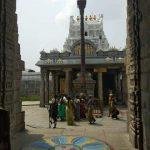
The Pallikondeswarar temple follows the classic Dravidian architectural style. It is a masterpiece of Vastu Shastra, oriented to align with the cosmic movements of the sun.
Sanctum and Vimanam
The sanctum sanctorum (Garbhagriha) houses the Panchamukha Lingam (five-faced Shiva), representing the Tatpurusha aspect (east-facing). The Shikhara (tower) above the sanctum is ornate and gold-plated, reflecting the Vijayanagara influence.
The Reclining Form
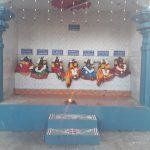
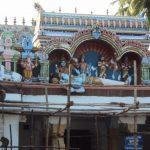
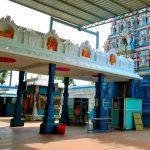
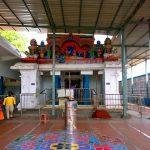
Shiva is depicted in a reclining pose, similar to Lord Vishnu, with his head resting on the lap of Goddess Parvathi. This rare iconography is the temple’s highlight. Surrounding the main shrine are various Mandapas (halls) featuring intricate sculptures of Dwarapalakas (guardian deities) and mythological scenes from the Puranas.
While the temple is not a UNESCO World Heritage site, it is part of the Pancha Brahma Sthalams, a group of five ancient Shiva temples along the Brahma Aranya river representing the five faces of Shiva.
4. Darshan & Ritual Logistics
The temple follows strict Agamic traditions. Special emphasis is placed on the Pradosha Kalam, where the entire ritual sequence is reenacted.
Daily Timings
Assuming the standard current operations for 2026, the temple is open during the following hours:
| Session | Timings |
|---|---|
| Morning Darshan | 06:00 AM – 12:30 PM |
| Afternoon Break | 12:30 PM – 04:00 PM |
| Evening Darshan | 04:00 PM – 08:00 PM |
| Pradosha Kalam (Special) | 5:30 PM – 7:30 PM (Extended) |
Key Sevas & Booking
- Abhishekam: Performed daily with milk, honey, and sandalwood paste.
- Archana: Special Vilwa Archana is highly recommended for marital harmony.
- Pradosha Pooja: The most significant ritual here.
Online Booking: Devotees can generally book sevas via the official AP Endowments Department website or upon arrival at the counter located in the Mandapam.
2026 Major Festival Dates
- Maha Shivaratri: February 26, 2026 (Expect crowds > 30,000).
- Aipasi Annabishekam: Early November 2026 (Date varies based on Tamil Calendar).
- Tiruvadhirai (Arudra Darshanam): December 24, 2026.
- Sani Pradosham: Occurs every Saturday during Pradosha Kalam; highly auspicious.
5. Practical Visitor Guidance
Code of Conduct & Dress Code
- Attire: Traditional Indian clothing is mandatory. Men should wear Veshti (dhoti) or pants with a shirt; women should wear saree or salwar kameez. Western attire (shorts/jeans) is strictly prohibited.
- Photography: Strictly prohibited inside the Sanctum Sanctorum. Photography is allowed in the outer praharams with discretion.
- Mobile Phones: Lockers are available near the entrance for electronic devices. Usage of phones inside the temple premises is discouraged to maintain the sanctity of the space.
- Accessibility: The inner sanctum requires climbing steps. Wheelchair access is limited to the outer halls; assistance from temple staff or family members is recommended.
Crowd Management
- Best Time to Visit: Weekday mornings (6:00 AM – 8:00 AM) offer the most peaceful darshan. Avoid weekends and Mondays if possible.
- Seasonal Advice:
- Summer (May-June): The granite floors heat up significantly. Carry a water bottle (use the free water dispensers) and wear cotton fabrics.
- Winter (Nov-Feb): Ideal for visitation. The weather is pleasant, and festival energy is high.
6. Pilgrimage Connectivity
How to Reach
The temple is located in Surutapalli, Chittoor District, on the Tamil Nadu–Andhra Pradesh border.
- By Air: The nearest airport is Chennai International Airport (MAA), approximately 72 km away. From there, hire a taxi to Uthukottai (approx. 1.5 hours).
- By Rail: The nearest railway station is Thiruvallur (29 km) or Chennai Central (60 km). From Thiruvallur, local buses/taxis are available.
- By Road:
- Route 1: Chennai -> Redhills -> Karanodai -> Periyapalayam -> Uthukottai -> Surutapalli.
- Route 2: Tirupati -> 74 km via Nagalapuram.
- NH Reference: The temple is accessible via the Chennai-Kolkata Grand North Trunk (GNT) Road.
Nearby Sacred Sites (Pilgrimage Circuit)
- Sri Kalahasteeswara Temple (Srikalahasti): Located about 60 km away, a major Rahu-Ketu Dosha Nivarana temple.
- Nagalapuram Vedanarayana Temple: Just 11 km away, dedicated to Vishnu, known for its unique avatars.
- Periyapalayam Temple: 25 km away, a famous Amman temple dedicated to Brihadambal.
7. Frequently Asked Questions (FAQs)
Is there a VIP darshan entry?
Yes, the temple committee occasionally allows special darshan for senior citizens, differently-abled devotees, and VIPs. However, during major festivals like Shivaratri, general darshan lines are enforced strictly to maintain order.
What is the significance of the square base (Avudayar) of the Lingam?
Unlike temples built by kings (rectangular base), the Pancha Brahma Sthalams were initiated by Sages (Rishis). The base of the lingam here is square, signifying the ancient yogic traditions and the presence of the Brahma aspect.
Can we stay overnight in the temple?
There are no major guest houses inside the temple premises. However, basic accommodation and lodges are available in the nearby town of Uthukottai (Tamil Nadu) and Nagalapuram (Andhra Pradesh).
Is non-vegetarian food allowed?
No. The temple premises and the immediate surroundings are strictly vegetarian zones. Alcohol and meat are prohibited.
Why is Lord Shiva lying down?
This represents the moment after he drank the poison (Halahala) and lay on the lap of Goddess Parvathi to cool down. It is a unique form representing the destruction of evil and the subsequent rest required to restore cosmic balance.
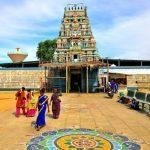
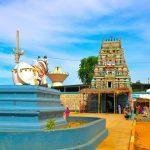
Photo Gallery
Contact Details
Pallikondeswarar Temple,
Surutapalli, Dasukuppam Post,
Nagalapuram M.D.,
Chittoor District – 517 588
Andhra Pradesh, India
Phone: +91 8576 278 599 / 274 971
Recent Posts

ओ सांवरे तूने ही मुझको संभाला – Lyrics & Meaning
ओ सांवरे तूने ही मुझको संभाला – A Prayer to Shyam Origin & Spiritual Essence Why This Bhajan Resonates Devotees chant this when overwhelmed by life’s storms—the refrain ‘तूने ही मुझको संभाला’ is the soul’s sigh of relief: “You…

कथा ये है महाराज मेरे की – Lyrics & Meaning
कथा ये है महाराज मेरे की छत्रपति संभाजी महाराज – A Prayer to Chhatrapati Sambhaji Maharaj Origin & Spiritual Essence Why This Bhajan Resonates Devotees chant this when their spirit feels tested—its powerful refrain “महाराज मेरे” is a soul’s…

Rigveda Samhita Yathartha Anuvada (ऋग्वेद संहिता यथार्थ अनुवाद) – Complete Set with Anvayartha & Hindi/English Translation
The Rigveda is the oldest surviving scripture of humanity and the foundational text of Sanātana Dharma. For serious students, scholars, UPSC aspirants studying ancient Indian history, Sanskrit learners, and spiritual seekers, a precise and grammatically structured translation is indispensable.…

आना भी अकेला है जाना भी अकेला है – Lyrics & Meaning | BharatTemples
आना भी अकेला है जाना भी अकेला है – A Prayer to the Divine Witness Origin & Spiritual Essence Why This Bhajan Resonates Devotees turn to this bhajan in moments of deep reflection—when life’s attachments begin to ache. The…

माता शेरावाली के द्वार जो भी जाता है – Lyrics & Meaning
माता शेरावाली के द्वार जो भी जाता है – A Prayer to Maa Sherawali Origin & Spiritual Essence Why This Bhajan Resonates Devotees turn to this bhajan in times of fear or uncertainty—its promise that no one leaves Maa’s…

मार लेना सपणी उबार लेणा भवरा – Lyrics & Meaning
मार लेना सपणी उबार लेणा भवरा – A Prayer to the Divine Beloved Origin & Spiritual Essence Why This Bhajan Resonates Devotees chant this in moments of deep vulnerability—its cry of “मार लेना सपणी, उबार लेणा भवरा” is the…

हमें श्याम सुंदर भरोसा तुम्हारा – Lyrics & Meaning
हमें श्याम सुंदर भरोसा तुम्हारा – A Prayer to Shyam Sundar Origin & Spiritual Essence Why This Bhajan Resonates Devotees chant this when feeling alone—its refrain ‘de do sahara’ is the soul’s cry for divine support. Lyrics in Hindi…

Mere Satguru Ne Di Thi Davai Lyrics in Hindi & Meaning
Mere Satguru Ne Di Thi Davai: Invoking the Guru’s Liberating Wisdom This soul-stirring bhajan venerates the Satguru (True Spiritual Master) as the divine physician who dispenses the only remedy for life’s deepest sufferings. Composed by Sant Karmaveer Tufani, it…

Janm Diyo Thari Maa Dukh Dekhiyo Lyrics in Hindi & Meaning
जन्म दियो थारी माँ दुख देखियो (Maa’s Grief Upon Birthing You) This soul-stirring Chetavani Bhajan (admonitory hymn) is addressed to the Divine Mother (Maa) – a call for repentance when children forget their filial duties in the dark age…
Bhadi Sabha Mein Thane Manaun Lyrics in Hindi & Meaning
Bhadi Sabha Mein Thane Manaun: Invoking the Spear-Wielding Mother Mata Bhawani (श्री ज्वाला भवानी), the fiery manifestation of Shakti worshipped as the Protector of Dharma in Her Dhaulagarh sanctum. Origin & Spiritual Essence Composed in Rajasthani folk tradition by…