
Contents
- 1 Panangateeswarar Temple: A Definitive Pilgrimage Guide to Thirupankottore
Panangateeswarar Temple: A Definitive Pilgrimage Guide to Thirupankottore
By Lead Heritage Architect & SEO Strategist | BharatTemples.com | Updated for 2026 Pilgrims
In the heart of the Kanchipuram district lies a sanctuary where the divine manifested as a humble old man, where the earth bled water from a scratch, and where the celebrated Nayanar, Sundarar, sang praises of the Lord. Welcome to the Panangateeswarar Temple in Thirupankottore, one of the 275 sacred Shiva temples glorified by the Thevaram hymns.
1. Introduction & Spiritual Essence
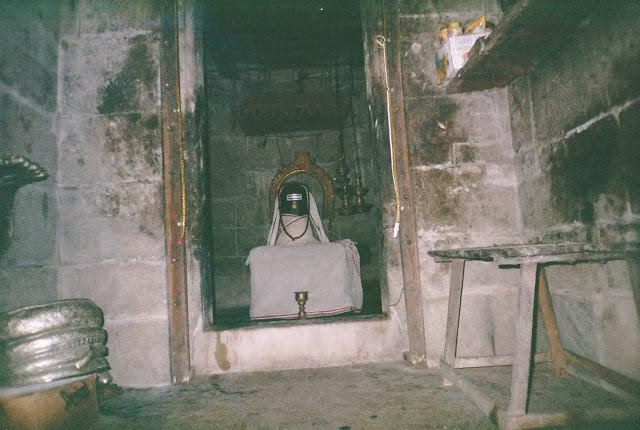
The Panangateeswarar Temple is dedicated to Lord Shiva, revered here as Swayambhu Panangateeswarar (the self-manifested Lord of the Palm Grove). The presiding deity is a Swayambhu Lingam (self-manifested lingam), representing the formless aspect of Shiva that emerged from the earth without human sculpting.
Primary Deity & Form: Lord Panangateeswarar (Shiva). The deity is a Swayambhu Lingam, facing East.
Consort: The Mother Goddess is worshipped as Amirthavalli Ammai (also referred to as Krupagambikai in local legends).
Phalaśruti: The Benefits of Pilgrimage
Why do devotees undertake this journey to Thirupankottore? According to temple records and oral tradition, the spiritual benefits are profound:
- Cleansing Ancestral Karma: Performing Abhishekam here is believed to liberate ancestors from spectral bonds, particularly beneficial during the Amavasya (New Moon) days.
- Removal of Thirst (Drought Alleviation): As the site of the legendary Jada Gangai (theertham), worship here is associated with relief from scarcity—be it water, wealth, or wisdom.
- Relief from Malefic Planetary Effects: Devotees facing challenges due to Shani (Saturn) or Rahu-Ketu Dosha find solace here.
2. Historical Origins & Scriptural Legend
The Thevaram Glorification
The temple finds its place among the 275 Paadal Petra Sthalams—holy abodes glorified by the verses of the Nayanars (Shaivite saints). In the 7th century CE, Sundarar (also known as Thirugnana Sundarar) visited this site.
The Legend of the Old Man
Tradition holds a miraculous event during Sundarar’s visit. Exhausted and hungry, Sundarar encountered an old man who offered him food. Sundarar, seeing no water source nearby, refused, asking, “What is the use of food when there is no water to drink?”
In response, the old man scratched the earth with his nail. Water gushed forth instantly, creating the Jada Gangai Theertham. The old man then vanished, revealing himself to be Lord Shiva. Sundarar, overcome with devotion, sang hymns in praise of the Lord of Thirupankottore.
Local Legends & Inscriptions
The place derives its name from the abundant Panai (Palm) trees that surround the area—Panai + Kattu + Ore (Grove of Palms).
Additionally, the temple houses shrines for two other Shiva Lingams believed to have been worshipped by great sages:
- Thalapureeswarar: Worshipped by Sage Agastya.
- Krupadeeswarar: Worshipped by Sage Pulasthya.
3. Architectural Marvels
The Panangateeswarar Temple is a classic example of the Dravidian style of architecture, dating back to the period of the Pallava dynasty. The structure reflects the early evolution of temple architecture in Tamil Nadu, characterized by intricate carvings and a focus on the sanctum sanctorum.
Structural Layout
- Gajabrushta Form: The temple is constructed in the “Gajabrushta” (elephant back) shape, a distinctive roof structure resembling the back of an elephant, common in early Dravidian temples.
- The Rajagopuram: The towering entrance gateway is typical of South Indian temple complexes, though in this ancient site, the grandeur lies in the historical relief work.
- Mandapas: The temple features pillared mandapas (halls) that facilitate processions and house the Nandi (bull) statue, which faces the main deity.
Notable Sculptures & Shrines
- Krupagambikai Shrine: Dedicated to the consort of Panangateeswarar, this shrine is an architectural highlight featuring delicate stone carvings.
- Niche Deities: The exterior walls feature niche sculptures of Ashta Dikpalakas (guardians of the directions).
Theertham & Sthala Vruksha
- Theertham: Jada Gangai (located inside the temple) and Sundara Theertham (outside). Remarkably, it is believed that the water level at Sundara Theertham is just 3 feet deep, yet it never dries up.
- Sthala Vruksha: The Panai (Palm) Tree, under which the temple is named.
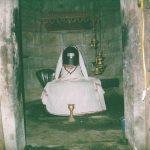

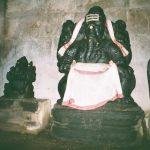
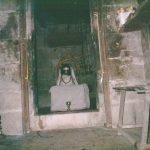
Visuals of the Panangateeswarar Temple complex and its Dravidian features.
4. Darshan & Ritual Logistics
Planning your visit to Panangateeswarar Temple requires attention to the daily liturgical schedule and specific festival timings. The following schedule is optimized for 2026 pilgrims.
Daily Timings
| Time Slot | Activity |
|---|---|
| 06:00 AM – 12:00 PM | Morning Darshan & Abhishekam |
| 12:00 PM – 04:30 PM | Temple Closure (Raja Alankaram) |
| 04:30 PM – 08:00 PM | Evening Darshan & Deeparadhana |
Key Sevas (Rituals)
- Abhishekam: Performed with water, milk, and honey. Best time: Morning (7:00 AM).
- Archana: Recitation of the 108 names of Shiva (Sahasranamam).
- Deepa Aradhana: Lamp offering performed during evening twilight.
Online Seva Booking
While many temples in Kanchipuram district have digitized offerings, we recommend checking the official Kanchipuram Devaswom Board website or the Tamil Nadu Tourism Department portal for the latest online booking links for Panangateeswarar Temple as we approach 2026.
2026 Festival Calendar (Tentative)
- Pradosham (Monthly): The 13th day of the waxing/waning moon. Highly auspicious for Shiva.
- Arudra Darshanam (January 2026): Celebrates the cosmic dance of Shiva (Nataraja). A major event here due to the temple’s connection to ancient sages.
- Maha Shivaratri (February 2026): The most significant festival. The temple remains open all night with special chanting and rituals.
- Kartikai Deepam (November/December 2026): Lighting of lamps to signify the divine light.
5. Practical Visitor Guidance
Dress Code & Conduct
As this is an active place of worship:
- Attire: Traditional Indian wear (Dhoti/Saree) is preferred. Shirts and trousers are permitted, but modest clothing is mandatory. Avoid shorts.
- Footwear: Must be removed at the designated stands outside the temple complex.
Photography & Mobiles
- Photography inside the inner sanctum (Garbhagriha) is strictly prohibited.
- Flash photography may be restricted in areas with ancient frescoes.
- Mobile Lockers: Due to the traditional nature of the temple, electronic storage lockers may not be available. It is advisable to travel light and carry minimal valuables.
Accessibility
The temple has a traditional entrance with steps. Ramps for wheelchair access may be limited in the inner courtyards due to the ancient nature of the structure. Please contact the temple office in advance for specific assistance.
Crowd Management
- Best Hours to Visit: Weekday mornings (6:00 AM – 8:00 AM) are the least crowded.
- Seasonal Advice: Summers (April–June) in Kanchipuram are hot. Carry a water bottle (refill stations available) and wear a hat. Monsoons (Oct–Dec) bring pleasant weather but occasional showers.
6. Pilgrimage Connectivity
How to Reach Thirupankottore
The temple is located in Thirupankottore, approximately 10 km from Kanchipuram town.
- By Air: The nearest major airport is Chennai International Airport (MAA), approximately 70 km away (1.5–2 hours drive).
- By Rail: The nearest railway junction is Kanchipuram Railway Station. Auto-rickshaws and local buses are available from the station to Thirupankottore.
- By Road: Located off the Chennai–Tirupati Highway (NH 716). From Kanchipuram, take the road towards Uttaramerur. Local buses ply frequently towards Thirupankottore from the Kanchipuram Bus Stand.
Nearby Sacred Sites (Circuit Guide)
Expand your pilgrimage by visiting these nearby Thevaram temples:
- Ekambareswarar Temple (Kanchipuram): One of the Pancha Bhoota Stalas (Earth element), just 10 km away.
- Uttaraeswarar Temple (Uttaramerur): Located about 20 km from Thirupankottore, another Dravidian marvel.
- Vedagiriswarar Temple (Thirukkalukundram): Famous for the recurring eagles and hilltop views.
7. Frequently Asked Questions (FAQs)
1. Is there a VIP Darshan entry?
Yes, the temple provides a special entry queue for senior citizens and physically disabled devotees. VIP tickets are generally not issued as this is a rural shrine, but donations are accepted for special pujas.
2. What is the history of the “Jada Gangai” theertham?
According to legend, it was created by Lord Shiva (disguised as an old man) to quench Sundarar’s thirst. It is considered highly sacred for performing rituals for ancestors.
3. Are non-Hindus allowed inside?
Generally, access to the inner sanctum of ancient Shiva temples in Tamil Nadu is restricted to Hindus. However, entry to the outer mandapas and viewing the architecture is often permitted. Please check with the temple authorities on-site.
4. Where can I stay in Kanchipuram?
There are numerous budget lodges, choultries, and hotels in Kanchipuram (10 km away). The Tamil Nadu Tourism Development Corporation (TTDC) also runs a hotel and a guest house in the city.
5. What is the significance of the “Gajabrushta” roof?
The term means “elephant back.” This architectural style, resembling the sloping back of an elephant, is characteristic of early Dravidian temple architecture before the elaborate towering gopurams became standard.
6. How old is the Panangateeswarar Temple?
While specific inscriptions regarding the construction date are not widely publicized in modern surveys, the architectural style points to the Pallava period (6th–9th Century CE), as it follows the early Dravidian forms established in Kanchipuram.
Disclaimer: Timings and rituals are subject to change based on local religious calendars. We recommend contacting the temple office directly before planning your visit.
Panangateeswarar Temple,
Thirupankottore,
Kanchipuram District, Tamil Nadu.
Original Source: https://tamilnadu-favtourism.blogspot.com/2016/09/panangateeswarar-temple-thirupankottore.html
Recent Posts

Shri Kaamkoteeshwar Mandir, Varanasi – History & Significance
In the heart of Kashi, the eternal city of Lord Shiva, where the Ganges flows with celestial grace, stands the Shri Kaamkoteeshwar Mandir. This sacred Sannidhi is not merely a temple but a profound spiritual bridge between the Northern…

ओ सांवरे तूने ही मुझको संभाला – Lyrics & Meaning
ओ सांवरे तूने ही मुझको संभाला – A Prayer to Shyam Origin & Spiritual Essence Why This Bhajan Resonates Devotees chant this when overwhelmed by life’s storms—the refrain ‘तूने ही मुझको संभाला’ is the soul’s sigh of relief: “You…

कथा ये है महाराज मेरे की – Lyrics & Meaning
कथा ये है महाराज मेरे की छत्रपति संभाजी महाराज – A Prayer to Chhatrapati Sambhaji Maharaj Origin & Spiritual Essence Why This Bhajan Resonates Devotees chant this when their spirit feels tested—its powerful refrain “महाराज मेरे” is a soul’s…

Rigveda Samhita Yathartha Anuvada (ऋग्वेद संहिता यथार्थ अनुवाद) – Complete Set with Anvayartha & Hindi/English Translation
The Rigveda is the oldest surviving scripture of humanity and the foundational text of Sanātana Dharma. For serious students, scholars, UPSC aspirants studying ancient Indian history, Sanskrit learners, and spiritual seekers, a precise and grammatically structured translation is indispensable.…

आना भी अकेला है जाना भी अकेला है – Lyrics & Meaning | BharatTemples
आना भी अकेला है जाना भी अकेला है – A Prayer to the Divine Witness Origin & Spiritual Essence Why This Bhajan Resonates Devotees turn to this bhajan in moments of deep reflection—when life’s attachments begin to ache. The…

माता शेरावाली के द्वार जो भी जाता है – Lyrics & Meaning
माता शेरावाली के द्वार जो भी जाता है – A Prayer to Maa Sherawali Origin & Spiritual Essence Why This Bhajan Resonates Devotees turn to this bhajan in times of fear or uncertainty—its promise that no one leaves Maa’s…

मार लेना सपणी उबार लेणा भवरा – Lyrics & Meaning
मार लेना सपणी उबार लेणा भवरा – A Prayer to the Divine Beloved Origin & Spiritual Essence Why This Bhajan Resonates Devotees chant this in moments of deep vulnerability—its cry of “मार लेना सपणी, उबार लेणा भवरा” is the…

हमें श्याम सुंदर भरोसा तुम्हारा – Lyrics & Meaning
हमें श्याम सुंदर भरोसा तुम्हारा – A Prayer to Shyam Sundar Origin & Spiritual Essence Why This Bhajan Resonates Devotees chant this when feeling alone—its refrain ‘de do sahara’ is the soul’s cry for divine support. Lyrics in Hindi…

Mere Satguru Ne Di Thi Davai Lyrics in Hindi & Meaning
Mere Satguru Ne Di Thi Davai: Invoking the Guru’s Liberating Wisdom This soul-stirring bhajan venerates the Satguru (True Spiritual Master) as the divine physician who dispenses the only remedy for life’s deepest sufferings. Composed by Sant Karmaveer Tufani, it…

Janm Diyo Thari Maa Dukh Dekhiyo Lyrics in Hindi & Meaning
जन्म दियो थारी माँ दुख देखियो (Maa’s Grief Upon Birthing You) This soul-stirring Chetavani Bhajan (admonitory hymn) is addressed to the Divine Mother (Maa) – a call for repentance when children forget their filial duties in the dark age…