
Contents
Introduction & Spiritual Essence
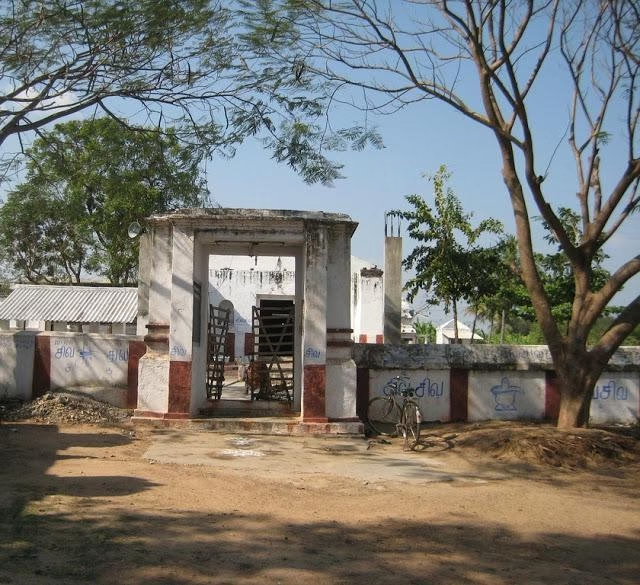
Pancha Varneswarar Temple, nestled in the serene village of Eekkadu near Thiruvallur, stands as a testament to divine mysticism and ancient Tamil heritage. The presiding deity, Pancha Varneswarar (Lord Shiva), is a Swayambhu (self-manifested) Lingam enshrined within a unique square-shaped Avudaiyar (base). While most Lingams are cylindrical, the square Avudaiyar is a rare architectural feature believed to be installed by ancient sages, imbuing the site with immense spiritual potency.
The temple derives its name from the miraculous nature of the presiding deity: the Lingam changes colors spontaneously. Devotees witness the Lingam manifesting various hues—sometimes red, sometimes white, or other vibrant shades—persisting for days or even months. This phenomenon is not only a visual marvel but a profound spiritual sign. Phalaśruti (spiritual benefits): Devotees believe that worshipping Pancha Varneswarar here helps cleanse deep-seated ancestral karma and removes obstacles caused by planetary afflictions.
The consort, Tripurasundari Amman, faces south, radiating benevolence and grace. Together, they represent the cosmic balance of consciousness and energy, making this temple a vital stop for those seeking relief from prolonged struggles and spiritual stagnation.
Historical Origins & Scriptural Legend
While the exact inscription detailing the builder remains elusive in popular records, the structural style and the sanctity of the square Avudaiyar indicate a history spanning over 1,000 years. The temple follows the Dravidian architectural style, characteristic of the early Chola or Pallava periods, where square bases were favored for Brahadeeswarar (Shiva) idols in certain sects.
The Legend of the Five Colors: According to local oral tradition (Sthala Purana), the name “Pancha Varneswarar” signifies the Lord of Five Colors. The legend holds that ancient Saptarishis (seven sages) performed intense penance here to witness the cosmic form of Shiva. Pleased by their devotion, Shiva manifested as a Lingam, revealing five distinct colors representing the Pancha Bhoota Sthalas (Five Elements) — Earth, Water, Fire, Air, and Space. The changing colors are believed to be the Lingam reflecting the dominant elemental energy of the universe at any given time.
Scriptural Reference: While detailed Vedic references focus on the deity, temple records and Tamil Saiva literature highlight the significance of square Avudaiyars as primeval shrines constructed by sages, distinguishing them from later royal patronage structures.
Architectural Marvels
The temple is a classic example of Dravidian architecture, characterized by its towering Gopuram and enclosed Prakaram (corridor). The sanctum sanctorum is oriented east, where the presiding deity Pancha Varneswarar resides.
- The Square Avudaiyar: Unlike the typical cylindrical Lingothbhava form, this shrine features a square base. This geometry is considered highly auspicious in Vastu Shastra, representing stability and the four directions, grounding the spiritual energy.
- Mandapas: The temple features a pillared Mandapa (hall) that houses various sub-shrines. The ceiling features wooden beams and traditional tiles, reflecting centuries of conservation.
- Sculptures: The outer walls and pillars are adorned with intricate carvings depicting mythological scenes. Notable sculptures include Nardana Ganapati (Ganesha in a dancing posture), Dakshinamurthy (the teacher aspect of Shiva), and Lingothbavar (Shiva emerging from the Lingam).
- Sub-Shrines: A comprehensive Navagraha shrine is present, crucial for devotees performing remedial rituals. Shrines for Bhairava (the fierce guardian) and Chandikeswarar (the curator of temple offerings) are standard in Shaiva temples.
Darshan & Ritual Logistics
The temple maintains traditional worship schedules. Below are the tentative timings for 2026. Devotees are advised to verify locally before travel.
| Session | Timings |
|---|---|
| Morning Darshan | 6:00 AM – 12:00 PM |
| Afternoon Closure | 12:00 PM – 4:00 PM |
| Evening Darshan | 4:00 PM – 8:00 PM |
| Special Note 2026 | Timings may extend on festival days. |
Key Sevas & Online Booking
To accommodate devotees, the temple trust facilitates various Sevas (offerings). While physical booking is available at the temple counter, online platforms (such as Temple.net or district administration portals) typically handle advance bookings.
- Abhishekam: Ritual bathing of the deity (usually performed with milk, honey, and sandalwood).
- Archana: Chanting of names (typically “Pancha Varneswarar Namah”).
- Rudrabhishekam: A comprehensive Vedic ritual (requires prior notice).
- Laghu Rudram: Performed for planetary peace (Navagraha Shanti).
How to Book: Visit the official Tamil Nadu Tourism/HR&CE website. Search for “Pancha Varneswarar Temple Eekkadu.” Select the desired Seva, date, and time slot. Payment is typically done via UPI/Credit Card.
2026 Festival Dates (Tentative)
- Pradosham: 13th and 28th of every month (bi-monthly).
- Shivratri: February 26, 2026 (Major festival; expect crowds).
- Karthigai Deepam: December 4, 2026.
- Navaratri: September 22 – October 1, 2026.
Practical Visitor Guidance
Ensuring a smooth darshan requires preparation. Eekkadu is a village temple, so amenities are basic but functional.
- Dress Code: Traditional attire is mandatory. Men should wear Dhoti or formal trousers with a shirt; women should wear Saree, Salwar Kameez, or long skirts. Avoid shorts and sleeveless tops.
- Photography: Strictly prohibited inside the sanctum sanctorum. Footage is allowed in the outer corridors with prior permission from the executive officer.
- Mobile & Lockers: Electronic devices are not permitted inside the inner sanctum. There is no high-tech locker facility; devotees must deposit phones at the entrance shelf or keep them in vehicles.
- Accessibility: The temple has narrow steps. It is not fully wheelchair accessible, though assistance can be sought from volunteers.
- Crowd Management: Mornings before 8:00 AM are the least crowded. Seasonal Advice: Tamil Nadu summers (April–June) are scorching; carry water and an umbrella. Monsoons (October–November) require rain gear.
Pilgrimage Connectivity
Eekkadu is strategically located near the bustling town of Thiruvallur, making it accessible from Chennai.
How to Reach
- By Road: The temple is located on the Thiruvallur to Thamaraipakkam Route. It is approximately 50 km from Chennai via the NH16 (Chennai – Kolkata Highway). Take the Thiruvallur exit and proceed towards Thamaraipakkam.
- By Rail: The nearest railway station is Thiruvallur Railway Station (approx. 6 km). From there, auto-rickshaws are readily available.
- By Air: Chennai International Airport (MAA) is the nearest airport, approximately 50 km away.
Nearby Sacred Sites
Construct a spiritual circuit by visiting these nearby temples:
- Vadivudai Amman Temple (Thiruvotriyur): A powerful Shakti shrine located about 25 km away.
- Kailasanathar Temple (Thiruporur): An ancient temple dedicated to Shiva, located approximately 20 km away.
- Thiruvallur Veeraraghava Swamy Temple: A major Vishnu temple in the town center, just 4 km from Eekkadu.
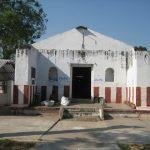
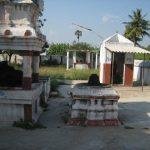
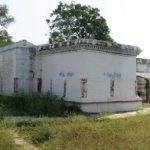
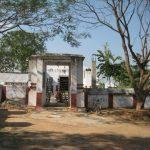
Photo Gallery
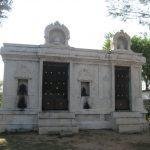
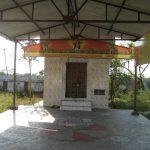
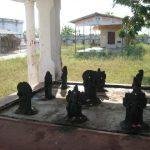
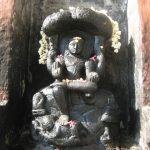

Frequently Asked Questions (FAQ)
1. How does the Lingam change colors?
The phenomenon is natural and attributed to the specific mineral composition of the stone and the atmospheric conditions within the sanctum. There is no scientific schedule; it is a divine surprise that occurs intermittently, drawing devotees for special darshan.
2. Is there a VIP Darshan entry available?
While there is no formal “VIP” category like Tirupati, purchasing a Special Entry Darshan ticket (approx. INR 50-100) at the counter allows you to bypass the general queue, especially during non-peak hours.
3. What is the best time to visit Pancha Varneswarar Temple?
The months of October to February offer the most pleasant weather. However, visiting during Pradosham days is considered highly auspicious for Shiva devotees.
4. Are there accommodation facilities nearby?
There are no major hotels in Eekkadu village. For comfortable lodging, it is recommended to stay in Thiruvallur town (4 km away) or return to Chennai (50 km away), where options range from budget lodges to 5-star hotels.
5. Is the temple open on all days?
Yes, the temple is generally open daily. However, it is wise to call the local temple trustee or check the local notice board if planning a visit during severe weather warnings or specific local festivals.
Original Source: tamilnadu-favtourism.blogspot.com
Recent Posts

Shri Kaamkoteeshwar Mandir, Varanasi – History & Significance
In the heart of Kashi, the eternal city of Lord Shiva, where the Ganges flows with celestial grace, stands the Shri Kaamkoteeshwar Mandir. This sacred Sannidhi is not merely a temple but a profound spiritual bridge between the Northern…

ओ सांवरे तूने ही मुझको संभाला – Lyrics & Meaning
ओ सांवरे तूने ही मुझको संभाला – A Prayer to Shyam Origin & Spiritual Essence Why This Bhajan Resonates Devotees chant this when overwhelmed by life’s storms—the refrain ‘तूने ही मुझको संभाला’ is the soul’s sigh of relief: “You…

कथा ये है महाराज मेरे की – Lyrics & Meaning
कथा ये है महाराज मेरे की छत्रपति संभाजी महाराज – A Prayer to Chhatrapati Sambhaji Maharaj Origin & Spiritual Essence Why This Bhajan Resonates Devotees chant this when their spirit feels tested—its powerful refrain “महाराज मेरे” is a soul’s…

Rigveda Samhita Yathartha Anuvada (ऋग्वेद संहिता यथार्थ अनुवाद) – Complete Set with Anvayartha & Hindi/English Translation
The Rigveda is the oldest surviving scripture of humanity and the foundational text of Sanātana Dharma. For serious students, scholars, UPSC aspirants studying ancient Indian history, Sanskrit learners, and spiritual seekers, a precise and grammatically structured translation is indispensable.…

आना भी अकेला है जाना भी अकेला है – Lyrics & Meaning | BharatTemples
आना भी अकेला है जाना भी अकेला है – A Prayer to the Divine Witness Origin & Spiritual Essence Why This Bhajan Resonates Devotees turn to this bhajan in moments of deep reflection—when life’s attachments begin to ache. The…

माता शेरावाली के द्वार जो भी जाता है – Lyrics & Meaning
माता शेरावाली के द्वार जो भी जाता है – A Prayer to Maa Sherawali Origin & Spiritual Essence Why This Bhajan Resonates Devotees turn to this bhajan in times of fear or uncertainty—its promise that no one leaves Maa’s…

मार लेना सपणी उबार लेणा भवरा – Lyrics & Meaning
मार लेना सपणी उबार लेणा भवरा – A Prayer to the Divine Beloved Origin & Spiritual Essence Why This Bhajan Resonates Devotees chant this in moments of deep vulnerability—its cry of “मार लेना सपणी, उबार लेणा भवरा” is the…

हमें श्याम सुंदर भरोसा तुम्हारा – Lyrics & Meaning
हमें श्याम सुंदर भरोसा तुम्हारा – A Prayer to Shyam Sundar Origin & Spiritual Essence Why This Bhajan Resonates Devotees chant this when feeling alone—its refrain ‘de do sahara’ is the soul’s cry for divine support. Lyrics in Hindi…

Mere Satguru Ne Di Thi Davai Lyrics in Hindi & Meaning
Mere Satguru Ne Di Thi Davai: Invoking the Guru’s Liberating Wisdom This soul-stirring bhajan venerates the Satguru (True Spiritual Master) as the divine physician who dispenses the only remedy for life’s deepest sufferings. Composed by Sant Karmaveer Tufani, it…

Janm Diyo Thari Maa Dukh Dekhiyo Lyrics in Hindi & Meaning
जन्म दियो थारी माँ दुख देखियो (Maa’s Grief Upon Birthing You) This soul-stirring Chetavani Bhajan (admonitory hymn) is addressed to the Divine Mother (Maa) – a call for repentance when children forget their filial duties in the dark age…