
Contents
- 1 Pandurangan Temple, Pichandarkovil: A Guide to Then Pandaripuram
- 1.1 Introduction & Spiritual Essence
- 1.2 Historical Origins & Scriptural Legend
- 1.3 Architectural Marvels
- 1.4 Darshan & Ritual Logistics
- 1.5 Practical Visitor Guidance
- 1.6 Pilgrimage Connectivity
- 1.7 Photo Gallery
- 1.8 Frequently Asked Questions (FAQ)
- 1.8.1 1. Is there a VIP darshan entry?
- 1.8.2 2. What is the significance of the “black mud” (Bukka) prasadam?
- 1.8.3 3. Can we book the temple for a wedding or function?
- 1.8.4 4. What are the major festivals celebrated here?
- 1.8.5 5. Is the temple accessible for senior citizens and those with disabilities?
- 1.9 Contact Details
Pandurangan Temple, Pichandarkovil: A Guide to Then Pandaripuram
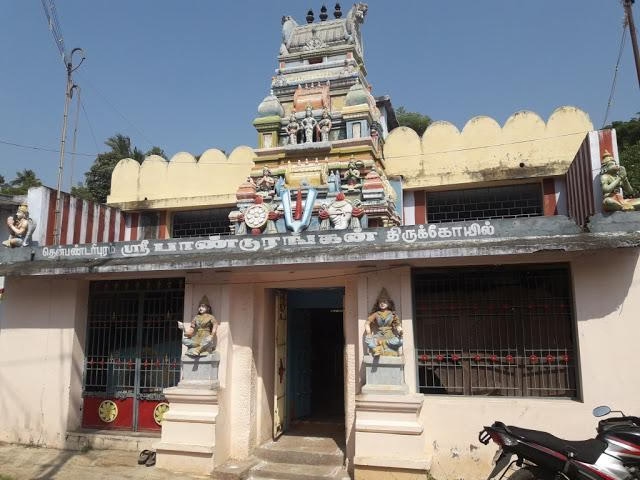
Nestled within the spiritual geography of Trichy lies a sanctum that mirrors the sanctity of Pandharpur itself. The Pandurangan Temple in Pichandarkovil is affectionately known to devotees as Then Pandaripuram (The Pandharpur of the South). This temple is not merely a structure of stone but a vibrant center of Bhakti, where the transcendental form of Lord Pandurangan welcomes every soul without discrimination.
Pandurangan Temple, Pichandarkovil, Trichy
| Date built: | – |
|---|---|
| Deity: | Pandurangan |
| Architectural style: | Dravidian architecture |
| Major festivals | – |
| Locale: | Pichandarkovil |
| District:: | Trichy |
| Address: | – |
| Phone | – |
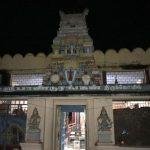
Pandurangan Temple is a Hindu Temple dedicated to Lord Vishnu located at Pichandarkovil in Trichy District of Tamilnadu. This Temple is also called as Then Pandaripuram. This is a small temple and as in any Pandurangan temple, here also everyone is allowed to embrace the Pandurangan and pray. Presiding Deity is Panduranga with Radha and Rukmini. Prasadam given here is known as Pada doolhi or Bukka which is like black mud. This is a private temple and is about 75 years old. The idol installed in this temple was taken from the well.
Introduction & Spiritual Essence
The Form of Lord Pandurangan
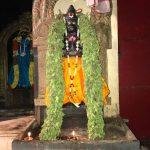
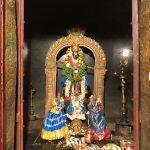
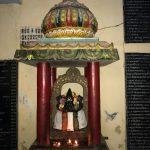
The presiding deity, Pandurangan (a form of Lord Vishnu), stands in a posture of divine grace, flanked by his consorts Rukmini and Satyabhama (often referenced collectively with Radha in local Vaishnava traditions). Unlike rigid iconography found elsewhere, the deity here is accessible. The local tradition emphasizes the concept of Vatsalya (parental affection) and Saulabhyam (accessibility), allowing devotees to physically embrace the idol—an act of profound spiritual surrender.
Phalaśruti: The Benefits of Pilgrimage
Devotees visit the Pandurangan Temple, Pichandarkovil, seeking relief from the burdens of Karma and ancestral afflictions. According to spiritual practitioners, offering prayers here is equivalent to a visit to the holy town of Pandharpur in Maharashtra. The specific benefits include:
- Cleansing of Ancestral Karma: Rituals performed here are believed to bring peace to departed ancestors.
- Removal of Fear: As the Lord who removes the fear of the ocean of Samsara (cycle of birth and death).
- Radha-Krishna Bhakti: The presence of the consorts enhances devotion to the divine feminine principle.
Historical Origins & Scriptural Legend
The Legend of Parangkusa das
While the temple structure is approximately 75 years old, its spiritual origins are timeless. The Sthala Purana (local legend) recounts the story of a devout soul named Parangkusa das. It is believed that the Lord appeared in the dreams of this devotee, instructing him to retrieve the deity from the depths of a local well.
Following this divine directive, the idol was recovered and consecrated at Pichandarkovil. This origin story highlights the Swayambhu (self-manifested) nature of the deity’s discovery, emphasizing that the location was chosen by divine will rather than mere human planning.
Renovation and Preservation
According to temple records and local accounts, the temple began as a private shrine established roughly seven decades ago. Over the years, it has been maintained by the descendants of the original devotee and the local community, ensuring that the ancient traditions of the Alwar saints are kept alive in Trichy.
Architectural Marvels
Dravidian Sanctuary Style
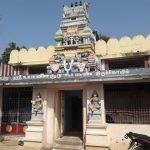
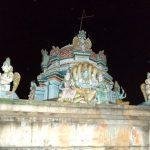
The temple architecture follows the classical Dravidian style. Despite its compact size, the temple encapsulates the essential elements of a Vaishnava shrine.
- The Sanctum (Garbhagriha): The innermost shrine houses Pandurangan with his consorts. The sanctum is designed to create an intimate atmosphere, facilitating the unique custom of embracing the deity.
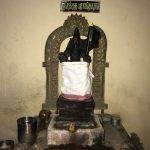
- Material: The idol itself is significant, described as being composed of a black earthen material, resembling Bukka (black mud). This distinct composition adds to the unique mystique of the temple.
Darshan & Ritual Logistics
The temple follows a traditional daily schedule. Note that while timings are standard, timings for specific rituals may vary based on the priest’s schedule and festival days.
Daily Timings
| Session | Timing |
|---|---|
| Morning Darshan | 06:00 AM – 11:00 AM |
| Mid-day Closure | 11:00 AM – 04:00 PM |
| Evening Darshan | 04:00 PM – 08:00 PM |
Key Sevas & Offerings
- Abhishekam: Performed on auspicious days. The ritual involves bathing the deity with milk, honey, and sandalwood paste.
- Archana: Recitation of Vishnu Sahasnamam and specific Panduranga mantras.
- Pada Doolhi Prasadam: The signature offering of this temple. It is a sacred dust (earth) collected from the footprints of the Lord. Devotees consume this as Bukka.
Online Seva Booking (2026 Guidelines)
As the temple is a private institution, a centralized government portal may not handle bookings. Devotees wishing to sponsor Sevas or Pujas should contact the temple management directly. For the 2026 Margazhi Festival (Dec 2025 – Jan 2026), special darshan tokens are expected to be released 30 days prior to the event.
Practical Visitor Guidance
Dress Code and Etiquette
As with all Vishnu temples in Tamil Nadu, a strict dress code is enforced:
- Men: Dhoti or formal trousers/shirt (vests are prohibited).
- Women: Saree, Salwar Kameez, or traditional attire.
Photography and Lockers
- Photography of the sanctum is strictly prohibited to maintain the sanctity of the darshan.
- Mobile lockers are not available on-site. Visitors are advised to travel light and keep valuables in their vehicles or at safe locations in Trichy city.
Crowd Management
- Best Time to Visit: Weekday mornings (Tuesday and Friday are considered highly auspicious for Lord Vishnu).
- Seasonal Advice: Summers (May) in Trichy can be harsh; carry water bottles. The temple hall provides shade but has limited ventilation.
Pilgrimage Connectivity
How to Reach
The temple is strategically located near the historic Uthamar Kovil complex.
- By Air: Trichy International Airport (TRZ) is the nearest airport, located approximately 17 km away. Taxis and airport shuttle services are available.
- By Rail: The nearest railway station is Uthamar Kovil Railway Station, just 400 meters away. However, major trains halt at Trichy Junction (TEN), which is 16 km away.
- By Road: The temple is accessible via the Trichy-Srirangam highway. It is located 5 km from Srirangam and 12 km from the Trichy central bus stand.
Nearby Sacred Sites
A pilgrimage to Pichandarkovil is best combined with visits to the surrounding temples:
- Uthamar Kovil: Located merely 1 km away, dedicated to Vishnu as Purushasundarar and Shiva as Parimala Ranganathar.
- Jambukeswarar Temple (Thiruvanaikoil): One of the Pancha Bhoota Stalas (representing Water), located 5 km away.
- Ranganathaswamy Temple, Srirangam: The holiest abode of Lord Vishnu in Trichy, located 5 km away.
Photo Gallery
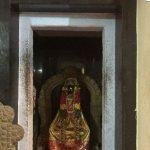
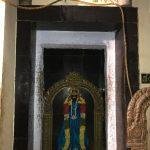
Frequently Asked Questions (FAQ)
1. Is there a VIP darshan entry?
Since this is a private temple with a modest footprint, there is no formal VIP entry system like in large government-run temples. All devotees are treated equally, and the queue moves quickly due to the small size.
2. What is the significance of the “black mud” (Bukka) prasadam?
The Prasadam is known as Pada Doolhi. It represents the sacred dust from the feet of the Lord, consumed by devotees as a form of spiritual nourishment and purification. It is similar to the Tirtham distributed in Pandharpur.
3. Can we book the temple for a wedding or function?
Being a private temple, specific permissions for hosting weddings or large functions must be sought from the temple trustees. It is advisable to visit the temple office or call ahead for clearance.
4. What are the major festivals celebrated here?
While specific local festival dates vary, major Vaishnava festivals are observed:
- Garuda Sevai (During the month of Chithirai/April-May)
- Vaikunta Ekadasi (Margazhi season)
- Brahmotsavam (Once a year)
5. Is the temple accessible for senior citizens and those with disabilities?
While the sanctum is accessible via a few steps, the overall structure is compact. Those with mobility issues can perform prayers from the main hall. Wheelchair access to the inner sanctum may be limited due to the traditional architecture.
Contact Details
For specific queries regarding timings and Sevas, devotees may inquire locally at the temple or refer to the original source listed above.
Official Address:
Pandurangan Temple,
Pichandarkovil, Near Uthamar Kovil,
Trichy District, Tamil Nadu 620005.
Recent Posts

Shri Kaamkoteeshwar Mandir, Varanasi – History & Significance
In the heart of Kashi, the eternal city of Lord Shiva, where the Ganges flows with celestial grace, stands the Shri Kaamkoteeshwar Mandir. This sacred Sannidhi is not merely a temple but a profound spiritual bridge between the Northern…

ओ सांवरे तूने ही मुझको संभाला – Lyrics & Meaning
ओ सांवरे तूने ही मुझको संभाला – A Prayer to Shyam Origin & Spiritual Essence Why This Bhajan Resonates Devotees chant this when overwhelmed by life’s storms—the refrain ‘तूने ही मुझको संभाला’ is the soul’s sigh of relief: “You…

कथा ये है महाराज मेरे की – Lyrics & Meaning
कथा ये है महाराज मेरे की छत्रपति संभाजी महाराज – A Prayer to Chhatrapati Sambhaji Maharaj Origin & Spiritual Essence Why This Bhajan Resonates Devotees chant this when their spirit feels tested—its powerful refrain “महाराज मेरे” is a soul’s…

Rigveda Samhita Yathartha Anuvada (ऋग्वेद संहिता यथार्थ अनुवाद) – Complete Set with Anvayartha & Hindi/English Translation
The Rigveda is the oldest surviving scripture of humanity and the foundational text of Sanātana Dharma. For serious students, scholars, UPSC aspirants studying ancient Indian history, Sanskrit learners, and spiritual seekers, a precise and grammatically structured translation is indispensable.…

आना भी अकेला है जाना भी अकेला है – Lyrics & Meaning | BharatTemples
आना भी अकेला है जाना भी अकेला है – A Prayer to the Divine Witness Origin & Spiritual Essence Why This Bhajan Resonates Devotees turn to this bhajan in moments of deep reflection—when life’s attachments begin to ache. The…

माता शेरावाली के द्वार जो भी जाता है – Lyrics & Meaning
माता शेरावाली के द्वार जो भी जाता है – A Prayer to Maa Sherawali Origin & Spiritual Essence Why This Bhajan Resonates Devotees turn to this bhajan in times of fear or uncertainty—its promise that no one leaves Maa’s…

मार लेना सपणी उबार लेणा भवरा – Lyrics & Meaning
मार लेना सपणी उबार लेणा भवरा – A Prayer to the Divine Beloved Origin & Spiritual Essence Why This Bhajan Resonates Devotees chant this in moments of deep vulnerability—its cry of “मार लेना सपणी, उबार लेणा भवरा” is the…

हमें श्याम सुंदर भरोसा तुम्हारा – Lyrics & Meaning
हमें श्याम सुंदर भरोसा तुम्हारा – A Prayer to Shyam Sundar Origin & Spiritual Essence Why This Bhajan Resonates Devotees chant this when feeling alone—its refrain ‘de do sahara’ is the soul’s cry for divine support. Lyrics in Hindi…

Mere Satguru Ne Di Thi Davai Lyrics in Hindi & Meaning
Mere Satguru Ne Di Thi Davai: Invoking the Guru’s Liberating Wisdom This soul-stirring bhajan venerates the Satguru (True Spiritual Master) as the divine physician who dispenses the only remedy for life’s deepest sufferings. Composed by Sant Karmaveer Tufani, it…

Janm Diyo Thari Maa Dukh Dekhiyo Lyrics in Hindi & Meaning
जन्म दियो थारी माँ दुख देखियो (Maa’s Grief Upon Birthing You) This soul-stirring Chetavani Bhajan (admonitory hymn) is addressed to the Divine Mother (Maa) – a call for repentance when children forget their filial duties in the dark age…