
Contents
Introduction & Spiritual Essence
Nestled in the historic landscape of Thiruvithamcode, Kanyakumari, the Parithipani Mahadevar Temple stands as a testament to ancient Dravidian devotion. This sacred shrine is dedicated to Lord Shiva, worshipped here in the form of a Swayambhu Moorthy (self-manifested lingam). The presiding deity is revered by three names: Parithipani Mahadevar, Neelakanda Swamy, and simply Mahadevar.
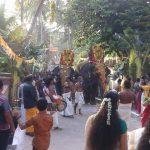
Devotees flock to this temple, considered one of the oldest in the Kanyakumari district, to seek spiritual liberation. The primary significance of this temple lies in its association with the Shivalaya Ottam, a grueling ritualistic pilgrimage undertaken during Shivaratri. According to local beliefs, offering prayers here helps in cleansing ancestral karma and attaining mental peace. The temple is the 10th in the sequence of the Shivalaya Ottam pilgrimage, making it a vital stop for devotees observing this vow.
Historical Origins & Scriptural Legend
Origins & Dynasty: The temple is deeply rooted in the history of the Travancore dynasty. It is situated in the erstwhile capital of Travancore, which adds a layer of historical grandeur to the spiritual site. While specific inscriptions regarding the exact century of construction are sparse in public records, local historians date the structure back to several centuries, marking it as a heritage site of immense value.
Scriptural & Oral Legends: According to temple records, the Shivalingam here is Swayambhu, meaning it emerged naturally from the earth rather than being carved by human hands. Tradition holds that the temple received patronage from the Travancore royal family, who commissioned the intricate stone carvings and sculptures that adorn the walls today. The presence of a separate shrine for Lord Vishnu to the south reflects the inclusive Vaishnavite influence within the region, showcasing the harmonious blend of Shaivism and Vaishnavism typical of Kanyakumari temples.
Architectural Marvels
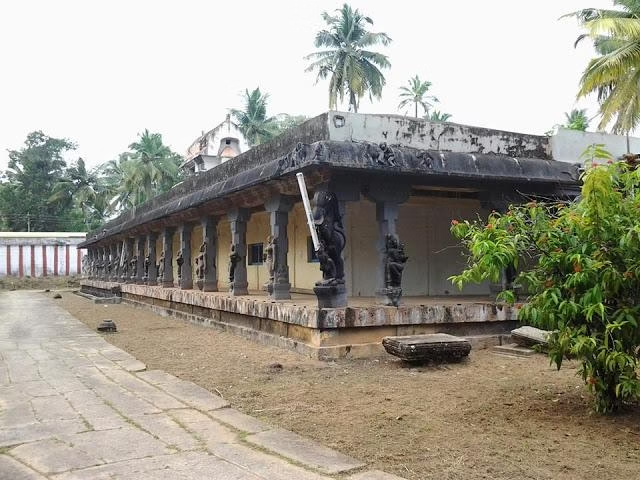
The Parithipani Mahadevar Temple is a classic example of Dravidian Architecture. The structure is constructed entirely of stone, characterized by its massive gopurams and detailed sculptural work.
Key Architectural Highlights:
- The Sanctum: A unique feature is the size of the idol; the Shivalingam is notably larger than the entrance of the sanctum (sanctum sanctorum), a phenomenon that baffles visitors and is attributed to divine mystery.
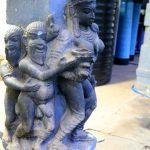
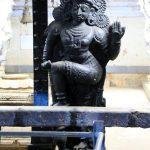
- Sculptures & Pillars: The mandapas (halls) feature pillars intricately sculpted with figures holding lamps (deepalakshana). These carvings depict various deities and mythological scenes.
- Flag Poles (Kodimaram): The temple complex houses two distinct Kodimarams—one dedicated to the Shiva shrine and another for the Vishnu shrine, indicating the dual worship practices.
- ASI & UNESCO Status: While the temple is a recognized heritage site under the purview of local administration, it maintains its ancient character without modern renovations altering its core structure.
Darshan & Ritual Logistics (2026 Update)
To facilitate a smooth pilgrimage experience, we have compiled the daily schedule and key festivals for 2026. The temple follows traditional timings, though it remains open longer during major festivals.
Daily Timings
| Session | Timing |
|---|---|
| Morning Darshan | 5:00 AM – 11:00 AM |
| Afternoon Break | 11:00 AM – 5:00 PM (Closed) |
| Evening Darshan | 5:00 PM – 8:00 PM |
| Special Note | Timings may extend during Shivaratri and Annual Festival. |
Key Sevas & Online Booking
Devotees can perform various Sevas like Abhishekam (sacred bathing of the lingam) and Archana (recitation of names). As of 2026, while many Tamil Nadu temples have digitized bookings, smaller heritage temples like Parithipani Mahadevar often manage bookings directly at the counter.
- Booking Method: It is recommended to contact the temple executive officer or visit the Tamil Nadu HR&CE website for updates on online services. For immediate booking, calling the local office is advised.
- Recommended Seva: Sahastranama Archana for general well-being.
2026 Major Festival Calendar
- Shivaratri: February 26, 2026 (Expect extended hours and special Abhishekam).
- Shivalaya Ottam: Late February/Early March 2026 (Exact date follows lunar calendar).
- Pradosham: 13th and 28th of every month (Monthly ritual).
- Thiruvathirai (Margazhi): December 2026 (Celebration of Lord Nataraja).
- Annual Temple Festival (Peruvizha): Typically December (Dates to be confirmed by temple office).
Practical Visitor Guidance
Visiting a heritage temple requires adherence to specific protocols to preserve its sanctity.
Dress Code & Etiquette
Visitors must dress modestly. Traditional Indian attire (Dhoti, Mundu, or Saree) is preferred. Men should remove shirts before entering the sanctum. Shorts and sleeveless tops are generally not permitted inside the inner prakaram.
Photography & Electronics
Photography is restricted inside the main sanctum. Mobile phones are allowed but must be kept on silent mode. There are no automated locker facilities; visitors are advised to carry minimal belongings.
Crowd Management & Seasonal Advice
- Best Hours: 7:00 AM to 9:00 AM is ideal for a peaceful Darshan, avoiding morning rituals.
- Peak Season: Avoid visiting during Shivaratri if you prefer to avoid massive crowds, unless participating in the Shivalaya Ottam.
- Accessibility: The temple grounds are uneven stone. Elderly visitors may need assistance. Taxis can get close to the temple gate, but private cars may need to park slightly away due to narrow streets.
- Weather: Kanyakumari can be humid. Carry a water bottle, especially if visiting between April and June.
Pilgrimage Connectivity
How to Reach
The temple is strategically located on the southern tip of India.
- By Road: Thiruvithamcode is 500 meters from the main bus stop. If driving via NH 47 towards Kanyakumari, take a right turn at Azhakiyamandapam. It is 3.5 km from Thuckalay and 16 km from Nagercoil.
- By Rail: The nearest railway station is Eraniel Railway Station (approx. 6 km away).
- By Air: The nearest airport is Trivandrum International Airport (TRV) in Kerala, which is approximately 60 km away.
Nearby Sacred Sites (Circuit)
Enhance your pilgrimage by visiting these nearby spiritual centers:
- Thiruvattar Temple: Located about 13 km away, known for its natural moat and dedicated to Lord Siva.
- Udayagiri Temple (Thuckalay): Famous for its rock-cut architecture and Jain relics.
- Kanyakumari Amman Temple: The southernmost tip, approximately 40 km away.
Photo Gallery







Frequently Asked Questions (FAQ)
1. Is there a VIP or special entry darshan available?
As a heritage temple, VIP darshan is not typically defined by separate queues. However, devotees performing specific Sevas (like Abhishekam) receive priority access during the ritual times.
2. Is the temple accessible for wheelchair users?
The temple is built of stone with traditional steps. While the outer corridors are somewhat accessible, the inner sanctum requires climbing stairs, which may pose a challenge for wheelchair users.
3. What is the significance of the Shivalaya Ottam here?
This temple is the 10th stop in the 12-temple circuit of Shivalaya Ottam. Completing this circuit is believed to wash away sins and grant Moksha (liberation). It is a rigorous physical and spiritual exercise performed during Shivaratri.
4. Are there accommodation facilities near the temple?
There are no guest houses within the temple complex. However, ample lodging options are available in Thuckalay and Nagercoil, ranging from budget lodges to star hotels.
5. What is the best time to visit for a peaceful experience?
Weekdays between 8:00 AM and 10:00 AM offer the most tranquil environment. Avoid Sundays and public holidays when local devotees flock to the temple.
Recent Posts

ओ सांवरे तूने ही मुझको संभाला – Lyrics & Meaning
ओ सांवरे तूने ही मुझको संभाला – A Prayer to Shyam Origin & Spiritual Essence Why This Bhajan Resonates Devotees chant this when overwhelmed by life’s storms—the refrain ‘तूने ही मुझको संभाला’ is the soul’s sigh of relief: “You…

कथा ये है महाराज मेरे की – Lyrics & Meaning
कथा ये है महाराज मेरे की छत्रपति संभाजी महाराज – A Prayer to Chhatrapati Sambhaji Maharaj Origin & Spiritual Essence Why This Bhajan Resonates Devotees chant this when their spirit feels tested—its powerful refrain “महाराज मेरे” is a soul’s…

Rigveda Samhita Yathartha Anuvada (ऋग्वेद संहिता यथार्थ अनुवाद) – Complete Set with Anvayartha & Hindi/English Translation
The Rigveda is the oldest surviving scripture of humanity and the foundational text of Sanātana Dharma. For serious students, scholars, UPSC aspirants studying ancient Indian history, Sanskrit learners, and spiritual seekers, a precise and grammatically structured translation is indispensable.…

आना भी अकेला है जाना भी अकेला है – Lyrics & Meaning | BharatTemples
आना भी अकेला है जाना भी अकेला है – A Prayer to the Divine Witness Origin & Spiritual Essence Why This Bhajan Resonates Devotees turn to this bhajan in moments of deep reflection—when life’s attachments begin to ache. The…

माता शेरावाली के द्वार जो भी जाता है – Lyrics & Meaning
माता शेरावाली के द्वार जो भी जाता है – A Prayer to Maa Sherawali Origin & Spiritual Essence Why This Bhajan Resonates Devotees turn to this bhajan in times of fear or uncertainty—its promise that no one leaves Maa’s…

मार लेना सपणी उबार लेणा भवरा – Lyrics & Meaning
मार लेना सपणी उबार लेणा भवरा – A Prayer to the Divine Beloved Origin & Spiritual Essence Why This Bhajan Resonates Devotees chant this in moments of deep vulnerability—its cry of “मार लेना सपणी, उबार लेणा भवरा” is the…

हमें श्याम सुंदर भरोसा तुम्हारा – Lyrics & Meaning
हमें श्याम सुंदर भरोसा तुम्हारा – A Prayer to Shyam Sundar Origin & Spiritual Essence Why This Bhajan Resonates Devotees chant this when feeling alone—its refrain ‘de do sahara’ is the soul’s cry for divine support. Lyrics in Hindi…

Mere Satguru Ne Di Thi Davai Lyrics in Hindi & Meaning
Mere Satguru Ne Di Thi Davai: Invoking the Guru’s Liberating Wisdom This soul-stirring bhajan venerates the Satguru (True Spiritual Master) as the divine physician who dispenses the only remedy for life’s deepest sufferings. Composed by Sant Karmaveer Tufani, it…

Janm Diyo Thari Maa Dukh Dekhiyo Lyrics in Hindi & Meaning
जन्म दियो थारी माँ दुख देखियो (Maa’s Grief Upon Birthing You) This soul-stirring Chetavani Bhajan (admonitory hymn) is addressed to the Divine Mother (Maa) – a call for repentance when children forget their filial duties in the dark age…
Bhadi Sabha Mein Thane Manaun Lyrics in Hindi & Meaning
Bhadi Sabha Mein Thane Manaun: Invoking the Spear-Wielding Mother Mata Bhawani (श्री ज्वाला भवानी), the fiery manifestation of Shakti worshipped as the Protector of Dharma in Her Dhaulagarh sanctum. Origin & Spiritual Essence Composed in Rajasthani folk tradition by…