Parthasarathy Temple Parthivapuram: History, Darshan Timings & Guide

Receive daily temple updates, divine darshan, and morning bhajans directly on WhatsApp.
Contents
- 1 Introduction & Spiritual Essence
- 2 Historical Origins & Scriptural Legend
- 3 Architectural Marvels
- 4 Darshan & Ritual Logistics
- 5 Practical Visitor Guidance
- 6 Pilgrimage Connectivity
- 7 Photography Gallery
- 8 Frequently Asked Questions (FAQs)
Introduction & Spiritual Essence
Located in the serene village of Parthivapuram in the Kanyakumari district of Tamil Nadu, the Parthasarathy Temple stands as a monumental testament to Dravidian heritage and unwavering devotion. This ancient shrine is dedicated to Lord Parthasarathy, a form of Lord Vishnu, who served as the charioteer (Sarthi) to Arjuna during the epic Kurukshetra war in the Mahabharata. Here, the deity is depicted with a mustache and holds a whip in the right hand and a conch in the left, representing his role as the guiding charioteer.
Phalaśruti: The Boon of Visiting
Devotees flock to this temple to seek the blessings of Gopala Krishna (Parthasarathy). It is widely believed that sincere prayers here help in cleansing ancestral karma and removing obstacles in marriage and career prospects. Unlike many modern temples, this shrine remains untainted by commercialization, preserving the sanctity of the spiritual experience.
Historical Origins & Scriptural Legend
The temple’s origins are deeply rooted in the early medieval period, reflecting the grandeur of the region’s historical dynasties.
The Builders and the Era
According to temple records and inscriptions, the temple was constructed in the 9th Century AD (specifically around AD 864-865). It was built by the revered King Ko Karunandadakkan, a local chieftain. Notably, Parthivapuram was historically recognized as one of the four premier educational centers (Salas) in ancient Kerala-Tamilakam, alongside Kanthaloor, Thiruvalla, and Moozhikulam.
📖 Related: Kari Krishna Perumal Temple: Thiruayarpadi History, Darshan Timings & Guide
Scriptural and Local Legends
While the temple follows the rituals of the Thenkalai sect of Sri Vaishnavism, the local sthala purana highlights the sanctity of the land. The name “Parthivapuram” translates to “City of Earth” (Parthivi), suggesting that the land itself is considered divine. Tradition holds that the sage Parasurama, the creator of Kerala, consecrated the area, making it spiritually potent for meditation and worship.
Architectural Marvels
The Parthasarathy Temple is a masterpiece of Dravidian Architecture. It was officially declared a protected monument by the Archaeological Survey of India (ASI), ensuring its preservation for future generations.
Structural Design
- Gopuram: The temple features a striking gateway tower (Rajagopuram) that dominates the skyline.
- Mandapas: The pillared hall (Mandapa) showcases intricate carvings depicting scenes from the Ramayana and Mahabharata. The ceiling is adorned with lotus motifs typical of Dravidian style.
- The Sanctum: The inner sanctum (Garbhagriha) is designed to allow a clear view of the deity from the entrance courtyard.
Interestingly, the temple premises do not house a Hundi (offering box), a unique distinction that emphasizes the temple’s focus on spiritual service rather than revenue.
Darshan & Ritual Logistics
To facilitate a smooth pilgrimage, the temple follows a strict daily schedule. Note that timings may vary slightly during festival days.
Daily Darshan Timings
| Session | Opening Time | Closing Time |
|---|---|---|
| Morning | 05:00 AM | 10:00 AM |
| Evening | 05:00 PM | 07:00 PM |
Key Sevas & Offerings
While the temple is managed traditionally, devotees can participate in the following rituals:
- Abhishekam: Ritual bathing of the deity (usually performed during morning hours).
- Archana: Recitation of holy names (available at the counter).
- Thirumanjanam: Special puja for the processional deity.
📖 Related: Meenakshi Temple, Madurai: History, Darshan Timings & Complete Guide
Note on Online Booking: While dedicated online seva booking portals for this specific ASI monument may not be as prevalent as state-managed temples, it is advisable to check the Archaeological Survey of India (ASI) official website or the Tamil Nadu Tourism portal for updated heritage tour packages and darshan slots.
2026 Major Festivals
The annual festival is the highlight of the temple’s calendar.
- Thiru Onam (Grand Festival): Falls in the Malayalam month of Chingam (August/September). The festival spans 10 days, starting from Atham and concluding on Thiruvonam.
Projected 2026 Dates: August 25th – September 4th (Tentative). - Ekadasi: Observed with special significance every month.
- Krishna Jayanthi & Deepavali: Celebrated with special Sahasranama Archana.
Practical Visitor Guidance
As a protected archaeological site, certain protocols must be followed to preserve the monument.
Dress Code & Etiquette
- Dress Code: Traditional attire is recommended (Dhoti/Saree). Western clothing should be modest and respectful.
- Photography: Photography is generally permitted in the outer courtyards and mandapas but is strictly prohibited inside the inner sanctum (Garbhagriha).
- Lockers: There are no automated mobile lockers. It is advisable to travel light and keep valuables secure.
Crowd Management & Seasonal Advice
- Best Time to Visit: Early mornings (5:30 AM – 7:00 AM) offer the most peaceful darshan.
- Weather: The Kanyakumari district experiences tropical heat. If visiting in May or summer, carry plenty of water. Monsoon (June-November) brings lush greenery but requires rain gear.
Pilgrimage Connectivity
The temple is well-connected by road, situated on the scenic Marthandam-Thengapattanam highway.
How to Reach
- By Air: The nearest airport is Trivandrum International Airport (TRV), approximately 46 km away.
- By Rail: The nearest railway station is Kuzhithurai (approx. 9 km). Kanniyakumari Railway Station is about 55 km away.
- By Road: The temple is located about 9 km from Kollemcode, 33 km from Nagercoil, and 55 km from Kanyakumari. It lies on the route connecting Marthandam to Thengapattanam via State Highway.
📖 Related: Venugopala Perumal Temple Palani: History, Darshan Timings & Guide
Nearby Sacred Sites
Extend your pilgrimage circuit by visiting these nearby landmarks:
- Mata Amritanandamayi Math (Amritapuri): Located in Kollam (approx. 40 km), the global headquarters of the Amma organization.
- Udayagiri Temple: A cave temple dedicated to Lord Murugan located near Kanyakumari.
- Thiruvalluvar Statue: A monumental sculpture near Kanyakumari honoring the ancient Tamil poet and philosopher.
Photography Gallery
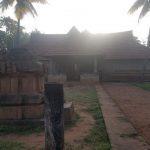
2017-09-26 (6), Parthasarathy Temple, Parthivapuram, Kanyakumari
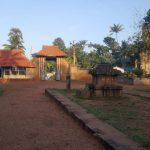
2017-09-26 (3), Parthasarathy Temple, Parthivapuram, Kanyakumari
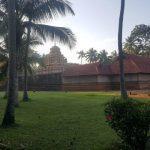
2017-09-26 (7), Parthasarathy Temple, Parthivapuram, Kanyakumari
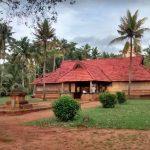
5465464, Parthasarathy Temple, Parthivapuram, Kanyakumari
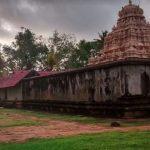
5457365, Parthasarathy Temple, Parthivapuram, Kanyakumari
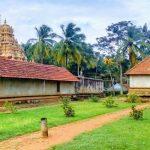
5654654654, Parthasarathy Temple, Parthivapuram, Kanyakumari
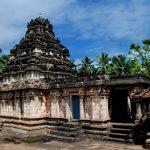
parthasarathi_temple-o, Parthasarathy Temple, Parthivapuram, Kanyakumari
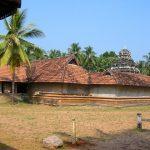
IMG_0232, Parthasarathy Temple, Parthivapuram, Kanyakumari
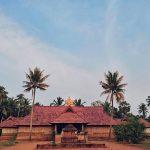
Parthasarathi_and_Krishna_Temples,_Parthivapuram._Kanyakumari
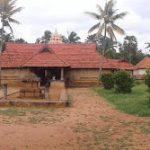
56437658, Parthasarathy Temple, Parthivapuram, Kanyakumari
Frequently Asked Questions (FAQs)
1. What is the architectural style of Parthasarathy Temple?
The temple features the classic Dravidian architectural style, characterized by its towering gopurams, pillared mandapas, and intricate stone carvings. It is an ASI-protected site, ensuring its structural integrity.
2. Is there a VIP darshan entry available?
As an ASI-protected monument, there is no commercialized VIP darshan system. The temple follows a traditional approach where all devotees are treated equally. However, during the annual Onam festival, special arrangements are made for devotees.
3. What are the significance of the deity’s whip and conch?
The deity holds a whip in the right hand, symbolizing his role as the charioteer who controlled the reins of the horses, and a conch in the left, representing the divine sound of auspiciousness and the call to battle.
4. Is there an entry fee to visit the temple?
No, there is no entry fee to visit the temple. However, as the temple has no hundi, you can support the maintenance through voluntary donations to the ASI or by purchasing official guides/books if available.
5. What is the best time to visit Kanyakumari for this temple?
The ideal time is between October and March when the weather is pleasant. However, visiting during the Thiru Onam festival (August/September) offers a unique cultural experience, though the crowd will be significantly larger.