
Contents
1. Introduction & Spiritual Essence
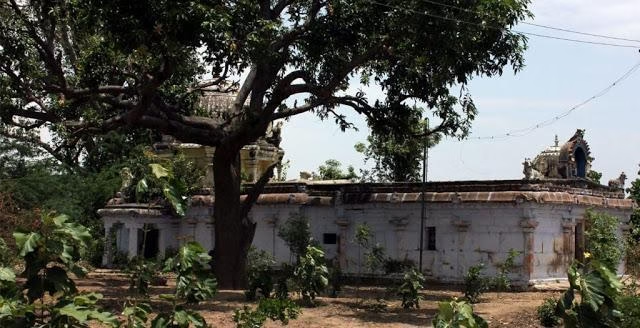
Nestled amidst serene Teak groves and Mango orchards in the heart of the Trichy district, the Pasupatheeswarar Temple stands as a timeless testament to Dravidian spirituality and Chola heritage. Also revered as the Nakkan Temple, this ancient shrine is dedicated to Lord Shiva in his form as Pasupatheeswarar (The Lord of Beasts).
Phalaśruti: The Divine Benefits
Devotees flock to this sanctum to seek the blessings of the Pasupathinath, the protector of all living beings. According to spiritual beliefs, offering sincere prayers here aids in:
- Protection from Enemies: The energy of this temple is known to shield devotees from external negative influences and enmity.
- Ancestral Cleansing: Performing rites here is believed to help cleanse ancestral karma (Pitru Dosha), ensuring peace for forefathers.
- Marital Harmony: As the consort here is Goddess Parvathi, seeking her blessings alongside Pasupatheeswarar is said to foster understanding and longevity in marital life.
2. Historical Origins & Scriptural Legend
While the specific dates of construction are etched in the annals of time, the architectural grandeur suggests a glorious past rooted in the Chola Dynasty. According to temple records and inscriptions found within the complex, the structure was significantly patronized during the era of Parantaka Chola.
The Sthala Purana
Tradition holds that this location was once a dense forest (Kadu) teeming with wildlife. Lord Shiva, having assumed the role of the Pasupathi (Master of animals), resided here to bless the sages and the creatures dwelling in this grove. The presence of distinct sculptures of animals, monkeys, and Yalis (mythical creatures) surrounding the sanctum speaks volumes of this legend. It is said that the divine protector guarded the forest dwellers, which led to the presiding deity being named Pasupatheeswarar.
3. Architectural Marvels
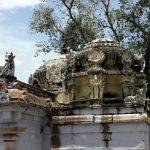
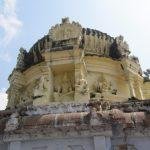
The Pasupatheeswarar Temple is a classic example of early Dravidian architecture. The temple faces east, aligning with the rising sun, symbolizing enlightenment. The sanctum sanctorum (Garbhagriha) houses the Shiva Lingam, while the shrine of the Goddess, Mother Parvathi, faces south—a typical orientation in Shiva temples.
Notable Sculptural Features:
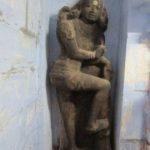
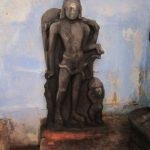
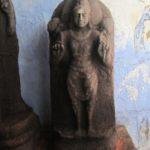
- Artha Mandapam (Antechamber): The north-east corner houses exquisitely carved sculptures of Karthikeya, Surya (Sun God), Bikshadana (the wandering ascetic form of Shiva), and Ayyanar.
- Row of Bootha Ganas: A mesmerizing row of dwarf spirits guards the outer corridors.
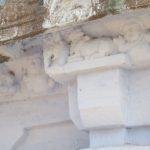
- Animal Sculptures: Distinct from standard temple iconography, here you will find rows of monkeys in a praying posture and women in sleeping postures, reflecting a unique artistic freedom and storytelling style.
Adjacent to the temple is a sacred tank, vital for the rituals performed here. The structural integrity relies on the heavy masonry typical of Chola construction, designed to withstand centuries of monsoon and heat.








4. Darshan & Ritual Logistics
To ensure a spiritual experience, devotees are encouraged to plan their visit according to the daily rituals. While timings can vary slightly based on local temple committee updates, the following schedule generally applies.
Daily Timings
| Ritual / Session | Timing |
|---|---|
| Temple Opening | 07:00 AM |
| Morning Pooja / Abhishekam | 07:30 AM – 09:30 AM |
| Mid-day Closure | 12:00 PM – 04:00 PM |
| Evening Darshan | 04:00 PM – 07:30 PM |
| Arthajama Pooja (Closing) | 07:30 PM |
Key Sevas (Rituals) & Booking
Devotees can participate in various Sevas. While on-the-spot registration is available for general Darshan, specific Sevas often require prior booking:
- Abhishekam (Ritual Bathing): Performed daily in the morning. Items provided include milk, honey, and sacred ash.
- Archana (Chanting of Names): A 15-minute session where the priest chants the names of the deity.
- Ardha Jama (Special Night Pooja): Conducted on Fridays and special lunar days.
Online Seva Booking: As of 2026, the Tamil Nadu Hindu Religious & Charitable Endowments (HR&CE) department manages bookings. Visit the official HR&CE website or the Pasupatheeswarar Temple dedicated page on the Arulmigu app to book Abhishekam or Archana slots in advance.
2026 Festival Dates
Major festivals are celebrated with immense fervor:
- Mahashivratri: February 26, 2026 (Special night-long vigil and Abhishekam).
- Ardra Darshan: January 6, 2026 (Celebrating the cosmic dance of Shiva).
- Navaratri: September 22 – October 1, 2026 (Nine nights dedicated to Goddess Parvathi).
- Arudra Darshanam: December 25, 2026.
5. Practical Visitor Guidance
Dress Code & Etiquette
Traditional attire is strictly followed. Men should wear Veshti (dhoti) and shirt, or formal pants. Women are requested to wear sarees, salwar kameez, or traditional long skirts. Shorts and sleeveless tops are prohibited within the sanctum.
Photography & Electronics
Photography is generally permitted in the outer corridors but strictly prohibited inside the main sanctum. Mobile phones should be switched to silent mode. There are no dedicated locker facilities on-site, so travel light.
Crowd Management & Seasonal Advice
- Best Time to Visit: The temple opens at 7:00 AM. The morning darshan is usually peaceful. However, for a cooler experience, visit between October and February.
- Summer (April – June): Carry a water bottle and an umbrella, as the open courtyards can get hot. Prasadam (holy food) water is available near the temple tank.
- Accessibility: The temple has a single-level layout, making it accessible for elderly devotees, though sand/dust paths surround the temple tank.
6. Pilgrimage Connectivity
Allur is well-connected to major hubs in Trichy, making it an easy day trip from the city center.
How to Reach
- By Air: The nearest airport is Trichy International Airport (TIR), located approximately 21 km away (about 45 mins by car via NH 83).
- By Rail: The closest railway station is Mekkudi Railway Station (approx. 250 meters from the temple). Alternatively, Trichy Central Railway Station is 14 km away.
- By Road: Allur is located off the Trichy – Lalgudi route. The temple is 1.5 km from the Allur Bus Stand. Major Bus Stands: Chatram Bus Stand (9 km) and Trichy Central (13 km).
Nearby Sacred Sites (Pilgrimage Circuit)
While visiting Allur, devotees can also visit the following nearby temples to complete the spiritual circuit:
- Sri Angala Eswaram Temple (Allur): Located just a short distance away, this is the other Shiva temple in the village.
- Mukkombu (Puliyancholai Dam): A scenic spot located 7 km away, ideal for family picnics and a holy dip in the Kaveri waters.
- Srirangam Ranganathaswamy Temple: Located 12 km away, this is one of the largest functioning Hindu temples in the world and a must-visit Ranganathar shrine.
7. Frequently Asked Questions (FAQ)
1. What is the primary deity of the temple?
The presiding deity is Pasupatheeswarar (a form of Lord Shiva), and the goddess is Parvathi. The temple is also locally known as the Nakkan Temple.
2. Is there a VIP or special entry darshan available?
Currently, there is no separate VIP entry gate. All devotees stand in a single queue for Moolavar darshan. However, booking an Abhishekam allows you to enter the sanctum closer to the ritual time.
3. What are the parking facilities like?
As a heritage site, dedicated parking is limited. Visitors usually park their vehicles along the road leading to the temple or in the open grounds nearby. It is advisable to arrive early, especially during weekends.
4. Is the temple open for 24 hours?
No, the temple strictly follows the timings listed above. It closes mid-day (12:00 PM to 4:00 PM) for resting rituals.
5. Can I perform ancestral rites (Pinda Pradhanam) here?
Yes, the temple atmosphere is conducive for ancestral offerings. Devotees can perform rituals for their forefathers near the temple tank or in the designated areas outside the main sanctum by contacting the resident priest.
Recent Posts

Shri Kaamkoteeshwar Mandir, Varanasi – History & Significance
In the heart of Kashi, the eternal city of Lord Shiva, where the Ganges flows with celestial grace, stands the Shri Kaamkoteeshwar Mandir. This sacred Sannidhi is not merely a temple but a profound spiritual bridge between the Northern…

ओ सांवरे तूने ही मुझको संभाला – Lyrics & Meaning
ओ सांवरे तूने ही मुझको संभाला – A Prayer to Shyam Origin & Spiritual Essence Why This Bhajan Resonates Devotees chant this when overwhelmed by life’s storms—the refrain ‘तूने ही मुझको संभाला’ is the soul’s sigh of relief: “You…

कथा ये है महाराज मेरे की – Lyrics & Meaning
कथा ये है महाराज मेरे की छत्रपति संभाजी महाराज – A Prayer to Chhatrapati Sambhaji Maharaj Origin & Spiritual Essence Why This Bhajan Resonates Devotees chant this when their spirit feels tested—its powerful refrain “महाराज मेरे” is a soul’s…

Rigveda Samhita Yathartha Anuvada (ऋग्वेद संहिता यथार्थ अनुवाद) – Complete Set with Anvayartha & Hindi/English Translation
The Rigveda is the oldest surviving scripture of humanity and the foundational text of Sanātana Dharma. For serious students, scholars, UPSC aspirants studying ancient Indian history, Sanskrit learners, and spiritual seekers, a precise and grammatically structured translation is indispensable.…

आना भी अकेला है जाना भी अकेला है – Lyrics & Meaning | BharatTemples
आना भी अकेला है जाना भी अकेला है – A Prayer to the Divine Witness Origin & Spiritual Essence Why This Bhajan Resonates Devotees turn to this bhajan in moments of deep reflection—when life’s attachments begin to ache. The…

माता शेरावाली के द्वार जो भी जाता है – Lyrics & Meaning
माता शेरावाली के द्वार जो भी जाता है – A Prayer to Maa Sherawali Origin & Spiritual Essence Why This Bhajan Resonates Devotees turn to this bhajan in times of fear or uncertainty—its promise that no one leaves Maa’s…

मार लेना सपणी उबार लेणा भवरा – Lyrics & Meaning
मार लेना सपणी उबार लेणा भवरा – A Prayer to the Divine Beloved Origin & Spiritual Essence Why This Bhajan Resonates Devotees chant this in moments of deep vulnerability—its cry of “मार लेना सपणी, उबार लेणा भवरा” is the…

हमें श्याम सुंदर भरोसा तुम्हारा – Lyrics & Meaning
हमें श्याम सुंदर भरोसा तुम्हारा – A Prayer to Shyam Sundar Origin & Spiritual Essence Why This Bhajan Resonates Devotees chant this when feeling alone—its refrain ‘de do sahara’ is the soul’s cry for divine support. Lyrics in Hindi…

Mere Satguru Ne Di Thi Davai Lyrics in Hindi & Meaning
Mere Satguru Ne Di Thi Davai: Invoking the Guru’s Liberating Wisdom This soul-stirring bhajan venerates the Satguru (True Spiritual Master) as the divine physician who dispenses the only remedy for life’s deepest sufferings. Composed by Sant Karmaveer Tufani, it…

Janm Diyo Thari Maa Dukh Dekhiyo Lyrics in Hindi & Meaning
जन्म दियो थारी माँ दुख देखियो (Maa’s Grief Upon Birthing You) This soul-stirring Chetavani Bhajan (admonitory hymn) is addressed to the Divine Mother (Maa) – a call for repentance when children forget their filial duties in the dark age…