
Contents
- 1 The Definitive Pilgrimage Guide to Pitreshwar Temple, Varanasi
The Definitive Pilgrimage Guide to Pitreshwar Temple, Varanasi
Introduction & Spiritual Essence
Nestled in the ancient bylanes of Kashi (Varanasi), the Pitreshwar Temple stands as a profound spiritual beacon for devotees seeking connection with their lineage. The presiding deity here is Pitreshwar, a manifestation of Lord Shiva. In the pantheon of Vedic deities, Pitras (ancestors) hold a revered place, and this temple is uniquely dedicated to their pacification and blessings.
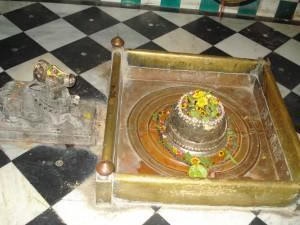
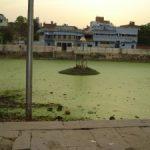
Unlike other Shiva temples in Kashi, Pitreshwar is intrinsically linked to the sanctity of Pitri Kund (or Pitar Kund). According to local tradition, the Shiva Lingam here is a Swayambhu (self-manifested) structure emerging from the bedrock near the pond.
Phalaśruti: The Spiritual Benefits
Devotees visit this temple primarily to perform rituals for their ancestors. The scripture Kashi Khand of the Skanda Purana promises specific benefits:
- Resolution of Pitri Dosha: Removing obstacles in life caused by ancestral displeasure.
- Sanjivani (Life & Vitality): Rituals performed here are believed to bestow long life and health.
- Peace of Forefathers: It is believed that worshiping Pitreshwar Ling brings happiness to the ancestors, ensuring their blessings flow uninterrupted to the devotee.
Historical Origins & Scriptural Legend
The history of Pitreshwar Temple is deeply embedded in the fabric of Kashi Khand (Chapter 97). Legend holds that Goddess Parvati once asked Lord Shiva to describe the various Shiv Lings and deities located in Kashi. In response, Shiva revealed the existence of the Pitreshwar Ling near Pitri Kund.
While exact construction dates for many ancient Kashi shrines are lost to time due to centuries of destruction and reconstruction, the sthalapurana (local history) suggests the temple’s sanctity has remained unbroken for millennia. The current structure, like many in Varanasi, features elements of medieval North Indian temple architecture, rebuilt and renovated over generations by devout locals. It stands as a testament to the enduring Hindu tradition of honoring the Pitras (forefathers) in the holiest of cities.
Architectural Marvels
The architecture of Pitreshwar Temple is a classic example of the Nagara style, adapted to the intimate, vertical layout typical of Varanasi’s dense urban fabric.
- The Shikhara: The temple features a towering Shikhara (spire) that rises above the adjoining buildings, guiding pilgrims visually. It is capped with a Amalaka (disk-like ornament), symbolizing the sun and cosmic order.
- The Sanctum (Garbhagriha): The inner sanctum houses the Shiva Lingam. The design minimizes external light, focusing the devotee’s attention inward toward the dark, formless representation of the divine.
- The Mandapa: A pillared hall (Mandapa) precedes the sanctum, allowing for congregational prayers. The stone flooring here is worn smooth by centuries of pilgrim footfall.
- Sacred Geometry: The layout adheres to the principles of Vastu Shastra, aligning the temple axis with cardinal directions to maximize energy flow. The adjoining Pitri Kund acts as a water reservoir, balancing the earth element (Prithvi) with the structure.
Darshan & Ritual Logistics
Visiting Pitreshwar is a somber, reflective experience. The atmosphere is often hushed compared to the boisterous temples of the main ghats.
Daily Timings
Note: Temple timings may vary slightly during festivals or seasonal changes. It is advisable to confirm locally one day prior.
| Session | Timings | Activity |
|---|---|---|
| Morning | 5:00 AM – 12:00 PM | Morning Abhishekam & Darshan |
| Afternoon | 12:00 PM – 4:00 PM | Temple Closed |
| Evening | 4:00 PM – 9:00 PM | Evening Aarti & Shayan Darshan |
Key Sevas and Online Booking
While many rituals are performed at the adjacent Pitri Kund, specific Sevas can be offered at the temple:
- Abhishekam: Ritual bathing of the Shiva Lingam (usually performed with milk, honey, and ghee).
- Rudrabhishek: A elaborate Vedic chanting ritual for peace and prosperity.
- Shraddha / Pinda Pradaan: Though strictly performed at the Kund, the temple priests assist in the liturgical process.
Booking: For 2026, many Varanasi temples are adopting digital systems. However, for smaller shrines like Pitreshwar, online booking is less common. It is recommended to arrange rituals directly with the temple Pandits on arrival. For larger organized ceremonies, devotees can visit the official Kashi Vishwanath Temple Trust portal for general guidance on priest services in the area.
2026 Major Festival Dates
- Maha Shivaratri: February 26, 2026 (Grand night-long vigil).
- Pitru Paksha: September 7 – September 21, 2026 (The most significant time to visit Pitreshwar Temple for ancestral rites).
- Shravan Month: July 14 – August 11, 2026 (Special Shringar Darshan of the deity).
Practical Visitor Guidance
Varanasi can be intense, especially for first-time pilgrims. Here is what you need to know for a seamless visit to Pitreshwar Temple.
- Dress Code: Traditional attire is encouraged. Men should wear Dhoti or Kurta-Pyjama; women should wear Saree or Salwar Kameez. Avoid shorts and sleeveless tops as a mark of respect.
- Photography: Photography is generally prohibited inside the inner sanctum. Exterior photography is usually permitted, but always ask the temple priests first.
- Mobile & Lockers: Phones should be on silent mode. Large backpacks are not allowed; however, small mobile lockers are available at shops near Maldahiya Loha Mandi, the starting point for the walk to the temple.
- Accessibility: The temple is located in a narrow lane. The path involves uneven stone steps. It is not wheelchair accessible. Please exercise caution while walking.
Crowd Management & Best Times to Visit
The temple is relatively quieter during weekdays. However, during Pitru Paksha (Sep 2026), the area sees a surge of pilgrims performing Shraddha.
- Best Hours: 6:00 AM (Early morning) or 6:00 PM (Evening Aarti).
- Seasonal Advice: Varanasi summers (May–June) are scorching. Carry a water bottle and a cloth to cover your head. In the monsoon (July–Aug), the lanes become slippery; wear rubber-soled sandals.
Pilgrimage Connectivity
Pitreshwar Temple is located near Pitar Kunda, close to the famous Maldahiya market and Vishwanath Gali.
How to Reach
- Air: Lal Bahadur Shastri International Airport (LBS) is approximately 25 km away. Taxis and cabs are available to Maldahiya (approx. 45-60 mins).
- Rail: Varanasi Junction (BSB) is the nearest major railway station (approx. 5 km).
- Road: The temple is accessible via NH 19 and Varanasi’s Ring Road. From Maldahiya Loha Mandi, the temple is a short walk (10-15 mins) through the local market.
Nearby Sacred Sites
Extend your pilgrimage with these nearby holy destinations:
- Kashi Vishwanath Temple (New): The main Jyotirlinga, located about 1.5 km away via the Vishwanath Corridor.
- Pishach Mochan Temple: A legendary temple associated with the freedom fighter Baba Raghavdas, located just a few minutes’ walk from Pitreshwar.
- Sankat Mochan Hanuman Temple: Located 2 km away on the banks of the Assi Ghat, known for liberating devotees from troubles.
Photo Gallery
Frequently Asked Questions (FAQs)
Is there a VIP darshan entry at Pitreshwar Temple?
Given the intimate size of the shrine, there is no formal VIP entry like in larger temples. However, visiting during off-peak hours (early morning or late evening) ensures a private, unhurried darshan.
Can I perform Shradh rituals directly at the temple?
While the temple is dedicated to Pitreshwar (Lord of Ancestors), the primary rituals of Pinda Pradaan are performed at the adjacent Pitri Kund. The temple priests coordinate these rituals. It is advisable to arrive before 10 AM to complete the rites at the Kund and then offer prayers at the temple.
What is the significance of the water in Pitri Kund?
The water in Pitri Kund is considered Tirtha (sacred water). It is believed that offering this water to ancestors (Tarpan) facilitates their journey to the celestial realm and brings them peace.
Are there accommodation facilities nearby?
Yes, the area around Maldahiya and Godaulia offers numerous Dharamshalas and guest houses. For a more comfortable stay, devotees can choose hotels near the Vishwanath Corridor.
Is non-vegetarian food allowed in the vicinity?
Varanasi is a strictly vegetarian city. No meat, fish, or alcohol is permitted within the temple precincts or the surrounding old city area.
Recent Posts

ओ सांवरे तूने ही मुझको संभाला – Lyrics & Meaning
ओ सांवरे तूने ही मुझको संभाला – A Prayer to Shyam Origin & Spiritual Essence Why This Bhajan Resonates Devotees chant this when overwhelmed by life’s storms—the refrain ‘तूने ही मुझको संभाला’ is the soul’s sigh of relief: “You…

कथा ये है महाराज मेरे की – Lyrics & Meaning
कथा ये है महाराज मेरे की छत्रपति संभाजी महाराज – A Prayer to Chhatrapati Sambhaji Maharaj Origin & Spiritual Essence Why This Bhajan Resonates Devotees chant this when their spirit feels tested—its powerful refrain “महाराज मेरे” is a soul’s…

Rigveda Samhita Yathartha Anuvada (ऋग्वेद संहिता यथार्थ अनुवाद) – Complete Set with Anvayartha & Hindi/English Translation
The Rigveda is the oldest surviving scripture of humanity and the foundational text of Sanātana Dharma. For serious students, scholars, UPSC aspirants studying ancient Indian history, Sanskrit learners, and spiritual seekers, a precise and grammatically structured translation is indispensable.…

आना भी अकेला है जाना भी अकेला है – Lyrics & Meaning | BharatTemples
आना भी अकेला है जाना भी अकेला है – A Prayer to the Divine Witness Origin & Spiritual Essence Why This Bhajan Resonates Devotees turn to this bhajan in moments of deep reflection—when life’s attachments begin to ache. The…

माता शेरावाली के द्वार जो भी जाता है – Lyrics & Meaning
माता शेरावाली के द्वार जो भी जाता है – A Prayer to Maa Sherawali Origin & Spiritual Essence Why This Bhajan Resonates Devotees turn to this bhajan in times of fear or uncertainty—its promise that no one leaves Maa’s…

मार लेना सपणी उबार लेणा भवरा – Lyrics & Meaning
मार लेना सपणी उबार लेणा भवरा – A Prayer to the Divine Beloved Origin & Spiritual Essence Why This Bhajan Resonates Devotees chant this in moments of deep vulnerability—its cry of “मार लेना सपणी, उबार लेणा भवरा” is the…

हमें श्याम सुंदर भरोसा तुम्हारा – Lyrics & Meaning
हमें श्याम सुंदर भरोसा तुम्हारा – A Prayer to Shyam Sundar Origin & Spiritual Essence Why This Bhajan Resonates Devotees chant this when feeling alone—its refrain ‘de do sahara’ is the soul’s cry for divine support. Lyrics in Hindi…

Mere Satguru Ne Di Thi Davai Lyrics in Hindi & Meaning
Mere Satguru Ne Di Thi Davai: Invoking the Guru’s Liberating Wisdom This soul-stirring bhajan venerates the Satguru (True Spiritual Master) as the divine physician who dispenses the only remedy for life’s deepest sufferings. Composed by Sant Karmaveer Tufani, it…

Janm Diyo Thari Maa Dukh Dekhiyo Lyrics in Hindi & Meaning
जन्म दियो थारी माँ दुख देखियो (Maa’s Grief Upon Birthing You) This soul-stirring Chetavani Bhajan (admonitory hymn) is addressed to the Divine Mother (Maa) – a call for repentance when children forget their filial duties in the dark age…
Bhadi Sabha Mein Thane Manaun Lyrics in Hindi & Meaning
Bhadi Sabha Mein Thane Manaun: Invoking the Spear-Wielding Mother Mata Bhawani (श्री ज्वाला भवानी), the fiery manifestation of Shakti worshipped as the Protector of Dharma in Her Dhaulagarh sanctum. Origin & Spiritual Essence Composed in Rajasthani folk tradition by…