Pramoda Vinayak Temple, Varanasi: History, Darshan Timings & Guide
Receive daily temple updates, divine darshan, and morning bhajans directly on WhatsApp.
Contents
- 1 Introduction & Spiritual Essence
- 2 Historical Origins & Scriptural Legend
- 3 Architectural Marvels
- 4 Darshan & Ritual Logistics
- 5 Practical Visitor Guidance
- 6 Pilgrimage Connectivity
- 7 Frequently Asked Questions (FAQ)
- 7.1 1. Is there a VIP Darshan entry at Pramoda Vinayak Temple?
- 7.2 2. Can I perform Abhishekam myself?
- 7.3 3. Is the temple open on Mondays?
- 7.4 4. What is the significance of “Pramoda” in the name?
- 7.5 5. Are there parking facilities available?
- 7.6 6. Is the Pramoda Vinayak Temple accessible for devotees with disabilities?
- 8 Contact Details
Introduction & Spiritual Essence
Amidst the vibrant labyrinthine alleys of Varanasi (Kashi) lies a spiritual gem dedicated to the remover of obstacles, Lord Ganesha. The Pramoda Vinayak Temple, located near the holy Kashi Karvat temple, is a sanctuary of devotion known for fulfilling the heartfelt wishes of its devotees. Here, the presiding deity is worshipped in the form of Pramoda Vinayak, a specific manifestation of Ganesha associated with joy (Pramoda).
The Power of Pramoda Vinayak
In Hindu tradition, Lord Ganesha is the first deity worshipped before commencing any auspicious task. Devotees visit this shrine specifically to remove obstacles (Vighnas) from their lives. According to scriptural texts, worshipping this form of Ganesha is believed to cleanse ancestral karma, ensure success in new ventures, and bring a sense of deep contentment and joy to the devotee. It is said that a single sincere prayer here can dissolve difficulties that have persisted for lifetimes.
Historical Origins & Scriptural Legend
Unlike the grand stone temples of South India, the Pramoda Vinayak Temple is a living testament to the ancient domestic architecture of Kashi. While specific dynastic records regarding its construction are sparse—a common occurrence for temples embedded within the dense urban fabric of Varanasi—oral tradition holds that this shrine has existed for centuries as a family deity (Kuladevata) shrine that eventually opened its doors to the public.
📖 Related: Mahabal Narsimha Temple Varanasi: History, Darshan Timings & Guide
The Legend of Pramoda
According to the Stamba Kaustubha and other Ganesha legends, Lord Ganesha is the bestower of Siddhis (supernatural powers) and Riddhis (prosperity). The name “Pramoda” specifically denotes a state of joy or pleasure. Tradition holds that worshipping this idol bestows the devotee with mental peace and the joy of spiritual fulfillment. The temple follows the principles of the Maharashtra Shakte cult traditions, yet integrates seamlessly with the syncretic culture of Kashi.
Architectural Marvels
The architecture of Pramoda Vinayak is a blend of traditional Nagara influences adapted to the urban setting of Varanasi. The temple structure is compact, focusing attention entirely on the sanctum sanctorum.
Key Architectural Features
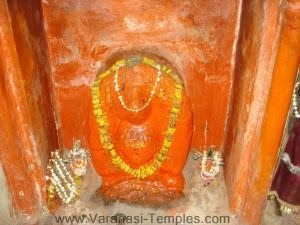
- The Sanctum (Garbhagriha): The focal point is the intricately carved idol of Pramoda Vinayak, typically adorned with a garland of Mundra (close-set beads) and a Modak (sweet offering) in his hand, symbolizing the sweetness of devotion.
- Vastu Shastra: The temple aligns with ancient Vastu principles, ensuring the energy flow is directed towards the deity, creating a powerful vortex of spiritual energy for the devotee.
- Visuals: The temple features distinct red and ochre hues characteristic of Ganesha temples. The entrance is often flanked by motifs representing Shakti and Ganapatya traditions.
Pramoda2-300×225, Pramoda Vinayak Temple, Varanasi
Darshan & Ritual Logistics
One of the unique aspects of the Pramoda Vinayak Temple is its accessibility. Unlike many major temples with strict timings, this shrine maintains a fluid schedule, often remaining open throughout the day for the convenience of pilgrims exploring the Chowk area.
Daily Timings
| Session | Timing |
|---|---|
| Morning Darshan | 05:00 AM – 01:00 PM |
| Evening Darshan | 04:00 PM – 10:00 PM |
| Note: | Timings may vary slightly during festivals. |
Sevas and Online Booking
While the temple allows for self-performed Pooja, specific Sevas are performed by the temple priests. Given the temple’s traditional structure, dedicated “Online Seva Booking” portals may be generic to Varanasi temples rather than specific to this shrine. Devotees are advised to perform Abhishekam (ritual bathing of the deity) with water, milk, or honey at the temple premises.
📖 Related: Hiranya Garbheshwar Temple, Varanasi: History, Darshan Timings & Guide
2026 Festival Calendar
For devotees planning a visit in 2026, the following are the most auspicious times to visit:
- Varasiddhi Vinayaka Chaturthi: Wednesday, August 26, 2026. This is the most significant festival here, celebrating the birth of Lord Ganesha.
- Magha Chaturthi: Thursday, January 22, 2026. A highly auspicious day for starting new ventures.
- Bhadrapada Chaturthi: Sunday, September 6, 2026. Observed with special Maha Aarti.
Practical Visitor Guidance
Visiting the Pramoda Vinayak Temple requires navigating the bustling streets of Varanasi’s Old City. Here is what you need to know:
Dress Code and Etiquette
As with all Hindu temples, modest clothing is mandatory. Both men and women should cover their shoulders and knees. Traditional Indian attire (Kurtas, Saris) is recommended.
Crowd Management and Accessibility
The temple is located in Naipali Khapra, a narrow lane in the Chowk area.
- Best Time to Visit: Early morning (6:00 AM – 8:00 AM) or late afternoon (4:00 PM) to avoid the heavy market crowd.
- Accessibility: The lanes are narrow and unpaved. The temple is not wheelchair accessible. Carrying water is essential, especially during the summer months (April–June).
- Photography: Generally discouraged inside the sanctum to maintain the sanctity of the space. Please seek permission from the priest.
Pilgrimage Connectivity
How to Reach
The Pramoda Vinayak Temple is deeply embedded in the city center, making it accessible via various modes of transport.
- By Air: The nearest airport is Lal Bahadur Shastri International Airport (VNS), approximately 25 km away (1 hour drive).
- By Rail: The nearest major railway station is Varanasi Junction (BSB) (approx. 6 km). The Kashi Vishwanath Express terminal is also nearby.
- By Road: The temple is located off NH-19. Auto-rickshaws can take you to Chowk. From the drop-off point, the temple is a short walk through the market.
📖 Related: Bhrigu Keshav Temple Varanasi: History, Darshan Timings & Guide
Nearby Sacred Sites (Pilgrimage Circuit)
A visit to Pramoda Vinayak is best combined with a broader Kashi pilgrimage. Nearby sites include:
- Kashi Karvat Temple: Located extremely close to Pramoda Vinayak, known for its idol of Shiva and Parvati back-to-back.
- Kashi Vishwanath Temple: The main Jyotirlinga shrine is approximately 1 km away (15-minute walk).
- Sankat Mochan Hanuman Temple: Famous for the “Relief from Troubles” aspect of Hanuman, accessible via rickshaw or foot (2.5 km).
Frequently Asked Questions (FAQ)
1. Is there a VIP Darshan entry at Pramoda Vinayak Temple?
No, as a smaller, historic temple, there is no formal VIP entry system. However, visiting during early morning hours usually ensures a quick and peaceful darshan.
2. Can I perform Abhishekam myself?
Yes, the temple administration generally allows devotees to perform simple Abhishekam (water/milk) by themselves. If you wish to offer special items, please consult the on-site priest.
3. Is the temple open on Mondays?
Yes, the temple is open every day. Since Ganesha is worshipped on all days of the week, Monday is not closed (unlike some Shiva temples).
4. What is the significance of “Pramoda” in the name?
The word “Pramoda” translates to joy or delight. Worshipping this deity is believed to bring happiness and remove the sadness caused by life’s obstacles.
5. Are there parking facilities available?
There is no direct parking near the temple due to the narrow lanes. Visitors must park at designated lots in the outer Varanasi circle (e.g., near Dashashwamedh Ghat) and walk or take an e-rickshaw.
6. Is the Pramoda Vinayak Temple accessible for devotees with disabilities?
Due to the ancient architecture and location within the dense lanes of Old Varanasi, wheelchair access is very difficult. It is recommended to visit with assistance.
Contact Details
Address: Ck.31/16, Naipali Khapra, Varanasi, Uttar Pradesh 221001
Official Contact: While specific phone numbers for this individual shrine are not listed in public records, the general Varanasi Tourism Helpline can assist at +91-542-2204163.