
Contents
Prasanna Venkatesa Perumal Temple, Madurai
| Date built: | |
|---|---|
| Deity: | Vishnu |
| Architectural style: | Dravidian architecture |
| Major festivals | – |
| Locale: | Madurai |
| District:: | Madurai |
| Address: | Prasanna Venkatesa Perumal Temple (Navaneethakrishna Temple), South Masi Street, Madurai – 625 001 |
| Phone | +91 452 233 2138 |
Introduction & Spiritual Essence
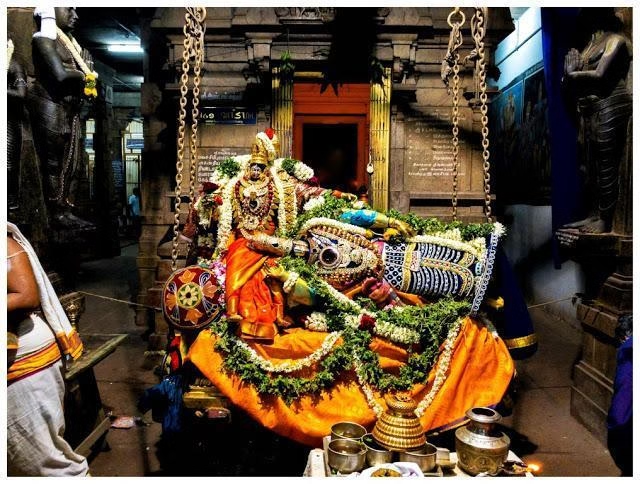
Nestled in the heart of the historic city of Madurai, the Prasanna Venkatesa Perumal Temple, also revered as the Navaneethakrishna Temple, stands as a beacon of devotion to Lord Vishnu in his form as Venkatesa. The presiding deity, Prasanna Venkatesa Perumal, is enshrined alongside his consort, Sri Devi (Andal) and Bhu Devi.
According to the Sthala Purana (local oral tradition), the primary idol of Lord Krishna is a Swayambhu Murthi—self-manifested rather than sculpted by human hands. This specific form is known as Navaneethakrishna (the butter-thief Krishna).
Phalaśruti: The Fruit of Devotion
Devotees flock to this temple seeking the blessings of Lord Venkatesa for relief from planetary afflictions, particularly those related to Shani (Saturn) and Rahu. It is deeply believed that offering sincere prayers here alleviates ancestral karma and grants Santaana Gopala Krupa—blessings for childless couples yearning for progeny. Students worship the Lord here as Lakshmi Hayagriva, the bestower of wisdom and academic excellence.
Historical Origins & Scriptural Legend
While the roots of this temple are ancient, its current form is deeply connected to the 18th century and the Nayak dynasty of Madurai.
The Nayak Connection
Tradition holds that the great patron of Madurai architecture, Thirumalai Nayak, was a devout worshiper of Prasanna Venkatesa Perumal. Historical accounts suggest that during his evening walks, the King witnessed a divine Jyoti (light) emanating from this specific location. Interpreting this as a divine directive, Thirumalai Nayak generously contributed to the expansion and renovation of the temple structures visible today.
The Swayambhu Legend
According to local lore, a pious Vishnu devotee once crafted a small idol of Lord Krishna for personal worship. As his devotion deepened, he desired to behold a grander form of the Lord. In a divine dream, the Lord revealed that he resided in the form of a larger idol near the banks of the Vaigai River. The devotee located the idol and installed it at the current site, establishing it as the presiding deity—hence the dual identity of the temple.
Architectural Marvels
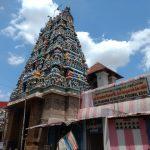
The temple exemplifies the quintessential Dravidian style of architecture. While modest in scale compared to the gigantic Meenakshi Amman Temple nearby, it is a fine specimen of Nayak-era craftsmanship.
Structural Highlights
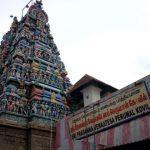
- The Rajagopuram: A towering entrance tower adorned with intricate stucco work depicting scenes from Hindu mythology.
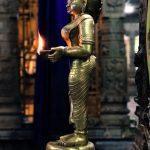
- The Sanctum (Garbhagriha): The inner sanctum houses the Navaneethakrishna idol, which is unique as it depicts the Lord in a standing posture with a butter churn.
- Mandapas: The temple features pillared halls (Manthrabhasi Mandapam) with sculpted pillars showcasing floral motifs and deities, typical of the Vijayanagara/Nayak artistic transition.
Darshan & Ritual Logistics
The temple follows strict Agama rituals. Below are the standard timings, though slight variations may occur during festival seasons.
Daily Timings
| Session | Timing |
|---|---|
| Morning | 06:00 AM – 12:00 PM |
| Evening | 05:00 PM – 09:00 PM |
Key Sevas & Offerings (2026 Schedule)
Assuming the current year is 2026, here are the upcoming major festivals and the sevas available for booking.
Upcoming Festivals in 2026
- Thai Pongal / Makar Sankranti: Mid-January 2026
- Ratha Sapthami: February 2026
- Panguni Brahmmotsavam: March – April 2026 (The grand annual festival)
- Sri Rama Navami: April 2026
- Aadi Pooram: July – August 2026
- Krishna Jayanthi: September 2026 (Celebrated with the procession of Child Krishna in a golden cradle and the Uriyadi festival—breaking the butter pot).
Booking Sevas
To perform specific rituals, devotees can contact the temple administration directly. For online availability, it is recommended to check the Temple Trust website or the Tamil Nadu Hindu Religious and Charitable Endowments (HR&CE) portal closer to the travel date.
Practical Visitor Guidance
Rules & Etiquette
- Dress Code: Traditional attire is mandatory. Men should wear dhotis or trousers with shirts; women should wear sarees, churidars, or long skirts.
- Photography: Strictly prohibited inside the inner sanctum. Photography is allowed in the outer corridors, but flash is discouraged.
- Electronics: Mobile phones must be switched to silent mode. While there is no mandatory locker system for phones, visitors are expected to maintain silence.
Crowd Management
- Best Time to Visit: Mornings (06:30 AM – 08:00 AM) are least crowded, offering a peaceful darshan.
- Seasonal Advice: Madurai can be extremely hot, especially from April to June. Carry a water bottle and an umbrella. Evenings during the summer can be humid.
Pilgrimage Connectivity
The temple is centrally located in South Masi Street, making it highly accessible from major transit hubs.
How to Reach
- Nearest Railway Station: Madurai Junction (MDU) – Approximately 1.5 km (10-minute drive).
- Nearest Airport: Madurai International Airport (IXM) – Approximately 10-12 km (20-minute drive).
- Bus Connectivity: The temple is a short walk (approx. 700 meters) from the Periyar Bus Stand and the Complex Bus Stand.
Nearby Sacred Sites (Pilgrimage Circuit)
Visitors should extend their darshan to these nearby holy shrines:
- Koodal Alagar Perumal Temple: Located just east of this temple, dedicated to Lord Vishnu in a seated posture.
- Meenakshi Amman Temple: The most famous landmark of Madurai, located just 750 meters away.
- Alagar Koyil (Azhar Temple): A hill temple dedicated to Lord Kallazhagar (Vishnu), located about 20 km from Madurai city center.
Frequently Asked Questions (FAQ)
1. Is there a VIP Darshan entry at Prasanna Venkatesa Perumal Temple?
Generally, as this is a smaller temple compared to the major Meenakshi temple, there is no separate VIP ticketed entry. Darshan is usually swift for all devotees. However, during major festivals like Panguni Brahmmotsavam, special lines may be organized.
2. What is the special offering for students?
Devotees offer prayers to Lord Lakshmi Hayagriva (an avatar of Vishnu) here. Students often perform the Archana offering sugar candy (Mithai) and Tulsi leaves to excel in their studies.
3. How far is the temple from the railway station?
The temple is approximately 1.5 km from Madurai Railway Junction. An auto-rickshaw or cab typically takes 5–10 minutes depending on traffic.
4. Are there accommodation facilities nearby?
Yes, Madurai has numerous options ranging from guest houses run by temple trusts to private hotels. The Sri Koodal Alagar Temple guest house is a nearby option for pilgrims.
It refers to the childhood pastime of Lord Krishna stealing butter (Navaneetham). The presiding deity here depicts this playful form, distinct from the Venkatesa form seen in other temples.
Contact Details
Prasanna Venkatesa Perumal Temple (Navaneethakrishna Temple),
South Masi Street, Madurai – 625 001
Phone: +91 452 233 2138
Mobile: +91 99421 19165
Recent Posts

Shri Kaamkoteeshwar Mandir, Varanasi – History & Significance
In the heart of Kashi, the eternal city of Lord Shiva, where the Ganges flows with celestial grace, stands the Shri Kaamkoteeshwar Mandir. This sacred Sannidhi is not merely a temple but a profound spiritual bridge between the Northern…

ओ सांवरे तूने ही मुझको संभाला – Lyrics & Meaning
ओ सांवरे तूने ही मुझको संभाला – A Prayer to Shyam Origin & Spiritual Essence Why This Bhajan Resonates Devotees chant this when overwhelmed by life’s storms—the refrain ‘तूने ही मुझको संभाला’ is the soul’s sigh of relief: “You…

कथा ये है महाराज मेरे की – Lyrics & Meaning
कथा ये है महाराज मेरे की छत्रपति संभाजी महाराज – A Prayer to Chhatrapati Sambhaji Maharaj Origin & Spiritual Essence Why This Bhajan Resonates Devotees chant this when their spirit feels tested—its powerful refrain “महाराज मेरे” is a soul’s…

Rigveda Samhita Yathartha Anuvada (ऋग्वेद संहिता यथार्थ अनुवाद) – Complete Set with Anvayartha & Hindi/English Translation
The Rigveda is the oldest surviving scripture of humanity and the foundational text of Sanātana Dharma. For serious students, scholars, UPSC aspirants studying ancient Indian history, Sanskrit learners, and spiritual seekers, a precise and grammatically structured translation is indispensable.…

आना भी अकेला है जाना भी अकेला है – Lyrics & Meaning | BharatTemples
आना भी अकेला है जाना भी अकेला है – A Prayer to the Divine Witness Origin & Spiritual Essence Why This Bhajan Resonates Devotees turn to this bhajan in moments of deep reflection—when life’s attachments begin to ache. The…

माता शेरावाली के द्वार जो भी जाता है – Lyrics & Meaning
माता शेरावाली के द्वार जो भी जाता है – A Prayer to Maa Sherawali Origin & Spiritual Essence Why This Bhajan Resonates Devotees turn to this bhajan in times of fear or uncertainty—its promise that no one leaves Maa’s…

मार लेना सपणी उबार लेणा भवरा – Lyrics & Meaning
मार लेना सपणी उबार लेणा भवरा – A Prayer to the Divine Beloved Origin & Spiritual Essence Why This Bhajan Resonates Devotees chant this in moments of deep vulnerability—its cry of “मार लेना सपणी, उबार लेणा भवरा” is the…

हमें श्याम सुंदर भरोसा तुम्हारा – Lyrics & Meaning
हमें श्याम सुंदर भरोसा तुम्हारा – A Prayer to Shyam Sundar Origin & Spiritual Essence Why This Bhajan Resonates Devotees chant this when feeling alone—its refrain ‘de do sahara’ is the soul’s cry for divine support. Lyrics in Hindi…

Mere Satguru Ne Di Thi Davai Lyrics in Hindi & Meaning
Mere Satguru Ne Di Thi Davai: Invoking the Guru’s Liberating Wisdom This soul-stirring bhajan venerates the Satguru (True Spiritual Master) as the divine physician who dispenses the only remedy for life’s deepest sufferings. Composed by Sant Karmaveer Tufani, it…

Janm Diyo Thari Maa Dukh Dekhiyo Lyrics in Hindi & Meaning
जन्म दियो थारी माँ दुख देखियो (Maa’s Grief Upon Birthing You) This soul-stirring Chetavani Bhajan (admonitory hymn) is addressed to the Divine Mother (Maa) – a call for repentance when children forget their filial duties in the dark age…