
Contents
Lead Heritage Architect Note: The Puthirakamateeswarar Temple in Arani is a jewel of Dravidian heritage, deeply rooted in the Vedic lineage of progenitor blessings. This definitive guide is crafted for devotees seeking spiritual clarity and practical logistics for their 2026 pilgrimage.
| Date built: | Estimated 10th Century CE (Chola/Post-Chola Period) |
|---|---|
| Deity: | Puthirakamateeswarar (Shiva) / Goddess Kokilambika |
| Architectural style: | Dravidian architecture |
| Major festivals | Pradosham, Maha Shivaratri, Navaratri |
| Locale: | Arani |
| District: | Thiruvannamalai |
| Address: | Sri Puthrakameshti Easwarar Temple, Pudukamoor, Arani – 632 301, Thiruvannamalai District |
| Phone | +91 97891 56179 / 96294 73883 / 9486046908 |
1. Introduction & Spiritual Essence
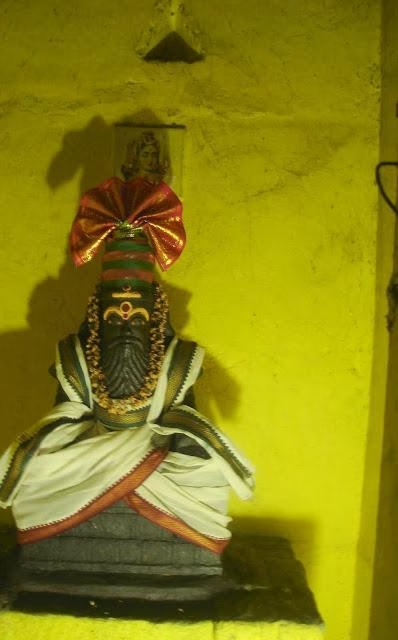
The Puthirakamateeswarar Temple (also reverently known as Sri Puthrakameshti Easwarar Temple) stands as a beacon of hope for devotees yearning for progeny (Puthra Prapthi). Located in the spiritual hinterland of Arani, Thiruvannamalai district, this temple is dedicated to Lord Shiva in his form as the fulfiller of wishes for children.
The Phalaśruti: Spiritual Benefits
According to ancient traditions, this temple is unique for its association with Sarva Puthra Kameshti—the boon of offspring. Devotees believe that unwed individuals perform special abhishekams here to find suitable partners, while married couples undertake rituals to be blessed with children. The temple is also believed to mitigate Pithru Dosham (ancestral afflictions), helping devotees cleanse karmic blocks preventing lineage continuity.
2. Historical Origins & Scriptural Legend
While the exact stone-laying date is obscured by time, temple records and local inscriptions suggest a 10th Century CE origin during the later Chola or early Vijayanagara eras, when extensive temple patronage was common in this region.
The Legend of Sage Jarathkaru
The Sthala Purana intertwines with the Vedic legend of the great Rishi Jarathkaru. Tradition holds that this site marks a region where the Sage performed severe penance to Lord Shiva to be blessed with a son (Astik Maharishi) who would later save the serpents (Nagas) from destruction.
It is said that the energy of this Tapasya (meditation) crystallized into the Swayambhu (self-manifested) lingam worshipped today. Inscriptions found on the temple walls, though weathered, hint at donations given by local chieftains for the maintenance of the temple during the reign of the Vijayanagara Empire, ensuring the rituals continued unbroken.
3. Architectural Marvels
The temple exemplifies the grandeur of Dravidian Architecture. The structure is designed according to Vastu Shastra, aligning the sanctum (Garbhagriha) with magnetic north to harness cosmic energy.
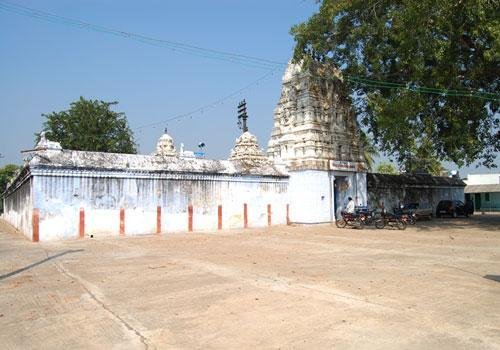
- The Shikhara (Rajagopuram): The temple features a modest yet ornate gateway tower, typical of later Dravidian styles, welcoming devotees into a complex that feels timeless.
- Sanctum Sanctorum (Garbhagriha): The lingam of Puthirakamateeswarar is positioned here, with a unique Bhadra (projection) alignment that creates a natural acoustic resonance during chanting.
- The Mandapas: The pillared hall (Maha Mandapa) features sculptures depicting various forms of Shiva and scenes from the epics. The pillars are carved from single blocks of granite, showcasing the mastery of ancient artisans.

Photo by Ilamurugan, Pondicherry 
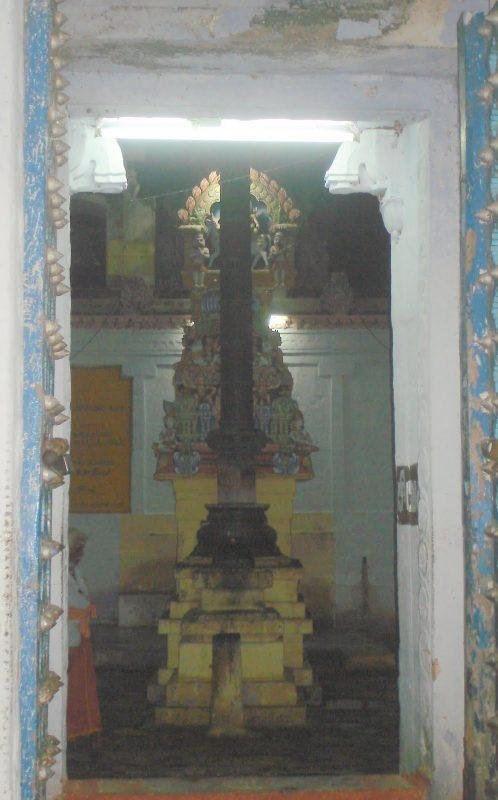
Photo by Ilamurugan, Pondicherry 
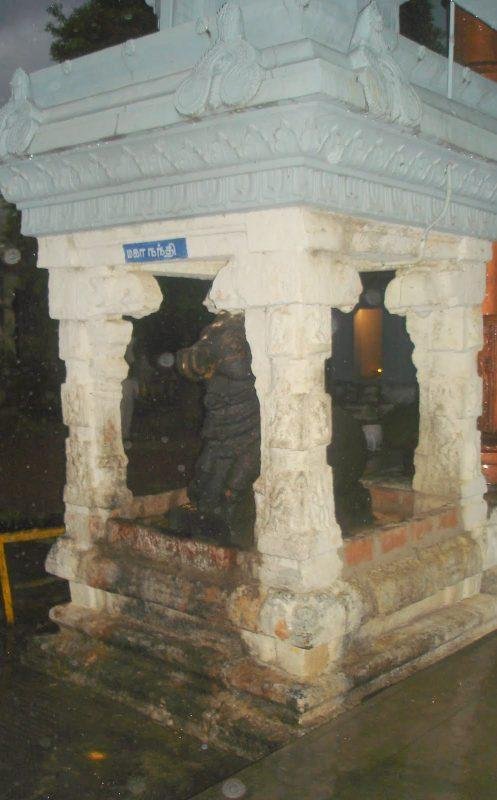
Photo by Ilamurugan, Pondicherry
4. Darshan & Ritual Logistics (2026 Guide)
Devotees visiting Puthirakamateeswarar Temple can participate in various Sevas (services). While online booking may not be available for all rituals, contacting the temple management via the provided numbers is recommended for special Yagnas.
Daily Temple Timings
| Session | Timings | Description |
|---|---|---|
| Morning | 07:00 AM – 11:00 AM | Normal Darshan, Special Abhishekam slots |
| Afternoon | 11:00 AM – 04:40 PM | Closed for deity rest |
| Evening | 04:40 PM – 07:30 PM | Evening Darshan, Arthajama Pooja |
Key Sevas & Rituals
- Abhishekam: Performed with milk, honey, and vibhuti. Best time: Morning 8:00 AM.
- Archana (Puthra Kameshti Archana): A specific Vedic recitation for family well-being.
- Pradosham: Highly significant for Shiva devotees; occurs every fortnight (13th day of the lunar cycle).
2026 Festival Calendar (Tentative)
- Maha Shivaratri: February 26, 2026 – Night-long vigil and special Abhishekam.
- Navaratri: October 3 – October 12, 2026 – Special Alankaram for Goddess Kokilambika.
- Ardra Darshanam: Usually in December/January – Celebrates the cosmic dance of Nataraja.
- Deepavali: October 2026 – Early morning oil bath ritual at the temple.
5. Practical Visitor Guidance
To ensure a serene darshan experience, please adhere to the following protocols:
- Dress Code: Traditional attire is strictly encouraged. Men should wear Veshti (dhoti) or full-length pants/shirts; women should wear sarees or salwar kameez.
- Photography: Photography is strictly prohibited inside the Garbhagriha (inner sanctum). Flash photography is banned to preserve the murals.
- Crowd Management: Mornings on weekends and Pradosham days can be crowded. For a peaceful Darshan, visit on weekday mornings or late evenings.
- Seasonal Advice: Arani can be hot in May and June. Carry a water bottle and an umbrella. The temple provides shaded areas in the outer precincts.
6. Pilgrimage Connectivity
The temple is situated in Pudukamoor, a short drive from the town of Arani.
How to Reach
- By Air: The nearest airport is Chennai International Airport (MAA), approximately 180 km away. Alternatively, Bengaluru Kempegowda International Airport (BLR) is about 200 km away.
- By Rail: The nearest major railway junction is Vellore Katpadi (VPT), well connected to Chennai and Bangalore. From there, local taxis and buses are available to Arani.
- By Road: Arani is located on the Chennai – Bangalore Highway (NH 48). It is well-connected via State Highway 9 (SH-9) to Thiruvannamalai (approx. 50 km).
Nearby Sacred Sites (The Pilgrimage Circuit)
- Thiruvannamalai (Arunachaleswarar Temple): Just 50 km away. One of the Pancha Bhoota Stalamas (Fire Element).
- Velore Kalavai: Known for the ancient Chokkanathaswamy Temple (approx. 35 km from Arani).
- Kadambathur: Famous for the Adhi Kesava Perumal Temple (approx. 25 km).
7. Frequently Asked Questions
Is there a VIP Darshan entry?
Currently, the temple does not have a formal VIP entry system like the mega-temples in Tamil Nadu. Darshan is generally first-come, first-served. However, making a prior donation for a specific Pooja allows you to perform the ritual with priority access inside the hall.
Can we perform the Puthra Kameshti Yagna personally?
While the primary Yagna is usually performed by the resident priests on behalf of devotees, you can sponsor the event. Inquire with the temple administration office 2-3 days in advance to arrange the materials and schedule the ritual.
Is the temple wheelchair accessible?
The inner sanctum has steps, making it difficult for wheelchair users to enter. However, the outer corridors and viewing areas are accessible. Please contact the temple management (+91 97891 56179) prior to arrival for assistance.
Are mobile lockers available?
Large electronic devices and bags are generally not allowed inside the sanctum. The temple has a counter for keeping mobile phones and bags, but it is advisable to travel light. Secure lockers are available in the nearby Arani town market for valuables.
What is the history of the name Puthirakamateeswarar?
The name is derived from Puthra (Son), Kameshti (Wish/Desire), and Ishwarar (Lord). It translates to “The Lord who grants the wish for a son,” a name deeply associated with the lineage of Sage Jarathkaru and Lord Shiva’s grace.
Contact Details
Sri Puthrakameshti Easwarar Temple,
Pudukamoor, Arani – 632 301,
Thiruvannamalai District
Mobile: +91 97891 56179 / 96294 73883 / 9486046908
Recent Posts

ओ सांवरे तूने ही मुझको संभाला – Lyrics & Meaning
ओ सांवरे तूने ही मुझको संभाला – A Prayer to Shyam Origin & Spiritual Essence Why This Bhajan Resonates Devotees chant this when overwhelmed by life’s storms—the refrain ‘तूने ही मुझको संभाला’ is the soul’s sigh of relief: “You…

कथा ये है महाराज मेरे की – Lyrics & Meaning
कथा ये है महाराज मेरे की छत्रपति संभाजी महाराज – A Prayer to Chhatrapati Sambhaji Maharaj Origin & Spiritual Essence Why This Bhajan Resonates Devotees chant this when their spirit feels tested—its powerful refrain “महाराज मेरे” is a soul’s…

Rigveda Samhita Yathartha Anuvada (ऋग्वेद संहिता यथार्थ अनुवाद) – Complete Set with Anvayartha & Hindi/English Translation
The Rigveda is the oldest surviving scripture of humanity and the foundational text of Sanātana Dharma. For serious students, scholars, UPSC aspirants studying ancient Indian history, Sanskrit learners, and spiritual seekers, a precise and grammatically structured translation is indispensable.…

आना भी अकेला है जाना भी अकेला है – Lyrics & Meaning | BharatTemples
आना भी अकेला है जाना भी अकेला है – A Prayer to the Divine Witness Origin & Spiritual Essence Why This Bhajan Resonates Devotees turn to this bhajan in moments of deep reflection—when life’s attachments begin to ache. The…

माता शेरावाली के द्वार जो भी जाता है – Lyrics & Meaning
माता शेरावाली के द्वार जो भी जाता है – A Prayer to Maa Sherawali Origin & Spiritual Essence Why This Bhajan Resonates Devotees turn to this bhajan in times of fear or uncertainty—its promise that no one leaves Maa’s…

मार लेना सपणी उबार लेणा भवरा – Lyrics & Meaning
मार लेना सपणी उबार लेणा भवरा – A Prayer to the Divine Beloved Origin & Spiritual Essence Why This Bhajan Resonates Devotees chant this in moments of deep vulnerability—its cry of “मार लेना सपणी, उबार लेणा भवरा” is the…

हमें श्याम सुंदर भरोसा तुम्हारा – Lyrics & Meaning
हमें श्याम सुंदर भरोसा तुम्हारा – A Prayer to Shyam Sundar Origin & Spiritual Essence Why This Bhajan Resonates Devotees chant this when feeling alone—its refrain ‘de do sahara’ is the soul’s cry for divine support. Lyrics in Hindi…

Mere Satguru Ne Di Thi Davai Lyrics in Hindi & Meaning
Mere Satguru Ne Di Thi Davai: Invoking the Guru’s Liberating Wisdom This soul-stirring bhajan venerates the Satguru (True Spiritual Master) as the divine physician who dispenses the only remedy for life’s deepest sufferings. Composed by Sant Karmaveer Tufani, it…

Janm Diyo Thari Maa Dukh Dekhiyo Lyrics in Hindi & Meaning
जन्म दियो थारी माँ दुख देखियो (Maa’s Grief Upon Birthing You) This soul-stirring Chetavani Bhajan (admonitory hymn) is addressed to the Divine Mother (Maa) – a call for repentance when children forget their filial duties in the dark age…
Bhadi Sabha Mein Thane Manaun Lyrics in Hindi & Meaning
Bhadi Sabha Mein Thane Manaun: Invoking the Spear-Wielding Mother Mata Bhawani (श्री ज्वाला भवानी), the fiery manifestation of Shakti worshipped as the Protector of Dharma in Her Dhaulagarh sanctum. Origin & Spiritual Essence Composed in Rajasthani folk tradition by…