
Contents
Introduction & Spiritual Essence: The Abode of the Great King of Gods
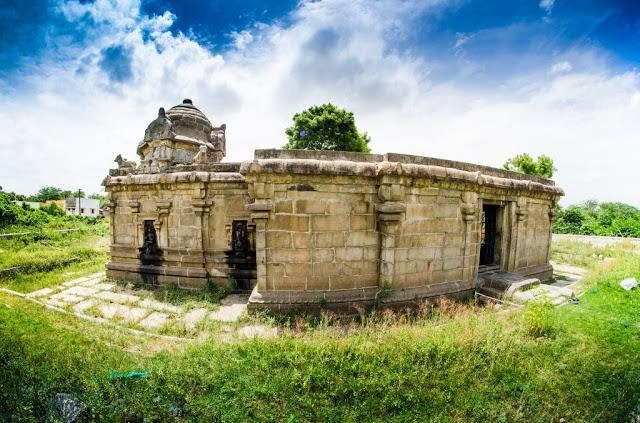
Nestled in the serene village of Sivapuram in Thiruvallur district, the Rajarajeswaramudaiya Mahadevar Temple stands as a monumental testament to the devotion of the Chola dynasty. Dedicated to Lord Shiva, known here as Rajarajeswaramudaiya Mahadevar (The Lord who is the King of the Kings) and Theerthapaleeswarar, the temple exudes a vibration of sovereignty and spiritual cleansing.
The consort, Kamakshi Amman, embodies grace and the fulfillment of desires. Pilgrims visit this sacred shrine primarily to wash away ancestral karmic debts and to attain Vijaya—victory in worldly endeavors and spiritual pursuits. The name “Rajarajeswaramudaiya” signifies the supreme authority of the divine, making it a powerful site for those seeking removal of obstacles and the blessing of leadership.
Historical Origins & Scriptural Legend
The Chola Legacy
According to temple records and ASI (Archaeological Survey of India) archives, this temple was constructed in the 10th century CE, circa 985–1014 CE, under the patronage of the great Chola Emperor, Raja Raja Chola I. It is a living history book of stone; inscriptions dating back to the reigns of Raja Raja Chola and his son, Rajendra Chola, are still etched on the temple walls, chronicling land grants, donations, and ritual procedures.
The Sthala Purana (Local Legend)
Tradition holds that the spot was once a dense forest of Siva (Spungewood) trees, giving the village its name, Sivapuram. Local legends suggest that Lord Brahma worshipped Shiva here to regain his creative powers, while celestial beings (Devas) performed Yajnas (fire rituals) to protect the earth from adharma. The Theertham (holy water body) associated with the temple is said to have originated from the Ganges, brought down to earth by the sage Agastya to quench the thirst of the ardent devotee Parvati in her form as Kamakshi.
Architectural Marvels: Dravidian Grandeur
The Rajarajeswaramudaiya Mahadevar Temple is a classic example of the early Dravidian architectural style, refined during the Chola period. The structure is designed according to Vastu Shastra, aligning cosmic energies with terrestrial structures.
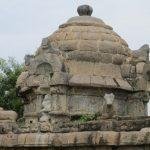
- The Shikhara (Vimana): The towering gateway and the sanctum sanctorum (Garbhagriha) feature the distinctive Dravidian pyramid style, though simpler than the later Brihadeeswarar style found in Thanjavur. The verticality of the structure draws the eye upward, symbolizing the ascent of the soul.
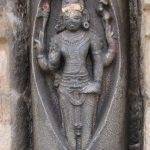
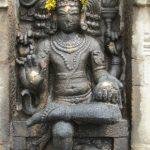
- Mandapas: The temple features a spacious Maha Mandapa and an Ardha Mandapa. The pillars are carved with intricate reliefs depicting deities from the Hindu pantheon, celestial nymphs (Apsaras), and mythical beasts (Yalis).
- Sanctum Layout: The sanctum houses the Swayambhu (self-manifested) lingam, oriented to allow natural light to illuminate the deity during specific solar alignments.
Note: As an ASI-maintained site, the structural integrity is preserved strictly, protecting the sculptures from vandalism and environmental decay.
Darshan & Ritual Logistics (2026 Guide)
Daily Darshan Timings
The temple follows traditional Agama rules. It remains open for devotees during two shifts daily. (Please verify timings locally during festival seasons).
| Session | Timings |
|---|---|
| Morning | 07:30 AM – 12:00 Noon |
| Evening | 03:00 PM – 07:00 PM |
Key Sevas & Online Booking
To perform specific rituals, devotees can book Sevas (offerings) via the official Tamil Nadu Temple digital platforms or contact the temple administration directly.
- Abhishekam: Ritual bathing of the deity with water, milk, honey, and sandalwood. Best performed on Mondays.
- Archana: Chanting of the 108 names of Shiva and Kamakshi.
- Rudra Abhishekam: A elaborate Vedic ritual for profound blessings.
Booking: As of 2026, online booking is facilitated through the Tamil Nadu HR&CE (Hindu Religious and Charitable Endowments) portal. Use the official website to select specific dates and time slots to avoid queuing.
Major Festivals in 2026
The temple celebrates specific Chola-era traditions alongside pan-Indian festivals:
- Maha Shivaratri (February 26, 2026): The most significant night, marked by all-night vigils and special Abhishekams.
- Pradosham (Monthly): Occurring twice every lunar month (13th day), these are highly auspicious for Shiva devotees to witness the ritual dance.
- Arudra Darshanam (December/January): Celebrates the cosmic dance of Shiva (Nataraja).
Practical Visitor Guidance
Rules & Etiquette
- Dress Code: Traditional attire is mandatory. Men should wear dhotis or trousers with shirts; women should wear sarees, salwar kameez, or long skirts.
- Photography: Prohibited inside the Sanctum Sanctorum. ASI guidelines allow photography in the outer quadrangles but restrict the use of flash.
- Footwear & Lockers: Shoes must be removed at the designated stand outside the temple. Mobile lockers are available at the entrance for electronic devices and leather items.
- Accessibility: The temple is accessible via a stone-paved path. Wheelchair access is limited due to the heritage steps; assistance from temple staff is recommended.
Crowd Management & Seasonal Advice
- Best Time to Visit: Early morning (07:30 AM) or late evening (05:30 PM) ensures a peaceful Darshan.
- Summer (May): Temperatures in Thiruvallur can soar. Carry a water bottle, though free water stations are usually available near the temple tank.
- Monsoon (November): The region receives moderate rain; carrying an umbrella is advisable.
Pilgrimage Connectivity
How to Reach
The temple is located in Sivapuram, near Thakkolam, Thiruvallur District (Pin: 631210).
- By Air: Chennai International Airport (MAA) is the nearest airport, approximately 56 km away (approx. 1 hour 30 mins drive via NH48).
- By Rail: The nearest major railway junction is Arakkonam (AJJ) (22 km). Thiruvallur (TRL) station is 20 km away. Local passenger trains connect Chennai to these stations.
- By Road: The temple is easily accessible via the Chennai–Bangalore Highway (NH 48). From Thakkolam, local roads lead to Sivapuram.
Nearby Sacred Sites (Pilgrimage Circuit)
- Karumariamman Temple, Thiruverkadu: Located roughly 18 km away, a powerful temple dedicated to Goddess Mariamman.
- Prasanna Venkateswara Temple, Thiruvallur: An ancient Vishnu temple located 20 km from Sivapuram.
- Sholinghur Narasimha Swamy Temple: About 35 km from Sivapuram, famous for its Yoga Narasimha shrine atop a hill.
Photo Gallery
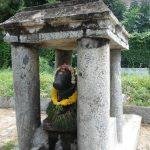
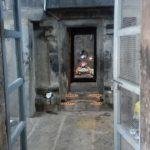
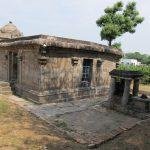
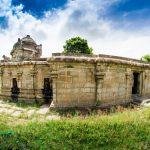
Frequently Asked Questions (FAQ)
1. Is there a VIP Darshan entry available?
As an ASI-maintained heritage site, the temple operates under specific regulations. However, devotees who book specific Sevas like Abhishekam or Vipula Archana generally get preferential access to the sanctum during the ritual time. For specific VIP arrangements, contact the Temple Executive Officer via the phone number provided below.
2. What is the best way to book online Seva?
While the specific direct URL may vary, the Tamil Nadu HR&CE website is the official channel. Alternatively, the temple administration accepts bookings via the contact number provided: +91 9965886184. It is advisable to book at least 24 hours in advance for special occasions like Maha Shivaratri.
3. Is the temple open on all days?
Yes, the temple generally remains open daily. However, during solar and lunar eclipses or specific local rituals, timings may be altered. Checking the monthly calendar at the temple entrance is recommended.
4. What is the significance of the name ‘Rajarajeswaramudaiya’?
The name translates to “The Lord who is the King of Kings.” It reflects the Chola ideology where the King (Raja) was considered the representative of the Divine. Worshipping here is believed to grant authority, leadership qualities, and relief from legal disputes.
5. Are there accommodation facilities in Sivapuram?
Sivapuram is a small village with limited lodging. For comfortable stay options, pilgrims usually stay in Thiruvallur (20 km) or Arakkonam (22 km), which have hotels and lodges. For a spiritual stay, the temple trust in nearby larger shrines often runs choultries.
Contact Details
Rajarajeswaramudaiya Mahadevar Temple,
Sivapuram, Thiruvallur District – 631 210
Mobile: +91 9965886184
External Reference
For historical context, you may view the original source: tamilnadu-favtourism.blogspot.com
Recent Posts

ओ सांवरे तूने ही मुझको संभाला – Lyrics & Meaning
ओ सांवरे तूने ही मुझको संभाला – A Prayer to Shyam Origin & Spiritual Essence Why This Bhajan Resonates Devotees chant this when overwhelmed by life’s storms—the refrain ‘तूने ही मुझको संभाला’ is the soul’s sigh of relief: “You…

कथा ये है महाराज मेरे की – Lyrics & Meaning
कथा ये है महाराज मेरे की छत्रपति संभाजी महाराज – A Prayer to Chhatrapati Sambhaji Maharaj Origin & Spiritual Essence Why This Bhajan Resonates Devotees chant this when their spirit feels tested—its powerful refrain “महाराज मेरे” is a soul’s…

Rigveda Samhita Yathartha Anuvada (ऋग्वेद संहिता यथार्थ अनुवाद) – Complete Set with Anvayartha & Hindi/English Translation
The Rigveda is the oldest surviving scripture of humanity and the foundational text of Sanātana Dharma. For serious students, scholars, UPSC aspirants studying ancient Indian history, Sanskrit learners, and spiritual seekers, a precise and grammatically structured translation is indispensable.…

आना भी अकेला है जाना भी अकेला है – Lyrics & Meaning | BharatTemples
आना भी अकेला है जाना भी अकेला है – A Prayer to the Divine Witness Origin & Spiritual Essence Why This Bhajan Resonates Devotees turn to this bhajan in moments of deep reflection—when life’s attachments begin to ache. The…

माता शेरावाली के द्वार जो भी जाता है – Lyrics & Meaning
माता शेरावाली के द्वार जो भी जाता है – A Prayer to Maa Sherawali Origin & Spiritual Essence Why This Bhajan Resonates Devotees turn to this bhajan in times of fear or uncertainty—its promise that no one leaves Maa’s…

मार लेना सपणी उबार लेणा भवरा – Lyrics & Meaning
मार लेना सपणी उबार लेणा भवरा – A Prayer to the Divine Beloved Origin & Spiritual Essence Why This Bhajan Resonates Devotees chant this in moments of deep vulnerability—its cry of “मार लेना सपणी, उबार लेणा भवरा” is the…

हमें श्याम सुंदर भरोसा तुम्हारा – Lyrics & Meaning
हमें श्याम सुंदर भरोसा तुम्हारा – A Prayer to Shyam Sundar Origin & Spiritual Essence Why This Bhajan Resonates Devotees chant this when feeling alone—its refrain ‘de do sahara’ is the soul’s cry for divine support. Lyrics in Hindi…

Mere Satguru Ne Di Thi Davai Lyrics in Hindi & Meaning
Mere Satguru Ne Di Thi Davai: Invoking the Guru’s Liberating Wisdom This soul-stirring bhajan venerates the Satguru (True Spiritual Master) as the divine physician who dispenses the only remedy for life’s deepest sufferings. Composed by Sant Karmaveer Tufani, it…

Janm Diyo Thari Maa Dukh Dekhiyo Lyrics in Hindi & Meaning
जन्म दियो थारी माँ दुख देखियो (Maa’s Grief Upon Birthing You) This soul-stirring Chetavani Bhajan (admonitory hymn) is addressed to the Divine Mother (Maa) – a call for repentance when children forget their filial duties in the dark age…
Bhadi Sabha Mein Thane Manaun Lyrics in Hindi & Meaning
Bhadi Sabha Mein Thane Manaun: Invoking the Spear-Wielding Mother Mata Bhawani (श्री ज्वाला भवानी), the fiery manifestation of Shakti worshipped as the Protector of Dharma in Her Dhaulagarh sanctum. Origin & Spiritual Essence Composed in Rajasthani folk tradition by…