
Contents
- 1 Definitive Pilgrimage Guide: Ram Janmabhoomi, Ayodhya
- 1.1 1. Introduction & Spiritual Essence
- 1.2 2. Historical Origins & Scriptural Legend
- 1.3 3. Architectural Marvels
- 1.4 4. Darshan & Ritual Logistics
- 1.5 5. Practical Visitor Guidance
- 1.6 6. Pilgrimage Connectivity
- 1.7 Photo Gallery
- 1.8 7. Frequently Asked Questions (FAQs)
- 1.8.1 Is there a VIP darshan entry available?
- 1.8.2 What are the entry timings for Shri Ram Lalla Darshan?
- 1.8.3 Are mobile lockers available for free?
- 1.8.4 Is photography allowed inside the temple complex?
- 1.8.5 Can non-Hindus visit the Ram Janmabhoomi?
- 1.8.6 How far is the temple from Ayodhya Dham Junction?
- 1.9 Contact Details
Definitive Pilgrimage Guide: Ram Janmabhoomi, Ayodhya
A sanctuary of devotion where the epic of the Ramayana meets the divinity of the Treta Yuga. Discover the spiritual heart of Ayodhya.
1. Introduction & Spiritual Essence
The Ram Janmabhoomi in Ayodhya is not merely a temple; it is the very axis of Hindu consciousness—where Dharma was born. The temple houses the Shri Ram Lalla (the infant form of Lord Rama) in a grand, ancient mandir complex. It is widely revered as the birthplace of Lord Rama, the seventh avatar of Vishnu.
The Deity: The central sanctum (Garbhagriha) holds the Shri Ram Lalla Virajaman, a 51-inch idol sculpted from Shaligram stone, representing Rama as a five-year-old child. This is believed to be a Swayambhu (self-manifested) divine form.
Phalaśruti (Spiritual Benefits):
Devotees visit this sacred Bhoomi to cleanse ancestral karma and attain Moksha (liberation). It is believed that offering prayers here washes away sins and grants the devotee Dharma (righteousness), Artha (prosperity), and Kama (desire) aligned with cosmic law. The very act of Darshan at the birthplace is said to bring peace to the soul and vitality to the mind.
2. Historical Origins & Scriptural Legend
Scriptural Legend:
According to the Valmiki Ramayana and various Puranas, Ayodhya (formerly known as Saket) was established by King Manu, the progenitor of humanity. It was here that Lord Rama descended to the earthly realm. The exact spot is marked as the Janmasthan (birthplace).
Historical Timeline:
– Ancient Era: Historical records suggest the existence of a massive temple dedicated to Rama at this location for millennia. The Skanda Purana details the glory of the Ayodhya pilgrimage site.
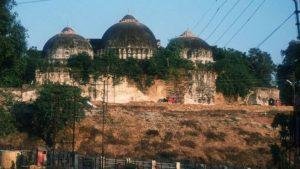
– Medieval Period: Tradition holds that in the 16th century, a large temple structure was demolished by invading forces, and a mosque was erected over the ruins. Jesuit missionary Joseph Tiefenthaler (1767) and British administrator H.R. Neville (1870) documented the site as the birthplace of Rama and the ruins of the original Ramkot fortress.
– Modern Era: Following the Archaeological Survey of India (ASI) excavations in the 2000s, evidence of a large structure with distinct temple architecture (pillars, sculptures, and northern style plinths) was found beneath the debris. On November 9, 2019, the Supreme Court of India paved the way for the construction of the new Ram Mandir.
The Current Temple:
The new temple, built by the Shri Ram Janmabhoomi Teerth Kshetra trust, was consecrated in January 2024. It stands as a testament to the resilience of faith and the cultural heritage of India.
3. Architectural Marvels
The architecture of the Ram Mandir is a majestic fusion of the ancient Nagara style with traditional Hindu temple aesthetics and Vastu Shastra principles.
Key Highlights:
– The Mandir Complex: The temple is built on a raised platform, extending 250 feet wide and 360 feet long, with a total height of 161 feet. It is designed to endure seismic activity for over a thousand years.
– The Shikhara (Spire): The temple features three distinct sections (garbhagriha, ardhamandapa, and mahamandapa) crowned by five Sikhars (domes). The central Shikhara is the tallest.
– Intricate Carvings: Over 300 pillars and 30 domes are adorned with intricate carvings depicting scenes from the Ramayana. The walls feature deities, sages, and mythological motifs carved from Makrana marble and pink sandstone.
– Sanctum Sanctorum: The idol of Shri Ram Lalla is placed in the ground floor (first level), following the typical temple layout. The flooring is done with traditional stone masonry.
Note: The temple is an active place of worship and a new architectural marvel of the 21st century, distinct from historical ruins.
4. Darshan & Ritual Logistics
Planning your visit to Ram Janmabhoomi requires adherence to specific timings and protocols to ensure a smooth spiritual experience.
Daily Darshan Timings (2026 Schedule)
| Session | Timing |
|---|---|
| Morning (Sandhya Aarti) | 06:00 AM – 07:00 AM |
| Morning Darshan | 07:00 AM – 11:30 AM |
| Mid-day Closure | 11:30 AM – 02:00 PM |
| Afternoon Darshan | 02:00 PM – 07:00 PM |
| Evening (Sandhya Aarti) | 07:00 PM – 07:30 PM |
| Night Darshan | 07:30 PM – 10:00 PM |
*Timings may vary slightly during festivals. Please check the official website before travel.
Key Sevas & Online Booking
Devotees can participate in various Sevas (offerings). Booking is highly recommended and usually opens 15 days in advance.
- Shri Ram Lalla Abhishekam: Performed daily morning (Tuesdays are considered auspicious for Lord Rama).
- Shayan Aarti: Nightly ritual where the deity is put to sleep.
- Archana: Individual name recitations.
Booking Platform: Visit the official website of Shri Ram Janmabhoomi Teerth Kshetra (for 2026, use the dedicated “Shri Ram Mandir” app or website) to register for Seva and download entry passes.
2026 Major Festivals
- Navratri: Twice a year (April/May and Sept/Oct). Special Maha Aarti and cultural programs.
- Ram Navami: April 6, 2026. The most significant festival here, marking the birth of Lord Rama. Expect massive crowds; special darshan passes are issued.
- Deepotsav (Diwali): October 18-22, 2026. The entire Ayodhya is illuminated with millions of lamps. The temple celebrates with grandeur.
- Maha Shivaratri: February/March 2026. While dedicated to Shiva, it is celebrated as part of the Hindu unity in the temple complex.
5. Practical Visitor Guidance
To ensure a safe and respectful visit, please adhere to the following guidelines:
- Dress Code: Traditional Indian attire (Kurta-Pajama, Dhoti, Saree, Salwar Kameez) is mandatory. Western clothing like shorts, t-shirts, or ripped jeans is strictly prohibited.
- Electronics: Mobile phones, cameras, and smartwatches are not allowed inside the sanctum. Free cloakrooms and mobile lockers are available at the security check-ins (S.No. 1 to 8).
- Photography: Strictly prohibited inside the temple premises. Photography is only allowed in designated areas outside the main complex.
- Accessibility: The temple complex is wheelchair accessible. There are ramps and dedicated queues for senior citizens and specially-abled devotees.
- Crowd Management:
– Best Time to Visit: 2:00 PM – 4:00 PM on weekdays (Tuesday to Thursday) is generally less crowded. Avoid weekends and holidays if possible.
– Seasonal Tip: Ayodhya summers (May-June) are hot; carry a water bottle (plastic bottles may be restricted, use reusable ones provided at stations). Winters (Nov-Feb) are pleasant.
6. Pilgrimage Connectivity
How to Reach
Ayodhya is well-connected by road, rail, and air.
- Air: Maharishi Valmiki International Airport, Ayodhya (AYJ) (approx. 8 km from Ram Mandir). Direct flights from major metros like Delhi, Mumbai, and Bangalore are operational.
- Rail: Ayodhya Dham Junction (AY) and Ayodhya Cantt (AYC) are the main railway stations, located 2-3 km from the temple. Auto-rickshaws and e-rickshaws are easily available.
- Road: Ayodhya is on the Chaudhary Charan Singh Marg (NH 27). It is approximately 130 km from Lucknow and 200 km from Varanasi. Luxury buses and taxis ply regularly.
Nearby Sacred Sites (Pilgrimage Circuit)
After visiting Ram Janmabhoomi, complete your pilgrimage at these nearby holy sites:
- Saryu Ghat: Located just a short distance away, this is the banks of the mythical Saryu river. Evening Aarti here is a mesmerizing experience.
- Kanak Bhawan: Known as the “House of Gold,” this temple is dedicated to Lord Rama and Goddess Sita. It is located 2 km from the main temple and houses some of the most beautiful idols in Ayodhya.
- Hanuman Garhi: A 10th-century temple dedicated to Lord Hanuman, located on a hillock. It is customary to visit Hanuman Garhi before entering the main Ram Mandir.
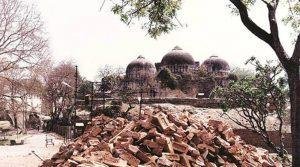
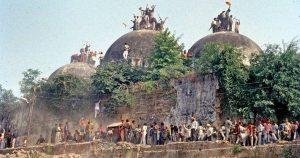
The gallery below showcases architectural fragments and structures associated with the site’s complex history, including elements studied by the Archaeological Survey of India.
Photo Gallery
7. Frequently Asked Questions (FAQs)
Is there a VIP darshan entry available?
Yes, the temple trust provides special entry passes for VIPs, senior citizens, and differently-abled devotees. These can be booked online via the official app. However, for general devotees, entry is free, and the queue system is efficient.
What are the entry timings for Shri Ram Lalla Darshan?
The temple opens at 6:00 AM and closes at 10:00 PM. The deity is removed for Shringar (decoration) and Bhog offering between 11:30 AM and 2:00 PM daily. Always check the official website for real-time updates.
Are mobile lockers available for free?
Yes, secure mobile lockers are available near the entry gates (Gates 1 through 8). The service is free of cost. It is advised to travel light as bags and luggage are not permitted inside.
Is photography allowed inside the temple complex?
No, photography is strictly prohibited inside the sanctum and the inner mandaps. Visitors must deposit cameras and phones at the lockers before the security check.
Can non-Hindus visit the Ram Janmabhoomi?
As per the rules set by the Shri Ram Janmabhoomi Teerth Kshetra Trust, entry to the sanctum is restricted to Hindus. The surrounding complex and gardens are generally accessible to all, but it is advised to check current regulations before planning a visit.
How far is the temple from Ayodhya Dham Junction?
The distance is approximately 3.5 kilometers, which takes about 10-15 minutes by auto-rickshaw or e-rickshaw.
Contact Details
Official Address:
Shri Ram Janmabhoomi Teerth Kshetra
Saryu Bagh, Ayodhya
Uttar Pradesh, 224123, India
Disclaimer: The information provided is based on 2026 projections and current guidelines. Timings and protocols are subject to change by the temple authorities.
Recent Posts

ओ सांवरे तूने ही मुझको संभाला – Lyrics & Meaning
ओ सांवरे तूने ही मुझको संभाला – A Prayer to Shyam Origin & Spiritual Essence Why This Bhajan Resonates Devotees chant this when overwhelmed by life’s storms—the refrain ‘तूने ही मुझको संभाला’ is the soul’s sigh of relief: “You…

कथा ये है महाराज मेरे की – Lyrics & Meaning
कथा ये है महाराज मेरे की छत्रपति संभाजी महाराज – A Prayer to Chhatrapati Sambhaji Maharaj Origin & Spiritual Essence Why This Bhajan Resonates Devotees chant this when their spirit feels tested—its powerful refrain “महाराज मेरे” is a soul’s…

Rigveda Samhita Yathartha Anuvada (ऋग्वेद संहिता यथार्थ अनुवाद) – Complete Set with Anvayartha & Hindi/English Translation
The Rigveda is the oldest surviving scripture of humanity and the foundational text of Sanātana Dharma. For serious students, scholars, UPSC aspirants studying ancient Indian history, Sanskrit learners, and spiritual seekers, a precise and grammatically structured translation is indispensable.…

आना भी अकेला है जाना भी अकेला है – Lyrics & Meaning | BharatTemples
आना भी अकेला है जाना भी अकेला है – A Prayer to the Divine Witness Origin & Spiritual Essence Why This Bhajan Resonates Devotees turn to this bhajan in moments of deep reflection—when life’s attachments begin to ache. The…

माता शेरावाली के द्वार जो भी जाता है – Lyrics & Meaning
माता शेरावाली के द्वार जो भी जाता है – A Prayer to Maa Sherawali Origin & Spiritual Essence Why This Bhajan Resonates Devotees turn to this bhajan in times of fear or uncertainty—its promise that no one leaves Maa’s…

मार लेना सपणी उबार लेणा भवरा – Lyrics & Meaning
मार लेना सपणी उबार लेणा भवरा – A Prayer to the Divine Beloved Origin & Spiritual Essence Why This Bhajan Resonates Devotees chant this in moments of deep vulnerability—its cry of “मार लेना सपणी, उबार लेणा भवरा” is the…

हमें श्याम सुंदर भरोसा तुम्हारा – Lyrics & Meaning
हमें श्याम सुंदर भरोसा तुम्हारा – A Prayer to Shyam Sundar Origin & Spiritual Essence Why This Bhajan Resonates Devotees chant this when feeling alone—its refrain ‘de do sahara’ is the soul’s cry for divine support. Lyrics in Hindi…

Mere Satguru Ne Di Thi Davai Lyrics in Hindi & Meaning
Mere Satguru Ne Di Thi Davai: Invoking the Guru’s Liberating Wisdom This soul-stirring bhajan venerates the Satguru (True Spiritual Master) as the divine physician who dispenses the only remedy for life’s deepest sufferings. Composed by Sant Karmaveer Tufani, it…

Janm Diyo Thari Maa Dukh Dekhiyo Lyrics in Hindi & Meaning
जन्म दियो थारी माँ दुख देखियो (Maa’s Grief Upon Birthing You) This soul-stirring Chetavani Bhajan (admonitory hymn) is addressed to the Divine Mother (Maa) – a call for repentance when children forget their filial duties in the dark age…
Bhadi Sabha Mein Thane Manaun Lyrics in Hindi & Meaning
Bhadi Sabha Mein Thane Manaun: Invoking the Spear-Wielding Mother Mata Bhawani (श्री ज्वाला भवानी), the fiery manifestation of Shakti worshipped as the Protector of Dharma in Her Dhaulagarh sanctum. Origin & Spiritual Essence Composed in Rajasthani folk tradition by…