
Contents
By the Lead Heritage Architect & SEO Strategist at bharattemples.com
Nestled in the bustling suburban landscape of Porur, Chennai, stands the Ramanatheeswarar Temple—a sacred beacon of devotion often revered as the Uttara Rameswaram (Northern Rameswaram). This ancient shrine, deeply entwined with the epic Ramayana, offers spiritual sanctuary to devotees seeking liberation from ancestral karma and the blessings of Lord Shiva as a Guru.
Introduction & Spiritual Essence
Primary Deity: Ramanatheeswarar (Lord Shiva)
Consort: Sivakama Sundari (Goddess Parvati)
Form: The Shiva Lingam is a Swayambhu (self-manifested) idol, which Lord Rama is said to have worshipped.
Phalaśruti: Why Devotees Visit
The temple is renowned for its unique ability to grant spiritual merit equivalent to a pilgrimage to Rameswaram. According to scriptural belief, visiting this temple washes away the sin of touching a Shiva Lingam with one’s feet—a specific Dhosham that Lord Rama himself sought to cleanse. It is also a powerful Guru Sthalam, where Lord Shiva is worshipped as the cosmic teacher, Guru Bhagavan, helping devotees overcome ignorance and find direction in life.
Historical Origins & Scriptural Legend
Architectural Dating: While the exact date of construction is not explicitly recorded in stone inscriptions, the structure is believed to be several centuries old, predating the colonial era of Madras. The temple has undergone renovations over time to preserve its sanctity.
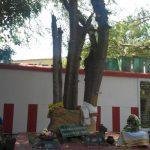
The Ramayana Connection: Tradition holds that during his war against Ravana, Lord Rama traveled through this region, which was then a dense forest (Kadhu). Resting under an Amla tree, his feet accidentally touched the head of a hidden Shiva Lingam. Realizing the gravity of touching the divine with one’s feet, Rama performed a severe penance.
According to temple records, Rama subsisted on a single Amla fruit for 48 days (Kalam). Pleased by this devotion, Lord Shiva emerged and granted Rama a Vishwaroopam (cosmic form). Rama named the deity Ramanatheeswarar (The Lord worshipped by Rama) and worshipped him as his Guru before proceeding to Lanka.
The Porur Mystery: The name Porur itself is derived from the Tamil words Por (War) and Ur (Village/Victorious), signifying the place where Rama learned the location of Sita and proceeded to wage war.
Architectural Marvels
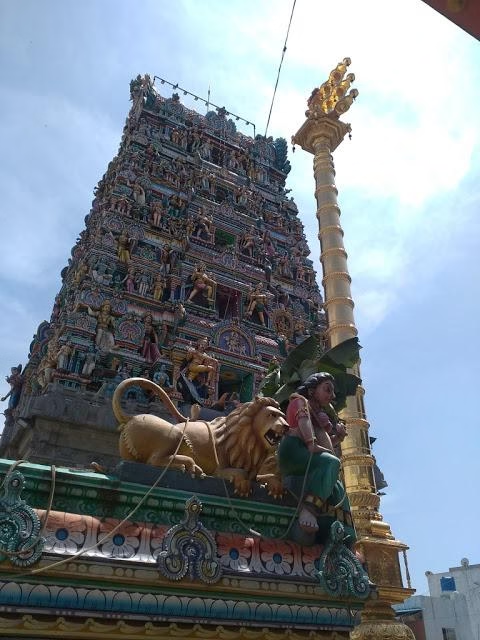
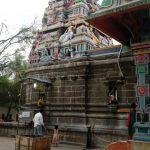
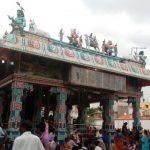
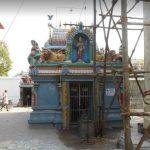
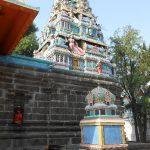
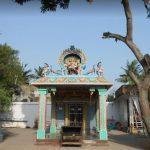
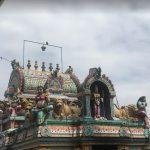
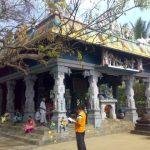
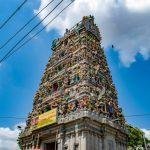
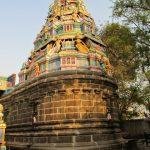
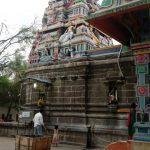
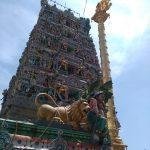
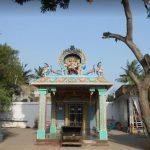
The temple showcases the classical Dravidian style of architecture, characterized by its imposing Shikhara (Rajagopuram) and intricate carvings.
- Mandapas: The temple features spacious Mandapas (pillared halls) with stone flooring, allowing for large gatherings during festivals.
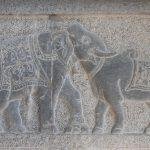
- Sculptures: The outer walls feature detailed sculptures depicting scenes from the Ramayana. The sanctum sanctorum is designed to align with Vastu Shastra principles, focusing on the magnetic flow of earth energies.
- Unique Feature: Unlike typical Shiva temples, the offering of Theertham (holy water) and Sadari (divine feet insignia) is practiced here—a ritual usually reserved for Vishnu temples, honoring Rama’s specific form of worship here.
- Status: While not a UNESCO site, it is a protected heritage structure maintained by local temple committees and devotees.
Darshan & Ritual Logistics (2026 Schedule)
Devotees planning their visit in 2026 should note the following schedules. The temple follows traditional timings, remaining open through the day with a midday closure.
Daily Timings
| Session | Timing |
|---|---|
| Morning Darshan | 06:00 AM – 11:30 AM |
| Midday Closure | 11:30 AM – 05:00 PM |
| Evening Darshan | 05:00 PM – 08:30 PM |
Key Sevas (Services)
- Abhishekam: Performed during morning hours. Devotees can sponsor Abhishekam for Lord Ramanatheeswarar.
- Archana: Personal prayers offered with the name and star of the devotee.
- Annadhanam: Community feeding (check availability on festival days).
Online Seva Booking
To facilitate devotees worldwide, the temple has streamlined digital offerings. While specific portals are updated annually, devotees are advised to visit the official temple website or contact the administration directly via email for 2026 booking links.
Email: ramanatheswarartempleporur@gmail.com
2026 Festival Calendar
The following major festivals will be celebrated with grandeur in 2026:
- Maha Shivaratri: February 26, 2026 (Major Night Vigil)
- Navarathri: September 22 – October 1, 2026 (Special Alankarams)
- Karthika Somavaram: Monthly (Dec 2025 – June 2026) – Highly auspicious for Lord Shiva.
- Panguni Uthiram: March 2026 (Celebrating the celestial wedding).
- Guru Peyarchi: Periods of Guru (Jupiter) transit are significant here due to the Guru Sthalam status.
Practical Visitor Guidance
Ensuring a smooth Darshan experience requires preparation.
- Dress Code: Traditional attire is mandatory. Men: Dhoti/Saree with shirt. Women: Saree, Salwar Kameez, or long skirts.
- Photography: Photography is strictly prohibited inside the inner sanctum (Garbhagriha). Flash photography in the Mandapas is discouraged to preserve the ancient paintings.
- Mobile Lockers: While the temple does not have automated lockers, a cloakroom service is usually available near the entrance for electronic devices and bags (check timings).
- Crowd Management:
Best Hours: Weekday mornings (06:30 AM – 08:00 AM) are least crowded.
Seasonal Advice: Chennai summers (April–June) are humid; carry water and a hand fan. Monsoon (Nov–Dec) requires light rain gear.
Pilgrimage Connectivity
The Temple is located at Eswaran Koil Street, Porur, Chennai – 600 116.
Transport Details
- Nearest Airport: Chennai International Airport (MAA) – Approximately 12 km (30-40 mins via NH48).
- Railway Stations:
- Guindy Railway Station – 8 km.
- Chennai Central – 29 km.
- Egmore Railway Station – 17 km.
- Bus Route: The temple is accessible via Porur – Kundrathur Road. Buses 54, 88C, 17M, 37G, 11H, and 49A ply on this route. The nearest landmark is the Porur EB Office Bus Stop (500 meters).
Nearby Sacred Sites (Circuit)
Expand your pilgrimage with these nearby destinations within 10-15 km:
- Mangadu Kamakshi Temple: 8 km away. A powerful Shakti Peetha associated with Lord Kartikeya.
- Kundrathur Murugan Temple: 9 km away. Located on a hill, this temple is unique for its scriptures depicting stories from the Bhagavata Purana.
- Sriperumbudur Adikesava Perumal Temple: Birthplace of Ramanuja (approx. 20 km). A key Vaishnava site complementing the Shiva worship at Porur.
Frequently Asked Questions
1. What is the significance of Sadari in a Shiva temple?
Usually, Sadari (the imprint of Vishnu’s feet) is offered in Vishnu temples. However, in Ramanatheeswarar Temple, it is offered because Lord Rama (an avatar of Vishnu) worshipped Lord Shiva here. It symbolizes the surrender of the ego to the Guru.
2. Is there a VIP Darshan entry available?
The temple management prioritizes devotees with accessibility issues and senior citizens. Special entry tickets (if applicable) are available at the counter near the entrance. For large groups or specific VIP requests, contacting the temple phone number (+91 44 2482 9955) in advance is recommended.
3. What is the best time to visit to avoid Chennai traffic?
Porur is a high-traffic zone. The best time to visit is early morning (06:30 AM) on weekdays. Avoid Sunday evenings and festival nights unless you are prepared for heavy crowds.
4. Is the temple accessible for senior citizens?
Yes, the Mandapas are flat, but the inner sanctum requires stepping up. Wheelchair access is available in the outer corridors, but assistance is needed for the inner sanctum.
This temple is considered one of the Navagraha Temples of the Thondai Mandalam (Chennai region). Specifically, it is linked to Guru (Jupiter). Worshipping here removes obstacles caused by malefic Jupiter in one’s horoscope.
Recent Posts

ओ सांवरे तूने ही मुझको संभाला – Lyrics & Meaning
ओ सांवरे तूने ही मुझको संभाला – A Prayer to Shyam Origin & Spiritual Essence Why This Bhajan Resonates Devotees chant this when overwhelmed by life’s storms—the refrain ‘तूने ही मुझको संभाला’ is the soul’s sigh of relief: “You…

कथा ये है महाराज मेरे की – Lyrics & Meaning
कथा ये है महाराज मेरे की छत्रपति संभाजी महाराज – A Prayer to Chhatrapati Sambhaji Maharaj Origin & Spiritual Essence Why This Bhajan Resonates Devotees chant this when their spirit feels tested—its powerful refrain “महाराज मेरे” is a soul’s…

Rigveda Samhita Yathartha Anuvada (ऋग्वेद संहिता यथार्थ अनुवाद) – Complete Set with Anvayartha & Hindi/English Translation
The Rigveda is the oldest surviving scripture of humanity and the foundational text of Sanātana Dharma. For serious students, scholars, UPSC aspirants studying ancient Indian history, Sanskrit learners, and spiritual seekers, a precise and grammatically structured translation is indispensable.…

आना भी अकेला है जाना भी अकेला है – Lyrics & Meaning | BharatTemples
आना भी अकेला है जाना भी अकेला है – A Prayer to the Divine Witness Origin & Spiritual Essence Why This Bhajan Resonates Devotees turn to this bhajan in moments of deep reflection—when life’s attachments begin to ache. The…

माता शेरावाली के द्वार जो भी जाता है – Lyrics & Meaning
माता शेरावाली के द्वार जो भी जाता है – A Prayer to Maa Sherawali Origin & Spiritual Essence Why This Bhajan Resonates Devotees turn to this bhajan in times of fear or uncertainty—its promise that no one leaves Maa’s…

मार लेना सपणी उबार लेणा भवरा – Lyrics & Meaning
मार लेना सपणी उबार लेणा भवरा – A Prayer to the Divine Beloved Origin & Spiritual Essence Why This Bhajan Resonates Devotees chant this in moments of deep vulnerability—its cry of “मार लेना सपणी, उबार लेणा भवरा” is the…

हमें श्याम सुंदर भरोसा तुम्हारा – Lyrics & Meaning
हमें श्याम सुंदर भरोसा तुम्हारा – A Prayer to Shyam Sundar Origin & Spiritual Essence Why This Bhajan Resonates Devotees chant this when feeling alone—its refrain ‘de do sahara’ is the soul’s cry for divine support. Lyrics in Hindi…

Mere Satguru Ne Di Thi Davai Lyrics in Hindi & Meaning
Mere Satguru Ne Di Thi Davai: Invoking the Guru’s Liberating Wisdom This soul-stirring bhajan venerates the Satguru (True Spiritual Master) as the divine physician who dispenses the only remedy for life’s deepest sufferings. Composed by Sant Karmaveer Tufani, it…

Janm Diyo Thari Maa Dukh Dekhiyo Lyrics in Hindi & Meaning
जन्म दियो थारी माँ दुख देखियो (Maa’s Grief Upon Birthing You) This soul-stirring Chetavani Bhajan (admonitory hymn) is addressed to the Divine Mother (Maa) – a call for repentance when children forget their filial duties in the dark age…
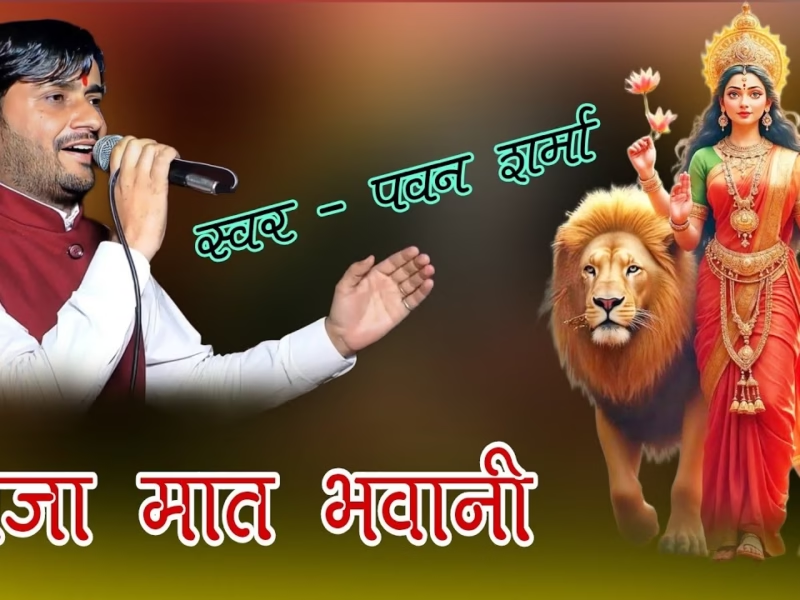
Bhadi Sabha Mein Thane Manaun Lyrics in Hindi & Meaning
Bhadi Sabha Mein Thane Manaun: Invoking the Spear-Wielding Mother Mata Bhawani (श्री ज्वाला भवानी), the fiery manifestation of Shakti worshipped as the Protector of Dharma in Her Dhaulagarh sanctum. Origin & Spiritual Essence Composed in Rajasthani folk tradition by…