Rishikesh Temples Guide: History, Darshan Timings & Complete Pilgrimage Info
Receive daily temple updates, divine darshan, and morning bhajans directly on WhatsApp.
Contents
- 1 Introduction & Spiritual Essence
- 2 Historical Origins & Scriptural Legend
- 3 Architectural Marvels
- 4 Darshan & Ritual Logistics
- 5 Practical Visitor Guidance
- 6 Pilgrimage Connectivity
- 7 Frequently Asked Questions (FAQ)
Introduction & Spiritual Essence
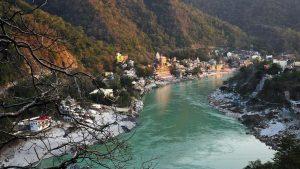
Rishikesh, often revered as the Gateway to the Garhwal Himalayas, stands majestically on the banks of the holy River Ganga. It is not merely a geographical location but a convergence of celestial energies. Historically known as Hrishikesh, derived from the words “Hrishika” (senses) and “Isha” (Lord), it signifies the “Lord of the Senses.” According to ancient texts, this is the sacred region where Lord Vishnu subdued the senses of the mighty Madhu-Kaitabha.
Phalaśruti (Spiritual Benefits): The spiritual magnetism of Rishikesh is unparalleled. It is believed that a pilgrimage here cleanses ancestral karma and grants Moksha (liberation). Unlike other pilgrimage sites where specific deities are worshipped, Rishikesh offers a unique Darshan of the Lord of the Senses within one’s own consciousness. It is the ultimate sanctum for spiritual purification.
Historical Origins & Scriptural Legend
According to the Skanda Purana, specifically the section known as Kedarkhand, the region of Rishikesh was once part of the legendary Kedarkhand. Tradition holds that the sage Raibhya Rishi performed severe penance here. Pleased by his devotion, Lord Vishnu appeared before him in the form of Hrishikesh. Consequently, this land was named after the divine vision.
Historical records suggest the establishment of the foundational temples by the Adi Shankaracharya in the 8th century. While specific dynastic records for every structure are sparse due to the region’s focus on asceticism rather than royalty, the physical infrastructure has evolved over millennia. The city serves as the eternal resting place for saints who have renounced the material world, documented in oral Sthala Puranas passed down through generations of Tapasvis residing in the Kuwan forests.
📖 Related: Chandi Devi Temple, Haridwar: History, Darshan Timings & Panch Tirth Guide
Architectural Marvels
The architecture of Rishikesh is a unique blend of traditional Himalayan styles and Gurjara-Dravida influences, characterized by stone masonry and intricate woodwork suited for the seismic zone. The city is a UNESCO-recognized heritage zone.
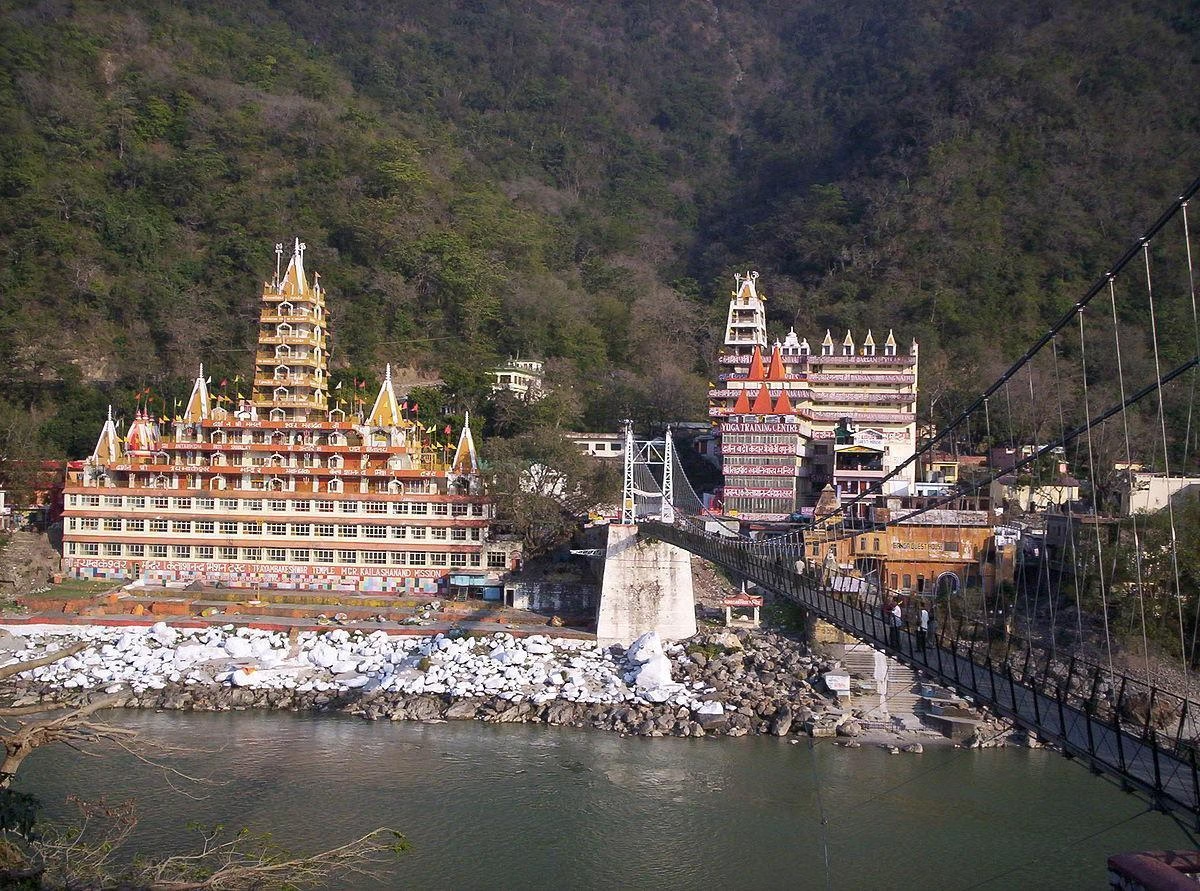
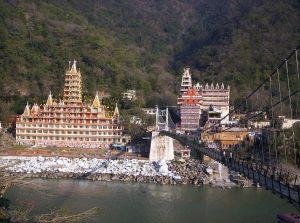
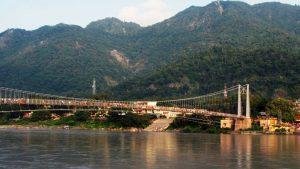
- The Jhulas (Suspension Bridges): The iconic Lakshman Jhula and Ram Jhula are marvels of civil engineering from the early 20th century. Originally constructed as jute rope bridges (replacing earlier versions mentioned in the Skanda Purana), they were rebuilt in iron after the floods of 1924. These structures serve not just as connectivity but as elevated pathways for Darshan of the Ganges.
- Ancient Temples: The Bharat Mandir, believed to be established by Adi Shankaracharya, features a classic Nagara style shikhara (spire). The temples of Lakshman and Shatrughna flanking the bridges exhibit detailed stone carvings depicting scenes from the Ramayana.
- Seven-Story Temple: Situated 24 km upstream from Haridwar at the confluence of the Chandrabhaga and Ganga, this temple acts as a sentinel guarding the spiritual gateway.
UNESCO Status: In September 2015, Rishikesh (along with Haridwar) was declared a “Twin National Heritage City,” ensuring the preservation of its unique cultural and architectural landscape.
Darshan & Ritual Logistics
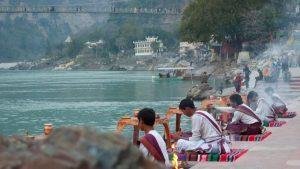
For the spiritual traveler, the rituals in Rishikesh are deeply connected to the rhythms of the river Ganga. Below is the schedule for the upcoming year, 2026.
Daily Darshan Timings (2026)
| Session | Timing | Activity |
|---|---|---|
| Morning | 06:00 AM – 12:00 PM | General Darshan & Morning Aarti |
| Afternoon | 12:00 PM – 04:00 PM | Temple Rest & Special Seva |
| Evening | 04:00 PM – 07:00 PM | Evening Darshan & Ganga Aarti |
Key Sevas & Booking
Devotees can participate in various rituals to invoke divine blessings. The most significant Sevas include:
- Ganga Abhishekam: Ritual bathing of the Shiva Lingam and Deities with Ganga water, milk, and honey.
- Mrityunjaya Jaap: Recitation of the Maha Mrityunjaya Mantra for health and longevity (108 repetitions).
- Shri Rudra Path: A complete Vedic recitation for purification.
📖 Related: Neelkanth Mahadev Temple: History, Darshan Timings & Guide
Online Booking: All official Sevas can be booked through the temple trust portal or authorized gateways. We recommend booking at least 48 hours in advance.
Major Festivals in 2026
- International Yoga Festival (Feb 2nd – Feb 7th): A global gathering of spiritual teachers.
- Maha Shivaratri: Night-long vigil and Abhishekam.
- Kartik Purnima (Nov 5th): Deep Daan (offering of lamps) in the Ganges.
- Deepavali: The city illuminates with thousands of earthen lamps.
Practical Visitor Guidance
Code of Conduct & Essentials
As a sacred pilgrimage town and a “Twin National Heritage City,” Rishikesh maintains a strict code of conduct to preserve its sanctity.
- Dietary Restrictions: Strictly prohibited: Non-vegetarian food, eggs, fish, and alcohol. Rishikesh is a vegetarian city. If found carrying these items, they will be confiscated at city checkpoints.
- Dress Code: Modest attire is mandatory. Men should wear dhoti/pants and shirts; women should wear sarees, salwar kameez, or full-length dresses. Avoid shorts and sleeveless tops inside temple premises.
- Photography & Gadgets: Photography of the main deity sanctums is generally prohibited. Mobile phones are allowed but must be kept on silent. Lockers are available near temple entrances for electronic devices.
- Accessibility: The main ghats and major temples like Ram Jhula are accessible via paved roads, though steps are required for inner sanctums. Wheelchairs are available upon prior request.
Crowd Management & Seasons
- Best Hours: 6:00 AM – 8:00 AM for a peaceful Darshan. Avoid weekends and the peak hours of 6:00 PM – 7:00 PM when Ganga Aarti draws massive crowds.
- Summer (April-June): Days are hot; carry ample water and a hat. Temple visits are best done early morning or late evening.
- Monsoon (July-Sept): The Ganges swells; river activities may be restricted. The temples remain open, but caution is advised near the banks.
- Winter (Oct-Feb): The ideal time for pilgrimage. Temperatures range from 8°C to 20°C.
Pilgrimage Connectivity
How to Reach Rishikesh
Rishikesh is well-connected by road, rail, and air.
- By Air: The nearest airport is Jolly Grant Airport (DED), Dehradun, located approximately 20 km from Rishikesh. Taxis are readily available.
- By Rail: The nearest railway station is Haridwar Junction (HW), about 25 km away. From there, regular buses and taxis connect to Rishikesh.
- By Road: Rishikesh is situated on NH-7 (now NH-34). Regular bus services connect Delhi (approx. 6-7 hours) and Dehradun.
📖 Related: Guptakashi Temple: History, Timings & Complete Kedarnath Guide
Nearby Sacred Sites (Pilgrimage Circuit)
Extend your spiritual journey by visiting these nearby tirthas:
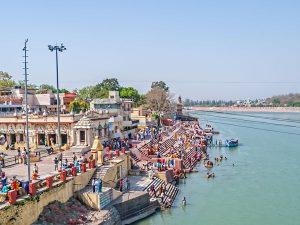
- Haridwar (25 km): Known as the “Gateway to God,” visit Har Ki Pauri for the grand evening Aarti.
- Dehradun (45 km): Home to the sacred Tapkeshwar Mahadev Temple and the Forest Research Institute.
- Neelkanth Mahadev Temple (32 km): Located high in the hills, this temple is dedicated to Lord Shiva and marks the site where he consumed the poison (Halahala) during the Samudra Manthan.
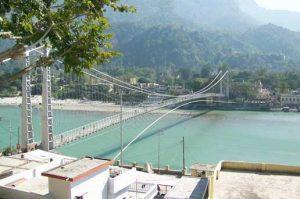
lakshman-jhula-rishikesh, Rishikesh, Dehradun, Uttarakhand
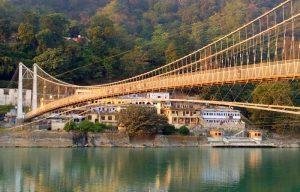
ram-jhula-rishikesh, Rishikesh, Dehradun, Uttarakhand
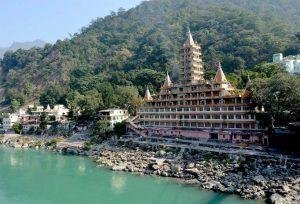
Tera-Manzil-Temple-Rishikesh, Rishikesh, Dehradun, Uttarakhand
GettyImages-680790652, Rishikesh, Dehradun, Uttarakhand
Uttarakhand_Rishikesh_Rishikesh-in-Uttarakhand
maxresdefault (79), Rishikesh, Dehradun, Uttarakhand
1200px-Rishikesh_view_across_bridge

rishikesh-banner1, Rishikesh, Dehradun, Uttarakhand
rishikesh-banner5, Rishikesh, Dehradun, Uttarakhand
rishikesh-banner4, Rishikesh, Dehradun, Uttarakhand
Frequently Asked Questions (FAQ)
1. Is VIP Darshan available in Rishikesh temples?
Yes, most major temples, including Neelkanth Mahadev and the ancient Bharat Mandir, offer special entry tickets or “Vipra Darshan” passes. These can usually be purchased at the temple counter or booked online.
2. Can I take a dip in the Ganga in Rishikesh?
Absolutely. Bathing in the Ganga is a primary ritual. However, the river currents are strong. Use the designated bathing Ghats (like Triveni Ghat or Parmarth Ghat) and avoid deep waters, especially during the monsoon season.
3. Is photography allowed inside the temples?
Photography of the outer architecture is permitted. However, photography of the sanctum sanctorum (Garbhagriha) and the main deity is strictly prohibited. Video recording is often restricted entirely inside the temple premises.
4. What is the connection between Rishikesh and Lord Rama?
According to the Sthala Purana, Lord Rama performed penance here to atone for the sin of killing Ravana, a Brahmin. The Lakshman Jhula marks the spot where his younger brother, Lakshmana, crossed the Ganges using a jute rope bridge.
5. Are mobile network and internet facilities good?
Yes, Rishikesh has excellent connectivity. All major telecom providers offer 4G/5G services. Most ashrams and hotels provide Wi-Fi, though connectivity may fluctuate during heavy tourist seasons or weather events.