
Contents
Introduction & Spiritual Essence: The Divine Presence of Sadhimataji
Nestled in the serene village of Kherva, just south of Mehsana, stands the revered Sadhimataji Temple. This sacred shrine is not merely a structure of stone and mortar but a living spiritual abode for the devotees of Sadhimata (also known locally as Sadhamata). The primary deity, a fierce yet benevolent manifestation of the Divine Mother, is worshipped here as the Kuldevi (family goddess) of the Raval Yogi Community. In local traditions, she is often considered a form of Mataji or Ambaji, radiating protective grace.
Phalaśruti: The Spiritual Benefits
Devotees flock to this temple barefoot with deep faith, believing that Sadhimataji removes obstacles and fulfills sincere wishes. According to temple lore, a visit to this shrine helps in:
- Cleansing Ancestral Karma: As a powerful Kuldevi, she is believed to bless the lineage and resolve ancestral disputes.
- Protection from Negativity: The deity is venerated for shielding devotees from evil influences and granting mental peace.
- Resolution of Desires: Whether it is health, prosperity, or familial harmony, local faith suggests that prayers offered here with a pure heart are answered miraculously.
Historical Origins & Scriptural Legend
While the temple is an ancient site of worship, its current structure bears the marks of devoted construction by the local community.
The Founding and Renovations
According to the oral history passed down through generations, the temple was originally established by Shree Khodabhai Raval, a former priest and ancestor of the current custodians. The temple is managed by the hereditary line of Raval Yogis, with Manoj Raval currently serving as the head priest (Pujari). The structure has undergone several renovations to preserve its sanctity, including the addition of a sturdy terrace roof and a spacious front yard to accommodate large gatherings.
The Stala Purana (Local Legend)
Tradition holds that the sacred spot where the temple stands today was once the meditation ground of ancient sages. The Sthala Purana narrates that the goddess manifested here to protect the local agrarian community and the Raval Yogi sect. Unlike grand palace-temples commissioned by emperors, Sadhimataji’s temple is a testament to the grassroots devotion of the bhaktas (devotees). It is believed that the ancient Neem tree sheltering the temple grounds was the first place where the deity was naturally worshipped before the sanctum was built.
Architectural Marvels
The temple is a beautiful example of Gujarati Vernacular temple architecture, blending simple functionality with deep spiritual aesthetics.
Structural Details
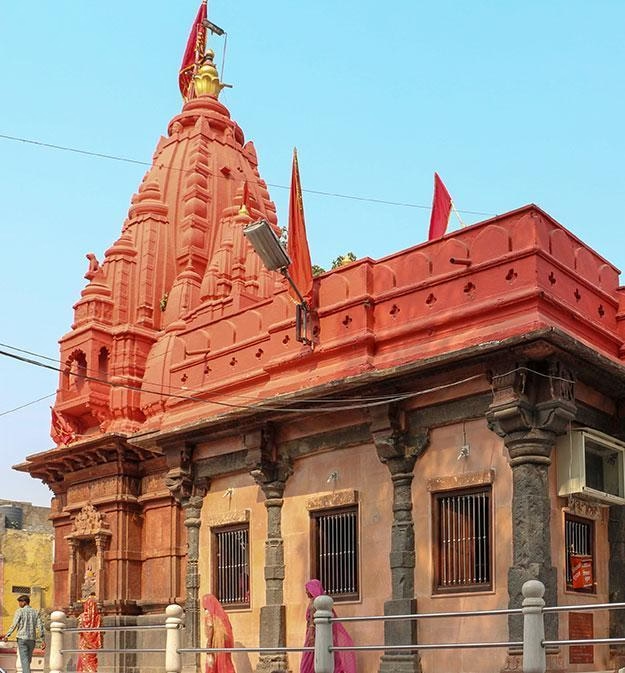
The sanctum sanctorum is built under the shade of a massive, ancient Neem tree, adding to the mystic aura of the site. A distinctive rectangular dome covers the inner shrine, protecting the deities from the elements. The temple is covered with a cement terrace, ensuring durability, while the exterior features a white and pink finish typical of Gujarati temples.
Premises and Layout
A notable feature of the temple is its vast open front yard, which facilitates large-scale gatherings during festivals. Behind the main temple, a large open space is utilized for the annual fair (Melo). An inn-like structure exists behind the shrine, providing shelter for pilgrims traveling from distant villages. A dedicated room for the Pujari ensures that rituals are performed without interruption. The temple faces the Mehsana-Kalol highway, offering a spiritual beacon to passing travelers.
Darshan & Ritual Logistics
Visiting Sadhimataji Temple is an immersive experience. Below are the operational details for 2026.
Daily Timings
Timings may vary slightly during major festivals. Special timings are announced via the temple trust.
| Session | Timing | Activity |
|---|---|---|
| Morning Darshan | 06:00 AM – 12:00 PM | Mangala Aarti & Shringar |
| Afternoon Break | 12:00 PM – 04:00 PM | Temple Rest/Deep Cleaning |
| Evening Darshan | 04:00 PM – 08:30 PM | Sandhya Aarti & Bhajan |
Key Sevas & Booking
Devotees can participate in various rituals. While on-site bookings are available, the temple is increasingly digitizing its services.
- Abhishekam: Ritual bathing of the deity. Best performed during morning hours.
- Archana: Personalized chanting of the goddess’s names.
- Annadanam: Community meal service, usually available on Sundays.
- Online Seva Booking: Visit the official trust website or the [temple portal] to book Sevas in advance. Search for “Sadhimataji Temple online seva booking” on the official trust portal.
2026 Major Festival Dates
The temple comes alive during specific festivals. Mark your calendar:
- Navratri: October 18 – October 26, 2026. Special Garba nights and Maha Aarti are held.
- Dharo Atham No Melo: The temple’s most significant annual fair takes place on Bhadrav Sud Aatham. (Estimated Date: September 2026 – based on the Hindu Panchang).
- New Year (Vikram Samvat): Locals visit barefoot on the first day of the Hindu New Year.
Practical Visitor Guidance
Ensuring a smooth darshan experience requires some preparation.
Code of Conduct & Essentials
Dress Code: As with all Hindu temples, modest attire is required. Men should wear dhotis or long trousers; women are requested to wear sarees, salwars, or full-length skirts.
Photography: Photography inside the sanctum sanctorum is strictly prohibited to maintain the sanctity of the deity. External photography of the architecture is usually permitted, but always check with the Pujari.
Accessibility: The temple grounds are flat, but the sanctum involves a few steps. Assistance for elderly devotees is available upon request from the Pujari.
Crowd Management & Seasons
Best Hours: For a peaceful darshan, visit between 6:00 AM and 8:00 AM or after 7:00 PM on weekdays.
Seasonal Advice: Summers (April–June) in Mehsana are scorching; carry water and head coverings. During the Monsoon (July–August), be cautious of slippery temple steps. The winter months (November–February) offer the most pleasant weather for pilgrimage.
Pilgrimage Connectivity
The temple’s location on the Mehsana-Kalol highway makes it easily accessible for a day trip or a multi-day pilgrimage circuit.
How to Reach
- By Air: Nearest airport is Sardar Vallabhbhai Patel International Airport (AMD), Ahmedabad (approx. 80 km / 1.5 hours).
- By Rail: The nearest railway stations are Mehsana Junction (11 km) and Jagudan (approx. 10 km). Taxis and local buses are available from both.
- By Road: The temple is located just 2.5 km south of Kherva village via the Mehsana-Kalol Highway. It is well connected to National Highway 64.
Nearby Sacred Sites (Pilgrimage Circuit)
While in the Mehsana region, devotees often visit:
- Umiya Mataji Temple (Unjha): Just 30 km away, this is one of the largest temples dedicated to the Kuldevi of the Patidar community.
- Modhera Sun Temple: A UNESCO World Heritage site located 25 km from Mehsana, showcasing stunning Chalukyan architecture.
- Visnagar (Kamala Ambaji Temple): A historic site approximately 20 km from Kherva.
Frequently Asked Questions (FAQ)
1. Is there a VIP darshan entry at Sadhimataji Temple?
No, the temple does not have a formal VIP or paid darshan queue. However, devotees with prior appointments for specific Sevas (like Abhishekam) are allowed entry during ritual hours.
2. What is the significance of visiting on Sunday and Tuesday?
Locals believe that Sunday and Tuesday are particularly auspicious days dedicated to the fulfillment of wishes. Many devotees undertake a barefoot journey to the temple on these days.
3. Is there accommodation available near the temple?
While the temple has a small inn for basic rest, most pilgrims prefer staying in Mehsana city (11 km away) which offers hotels and guesthouses for all budgets.
4. Are there any specific rituals for ancestors?
Yes, rituals for ancestral peace (Shraddha) can be performed. It is recommended to contact the head priest, Manoj Raval, at least one day in advance to arrange the necessary materials.
5. What is the contact number for the temple?
For current updates and pujari contact details, please refer to the local administration listings or the official temple trust notice board at the entrance.
Recent Posts

Shri Kaamkoteeshwar Mandir, Varanasi – History & Significance
In the heart of Kashi, the eternal city of Lord Shiva, where the Ganges flows with celestial grace, stands the Shri Kaamkoteeshwar Mandir. This sacred Sannidhi is not merely a temple but a profound spiritual bridge between the Northern…

ओ सांवरे तूने ही मुझको संभाला – Lyrics & Meaning
ओ सांवरे तूने ही मुझको संभाला – A Prayer to Shyam Origin & Spiritual Essence Why This Bhajan Resonates Devotees chant this when overwhelmed by life’s storms—the refrain ‘तूने ही मुझको संभाला’ is the soul’s sigh of relief: “You…

कथा ये है महाराज मेरे की – Lyrics & Meaning
कथा ये है महाराज मेरे की छत्रपति संभाजी महाराज – A Prayer to Chhatrapati Sambhaji Maharaj Origin & Spiritual Essence Why This Bhajan Resonates Devotees chant this when their spirit feels tested—its powerful refrain “महाराज मेरे” is a soul’s…

Rigveda Samhita Yathartha Anuvada (ऋग्वेद संहिता यथार्थ अनुवाद) – Complete Set with Anvayartha & Hindi/English Translation
The Rigveda is the oldest surviving scripture of humanity and the foundational text of Sanātana Dharma. For serious students, scholars, UPSC aspirants studying ancient Indian history, Sanskrit learners, and spiritual seekers, a precise and grammatically structured translation is indispensable.…

आना भी अकेला है जाना भी अकेला है – Lyrics & Meaning | BharatTemples
आना भी अकेला है जाना भी अकेला है – A Prayer to the Divine Witness Origin & Spiritual Essence Why This Bhajan Resonates Devotees turn to this bhajan in moments of deep reflection—when life’s attachments begin to ache. The…

माता शेरावाली के द्वार जो भी जाता है – Lyrics & Meaning
माता शेरावाली के द्वार जो भी जाता है – A Prayer to Maa Sherawali Origin & Spiritual Essence Why This Bhajan Resonates Devotees turn to this bhajan in times of fear or uncertainty—its promise that no one leaves Maa’s…

मार लेना सपणी उबार लेणा भवरा – Lyrics & Meaning
मार लेना सपणी उबार लेणा भवरा – A Prayer to the Divine Beloved Origin & Spiritual Essence Why This Bhajan Resonates Devotees chant this in moments of deep vulnerability—its cry of “मार लेना सपणी, उबार लेणा भवरा” is the…

हमें श्याम सुंदर भरोसा तुम्हारा – Lyrics & Meaning
हमें श्याम सुंदर भरोसा तुम्हारा – A Prayer to Shyam Sundar Origin & Spiritual Essence Why This Bhajan Resonates Devotees chant this when feeling alone—its refrain ‘de do sahara’ is the soul’s cry for divine support. Lyrics in Hindi…

Mere Satguru Ne Di Thi Davai Lyrics in Hindi & Meaning
Mere Satguru Ne Di Thi Davai: Invoking the Guru’s Liberating Wisdom This soul-stirring bhajan venerates the Satguru (True Spiritual Master) as the divine physician who dispenses the only remedy for life’s deepest sufferings. Composed by Sant Karmaveer Tufani, it…

Janm Diyo Thari Maa Dukh Dekhiyo Lyrics in Hindi & Meaning
जन्म दियो थारी माँ दुख देखियो (Maa’s Grief Upon Birthing You) This soul-stirring Chetavani Bhajan (admonitory hymn) is addressed to the Divine Mother (Maa) – a call for repentance when children forget their filial duties in the dark age…