
Contents
- 1 Shakatambika Temple Paswadal: A Definitive Pilgrimage Guide
Shakatambika Temple Paswadal: A Definitive Pilgrimage Guide
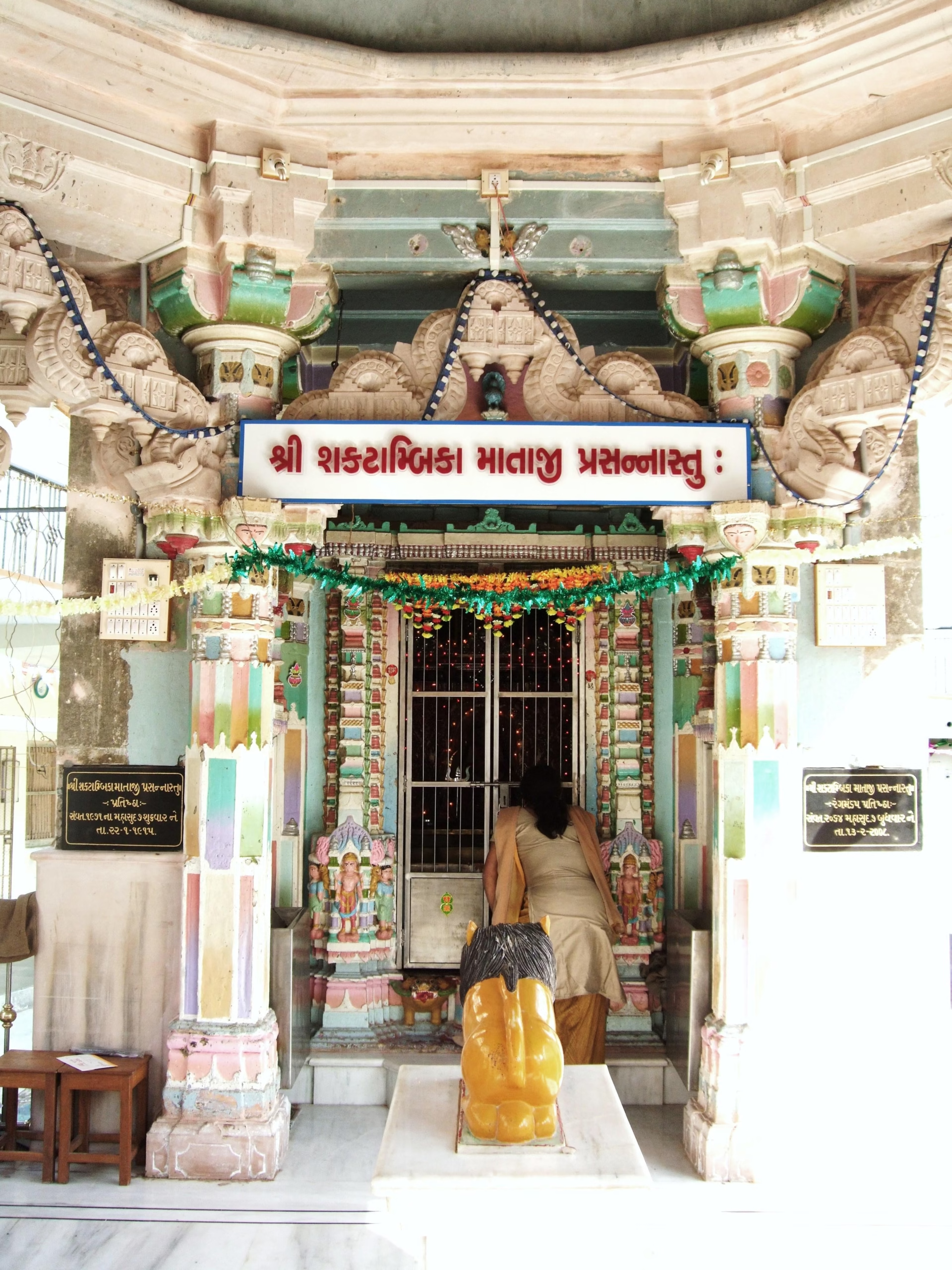
In the heart of North Gujarat, nestled in the quiet village of Paswadal near the historical town of Sidhpur, stands the ancient Shri Shakatambika Mataji temple. This sacred site is not merely a structure of stone but a living spiritual repository for the Gautam Gotra—the descendants of the revered Sage Gautama. Serving as the ancestral deity (Kuldevi) for thousands of Brahmin families, the temple radiates a vibration of ancient Shakti (divine energy).
For the devout pilgrim, a visit to Shakatambika is a journey into lineage and legacy. It is a place to offer gratitude, seek ancestral blessings, and witness the resilience of faith that has survived for over a millennium.
1. Introduction & Spiritual Essence
The Divine Form of Shakatambika
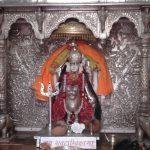
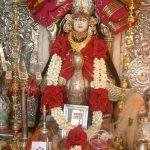
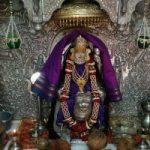
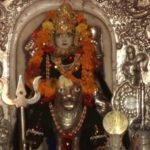
The primary deity of the temple is Shri Shakatambika Mataji, worshipped as the Kuldevi (Family Goddess). While the specific iconographic details are unique to local traditions, the Goddess represents the supreme cosmic energy (Adi Shakti). Unlike the fierce forms of battle, Shakatambika is revered as the benevolent protector of the lineage, a guardian who oversees the well-being of her descendants.
Phalaśruti: Why Visit?
Devotees, particularly those belonging to the Gautam Gotra, undertake this pilgrimage for specific spiritual benefits:
- Ancestral Blessings: The temple is pivotal for performing rites honoring ancestors. It is believed that offering prayers here helps cleanse Pitru Dosha (ancestral karma).
- Family Harmony: As the family deity, Shakatambika is invoked for the removal of domestic disputes and the prosperity of future generations.
- Spiritual Merit: The location is steeped in the energy of ancient penance, making it ideal for the accumulation of Punya (spiritual merit).
2. Historical Origins & Scriptural Legend
The Solanki Legacy
According to temple records and oral history, the roots of Shakatambika trace back to the reign of King Mulraj Solanki (circa 10th-11th century AD). The King, ruling from his capital at Siddhpur-Patan, sought to atone for past injustices and the persecution of Brahmins by constructing the grand Rudra Mahalaya in Siddhpur.
The Legend of Pushpawati
Tradition holds that to consecrate the Rudra Mahalaya, the King invited 1,037 learned Brahmins, including scholars from the Gautam Gotra. These Brahmins were traveling with their ancestral deity in a caravan. As they passed through the ancient city of Pushpawati (located near present-day Sidhpur), their caravan halted mysteriously.
Recognizing this as a divine sign, the Goddess indicated her desire to remain in the city. The Brahmins established her presence there, and she became known as Shaktambika (The Mother of Power). In gratitude and reverence, King Mulraj Solanki donated the entire city to the Gautami Brahmins, who became known as the Pushpadaliya (those of the flower city).
Decline and Resurrection
Legend speaks of a curse that later led to the demolition of Pushpawati, leaving it in ruins. For centuries, the location was lost. However, approximately 800 years later, evidence of the temple of ‘Ambaji Mataji’ (a regional epithet for the deity) was rediscovered by the Rabari community. The temple underwent a vital rehabilitation on Friday, the 7th of Maha Sud (1971). Since then, the temple has flourished, with continuous expansions funded by devotees and the Brahmin community.
3. Architectural Marvels
Temple Style and Structure
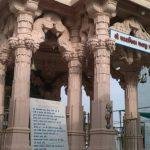
While the current structure is a result of modern renovations, the temple follows traditional Nagara style architectural principles typical of North Gujarat. The sanctum sanctorum (Garbhagriha) is designed to hold the cosmic energy of the deity, with a focus on verticality (Shikhara) representing the ascent to the divine.
The complex includes spacious halls for large gatherings, specifically during family reunions and festivals. The recent construction of rooms and a community kitchen reflects the Atithi Devo Bhava (Guest is God) principle, ensuring pilgrims are well-fed.

4. Darshan & Ritual Logistics
Daily Temple Timings
The temple remains open throughout the day with a brief afternoon closure. Specific timings are subject to local announcements and festival schedules.
| Session | Timing | Activity |
|---|---|---|
| Morning | 6:00 AM – 12:00 PM | Mangala Darshan, Morning Aarti |
| Afternoon | 12:00 PM – 4:00 PM | Temple Closure / Cleaning |
| Evening | 4:00 PM – 8:30 PM | Evening Darshan, Sandhya Aarti |
Key Sevas and Offerings
Devotees can participate in various rituals. While some may require advance booking, many are performed on-site.
- Abhishekam: Ritual bathing of the idol with milk, honey, and ghee. Best performed during morning hours.
- Archana: Recitation of the Goddess’s names. Specific Sankalpas (intentions) can be made for family members.
- Naivedyam: Offering of food. The temple kitchen prepares community meals on special days.
2026 Festival Calendar & Online Seva Booking
Note: Dates are based on the 2026 Hindu Panchangam.
- Navratri (Shardiya): October 18 – October 26, 2026. This is the most auspicious time to visit. The temple is decorated with Garba dances performed in the evenings.
- Chaitra Navratri: April 6 – April 14, 2026. A secondary peak period for pilgrimage.
- Deepavali: November 1, 2026. Special lighting and Maha Aarti.
Online Seva Booking: Currently, the temple administration (Gautam Samaj) manages direct bookings. However, for major festivals, it is advisable to contact the temple trust at 02739270385 or visit their official social media pages for digital donation links.
5. Practical Visitor Guidance
Code of Conduct and Dress
- Dress Code: Traditional attire is recommended. Men should wear Dhoti or Kurta-Pajama; Women should wear Saree or Salwar Kameez. Modesty is strictly observed within the sanctum.
- Photography: Photography of the inner sanctum is generally prohibited to maintain the sanctity of the Darshan. Exterior shots are permitted.
- Mobile Phones: Please switch your phone to silent mode. Lockers are not available on-site, so it is best to leave valuables in your vehicle.
Accessibility and Crowd Management
The temple is located in a village setting. The flooring is even, but ramps for wheelchairs may be limited.
Best Hours to Visit: To avoid the rush of local devotees, visit between 9:00 AM and 11:00 AM. During Navratri, early morning (before 8:00 AM) is essential.
Seasonal Advice: Gujarat summers (April–June) can be intensely hot. Carry a water bottle and head covering. The monsoon season brings relief but can make the approach roads slightly slippery.
6. Pilgrimage Connectivity
How to Reach
Paswadal is well-connected by road and rail to major cities in Gujarat.
- By Air: The nearest airport is Steamer Vadodara (BDQ) (approx. 140 km) or Ahmedabad (AMD) (approx. 165 km).
- By Train: The nearest railway junction is Sidhpur (approx. 15 km). Alternatively, Chhapi station is nearby. From Sidhpur, taxis and autos are readily available to Paswadal.
- By Road: Paswadal is located off the State Highway 71 (SH-71). It connects to the Ahmedabad – Radhanpur Highway (NH 64). Buses are available from Sidhpur and Patan.
Nearby Sacred Sites
Extend your pilgrimage by visiting these nearby spiritual destinations:
- Shri Rudra Mahalaya (Sidhpur): The architectural marvel built by King Mulraj Solanki, linked directly to the history of Shakatambika.
- Patan (Anandpur Patan): The historic capital of the Chaulukya dynasty, home to the UNESCO World Heritage site Rani Ki Vav and the Sahastralinga Talav.
- Modhera Sun Temple: A masterpiece of Chalukyan architecture located roughly 35 km from Patan.
7. Frequently Asked Questions (FAQs)
1. Is this temple only for Brahmins of the Gautam Gotra?
While Shakatambika is the Kuldevi specifically of the Gautam Gotra (descendants of Sage Gautama), the temple is open to all devotees. However, specific family rituals and Gotra-based Sevas are primarily attended by the Brahmin community associated with the deity.
2. Is there a VIP Darshan entry available?
The temple administration does not generally enforce a strict VIP/Darshan system like large state-run temples. However, for elderly devotees or large groups, it is advisable to contact the caretaker or the office bearers of the Gautam Samaj prior to arrival for assistance.
3. Are accommodation facilities available at the temple?
Yes, recent developments include the construction of halls and rooms on the temple premises. These are primarily for pilgrims. It is recommended to book in advance, especially during Navratri. Alternatively, hotels are available in Sidhpur (15 km away).
4. What is the significance of the name “Shakatambika”?
While the exact etymology is rooted in regional dialects, the name combines Shakta (relating to the worship of Shakti) and Ambika (Mother). It signifies the Goddess as the ultimate Mother who bestows power and protection upon her devotees.
5. What are the rituals for Gotra Shanti?
For those seeking to restore harmony to their lineage, Shakatambika is the ideal deity. Rituals typically involve specific Mantras recited by priests well-versed in Vedic traditions. These can be arranged at the temple by prior notice.
About the Author: This guide was compiled by the Heritage & SEO team at bharattemples.com. We strive to preserve the digital legacy of India’s sacred architecture while ensuring accessibility for modern pilgrims.
Recent Posts

Shri Kaamkoteeshwar Mandir, Varanasi – History & Significance
In the heart of Kashi, the eternal city of Lord Shiva, where the Ganges flows with celestial grace, stands the Shri Kaamkoteeshwar Mandir. This sacred Sannidhi is not merely a temple but a profound spiritual bridge between the Northern…

ओ सांवरे तूने ही मुझको संभाला – Lyrics & Meaning
ओ सांवरे तूने ही मुझको संभाला – A Prayer to Shyam Origin & Spiritual Essence Why This Bhajan Resonates Devotees chant this when overwhelmed by life’s storms—the refrain ‘तूने ही मुझको संभाला’ is the soul’s sigh of relief: “You…

कथा ये है महाराज मेरे की – Lyrics & Meaning
कथा ये है महाराज मेरे की छत्रपति संभाजी महाराज – A Prayer to Chhatrapati Sambhaji Maharaj Origin & Spiritual Essence Why This Bhajan Resonates Devotees chant this when their spirit feels tested—its powerful refrain “महाराज मेरे” is a soul’s…

Rigveda Samhita Yathartha Anuvada (ऋग्वेद संहिता यथार्थ अनुवाद) – Complete Set with Anvayartha & Hindi/English Translation
The Rigveda is the oldest surviving scripture of humanity and the foundational text of Sanātana Dharma. For serious students, scholars, UPSC aspirants studying ancient Indian history, Sanskrit learners, and spiritual seekers, a precise and grammatically structured translation is indispensable.…

आना भी अकेला है जाना भी अकेला है – Lyrics & Meaning | BharatTemples
आना भी अकेला है जाना भी अकेला है – A Prayer to the Divine Witness Origin & Spiritual Essence Why This Bhajan Resonates Devotees turn to this bhajan in moments of deep reflection—when life’s attachments begin to ache. The…

माता शेरावाली के द्वार जो भी जाता है – Lyrics & Meaning
माता शेरावाली के द्वार जो भी जाता है – A Prayer to Maa Sherawali Origin & Spiritual Essence Why This Bhajan Resonates Devotees turn to this bhajan in times of fear or uncertainty—its promise that no one leaves Maa’s…

मार लेना सपणी उबार लेणा भवरा – Lyrics & Meaning
मार लेना सपणी उबार लेणा भवरा – A Prayer to the Divine Beloved Origin & Spiritual Essence Why This Bhajan Resonates Devotees chant this in moments of deep vulnerability—its cry of “मार लेना सपणी, उबार लेणा भवरा” is the…

हमें श्याम सुंदर भरोसा तुम्हारा – Lyrics & Meaning
हमें श्याम सुंदर भरोसा तुम्हारा – A Prayer to Shyam Sundar Origin & Spiritual Essence Why This Bhajan Resonates Devotees chant this when feeling alone—its refrain ‘de do sahara’ is the soul’s cry for divine support. Lyrics in Hindi…

Mere Satguru Ne Di Thi Davai Lyrics in Hindi & Meaning
Mere Satguru Ne Di Thi Davai: Invoking the Guru’s Liberating Wisdom This soul-stirring bhajan venerates the Satguru (True Spiritual Master) as the divine physician who dispenses the only remedy for life’s deepest sufferings. Composed by Sant Karmaveer Tufani, it…

Janm Diyo Thari Maa Dukh Dekhiyo Lyrics in Hindi & Meaning
जन्म दियो थारी माँ दुख देखियो (Maa’s Grief Upon Birthing You) This soul-stirring Chetavani Bhajan (admonitory hymn) is addressed to the Divine Mother (Maa) – a call for repentance when children forget their filial duties in the dark age…