
Contents
- 1 Shani Dham Temple: The Definitive Pilgrimage Guide
Shani Dham Temple: The Definitive Pilgrimage Guide
By Bharat Temples Editorial Team | Updated: January 2026
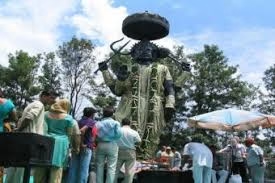
Nestled in the spiritual greenery of Chhatarpur, New Delhi, Shani Dham Temple stands as a monumental sanctuary for devotees seeking the blessings of Lord Shani (Saturn). Known for housing the world’s tallest statue of Shani Dev, this temple is not merely an architectural feat but a powerful center of Vedic energy and astrology. This guide serves as your comprehensive manual for history, darshan, and spiritual navigation.
1. Introduction & Spiritual Essence
The Deity: Lord Shani (Saneeshwara)
The primary deity here is Lord Shani, the regulator of karma, justice, and the karmic balance of the universe. In Vedic astrology, Shani represents discipline, restriction, and the consequences of past actions. While often misunderstood as a harbinger of ill-will, Shani Dev is actually a great teacher who rewards patience, integrity, and hard work.
Why Devotees Visit: The Phalaśruti (Spiritual Benefits)
Devotees flock to Shani Dham to:
- Neutralize Shani Dasha: Mitigate the negative effects of the “Sade Sati” (7.5-year cycle) and “Dhaiya” (2.5-year transit).
- Cleansing Ancestral Karma: Performing rituals to free ancestors from past karmic debts.
- Success in Litigation: Lord Shani is the patron of justice and is worshipped to resolve legal disputes.
- Mental Peace: The heavy, grounding energy of the black stone idol induces a state of meditative calm.
2. Historical Origins & Scriptural Legend
The Modern Legend of Shani Dham
Unlike ancient temples dating back centuries, Shani Dham is a modern marvel rooted in deep spiritual practice. According to temple records, the construction culminated on May 31, 2003. On this day, the world’s tallest statue of Lord Shani was unveiled by Anant Shree Vibhushit Jagat Guru Shankracharya Swami Madhavasharam Ji Maharaj.
The Ritual of Manifestation
Tradition holds that before the idol was installed, Shree Shani Dham Peethadeshwar Sant Shiromani Shani Charanuragi ‘Datti’ Madan Maharaj Rajasthani Ji performed an immense spiritual feat. He chanted the Shani Mantras 103,200,000 (One Hundred Three Crores and Twenty Lakhs) times within the sacred grove. This intense Tapasya (meditative penance) is believed to have infused the black marble idol with divine presence, making it a Swayambhu (self-manifested) energy center.
3. Architectural Marvels
Structure and Style
The temple architecture is a blend of traditional North Indian styles with a specific focus on astrological Vastu Shastra. The structure is designed to amplify the cosmic rays of the Saturn planet.
The Shikhara and The Idol
The central feature is the towering Shikhara (spire) that dominates the skyline of Chhatarpur. Inside the sanctum (Garbhagriha) resides the chief deity—a massive, black stone idol of Lord Shani depicted in a sitting posture.
Notable Features
The temple complex includes smaller shrines dedicated to other deities, creating a composite spiritual hub. The interiors are adorned with intricate carvings depicting stories from the Puranas. The flooring is polished stone, often reflecting the natural light, symbolizing the clarity that Lord Shani brings to the devotee’s life.
4. Darshan & Ritual Logistics
Daily Temple Timings
Shani Dham operates with fixed hours. Devotees are advised to arrive early to avoid crowds, especially on Saturdays.
| Session | Timings |
|---|---|
| Morning Darshan | 06:00 AM – 12:00 PM |
| Afternoon Break | 12:00 PM – 04:00 PM (Maintenance) |
| Evening Darshan | 04:00 PM – 08:00 PM |
Key Sevas and Offerings
To facilitate worship, the temple manages several rituals. Black sesame oil (Tel Abhishekam) is the most potent offering to Lord Shani.
Festival Calendar for 2026
Special timings apply during these periods:
- Shani Jayanti (Birth Anniversary): Monday, June 6, 2026. This is the most auspicious day. The temple remains open for extended hours (likely 04:00 AM to 11:00 PM).
- Amavasya (New Moon): Occurring roughly every 30 days, these are high-traffic days for Tarpan (offerings to ancestors).
- Shravan Month (July-August 2026): Special morning Aartis.
5. Practical Visitor Guidance
Rules & Regulations
- Dress Code: Traditional attire is recommended. Western wear should be modest (cover shoulders and knees).
- Photography: Photography is generally prohibited inside the sanctum sanctorum to maintain the sanctity of the deity. Discretion is advised in the outer halls.
- Electronics: Mobile phones are permitted but should be kept on silent. Lockers are available at the entrance for bags and electronics.
Crowd Management Strategy
- Best Hours: Tuesday and Thursday mornings are relatively less crowded. Saturdays are exceptionally busy; arrive before 6:00 AM for a shorter wait.
- Seasonal Advice: Delhi summers (April–June) are harsh. Carry a water bottle and a handkerchief. During the monsoon, the surrounding greenery enhances the experience, but traffic on Chhatarpur Road can be heavy.
6. Pilgrimage Connectivity
How to Reach Shani Dham
The temple is located in Asola, Fatehpur Beri, Mehrauli, South Delhi.
- By Metro: The nearest metro station is Chhatarpur (Yellow Line). From there, take an auto-rickshaw (approx. 15 mins) to the temple.
- By Road: It is situated on Chhatarpur Road, accessible via M.G. Road or NH-24. The drive from Qutub Minar is roughly 16 km.
- Parking: Designated parking is available near the temple complex, though space can be limited on weekends.
Nearby Sacred Sites
Extend your pilgrimage circuit with these nearby destinations:
- Chhatarpur Temple (Sri Aadya Katyayani Shakti Peeth): Located approximately 6 km away, this is one of the largest temple complexes in India, dedicated to Goddess Katyayani.
- Qutub Minar Heritage Site: While not a place of worship, the surrounding complex includes the tombs of Sufi saints and offers a glimpse into Delhi’s layered history.
7. Frequently Asked Questions (FAQ)
Is there a VIP darshan entry?
Generally, Shani Dham does not have a paid VIP darshan ticket system. Darshan is accessible to all devotees equally. However, special passes may be issued for elderly or differently-abled visitors through the administration office.
What is the best day to visit?
While every day is good for Shani Dev, Saturday is the most significant day of the week. Shani Jayanti and Amavasya are the most powerful dates for specific rituals.
Are there any accommodation facilities nearby?
The temple itself does not have a guesthouse. However, the area of Chhatarpur and Mehrauli offers numerous guesthouses, Dharamshalas, and budget hotels. For a spiritual stay, devotees often visit the large Chhatarpur Temple complex which has better lodging facilities.
Can I perform the Shani Shanti Puja here?
Yes, the temple priests conduct Shani Shanti Pujas. It is advisable to consult with a priest regarding the specific Muhurta based on your horoscope before booking the date.
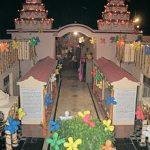
Photo Gallery


Contact Details
Address: Asola, Fatehpur Beri, Mehrauli, New Delhi, Delhi.
Phone: Please verify via local directory as records vary (typically +91-11-XXXX-XXXX).
Disclaimer: Timings and rituals are subject to change based on local administration and festival schedules. Please verify with the temple office before planning your visit in 2026.
Recent Posts

ओ सांवरे तूने ही मुझको संभाला – Lyrics & Meaning
ओ सांवरे तूने ही मुझको संभाला – A Prayer to Shyam Origin & Spiritual Essence Why This Bhajan Resonates Devotees chant this when overwhelmed by life’s storms—the refrain ‘तूने ही मुझको संभाला’ is the soul’s sigh of relief: “You…

कथा ये है महाराज मेरे की – Lyrics & Meaning
कथा ये है महाराज मेरे की छत्रपति संभाजी महाराज – A Prayer to Chhatrapati Sambhaji Maharaj Origin & Spiritual Essence Why This Bhajan Resonates Devotees chant this when their spirit feels tested—its powerful refrain “महाराज मेरे” is a soul’s…

Rigveda Samhita Yathartha Anuvada (ऋग्वेद संहिता यथार्थ अनुवाद) – Complete Set with Anvayartha & Hindi/English Translation
The Rigveda is the oldest surviving scripture of humanity and the foundational text of Sanātana Dharma. For serious students, scholars, UPSC aspirants studying ancient Indian history, Sanskrit learners, and spiritual seekers, a precise and grammatically structured translation is indispensable.…

आना भी अकेला है जाना भी अकेला है – Lyrics & Meaning | BharatTemples
आना भी अकेला है जाना भी अकेला है – A Prayer to the Divine Witness Origin & Spiritual Essence Why This Bhajan Resonates Devotees turn to this bhajan in moments of deep reflection—when life’s attachments begin to ache. The…

माता शेरावाली के द्वार जो भी जाता है – Lyrics & Meaning
माता शेरावाली के द्वार जो भी जाता है – A Prayer to Maa Sherawali Origin & Spiritual Essence Why This Bhajan Resonates Devotees turn to this bhajan in times of fear or uncertainty—its promise that no one leaves Maa’s…

मार लेना सपणी उबार लेणा भवरा – Lyrics & Meaning
मार लेना सपणी उबार लेणा भवरा – A Prayer to the Divine Beloved Origin & Spiritual Essence Why This Bhajan Resonates Devotees chant this in moments of deep vulnerability—its cry of “मार लेना सपणी, उबार लेणा भवरा” is the…

हमें श्याम सुंदर भरोसा तुम्हारा – Lyrics & Meaning
हमें श्याम सुंदर भरोसा तुम्हारा – A Prayer to Shyam Sundar Origin & Spiritual Essence Why This Bhajan Resonates Devotees chant this when feeling alone—its refrain ‘de do sahara’ is the soul’s cry for divine support. Lyrics in Hindi…

Mere Satguru Ne Di Thi Davai Lyrics in Hindi & Meaning
Mere Satguru Ne Di Thi Davai: Invoking the Guru’s Liberating Wisdom This soul-stirring bhajan venerates the Satguru (True Spiritual Master) as the divine physician who dispenses the only remedy for life’s deepest sufferings. Composed by Sant Karmaveer Tufani, it…

Janm Diyo Thari Maa Dukh Dekhiyo Lyrics in Hindi & Meaning
जन्म दियो थारी माँ दुख देखियो (Maa’s Grief Upon Birthing You) This soul-stirring Chetavani Bhajan (admonitory hymn) is addressed to the Divine Mother (Maa) – a call for repentance when children forget their filial duties in the dark age…
Bhadi Sabha Mein Thane Manaun Lyrics in Hindi & Meaning
Bhadi Sabha Mein Thane Manaun: Invoking the Spear-Wielding Mother Mata Bhawani (श्री ज्वाला भवानी), the fiery manifestation of Shakti worshipped as the Protector of Dharma in Her Dhaulagarh sanctum. Origin & Spiritual Essence Composed in Rajasthani folk tradition by…