
Contents
- 1 Shankara Narayana & Arthanareeswarar Temple, Thirunattalam: A Comprehensive Pilgrimage Guide
Shankara Narayana & Arthanareeswarar Temple, Thirunattalam: A Comprehensive Pilgrimage Guide
Nestled in the culturally rich landscape of Kanyakumari District, the Shankara Narayana & Arthanareeswarar Temple in Thirunattalam stands as a unique architectural and spiritual marvel. Unlike typical single-deity shrines, this complex houses two distinct yet interconnected sanctuaries, representing a profound theological synthesis of Shaivism and Vaishnavism.
Introduction & Spiritual Essence
The primary spiritual essence of Thirunattalam lies in the harmonious coexistence of Lord Shankara Narayana (a combined form of Shiva and Vishnu) and Lord Arthanareeswarar (the combined form of Shiva and Parvati).
- Deities:
- Shankara Narayana: An ancient form revered by the Nath tradition, symbolizing the unity of Vishnu (Shankara) and Shiva (Narayana).
- Arthanareeswarar: The androgynous form of Shiva, representing the primal masculine (Purusha) and feminine (Prakriti) energies.
- Phalaśruti (Spiritual Benefits):
According to local belief and the Sthala Purana, visiting this temple is essential for the completion of the Shivalaya Ottam. Devotees believe that circumambulating these shrines cleanses ancestral karma and liberates the soul from the cycle of rebirth. Specifically, worshipping Shankara Narayana is believed to bring harmony to domestic life and resolve legal disputes.
Historical Origins & Scriptural Legend
While specific epigraphic data regarding the dynasty and century of construction is currently under extensive documentation, the temple’s antiquity is evident in its Dravidian architectural elements.
- Local Legend (Sthala Purana): Tradition holds that this site was blessed by Lord Brahma, who performed penance here to seek the blessings of the creator-preservation-destruction cycle. The name “Thirunattalam” translates to “The Holy Land of Dance,” suggesting it was a focal point for ancient celestial events.
- Theological Synthesis: The temple is a testament to the Bhakti movement where distinct sects coalesced. The presence of Shankara Narayana indicates the influence of the Nath Yogi sect, which emphasizes the unity of the supreme soul (Shiva) and the supreme preservation (Vishnu).
Architectural Marvels
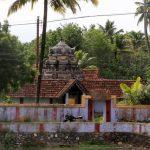
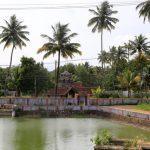
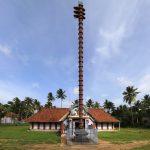
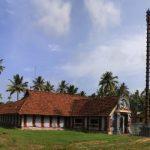
The temple complex showcases a robust Dravidian architectural style. The layout adheres to the principles of Vastu Shastra, with the Garbhagriha (sanctum sanctorum) oriented strategically to align with natural energy currents.
- The Shrines:
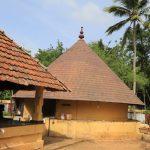
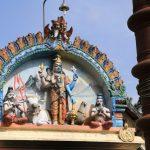
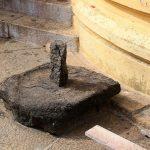
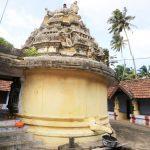
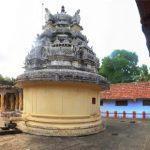
- Shankara Narayana Temple: Features a modest Shikhara (tower) typical of the Tamil style, housing the main deity.
- Arthanareeswarar Temple: Houses the idol depicting Shiva on the right and Parvati on the left. The sculpture is a masterpiece of symbolic artistry.
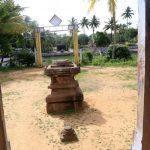
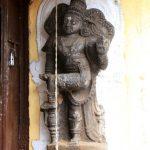
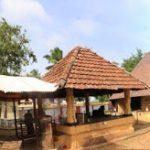
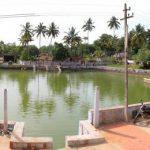
- Mandapas: The temple features a series of Mandapas (halls) with stone pillars, often adorned with intricate carvings of deities and mythical creatures.







Darshan & Ritual Logistics (2026 Schedule)
The temple maintains a traditional schedule, opening early for Ushathkalam (dawn rituals) and reopening in the evening.
Daily Timings
| Time Period | Activity |
|---|---|
| 05:00 AM – 06:00 AM | Ushathkalam Pooja (Opening & First Darshan) |
| 06:00 AM – 11:00 AM | General Darshan & Individual Archana |
| 11:00 AM – 05:00 PM | Closed (Temple Rest Period) |
| 05:00 PM – 06:00 PM | Pradoshakalam (Evening Rituals) |
| 06:00 PM – 08:00 PM | General Darshan & Saikal Pooja |
Key Sevas & Booking
Devotees can perform various Sevas (services) to the deity. In 2026, the temple administration recommends booking these rituals in advance, especially for large groups.
- Abhishekam: Performed for Arthanareeswarar on Mondays and Fridays.
- Archana: Available in Tamil and Sanskrit (Shiva and Vishnu mantras).
- Online Booking: While physical counters are open, specific Sevas can be booked via the official Kumbabhishekam or Tamil Nadu Temple Portals (anticipated rollout for smaller shrines by late 2025).
2026 Festival Dates
Major festivals follow the Tamil Calendar and include:
- Maha Shivaratri: February 25, 2026. (Special Yama Poojas held every two hours from 10 PM to 4 AM).
- Panguni Utsavam: March – April 2026.
- Chithirai Pournami: April 12, 2026.
- Krishna Jayanthi: September 5, 2026.
- Shivalaya Ottam: Specific dates vary based on the lunar cycle; inquire locally for the exact marathon schedule.
Practical Visitor Guidance
To ensure a spiritually fulfilling visit, adhere to the following guidelines:
- Dress Code: Traditional attire is mandatory. Men should wear Dhoti or formal trousers with a shirt; women should wear Saree, Salwar Kameez, or long skirts.
- Photography: Strictly prohibited inside the Garbhagriha (inner sanctum). Photography in the outer Prakaram (corridors) may be permitted with permission; please respect the sanctity of the space.
- Crowd Management:
- Best Hours: 6:00 AM to 9:00 AM is ideal for a peaceful Darshan.
- Seasonal Advice: Kanyakumari can be humid. During the summer months (April-June), carry a water bottle and a head covering.
- Accessibility: The temple has stone steps at the entrance. While not fully wheelchair accessible, assistance is available from temple volunteers.
Pilgrimage Connectivity
Thirunattalam is well-connected to major hubs in Southern Tamil Nadu.
How to Reach
- By Road: The temple is approximately 6 km from Marthandam and 27 km from Nagercoil. It is accessible via the NH-66 (formerly NH-47).
- By Rail: The nearest railway station is Kuzhithurai (approx. 6 km).
- By Air: The nearest airport is Thiruvananthapuram International Airport (TRV), located approximately 50 km away.
Nearby Sacred Sites
Enhance your pilgrimage by visiting these nearby temples:
- Thiruvattar Temple: Located 12 km away, famous for its natural moat and Dwajasthambam.
- Muttom Beach Temple: A scenic coastal shrine located near Kanyakumari.
- Suchindram Thanumalayan Temple: Famous for its musical pillars, located approximately 20 km away.
Frequently Asked Questions (FAQ)
1. Is there a VIP Darshan entry?
The temple administration maintains an egalitarian approach. However, those undertaking specific Sevas (like Abhishekam) generally receive priority access during the ritual time.
2. What is the significance of the Shivalaya Ottam?
It is a spiritual marathon involving the visit of 12 temples in the region. Thirunattalam is the 12th and final destination. Completing the circuit here is believed to grant Moksha (liberation).
3. Are mobile phones allowed?
Mobile phones are allowed but must be kept silent. A locker facility may be available at the entrance counter for keeping electronic devices.
4. Is food available at the temple?
While full meals are not regularly served outside of festival days, Prasadam (offering) is distributed after major pujas. For meals, the town of Marthandam offers several vegetarian options.
5. Who built the Arthanareeswarar Temple?
Historical records are sparse, but the architectural style suggests a construction period during the early Pandyan or later Nayak periods. It is currently maintained by the Hindu Religious and Charitable Endowments (HR&CE) Department of Tamil Nadu.
Recent Posts

ओ सांवरे तूने ही मुझको संभाला – Lyrics & Meaning
ओ सांवरे तूने ही मुझको संभाला – A Prayer to Shyam Origin & Spiritual Essence Why This Bhajan Resonates Devotees chant this when overwhelmed by life’s storms—the refrain ‘तूने ही मुझको संभाला’ is the soul’s sigh of relief: “You…

कथा ये है महाराज मेरे की – Lyrics & Meaning
कथा ये है महाराज मेरे की छत्रपति संभाजी महाराज – A Prayer to Chhatrapati Sambhaji Maharaj Origin & Spiritual Essence Why This Bhajan Resonates Devotees chant this when their spirit feels tested—its powerful refrain “महाराज मेरे” is a soul’s…

Rigveda Samhita Yathartha Anuvada (ऋग्वेद संहिता यथार्थ अनुवाद) – Complete Set with Anvayartha & Hindi/English Translation
The Rigveda is the oldest surviving scripture of humanity and the foundational text of Sanātana Dharma. For serious students, scholars, UPSC aspirants studying ancient Indian history, Sanskrit learners, and spiritual seekers, a precise and grammatically structured translation is indispensable.…

आना भी अकेला है जाना भी अकेला है – Lyrics & Meaning | BharatTemples
आना भी अकेला है जाना भी अकेला है – A Prayer to the Divine Witness Origin & Spiritual Essence Why This Bhajan Resonates Devotees turn to this bhajan in moments of deep reflection—when life’s attachments begin to ache. The…

माता शेरावाली के द्वार जो भी जाता है – Lyrics & Meaning
माता शेरावाली के द्वार जो भी जाता है – A Prayer to Maa Sherawali Origin & Spiritual Essence Why This Bhajan Resonates Devotees turn to this bhajan in times of fear or uncertainty—its promise that no one leaves Maa’s…

मार लेना सपणी उबार लेणा भवरा – Lyrics & Meaning
मार लेना सपणी उबार लेणा भवरा – A Prayer to the Divine Beloved Origin & Spiritual Essence Why This Bhajan Resonates Devotees chant this in moments of deep vulnerability—its cry of “मार लेना सपणी, उबार लेणा भवरा” is the…

हमें श्याम सुंदर भरोसा तुम्हारा – Lyrics & Meaning
हमें श्याम सुंदर भरोसा तुम्हारा – A Prayer to Shyam Sundar Origin & Spiritual Essence Why This Bhajan Resonates Devotees chant this when feeling alone—its refrain ‘de do sahara’ is the soul’s cry for divine support. Lyrics in Hindi…

Mere Satguru Ne Di Thi Davai Lyrics in Hindi & Meaning
Mere Satguru Ne Di Thi Davai: Invoking the Guru’s Liberating Wisdom This soul-stirring bhajan venerates the Satguru (True Spiritual Master) as the divine physician who dispenses the only remedy for life’s deepest sufferings. Composed by Sant Karmaveer Tufani, it…

Janm Diyo Thari Maa Dukh Dekhiyo Lyrics in Hindi & Meaning
जन्म दियो थारी माँ दुख देखियो (Maa’s Grief Upon Birthing You) This soul-stirring Chetavani Bhajan (admonitory hymn) is addressed to the Divine Mother (Maa) – a call for repentance when children forget their filial duties in the dark age…
Bhadi Sabha Mein Thane Manaun Lyrics in Hindi & Meaning
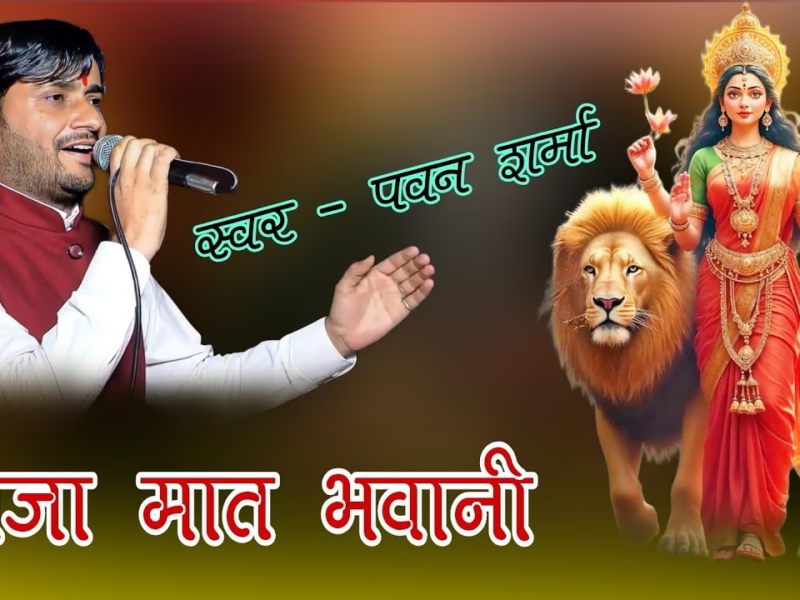
Bhadi Sabha Mein Thane Manaun: Invoking the Spear-Wielding Mother Mata Bhawani (श्री ज्वाला भवानी), the fiery manifestation of Shakti worshipped as the Protector of Dharma in Her Dhaulagarh sanctum. Origin & Spiritual Essence Composed in Rajasthani folk tradition by…