
Contents
Introduction & Spiritual Essence of Shiva Kozhundeeswarar Temple
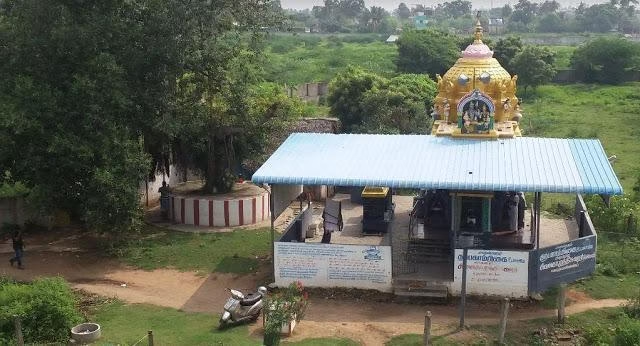
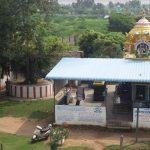
Nestled in the serene locality of Kozhumanivakkam in Mangadu, Chennai, the Shiva Kozhundeeswarar Temple stands as a beacon of divine tranquility. This ancient shrine is dedicated to Lord Shiva, worshipped here as Kozhundeeswarar (the Lord of the Sprouting/Flourishing) and his consort Devi Karpagambikai (the Mother of the Wish-Fulfilling Tree). The name “Kozhundu” refers to sprouts or saplings, suggesting that prayers offered here help devotees’ prosperity and spiritual growth flourish.
Phalaśruti (Benefits of Visiting): Devotees believe that worshipping Kozhundeeswarar helps in resolving obstacles related to progeny and education. It is also considered a powerful site for cleansing ancestral karma (Pitra Dosha) and attaining mental peace. Worshipping Karpagambikai grants the boons of wealth and well-being, making this temple a significant spiritual destination for those seeking balance in life.
Historical Origins & Scriptural Legend
While specific inscriptions regarding the exact date of construction are limited in available public records, the Shiva Kozhundeeswarar Temple reflects the architectural patronage prevalent during the Chola dynasty era, with subsequent contributions by the Vijayanagara rulers. The structural elements and the sanctity of the shrine point to a history spanning several centuries, preserving the traditional Tamil Saivite heritage.
Sthala Purana (Local Legend): Tradition holds that the Goddess Periyanayagi (another form of Karpagambikai) once worshipped Lord Shiva to gain a consort. Lord Shiva granted her a sacred Palvalai (milk pot), promising that her child-bearing wish would be fulfilled. The divine grace of Shiva, which causes the "sprouting" of hopes and solutions, led to the idol being named Kozhundeeswarar. According to temple records, the site has been a place of intense penance for sages and rishis who performed severe austerities here to receive blessings for the welfare of humanity.
Architectural Marvels
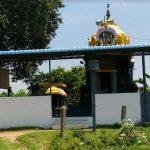
The temple is a classic example of the Dravidian architectural style, characterized by its towering gateways (Gopurams) and intricate stonework. The Shikhara (tower over the sanctum sanctorum) follows the Dravidian pyramid style, adorned with detailed carvings of deities and mythological narratives.
Key architectural highlights include:
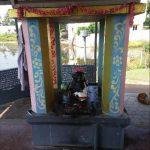
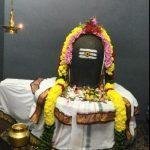
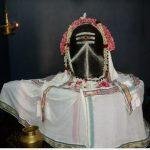
- Garbhagriha (Sanctum Sanctorum): Houses the Swayambhu (self-manifested) lingam of Lord Kozhundeeswarar.
- Mandapas: The hall for conducting rituals features robust pillars with sculptures depicting scenes from Hindu epics.
- Vastu Shastra: The temple layout adheres to Vastu principles, with the main entrance facing East, allowing the first rays of the sun to illuminate the sanctum, symbolizing the dispelling of darkness (ignorance).
- Navagraha Shrine: A dedicated space for the nine planetary deities is present, allowing devotees to perform remedies for planetary afflictions.
Darshan & Ritual Logistics
Visiting the Shiva Kozhundeeswarar Temple is a structured spiritual journey. Here are the daily timings and rituals for 2026.
Daily Timings
| Session | Timing |
|---|---|
| Morning Opening | 6:00 AM |
| Abhishekam Slot | 6:30 AM – 8:00 AM |
| Midday Closure | 12:00 PM – 4:30 PM |
| Evening Opening | 4:30 PM |
| Palliyarai Pooja | 6:00 PM |
| Closing | 8:00 PM |
Key Sevas & Online Booking
To facilitate devotees, the temple administration (managed by the HRC Trust) offers online booking for specific sevas. While daily darshan is free, special abhishekams require prior registration.
- Abhishekam: Performed with milk, honey, and sandalwood paste. Ideal for removing negativity.
- Archana: Recitation of the devotee’s family lineage and prayers to the main deity.
- Rudra Abhishekam: A grand ritual performed on auspicious days like Mondays and Pradosham.
- Online Booking: Visit the official temple trust website or designated portals (e.g., https://temple.tamilnadutourism.tn.gov.in) to book slots.
2026 Major Festivals
- Maha Shivaratri: March 6, 2026 (Special night-long vigil and special abhishekams).
- Aadi Perukku: August 4, 2026 (Celebrating the river and abundance).
- Arudra Darshanam: December 24, 2026 (Celebration of Lord Nataraja).
- Navaratri: September 22 – October 1, 2026 (Golu display and special Poojas).
Practical Visitor Guidance
Ensuring a smooth pilgrimage experience requires awareness of the temple protocols.
- Dress Code: Traditional attire is mandatory. Men should wear Veshti (dhoti) or formal trousers with a shirt. Women should wear saree, half-saree, or churidar with dupatta. Avoid shorts and sleeveless tops.
- Photography: Strictly prohibited inside the inner sanctum and prayer halls. Photography is allowed in the outer corridors, but please respect the sanctity of the space.
- Mobile Lockers: A cloakroom facility is available near the entrance for mobile phones and bags, as electronic devices are not permitted during darshan.
- Accessibility: The temple is ground-level, making it accessible for senior citizens. Wheelchairs are available upon request at the entrance office.
- Crowd Management: The best time for a peaceful darshan is early morning (6:00 AM – 7:00 AM) or late evening (7:00 PM). Avoid weekends if possible. During summer (April-May), carry a water bottle and an umbrella as Chennai heat can be intense.
Pilgrimage Connectivity
The temple is strategically located in the suburbs of Chennai, well-connected by road and public transport.
How to Reach
- By Air: Chennai International Airport (MAA) is approximately 17 km away (30-40 mins by cab).
- By Train: The nearest major railway stations are Chennai Central (19 km) and Chennai Egmore (17 km). Guindy Railway Station is also a nearby option (14 km).
- By Road: The temple is accessible via NH 48 and the Kundrathur-Mangadu Road. It is located about 300 meters from the Kozhumanivakkam Bus Stop.
Nearby Sacred Sites (Pilgrimage Circuit)
- Mangadu Kamakshi Amman Temple: Located 1.5 km away, this is a powerful Shakti shrine associated with the Goddess Kamakshi.
- Kundrathur Murugan Temple: Situated 5 km away, perched on a hill, offering panoramic views and blessings of Lord Murugan.
- Porur Ramalingeswarar Temple: A historic Shiva temple located about 7 km away, known for its architectural grandeur.
Frequently Asked Questions (FAQ)
1. Is there a VIP darshan entry at Shiva Kozhundeeswarar Temple?
Yes, the temple offers special entry for senior citizens and differently-abled devotees. However, for general devotees, the VIP darshan system is limited. It is recommended to book the Archana seva in advance to bypass the general queue during peak hours.
2. Can I perform the Rudra Abhishekam on any day?
While Rudra Abhishekam can be performed daily, it is most potent on Mondays and Pradosham days. Booking at least 3 days in advance is required for these specific slots.
3. Is the temple open on all days?
Generally, yes. However, during specific regional festivals or maintenance, closures may occur. It is advisable to check the local Tamil calendar or call the temple office before planning a visit during a public holiday.
4. Are there accommodation facilities nearby?
The temple does not have an attached guest house. However, numerous lodges and guest houses are available in Mangadu and Porur catering to pilgrims, ranging from budget to mid-range options.
5. What is the significance of the name Kozhundeeswarar?
The name is derived from the Tamil word Kozhundu (sapling/sprout). It signifies that the Lord helps devotees’ good deeds and prosperity to sprout and grow. It is also associated with the legend of Goddess Parvathi receiving a divine pot (Palvalai) for fertility and blessings.




Recent Posts

ओ सांवरे तूने ही मुझको संभाला – Lyrics & Meaning
ओ सांवरे तूने ही मुझको संभाला – A Prayer to Shyam Origin & Spiritual Essence Why This Bhajan Resonates Devotees chant this when overwhelmed by life’s storms—the refrain ‘तूने ही मुझको संभाला’ is the soul’s sigh of relief: “You…

कथा ये है महाराज मेरे की – Lyrics & Meaning
कथा ये है महाराज मेरे की छत्रपति संभाजी महाराज – A Prayer to Chhatrapati Sambhaji Maharaj Origin & Spiritual Essence Why This Bhajan Resonates Devotees chant this when their spirit feels tested—its powerful refrain “महाराज मेरे” is a soul’s…

Rigveda Samhita Yathartha Anuvada (ऋग्वेद संहिता यथार्थ अनुवाद) – Complete Set with Anvayartha & Hindi/English Translation
The Rigveda is the oldest surviving scripture of humanity and the foundational text of Sanātana Dharma. For serious students, scholars, UPSC aspirants studying ancient Indian history, Sanskrit learners, and spiritual seekers, a precise and grammatically structured translation is indispensable.…

आना भी अकेला है जाना भी अकेला है – Lyrics & Meaning | BharatTemples
आना भी अकेला है जाना भी अकेला है – A Prayer to the Divine Witness Origin & Spiritual Essence Why This Bhajan Resonates Devotees turn to this bhajan in moments of deep reflection—when life’s attachments begin to ache. The…

माता शेरावाली के द्वार जो भी जाता है – Lyrics & Meaning
माता शेरावाली के द्वार जो भी जाता है – A Prayer to Maa Sherawali Origin & Spiritual Essence Why This Bhajan Resonates Devotees turn to this bhajan in times of fear or uncertainty—its promise that no one leaves Maa’s…

मार लेना सपणी उबार लेणा भवरा – Lyrics & Meaning
मार लेना सपणी उबार लेणा भवरा – A Prayer to the Divine Beloved Origin & Spiritual Essence Why This Bhajan Resonates Devotees chant this in moments of deep vulnerability—its cry of “मार लेना सपणी, उबार लेणा भवरा” is the…

हमें श्याम सुंदर भरोसा तुम्हारा – Lyrics & Meaning
हमें श्याम सुंदर भरोसा तुम्हारा – A Prayer to Shyam Sundar Origin & Spiritual Essence Why This Bhajan Resonates Devotees chant this when feeling alone—its refrain ‘de do sahara’ is the soul’s cry for divine support. Lyrics in Hindi…

Mere Satguru Ne Di Thi Davai Lyrics in Hindi & Meaning
Mere Satguru Ne Di Thi Davai: Invoking the Guru’s Liberating Wisdom This soul-stirring bhajan venerates the Satguru (True Spiritual Master) as the divine physician who dispenses the only remedy for life’s deepest sufferings. Composed by Sant Karmaveer Tufani, it…

Janm Diyo Thari Maa Dukh Dekhiyo Lyrics in Hindi & Meaning
जन्म दियो थारी माँ दुख देखियो (Maa’s Grief Upon Birthing You) This soul-stirring Chetavani Bhajan (admonitory hymn) is addressed to the Divine Mother (Maa) – a call for repentance when children forget their filial duties in the dark age…
Bhadi Sabha Mein Thane Manaun Lyrics in Hindi & Meaning
Bhadi Sabha Mein Thane Manaun: Invoking the Spear-Wielding Mother Mata Bhawani (श्री ज्वाला भवानी), the fiery manifestation of Shakti worshipped as the Protector of Dharma in Her Dhaulagarh sanctum. Origin & Spiritual Essence Composed in Rajasthani folk tradition by…