
Contents
- 1 Introduction & Spiritual Essence
- 2 Historical Origins & Scriptural Legend
- 3 Architectural Marvels
- 4 Darshan & Ritual Logistics
- 5 Practical Visitor Guidance
- 6 Pilgrimage Connectivity
- 7 Photo Gallery
- 8 Architecture
- 9 Legend / Local Stories
- 10 Contact Details
- 10.1 Frequently Asked Questions (FAQs)
- 10.1.1 1. Is there a VIP darshan entry at Sivananintha Perumal Temple?
- 10.1.2 2. Can I book accommodation near the temple?
- 10.1.3 3. What is the significance of the name “Sivananintha”?
- 10.1.4 4. Is non-vegetarian food allowed in the temple premises?
- 10.1.5 5. What are the peak visiting hours to avoid crowds?
- 10.1 Frequently Asked Questions (FAQs)
Introduction & Spiritual Essence
The Sivananintha Perumal Temple, nestled in the tranquil locality of North Kundal near Kanyakumari, is a revered sanctuary dedicated to Lord Vishnu. Known locally as the North Kundal Sivananintha Perumal Temple, this holy site is a beacon of Dravidian spirituality and architectural grandeur. The presiding deity, Sivananintha Perumal (a form of Lord Vishnu), is enshrined here in a posture of divine grace, bestowing wisdom and peace upon devotees. The temple also houses a sanctum for Goddess Sengamalavalli Thayar, the consort of Lord Vishnu.
Phalaśruti (Spiritual Benefits): Devotees flock to this temple seeking spiritual liberation and relief from afflictions. According to temple lore, worshipping Lord Sivananintha here aids in cleansing ancestral karma and resolving prolonged obstacles in life. It is particularly renowned for granting wisdom and intellectual clarity, making it a favored stop for students and scholars.
Historical Origins & Scriptural Legend
The history of the Sivananintha Perumal Temple is deeply rooted in the ancient traditions of the Kanyakumari region. While specific architectural records are sparse, the temple exemplifies the rich heritage preserved by the Maruthuva Kulam community and local devotees.
Scriptural References: The temple is mentioned in the Divya Prabandham, a collection of hymns sung by the Alvar saints of the 6th-9th centuries CE. It is considered the 104th Divya Desam (sacred abode of Vishnu) among the 108 recognized in the Vaishnava tradition.
Sthala Purana: Legend holds that this region was once a dense forest where Lord Shiva meditated. Impressed by Shiva’s devotion, Lord Vishnu manifested here as Sivananintha Perumal to bless him. The name “Sivananintha” translates to “Lord who is the Guru of Shiva,” signifying Vishnu’s role as the supreme teacher.
Architectural Marvels
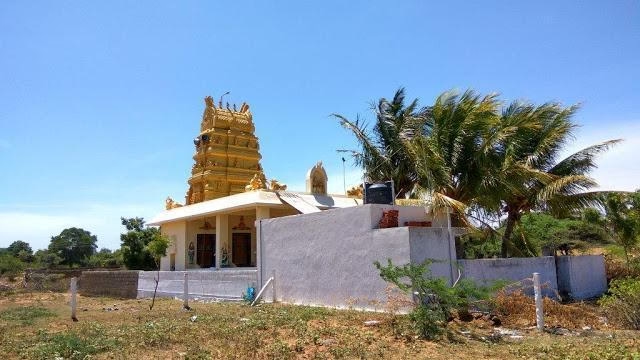
The temple is a classic example of Dravidian Architecture, characterized by its towering gateways (Gopurams) and intricate carvings. The structure follows the principles of Vastu Shastra, oriented to harness solar energy and positive vibrations.
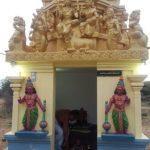
- The Rajagopuram: The main entrance tower is adorned with colorful sculptures depicting scenes from the Puranas and epics like the Ramayana and Mahabharata.
- Mandapas: The temple features a spacious Maha Mandapa (pillared hall) used for conducting rituals and discourses. The ceiling is often decorated with frescoes.
- Sanctum Sanctorum (Garbhagriha): The inner sanctum is designed to maintain a cool temperature, providing a serene atmosphere for meditation. The idols are carved from granite and bear the marks of centuries of worship.
Darshan & Ritual Logistics
To facilitate a smooth spiritual journey, here are the daily timings and seva details for the Sivananintha Perumal Temple. Note: Timings are subject to change during festivals.
Daily Timings
| Session | Timings |
|---|---|
| Morning Darshan | 06:00 AM – 12:00 PM |
| Afternoon Break | 12:00 PM – 04:00 PM |
| Evening Darshan | 04:00 PM – 08:30 PM |
Key Sevas (Rituals)
- Thiruvaradhanam: The early morning worship ritual.
- Abhishekam: Ritual bathing of the deity (usually performed on Saturdays and special days).
- Archana: Recitation of holy names (can be performed for personal intentions).
- Asthana Utsavam: Festival processions (check local listings).
Online Seva Booking
While the temple relies heavily on traditional offerings, many Tamil Nadu temples are moving towards digital integration. For specific rituals like Archana or Kalyana Utsavam, devotees are advised to check the official Tamil Nadu HR&CE (Hindu Religious and Charitable Endowments) website or contact the temple administration directly.
2026 Festival Dates
Mark your calendars for the following major festivals in 2026:
- Vaikuntha Ekadashi: January 10, 2026 (Grand celebration with special Poojas).
- Garuda Sevai: May 12, 2026 (Procession of Lord Vishnu on Garuda).
- Aadi Perukku: August 3, 2026 (Special Abhishekam).
- Brahmotsavam: December 15 – December 25, 2026 (10-day annual festival).
Practical Visitor Guidance
Ensuring a comfortable visit enhances the spiritual experience. Here are essential guidelines for pilgrims visiting North Kundal.
Dress Code & Etiquette
Visitors must wear traditional attire. Men are required to wear Dhotis or Panches (waistcloths) without shirts, or formal trousers and shirts. Women must wear Sarees, Salwar Kameez, or traditional skirts. Western casual wear (shorts, mini-skirts) is strictly prohibited.
Photography & Mobile Phones
Photography is strictly prohibited inside the sanctum sanctorum. Mobile phones are allowed but must be silenced during darshan. Many temples provide locker facilities; utilize them to store electronic devices and footwear before entering.
Accessibility & Best Time to Visit
The temple premises are generally accessible, though the inner sanctum may have steps. For those with mobility issues, assistance is available from temple staff.
- Crowd Management: To avoid long queues, visit between 7:00 AM – 8:30 AM or after 6:30 PM.
- Seasonal Advice: Kanyakumari is humid. Carry a water bottle and umbrella, especially during the summer months (April–June). The monsoon (October–December) brings lush greenery but occasional heavy rains.
Pilgrimage Connectivity
The Sivananintha Perumal Temple is easily accessible from major hubs in Kanyakumari and Trivandrum.
How to Reach
- By Air: Trivandrum International Airport (TRV) is the nearest airport, located approximately 90 km away. Taxis and buses are available to Kanyakumari.
- By Rail: Kanyakumari Railway Station is the southernmost terminus of India’s rail network. The temple is located just 2 km from the station (a 5-minute auto-rickshaw ride).
- By Road: The temple is situated off the NH66 (formerly NH47). The Kanyakumari Bus Stand is approximately 2 km away. Local autos and city buses ply frequently between the station, bus stand, and North Kundal.
Nearby Sacred Sites (Pilgrimage Circuit)
- Kumari Amman Temple: Located just 1.5 km away, this is the iconic temple dedicated to Goddess Kanyakumari.
- Thanumalayan Temple (Suchindram): Situated 14 km away, famous for its musical pillars and monolithic Hanuman statue.
- Sree Padmanabhaswamy Temple: Located 90 km away in Thiruvananthapuram, this is one of the richest temples in the world.
Photo Gallery

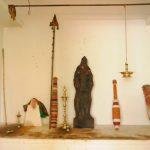
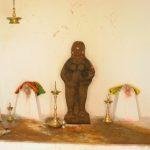
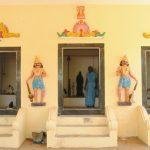
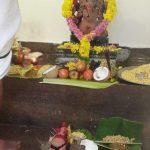
Architecture
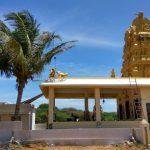
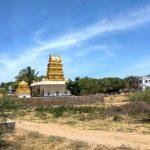
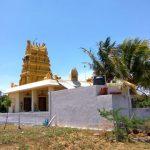
The architecture of the temple reflects the distinct Dravidian style, prevalent in South Indian temples. It features the classic gopuram (gateway tower), vimana (shrine over the sanctum), and enclosures around the main shrine. The intricate stonework showcases the craftsmanship of ancient artisans, with motifs of flora and divine figures.
Legend / Local Stories
Beyond the core mythology of Lord Vishnu teaching Lord Shiva, local folklore suggests that the temple’s location at North Kundal was a spot where sage Parasurama performed penance. The waters in the surrounding areas are believed to have healing properties, and devotees often carry the holy water (Theertham) as a blessing.
Contact Details
Official Address:
Sivananintha Perumal Temple,
North Kundal, Kanyakumari District,
Tamil Nadu, India.
Note: Specific phone numbers for minor temples in Tamil Nadu are often managed by the local administration. It is recommended to visit the official HR&CE website or contact the local tourist information center for the most current contact numbers.
Frequently Asked Questions (FAQs)
1. Is there a VIP darshan entry at Sivananintha Perumal Temple?
Generally, the temple follows a standard darshan system open to all. However, during major festivals like Brahmotsavam, special entry tickets may be issued by the temple administration for a quicker darshan. Check with the counter upon arrival.
2. Can I book accommodation near the temple?
While the temple itself does not have attached guesthouses, Kanyakumari town (2 km away) offers numerous hotels, lodges, and guest houses run by the Tamil Nadu Tourism Development Corporation (TTDC) and private entities.
3. What is the significance of the name “Sivananintha”?
The name is a combination of “Shiva” and “Nanintha” (meaning teacher or Guru). It signifies the supreme form of Vishnu as the ultimate teacher of Lord Shiva, highlighting the non-duality of the gods in Hindu philosophy.
4. Is non-vegetarian food allowed in the temple premises?
No, the Sivananintha Perumal Temple is a strict vegetarian zone. Alcohol, non-vegetarian food, and smoking are prohibited within the temple complex and its vicinity.
5. What are the peak visiting hours to avoid crowds?
The least crowded times are usually Tuesday and Wednesday mornings between 9:00 AM and 11:00 AM. Sunday evenings can be quite busy due to tourists visiting Kanyakumari.
Recent Posts

ओ सांवरे तूने ही मुझको संभाला – Lyrics & Meaning
ओ सांवरे तूने ही मुझको संभाला – A Prayer to Shyam Origin & Spiritual Essence Why This Bhajan Resonates Devotees chant this when overwhelmed by life’s storms—the refrain ‘तूने ही मुझको संभाला’ is the soul’s sigh of relief: “You…

कथा ये है महाराज मेरे की – Lyrics & Meaning
कथा ये है महाराज मेरे की छत्रपति संभाजी महाराज – A Prayer to Chhatrapati Sambhaji Maharaj Origin & Spiritual Essence Why This Bhajan Resonates Devotees chant this when their spirit feels tested—its powerful refrain “महाराज मेरे” is a soul’s…

Rigveda Samhita Yathartha Anuvada (ऋग्वेद संहिता यथार्थ अनुवाद) – Complete Set with Anvayartha & Hindi/English Translation
The Rigveda is the oldest surviving scripture of humanity and the foundational text of Sanātana Dharma. For serious students, scholars, UPSC aspirants studying ancient Indian history, Sanskrit learners, and spiritual seekers, a precise and grammatically structured translation is indispensable.…

आना भी अकेला है जाना भी अकेला है – Lyrics & Meaning | BharatTemples
आना भी अकेला है जाना भी अकेला है – A Prayer to the Divine Witness Origin & Spiritual Essence Why This Bhajan Resonates Devotees turn to this bhajan in moments of deep reflection—when life’s attachments begin to ache. The…

माता शेरावाली के द्वार जो भी जाता है – Lyrics & Meaning
माता शेरावाली के द्वार जो भी जाता है – A Prayer to Maa Sherawali Origin & Spiritual Essence Why This Bhajan Resonates Devotees turn to this bhajan in times of fear or uncertainty—its promise that no one leaves Maa’s…

मार लेना सपणी उबार लेणा भवरा – Lyrics & Meaning
मार लेना सपणी उबार लेणा भवरा – A Prayer to the Divine Beloved Origin & Spiritual Essence Why This Bhajan Resonates Devotees chant this in moments of deep vulnerability—its cry of “मार लेना सपणी, उबार लेणा भवरा” is the…

हमें श्याम सुंदर भरोसा तुम्हारा – Lyrics & Meaning
हमें श्याम सुंदर भरोसा तुम्हारा – A Prayer to Shyam Sundar Origin & Spiritual Essence Why This Bhajan Resonates Devotees chant this when feeling alone—its refrain ‘de do sahara’ is the soul’s cry for divine support. Lyrics in Hindi…

Mere Satguru Ne Di Thi Davai Lyrics in Hindi & Meaning
Mere Satguru Ne Di Thi Davai: Invoking the Guru’s Liberating Wisdom This soul-stirring bhajan venerates the Satguru (True Spiritual Master) as the divine physician who dispenses the only remedy for life’s deepest sufferings. Composed by Sant Karmaveer Tufani, it…

Janm Diyo Thari Maa Dukh Dekhiyo Lyrics in Hindi & Meaning
जन्म दियो थारी माँ दुख देखियो (Maa’s Grief Upon Birthing You) This soul-stirring Chetavani Bhajan (admonitory hymn) is addressed to the Divine Mother (Maa) – a call for repentance when children forget their filial duties in the dark age…
Bhadi Sabha Mein Thane Manaun Lyrics in Hindi & Meaning
Bhadi Sabha Mein Thane Manaun: Invoking the Spear-Wielding Mother Mata Bhawani (श्री ज्वाला भवानी), the fiery manifestation of Shakti worshipped as the Protector of Dharma in Her Dhaulagarh sanctum. Origin & Spiritual Essence Composed in Rajasthani folk tradition by…