Somnath Temple History & Darshan Timings: Complete 2026 Pilgrimage Guide
Receive daily temple updates, divine darshan, and morning bhajans directly on WhatsApp.
Contents
- 1 Introduction & Spiritual Essence: The First Jyotirlinga
- 2 Historical Origins & Scriptural Legend
- 3 Architectural Marvels
- 4 Darshan & Ritual Logistics
- 5 Practical Visitor Guidance
- 6 Pilgrimage Connectivity
- 7 Frequently Asked Questions (FAQ)
- 8 Contact Details
Introduction & Spiritual Essence: The First Jyotirlinga
The Somnath Temple, situated in the Prabhas Patan region of Gir Somnath, Gujarat, holds an unparalleled position in the spiritual geography of India. It is revered as the first of the twelve Jyotirlinga shrines of Lord Shiva, marking where the infinite cosmic pillar of light (Jyotirlinga) is believed to have manifested. Known alternatively as Someshvar (The Lord of the Moon), this temple is not merely a structure of stone but a living chronicle of resilience and devotion.
Phalaśruti (Spiritual Benefits): Devotees undertake this pilgrimage to cleanse ancestral karma and attain spiritual liberation (Moksha). Legend holds that the Moon God, Soma, lost his luster due to a curse and regained it only after bathing in the Sarasvati River and worshipping Shiva at this very spot. The name Prabhas signifies lustre, directly referencing the revitalizing power of the deity here. Bathing in the Triveni Sangam (confluence of Kapila, Hiran, and Sarasvati rivers) adjacent to the temple is believed to purify the soul.
Historical Origins & Scriptural Legend
The history of Somnath is a saga of destruction and resurrection, symbolizing the eternal nature of faith. According to the Sthala Purana, the first temple was constructed by the Moon God himself in gold. The Shiva Purana and Shreemad Bhagavatam narrate the events of the curse placed upon Soma by his father-in-law Daksha, leading to the establishment of this shrine.
The Saga of Resilience
According to temple records and historical texts, the site has witnessed numerous reconstructions:
- Ancient Roots: While the exact date of the first construction remains in the mists of antiquity, tradition holds that the Yadava kings of Vallabhi rebuilt the shrine around 649 CE.
- Chaulukya Restoration: The legendary king Mularaja (pre-997 CE) constructed a partial structure, followed by Kumarapala (1143–72 CE), who rebuilt the temple in exquisite stone, as noted in inscriptions from 1169 CE.
- Iconic Jyotirlinga: The jyotirlinga enshrined here is known as Somnath. Historical accounts by chroniclers like Al-Biruni describe the temple’s grandeur in the 11th century.
📖 Related: Trilokpur Temple: History, Timings & Guide to Maa Bala Sundri
Despite invasions by Mahmud of Ghazni (1024 CE), Alauddin Khalji’s general Ulugh Khan (1299 CE), and later Mughal emperor Aurangzeb (1665 CE), the sanctity of the site remained unbroken. The present-day structure was completed in May 1951. It was the vision of Sardar Vallabhbhai Patel, independent India’s first Deputy Prime Minister, who initiated the reconstruction to restore the temple to its former glory.
Architectural Marvels
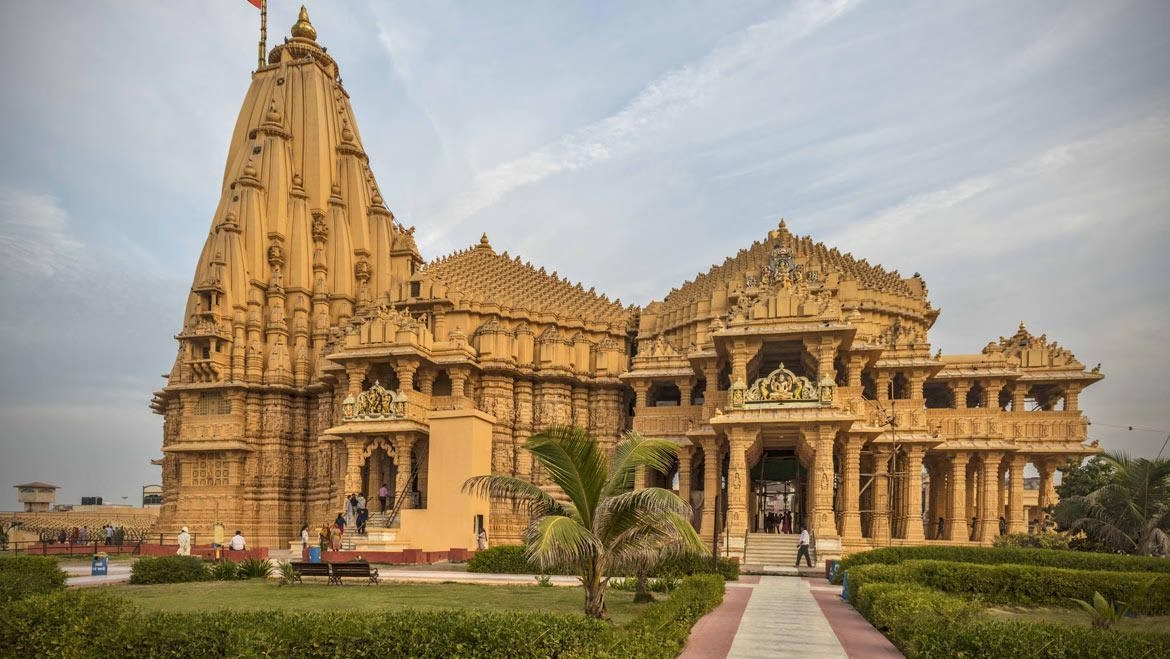
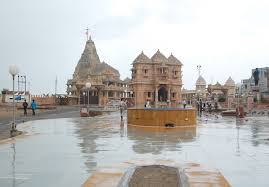
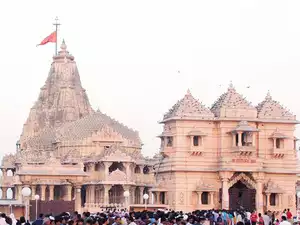
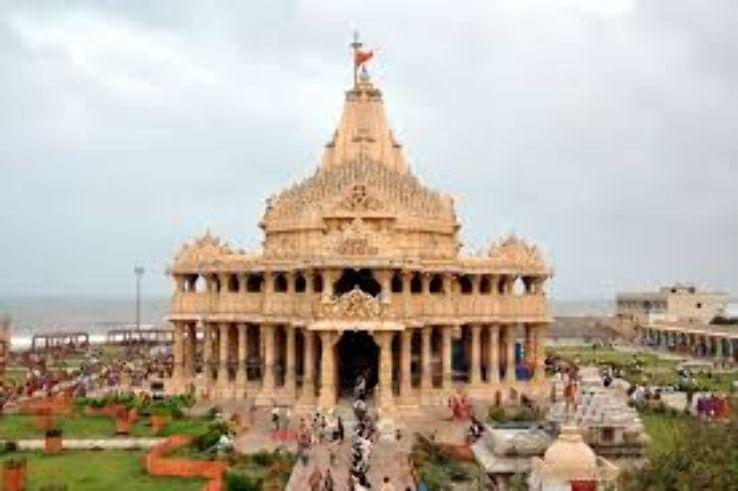
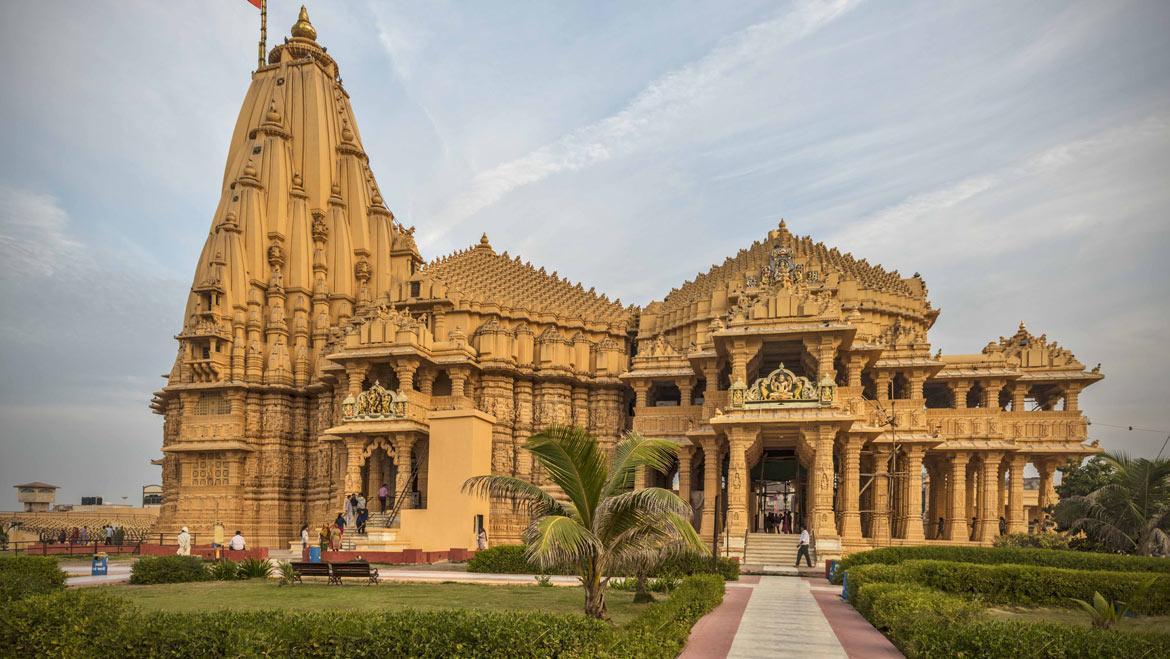
The current Somnath Temple is a masterpiece of Chaulukya (Solanki) style architecture, also known as the Maru-Gurjara style. It exemplifies the principles of Vastu Shastra and ancient Hindu temple geometry.
Key Architectural Features
- The Shikhara (Spire): Rising to a height of 155 feet, the towering spire is adorned with intricate carvings and culminates in the Amalaka (ribbed disc) and Ghanta (kalash), symbolizing the axis mundi connecting earth to heaven.
- Sculptural Artistry: The exterior walls feature detailed carvings of deities, celestial nymphs, and geometric patterns. The base of the temple features panels depicting the ten incarnations of Vishnu.
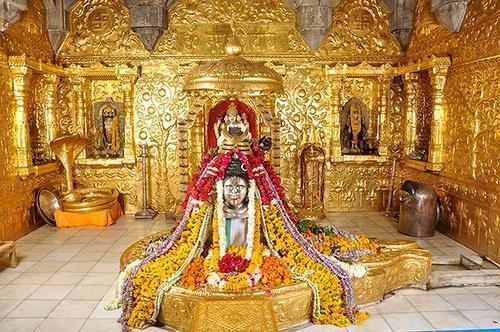
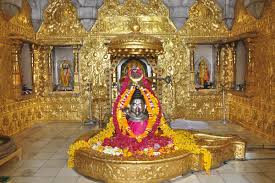
- The Garbhagriha (Sanctum Sanctorum): The inner sanctum houses the Swayambhu (self-manifested) Jyotirlinga, facing east to catch the first rays of the sun.
- The Bhemnath Temple: Located adjacent to the main temple, adding to the spiritual cluster of the area.
While not a UNESCO World Heritage Site, the temple is protected by the Archaeological Survey of India (ASI) and stands as a testament to Hindu architectural prowess.
Darshan & Ritual Logistics
To ensure a seamless spiritual experience, devotees should familiarize themselves with the daily schedule and available sevas. The temple management committee has streamlined the process, including online bookings for major rituals.
Daily Darshan Timings (2026)
| Time Slot | Activity | Details |
|---|---|---|
| 06:00 AM | Mangla Darshan | Early morning viewing of the deity. |
| 07:00 AM – 07:30 AM | Flowers & Bilva Archana | Ritual offering of flowers and leaves. |
| 12:00 PM | Midday Aarti / Mahaprasad | Main Aarti followed by community lunch. |
| 03:00 PM | Bhoga Offering | Offering of food items to the deity. |
| 07:00 PM – 07:30 PM | Sandhya Aarti (Evening) | The grand evening lamp ceremony. |
| 10:00 PM | Shayan Darshan | Final viewing before the sanctum closes. |
Key Sevas & Online Booking
Devotees can perform specific sevas to deepen their connection with Lord Somnath. Key rituals include Abhishekam (ritual bathing of the Jyotirlinga) and Archana (chanting of names).
- Online Booking: Visit the official website of the Shree Somnath Temple (
www.somnath.org) to book Rudrabhishek, Maha Rudra, and Sahasra Namavali sevas. - Prasad Delivery: Online bookings often include options for delivery of Prasad to your address.
📖 Related: Sidh Bawa Balak Nath Temple: History, Darshan Timings & Pilgrimage Guide
2026 Festival Calendar (Important Dates)
- Maha Shivaratri: February 26, 2026 (Special night-long vigil and Aarti).
- Shravan Maas (Sawan): July – August 2026 (Monday abhishekams are highly auspicious).
- Kartik Purnima: November 5, 2026 (Deep Daan and ritual bathing at Triveni Sangam).
- Diwali: October 21, 2026 (Temple illumination and special seva).
Practical Visitor Guidance
Visiting a temple of such high magnitude requires preparation to respect both the sanctity of the space and the logistical realities of a high-traffic pilgrimage site.
Dress Code & Etiquette
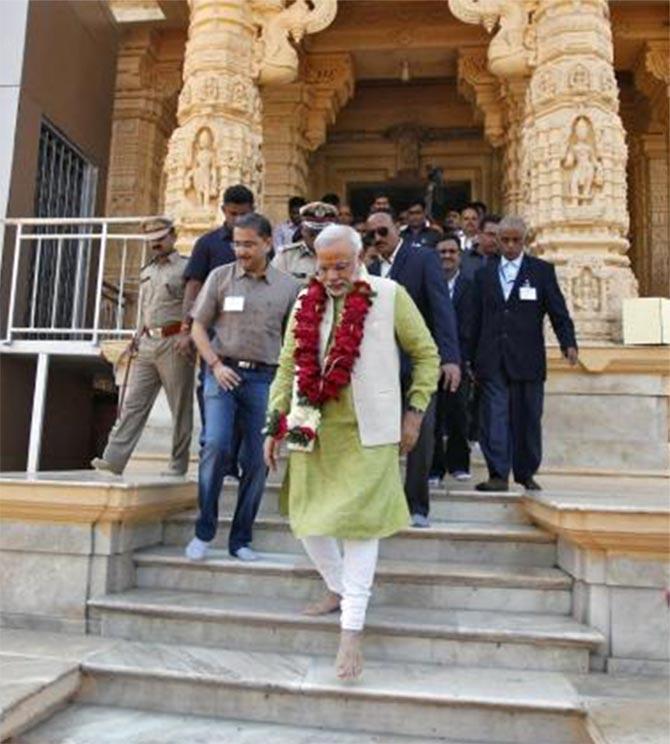
- Attire: Traditional Indian clothing is recommended. Men should wear dhoti or kurta-pajama; women should wear saree or salwar kameez. Western attire (shorts/trousers) is generally discouraged inside the sanctum, though the complex allows modest western wear.
- Photography: Strictly prohibited inside the Garbhagriha (inner sanctum). Photography is permitted in the outer courtyards and complex.
- Mobile & Lockers: Electronic devices are not allowed inside the inner sanctum. Free lockers are available near the temple entrance for mobile phones, belts, and leather items.
Crowd Management & Accessibility
- Best Time to Visit: The months from October to March offer pleasant weather. The Maha Shivaratri festival attracts massive crowds; early morning visits (5:00 AM) are advisable during peak seasons.
- Accessibility: The temple complex has ramps and wheelchair accessibility for senior citizens up to the second barrier.
- Seasonal Advice: Summers (May-June) are extremely hot; carry water and umbrellas. The sea breeze can be strong, so a light jacket is useful in winter evenings.
Pilgrimage Connectivity
How to Reach Somnath
- By Air: The nearest airport is Dwarka (Porbandar) Airport (approx. 120 km) or Diu Airport (approx. 85 km). The closest international airport is Ahmedabad (approx. 400 km).
- By Rail: Veraval Railway Station is the primary railhead, located just 6 km from the temple. It is well-connected to major cities like Ahmedabad, Mumbai, and Rajkot.
- By Road: Somnath is located on the Veraval – Talala state highway (SH-26). It connects to National Highway 51 (NH-51). State-run GSRTC buses and private taxis are easily available from major Gujarati cities.
📖 Related: Naina Devi Temple History & Darshan Timings: Complete Guide
Nearby Sacred Sites (The Saurashtra Circuit)
To complete your spiritual journey, visit these nearby tirthas:
- Bhalka Tirtha (5 km): The site where Lord Krishna is said to have attained moksha after being struck by an arrow.
- Surya Temple (Modhera) (120 km): An ancient temple dedicated to the Sun God, famed for its architectural symmetry.
- Dwarkadhish Temple (130 km): The dwelling place of Lord Krishna, located on the coast of Dwarka.
Frequently Asked Questions (FAQ)
1. Is there a VIP or special entry darshan available?
Yes, the Somnath Temple Trust offers a special darshan ticket (typically priced around INR 200-300) which allows devotees to bypass the general queue. Tickets can be purchased online or at the temple counter. Senior citizens and specially-abled persons are provided priority access free of charge.
2. Is non-Hindu entry permitted in Somnath Temple?
As per the Temple Trust rules, entry into the inner sanctum (Garbhagriha) is restricted to Hindus only. However, people of all faiths are welcome to visit the temple complex, museum, and viewing galleries.
3. How far is the sea from the temple?
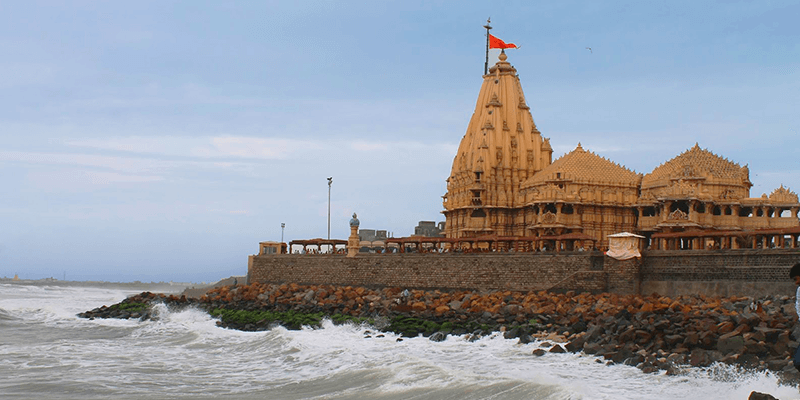
The temple is located on the shore of the Arabian Sea (the Triveni Sangam point). The sea is just a few steps from the temple exit, and the nightly sound and light show often depicts the history of the temple against the backdrop of the ocean.
4. What are the accommodation options nearby?
There are numerous hotels, guest houses (Dharamshalas), and resorts in Veraval and Somnath. For a spiritual stay, pilgrims can book accommodation through the Somnath Temple Trust website, which offers guest houses like the Somnath Guest House and Shree Vishwa Bharti.
5. Why is the Jyotirlinga considered “Swayambhu”?
Swayambhu means self-manifested. The Somnath Jyotirlinga is believed to be a natural representation of Lord Shiva that appeared from a column of fire (linga of light) piercing the earth’s surface, rather than being carved by human hands.
Contact Details
Shree Somnath Temple Trust (Head Office)
Address: Somnath, Veraval, Gujarat 362255
Phone: +91-2876-224009 / 224010
Email: admin@somnath.org
Website: www.somnath.org