Sri Mahakaleswarar Temple, Puducherry: History, Darshan Timings & Complete Guide
Receive daily temple updates, divine darshan, and morning bhajans directly on WhatsApp.
Contents
- 1 Introduction & Spiritual Essence
- 2 Historical Origins & Scriptural Legend
- 3 Architectural Marvels
- 4 Darshan & Ritual Logistics (2026 Guide)
- 5 Practical Visitor Guidance
- 6 Pilgrimage Connectivity
- 7 Photo Gallery
- 8 Address & Contact
- 9 Frequently Asked Questions (FAQ)
Introduction & Spiritual Essence
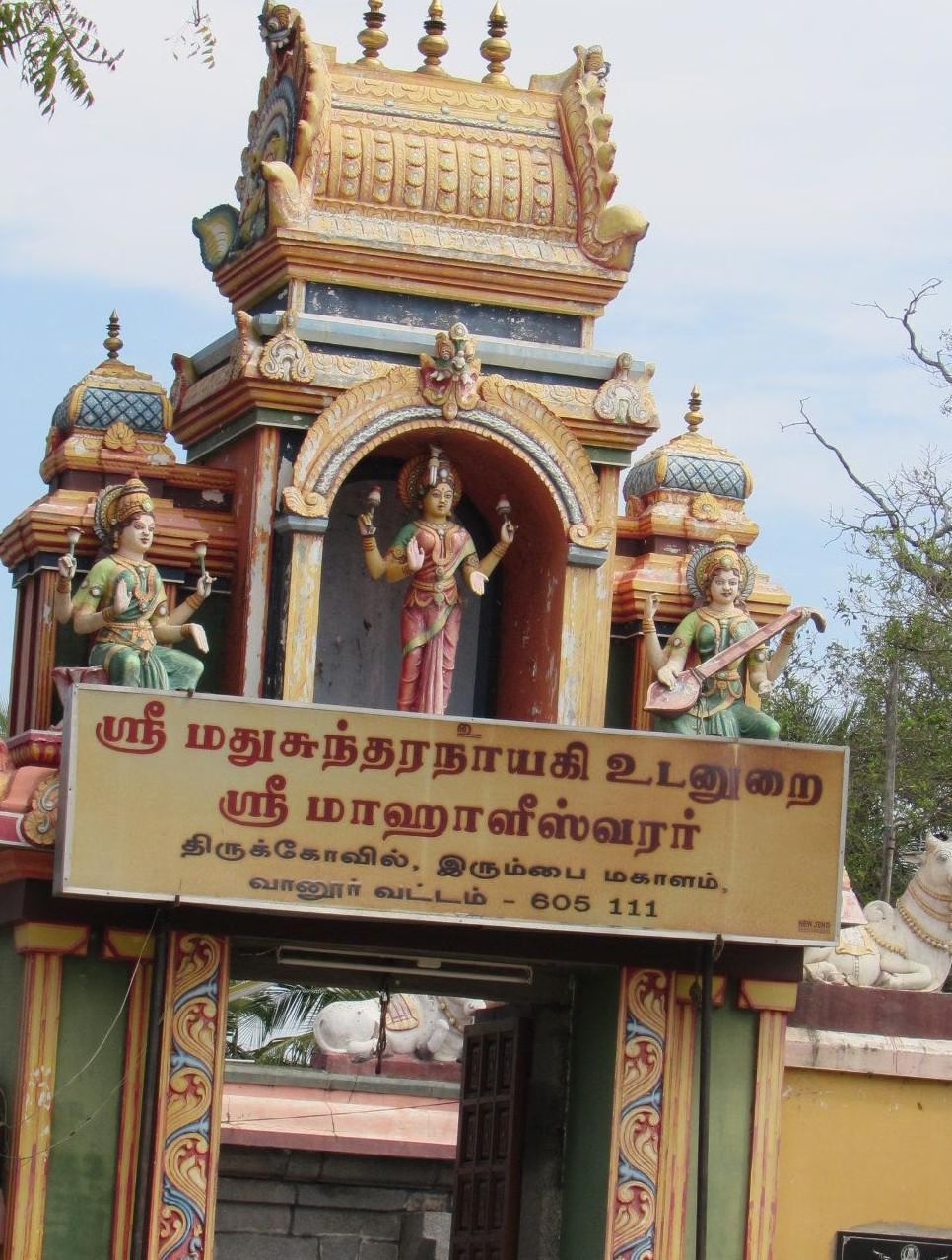
Nestled in the serene village of Irumbai, near Puducherry, stands the Sri Mahakaleswarar Temple, a venerable abode of Lord Shiva. This temple is a significant Padal Petra Sthalam, glorified in the verses of the Tevaram by the Nayanmar saints. The presiding deity is worshipped as Sri Mahakaleswarar (the Lord of Time and Death), and the consort is Arumarthu Nayagi (also known as Akilandeshwari). The primary form of the lingam is believed to be Swayambhu (self-manifested).
Phalaśruti (Spiritual Benefits): Devotees flock to this temple seeking relief from kalasarpa dosha (afflictions caused by the planetary position of Rahu and Ketu) and ancestral karma. It is believed that performing rituals here grants longevity and protects against untimely death. The temple energy is particularly potent for cleansing negative energies and stabilizing the mind.
Historical Origins & Scriptural Legend
Chola Dynasty Heritage: According to temple records and stone inscriptions, the temple was originally constructed during the 7th century by Chola King Kulothungan III. The inscriptions clearly mention the village name as “Iruncheri,” which evolved into “Irumbai” over centuries. The etymology of Irumbai is also linked to the abundance of Iluppai (Mahua) trees that once covered this region.
📖 Related: Pracheen Shani Mandir, Delhi: History, Darshan Timings & Legend (2026 Guide)
The Legend of Mahakala Rishi: The local Sthala Purana narrates a fascinating story. A powerful sage named Mahakala Rishi performed intense penance here. During his spiritual journey, he installed three sacred lingams in three directions of India. The first was in Ujjain (North/Vada Naadu), the second near Mayiladuthurai (South/Then Naadu), and the third at this very spot in Irumbai (Central/Naadu Naadu). Thus, the Lord here came to be known as Sri Mahakaleswarar, embodying the divine energy of the great Rishi.
Architectural Marvels
The temple exhibits a blend of Dravidian and later Pallava-Chola architectural styles. While specific UNESCO status is not designated for this individual structure, it is protected by the Hindu Religious and Charitable Endowments (HR&CE) Department of Tamil Nadu.
Key Features:
- Shikhara (Vimana): The sanctum sanctorum features a typical Dravidian Shikhara (tower) rising above the Garbhagriha, intricately carved with motifs of deities and celestial beings.
- Mandapas: The temple boasts spacious Mandapas (halls) with stone pillars. The pillars feature sculptures depicting scenes from Puranic lore and the lives of the Nayanmars.
- Vastu Shastra: The temple layout follows traditional Vastu principles, with the main entrance facing East and the sanctum oriented to allow sunlight to fall directly on the deity during equinoxes.
Darshan & Ritual Logistics (2026 Guide)
Visiting Sri Mahakaleswarar Temple requires adherence to the daily schedule. Below are the standard darshan timings. Please note: Timings may vary slightly during festivals.
| Period | Morning Timing | Evening Timing |
|---|---|---|
| Monday – Friday | 6:00 AM – 12:00 PM | 4:00 PM – 8:30 PM |
| Saturday & Sunday | 5:30 AM – 1:00 PM | 4:00 PM – 9:00 PM |
📖 Related: Sai Baba Temple Delhi: History, Darshan Timings & Complete Guide
Key Sevas and Online Booking
Devotees can participate in various Sevas (ritual offerings). For 2026, it is highly recommended to utilize the official Tamil Nadu HR&CE portal for online seva booking.
- Abhishekam: Performed daily at 7:00 AM and 6:00 PM. Items include milk, honey, and sandalwood paste.
- Archana: Continuous chanting of the Lord’s names. Available throughout opening hours.
- Special Darshan: Paid tickets are available for priority entry during peak hours.
2026 Festival Dates
- Maha Shivaratri: February 26, 2026 (Major all-night vigil).
- Arudra Darshanam: January 5, 2026 (Celebration of Nataraja).
- Aadi Perukku: August 3, 2026 (River rituals and special abhishekam).
- Kartikai Deepam: November 5, 2026.
Practical Visitor Guidance
Dress Code: Traditional attire is mandatory. Men must wear Dhoti or pants with a shirt; women must wear Saree, Salwar Kameez, or full-length skirts. Avoid jeans and t-shirts.
Photography & Mobiles: Photography is strictly prohibited inside the sanctum sanctorum. Mobile phones are allowed but must be silenced. Some areas may require phones to be deposited at lockers.
Crowd Management:
- Best Time to Visit: Weekday mornings between 8:00 AM and 10:00 AM are least crowded.
- Seasonal Advice: Puducherry experiences high humidity in May and June. Carry a water bottle and a towel. The post-monsoon season (October–January) offers the most pleasant weather.
Pilgrimage Connectivity
How to Reach:
- Nearest Airport: Puducherry Airport (PNY), roughly 20 minutes away.
- Nearest Railway Station: Puducherry Railway Station (12 km).
- By Road: The temple is located 10 km from Puducherry and 2 km from Morattandi on the Puducherry-Tindivanam State Highway. From Morattandi, take the small right diversion leading to Irumbai village.
Nearby Sacred Sites (Pilgrimage Circuit):
- Kiliyanur Temple: Located nearby, dedicated to Lord Shiva as Kailasanathar.
- Arisili Temple: Another nearby Padal Petra Sthalam known for its unique tank.
- Auroville Matrimandir: Just 5 km away, offering a contrasting spiritual experience of silence and meditation.
📖 Related: Shri Digambar Jain Lal Mandir, Delhi: History, Timings & Darshan Guide
Photo Gallery
Sri Mahakale
Sri Mahakal, Sri Mahakaleswarar Temple, Puducherry
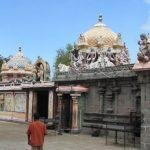
Sri Mahakaleswarar Temple,, Sri Mahakaleswarar Temple, Puducherry
Address & Contact
Shri Mahakaleswarar Temple
Irumbai Mahalam,
Vanur Taluk, Villupuram District,
Tamil Nadu – 605 111
Contact: +91-413-268-8943, 98435 26601
Frequently Asked Questions (FAQ)
1. Is there a VIP darshan entry available?
Yes, the temple administration offers a special darshan ticket for a nominal fee. This allows devotees to bypass the general queue during peak hours. Tickets can be purchased at the counter near the entrance.
2. Are there accommodation facilities near the temple?
While Irumbai is a small village with limited lodges, Puducherry (10 km away) offers a wide range of hotels, guest houses, and Auroville stays. It is recommended to book accommodation in Puducherry for better options.
3. What is the significance of the name “Irumbai”?
The name “Irumbai” is derived from “Iluppai” (Mahua trees). Historical inscriptions found on the temple walls also refer to the village as “Iruncheri,” confirming its ancient identity.
4. Can we perform last rites (Shraddha) at this temple?
Yes, being a temple dedicated to Mahakaleswarar (Lord of Time/Death), performing rites for ancestors here is considered highly auspicious. Priests (Archakas) can be hired to perform specific Vedic rituals for deceased ancestors.
5. Is the temple wheelchair accessible?
The inner sanctum requires climbing a few steps, which might be difficult for wheelchair users. However, the outer praharam (corridor) and the main mandapa are accessible. It is advisable to contact the temple administration in advance for assistance.