Sri Panangatteswarar Temple: History, Darshan Timings & Complete Guide
Receive daily temple updates, divine darshan, and morning bhajans directly on WhatsApp.
Contents
- 1 Introduction & Spiritual Essence
- 2 Historical Origins & Scriptural Legend
- 3 Architectural Marvels
- 4 Darshan & Ritual Logistics
- 5 Practical Visitor Guidance
- 6 Pilgrimage Connectivity
- 7 Frequently Asked Questions (FAQ)
- 8 Photo Gallery
- 9 Address
Introduction & Spiritual Essence
Nestled in the quiet village of Panayapuram in the Villupuram district of Tamil Nadu, the Sri Panangatteswarar Temple stands as a testament to ancient Dravidian piety and celestial legends. Dedicated to Lord Shiva, this temple is renowned as one of the 276 Paadal Petra Shivasthalams—hymned by the revered Nayanar saints. The primary deity is known as Panangatteswarar (derived from Panam, the Tamil word for the palm tree), and the goddess is Periyanayagi (also known as Vadivudaiammai).
Why Devotees Visit: Phalaśruti
The temple holds immense spiritual significance for devotees seeking relief from the adverse effects of Ketu (the ascending lunar node) in their astrological charts. Rituals performed here are believed to cleanse ancestral karma and bestow prosperity and wisdom. A unique aspect of this temple is its Sthala Viruksham (sacred tree)—the Palm Tree (Panai). Unlike other Shiva temples where the banyan or vilva tree is common, the association with the palm tree highlights the fertility and abundance of this land, historically known as “Puravaar Panangkatur,” meaning a forest dense with palm trees.
Historical Origins & Scriptural Legend
The Chola Legacy
According to temple records and historical inscriptions, the shrine was constructed during the reign of the Chola King Kulothungan-I (11th century CE). The architectural style and stone inscriptions found on the temple walls corroborate its antiquity, offering a glimpse into the glorious era of Chola patronage.
📖 Related: Bhairon Temple Delhi: History, Darshan Timings & Complete 2026 Guide
Sthala Purana: The Daksha Yagna
Tradition holds that the legends associated with this temple are deeply connected to the Daksha Yagna. According to mythology, Dakshan (father of Goddess Parvathi) once organized a grand fire ritual (yagna) in the nearby town of Vedaranyem. He invited all celestial gods and sages but intentionally left out Lord Shiva, his son-in-law. When Goddess Sati and Shiva arrived uninvited, Daksha insulted Shiva. In a surge of divine fury, Shiva manifested his fearsome aspect, Veera Bhadra, and destroyed the yagna. The fiery energy of Shiva settled in several locations, including this spot where the Swayambhu (self-manifested) lingam is worshipped today.
Literary Mention
The temple finds mention in the verses of Saint Thirugnanasambanthar (7th century CE), one of the most prominent Nayanars. In his holy hymn Pathigam, he refers to the presiding deity as the Lord of Puravaar Panankatur, cementing its place in the devotional history of South India.
Architectural Marvels
Dravidian Style & Vastu
The Sri Panangatteswarar Temple is a classic example of the Dravidian style of temple architecture. Adhering to the principles of Vastu Shastra, the temple is oriented eastwards, allowing the first rays of the sun to fall on the sanctum during equinoxes.
The Temple Complex
The temple features a distinctive three-tiered Rajagopuram (gateway tower) welcoming pilgrims into a spacious Prakaram (outer courtyard). The inner sanctum houses the Shivlingam, which is slightly elliptical and large in size, typical of the Chola period.
Notable Sculptures
The pillars in the Mandapa (hall) are intricately carved with depictions of:
- Nataraja: The cosmic dancer, performing the Ananda Tandava (dance of bliss).
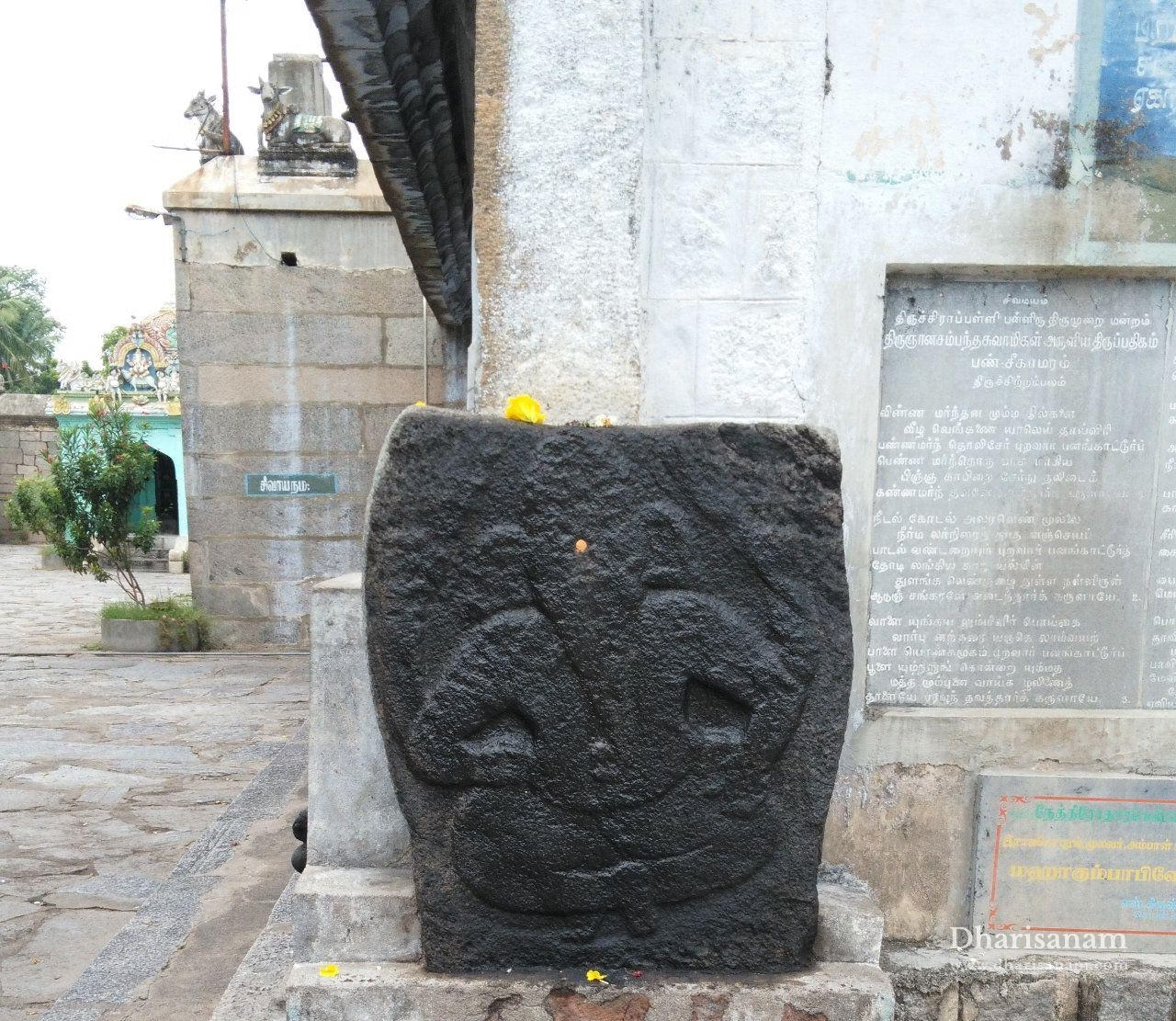
- Vinayaka (Ganesha): Guarding the entrance to the inner sanctum.
- Dancing Apsaras: Celestial musicians etched in stone.
While the temple is not a designated ASI-protected monument, the preservation of the palm tree groves surrounding it creates a unique “living museum” atmosphere.
📖 Related: Shri Digambar Jain Lal Mandir, Delhi: History, Timings & Darshan Guide
Darshan & Ritual Logistics
Devotees can participate in various rituals to offer their prayers. The temple follows traditional timings, though variations may occur during festival seasons.
Daily Timings
| Session | Timings |
|---|---|
| Morning Darshan | 6:00 AM – 12:00 PM |
| Evening Darshan | 4:00 PM – 8:00 PM |
Key Sevas & Offerings
- Abhishekam: Ritual bathing of the lingam with milk, honey, and sandalwood paste. Best performed on Mondays.
- Archana: Chanting of the deity’s names.
- Deepa Aradhana: Offering of camphor and lamps.
Online Seva Booking: While this historic temple has been slow to adopt digital systems, devotees can inquire about special Sevas and donations by contacting the temple administration directly via phone.
2026 Festival Calendar
Mark your calendars for the upcoming auspicious dates in 2026:
- Pradosham: Every Saturday & Tuesday (Exact timings vary based on lunar calendar).
- Shivaratri: February 26, 2026 – A grand all-night vigil with special Abhishekam and chanting.
- Karthigai Deepam: December 4, 2026 – The lighting of the sacred fire.
- Aadi Amavasya: July 23, 2026 – Significant for ancestor worship.
Practical Visitor Guidance
Dress Code & Etiquette
Visitors are expected to dress modestly. Traditional Indian attire (dhoti/saree) is recommended, though clean formal wear is permitted. Avoid shorts and sleeveless tops.
Photography & Mobiles
Photography is generally restricted inside the inner sanctum. The temple trust requests silence in the Garbhagriha (sanctum sanctorum). Mobile lockers are available near the entrance for storing valuables and electronic devices.
Accessibility
The temple has stone steps at the entrance, which might be challenging for those with mobility issues. However, the inner Prakaram is flat and accessible via the side entrance.
Crowd Management
Best Hours to Visit: To experience a peaceful Darshan, visit between 6:00 AM – 8:00 AM or 4:30 PM – 5:30 PM.
Seasonal Advice: The region experiences high humidity. During the summer months (April–June), carry a water bottle and a head cover. The palm tree groves provide natural shade, but an umbrella is advisable during the Northeast Monsoon (October–December).
📖 Related: Sai Baba Temple Delhi: History, Darshan Timings & Complete Guide
Pilgrimage Connectivity
How to Reach
By Air: The nearest airport is Puducherry Airport (approx. 30 km). Chennai International Airport is the major hub (approx. 160 km).
By Rail: The nearest railway junction is Villupuram (12 km).
By Road: The temple is located on the Pondicherry to Mundiambakkam route. It is easily accessible from the Vikravandi Tollgate on the Panruti/Kumbakonam route. Buses are available from Villupuram to Panayapuram.
Nearby Sacred Sites (Pilgrimage Circuit)
Extend your spiritual journey by visiting these nearby Paadal Petra Sthalams:
- Thiruvamathur (13 km): Home to the Kapardhiswarar Temple.
- Thiruthuraiyur (24 km): Famous for the Neelakanteswarar Temple.
- Thirumundeeswaram (29 km): Also known as Gramam, located near Marudham.
Frequently Asked Questions (FAQ)
1. Is there a VIP Darshan entry?
The Sri Panangatteswarar Temple follows a traditional queue system. There are no specific VIP ticketed entries, but senior citizens and those with medical conditions are accorded priority by the temple staff upon request.
2. What is the significance of the Palm tree in this temple?
The Palm tree (Panai) is the Sthala Viruksham (sacred tree) of this temple. It symbolizes prosperity and sustenance. Devotees often tie threads around the base of the tree as a prayer for family well-being.
3. Are there accommodation facilities available?
Basic guest houses are available in the nearby town of Villupuram. While the temple does not have a large guest house, small choultries managed by local devotees offer resting spaces for pilgrims.
4. What is the best time of year to visit?
The ideal time is between October and February when the weather is cooler. However, visiting during Aadi (July–August) or Shivaratri offers a unique festive atmosphere.
5. How do I contact the temple for updates?
You may contact the temple administration at: 91 9942056781. It is advisable to call during morning hours (8 AM – 12 PM).
Photo Gallery
Sri Panangatt
Sri Panangatteswar, Sri Panangatteswarar Temple, Pondicherry
Sri Panangatteswara, Sri Panangatteswarar Temple, Pondicherry
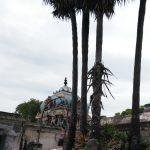
Sri Panangatteswa, Sri Panangatteswarar Temple, Pondicherry
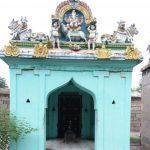
Sri Panangatteswarar Te, Sri Panangatteswarar Temple, Pondicherry
Address
Sri Panangaateeswarar Temple,
Panaiyapuram Post,
Mundiyampakkam Via,
Villupuram District,
Tamil Nadu – 605 601.