

Contents
- 1 Sri Suryanarayana Swamy Temple: A Definitive Pilgrimage Guide
Sri Suryanarayana Swamy Temple: A Definitive Pilgrimage Guide
Welcome to the sanctified grounds of the Sri Suryanarayana Swamy Temple, located in the serene village of Gollala Mamidada, East Godavari, Andhra Pradesh. As the Lead Heritage Architect for BharatTemples.com, I have curated this comprehensive guide to assist pilgrims and heritage enthusiasts in planning their spiritual journey to this revered Arka Kshetra (Sun Temple).
| Date built: | 1920 |
|---|---|
| Deity: | – |
| Architectural style: | Dravidian architecture |
| Major festivals | – |
| Locale: | Gollala Mamidada |
| District:: | East Godavri |
| Address | – |
| Phone | – |
Introduction & Spiritual Essence
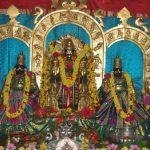
The Sri Suryanarayana Swamy Temple is a dedicated Sun Temple, established in 1920. It is widely regarded as the second most important sun temple in the region after the famous Arasavalli Temple. The presiding deity, Sri Suryanarayana Swamy (an incarnation of Lord Vishnu as the Sun God), is worshipped here in a benevolent form, often depicted with his consorts, Usha and Pratyusha.
Phalaśruti: The Benefits of Pilgrimage
Devotees undertake this pilgrimage primarily to seek relief from Navagraha Doshas (planetary afflictions), particularly those caused by the Sun. According to temple tradition, regular worship here yields several benefits:
- Health and Vitality: It is believed that darshan here cures chronic ailments, particularly skin disorders and eye-related issues.
- Ancestral Karmic Cleansing: Performing rituals for ancestors (Tarpanam) at this temple is said to liberate the souls of forefathers from spectral cycles.
- Professional Success: Astrologers frequently recommend visits to mitigate the ill effects of a debilitated Sun in one’s horoscope, aiding in career growth and governmental favor.
Historical Origins & Scriptural Legend
The temple is a relatively modern architectural heritage site compared to ancient structures, yet it carries deep spiritual weight.
Founding and Legacy
According to temple records, the temple was founded in 1920 by Sri Kovvuri Basivi Reddy, the zamindar (landlord) of Gollala Mamidada. Situated amidst 16 acres of lush grass fields and coconut palms near the Antharvahini River, the site was chosen for its unique geomagnetic properties that allow sunlight to strike the deity at specific angles throughout the day.
Sthala Purana (Local Legend)
Tradition holds that the idol of Suryanarayana was not sculpted but is a Swayambhu (self-manifested) form discovered by the locals and the Zamindar while ploughing the fields. The temple’s lore dictates that the first rays of the rising sun fall directly on the feet of the deity, which later move towards the chest by noon, symbolizing the Sun God’s daily journey across the heavens.
Architectural Marvels
The temple showcases a refined blend of Dravidian architecture with specific influences of the South Indian Agama design principles.
Structure and Design
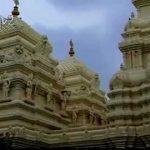
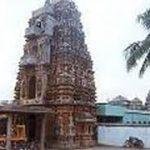
The temple is set in a vast compound surrounded by high walls, creating a protected spiritual atmosphere. The main Garbhagriha (sanctum sanctorum) houses the idol of Lord Suryanarayana in a standing posture. The Shikhara (tower) above the sanctum is built according to Dravidian styles, though the overall layout prioritizes open spaces for the circulation of sunlight.
The Mandapa (hall) is spacious, supported by ornately carved pillars depicting various deities and floral motifs common in early 20th-century Andhra temple art. While the temple is not a UNESCO World Heritage site, it is protected and maintained by the local trust and state authorities.
Design Note: The temple’s orientation allows natural light to flood the inner sanctum without the need for artificial lighting during the day, adhering to the ancient Vastu Shastra principles of solar alignment.
Darshan & Ritual Logistics (2026 Updates)
Planning your visit requires understanding the daily schedule and the specific rituals performed.
Daily Temple Timings
The temple typically follows a morning and evening schedule. Please note that timings may vary slightly during festival seasons.
| Session | Timings |
|---|---|
| Morning Darshan | 6:00 AM – 12:00 PM |
| Afternoon Break | 12:00 PM – 3:30 PM |
| Evening Darshan | 4:00 PM – 8:00 PM |
Key Sevas and Rituals
- Abhishekam: Performed with holy water, milk, and sandalwood paste. The deity is bathed while chanting Vedic hymns.
- Archana: Individual prayers offered in the name of the devotee. Aditya Hridayam is a popular recitation here.
- Ratha Saptami: The most significant festival, celebrating the Sun God’s chariot journey. In 2026, Ratha Saptami falls on February 4th. Special Ekadasa Archana is performed.
- Ekadashi: Fasting and special darshan are observed on the 11th day of every lunar fortnight.
Online Seva Booking
To streamline the pilgrimage, the temple administration often facilitates online seva bookings. While specific portals may be updated for 2026, devotees are encouraged to check the official Andhra Pradesh Endowments Department website or the dedicated temple portal (if available) for online seva booking prior to arrival. This usually covers Abhishekam, Kalyanam (Celestial wedding), and special Archanas.
Practical Visitor Guidance
To ensure a respectful and seamless experience, please adhere to the following guidelines:
- Dress Code: Traditional attire is mandatory. Men should wear dhotis or trousers with shirts; women should wear sarees, half-sarees, or churidars. Avoid shorts and sleeveless tops.
- Photography Rules: Photography is strictly prohibited inside the inner sanctum. Permission is required for photography in the outer courtyards, and flash is not allowed.
- Mobile Lockers: Electronic devices and leather items must be deposited at the free locker facilities provided at the entrance before entering the temple premises.
- Crowd Management:
- Best Hours: For a tranquil darshan, visit between 9:00 AM and 11:00 AM.
- Seasonal Advice: Andhra Pradesh can be intensely hot. In May and June, carry a water bottle (sealed) and cover your head. During the monsoon (July-Sept), sturdy footwear is recommended due to slippery courtyards.
Pilgrimage Connectivity
How to Reach
The temple is well-connected by road and rail.
- Nearest Airport: Madhavaram (Madurai) Airport (approximately 80 km away). Alternatively, Visakhapatnam International Airport is a larger hub roughly 140 km away.
- Nearest Railway Station: Kakinada Town or Rajahmundry Junction. Gollala Mamidada is located roughly 20 km from Kakinada and 58 km from Rajahmundry.
- By Road: The temple is accessible via the Kakinada-Peddapuram Highway. Private taxis and buses are readily available from Rajahmundry and Kakinada.
Nearby Sacred Sites
Extend your spiritual journey with these nearby destinations:
- Arasavalli Sun Temple: Located in Srikakulam district, this is the most ancient and famous Sun Temple in Andhra Pradesh, located about 100 km from Gollala Mamidada.
- Kakinada Beach & Sri Bhavanarayana Swamy Temple: A coastal spiritual stop in Kakinada dedicated to Lord Vishnu.
- Rajahmundry: Visit the famous ISCKON Temple and the banks of the Godavari River for a holy dip.
Frequently Asked Questions (FAQ)
1. Is there a VIP darshan entry?
Yes, the temple administration provides special darshan tickets for senior citizens and differently-abled devotees. A limited number of VIP passes are available through the executive officer’s office upon request.
2. What is the best time to visit Ratha Saptami?
The best time for Ratha Saptami darshan is early morning (sunrise). However, expect heavy crowds. It is advisable to book accommodations in Kakinada or Rajahmundry in advance for the 2026 festival.
3. Are there accommodation facilities at the temple?
The temple has limited guest houses for pilgrims. However, there are numerous hotels and lodges available in Gollala Mamidada and the nearby city of Kakinada (20 km away).
4. Can I offer prayers for someone else remotely?
Yes, through the online seva booking system, devotees can register for specific rituals to be performed on behalf of family members who cannot attend physically.
5. Is the temple open on all days?
Generally, yes. The temple remains open every day of the week, but specific hours may vary on major government holidays or during eclipse periods (Grahan), when the temple may close temporarily for purification rituals.
Contact Details
For official inquiries and updated timings, please contact:
- Address: Sri Suryanarayana Swamy Temple, Gollala Mamidada Village, Peddapudi Mandal, East Godavari District, Andhra Pradesh, India.
- Phone: Please refer to the local temple trust office or the Andhra Pradesh Endowments Department website for the latest contact number.
Recent Posts

Shri Kaamkoteeshwar Mandir, Varanasi – History & Significance
In the heart of Kashi, the eternal city of Lord Shiva, where the Ganges flows with celestial grace, stands the Shri Kaamkoteeshwar Mandir. This sacred Sannidhi is not merely a temple but a profound spiritual bridge between the Northern…

ओ सांवरे तूने ही मुझको संभाला – Lyrics & Meaning
ओ सांवरे तूने ही मुझको संभाला – A Prayer to Shyam Origin & Spiritual Essence Why This Bhajan Resonates Devotees chant this when overwhelmed by life’s storms—the refrain ‘तूने ही मुझको संभाला’ is the soul’s sigh of relief: “You…

कथा ये है महाराज मेरे की – Lyrics & Meaning
कथा ये है महाराज मेरे की छत्रपति संभाजी महाराज – A Prayer to Chhatrapati Sambhaji Maharaj Origin & Spiritual Essence Why This Bhajan Resonates Devotees chant this when their spirit feels tested—its powerful refrain “महाराज मेरे” is a soul’s…

Rigveda Samhita Yathartha Anuvada (ऋग्वेद संहिता यथार्थ अनुवाद) – Complete Set with Anvayartha & Hindi/English Translation
The Rigveda is the oldest surviving scripture of humanity and the foundational text of Sanātana Dharma. For serious students, scholars, UPSC aspirants studying ancient Indian history, Sanskrit learners, and spiritual seekers, a precise and grammatically structured translation is indispensable.…

आना भी अकेला है जाना भी अकेला है – Lyrics & Meaning | BharatTemples
आना भी अकेला है जाना भी अकेला है – A Prayer to the Divine Witness Origin & Spiritual Essence Why This Bhajan Resonates Devotees turn to this bhajan in moments of deep reflection—when life’s attachments begin to ache. The…

माता शेरावाली के द्वार जो भी जाता है – Lyrics & Meaning
माता शेरावाली के द्वार जो भी जाता है – A Prayer to Maa Sherawali Origin & Spiritual Essence Why This Bhajan Resonates Devotees turn to this bhajan in times of fear or uncertainty—its promise that no one leaves Maa’s…

मार लेना सपणी उबार लेणा भवरा – Lyrics & Meaning
मार लेना सपणी उबार लेणा भवरा – A Prayer to the Divine Beloved Origin & Spiritual Essence Why This Bhajan Resonates Devotees chant this in moments of deep vulnerability—its cry of “मार लेना सपणी, उबार लेणा भवरा” is the…

हमें श्याम सुंदर भरोसा तुम्हारा – Lyrics & Meaning
हमें श्याम सुंदर भरोसा तुम्हारा – A Prayer to Shyam Sundar Origin & Spiritual Essence Why This Bhajan Resonates Devotees chant this when feeling alone—its refrain ‘de do sahara’ is the soul’s cry for divine support. Lyrics in Hindi…

Mere Satguru Ne Di Thi Davai Lyrics in Hindi & Meaning
Mere Satguru Ne Di Thi Davai: Invoking the Guru’s Liberating Wisdom This soul-stirring bhajan venerates the Satguru (True Spiritual Master) as the divine physician who dispenses the only remedy for life’s deepest sufferings. Composed by Sant Karmaveer Tufani, it…

Janm Diyo Thari Maa Dukh Dekhiyo Lyrics in Hindi & Meaning
जन्म दियो थारी माँ दुख देखियो (Maa’s Grief Upon Birthing You) This soul-stirring Chetavani Bhajan (admonitory hymn) is addressed to the Divine Mother (Maa) – a call for repentance when children forget their filial duties in the dark age…