Subramanya Swamy Temple, Vallimalai: History, Darshan Timings & Guide
Receive daily temple updates, divine darshan, and morning bhajans directly on WhatsApp.
Contents
- 1 Introduction & Spiritual Essence
- 2 Historical Origins & Scriptural Legend
- 3 Architectural Marvels
- 4 Darshan & Ritual Logistics
- 5 Practical Visitor Guidance
- 6 Pilgrimage Connectivity
Introduction & Spiritual Essence
Nestled amidst the verdant hills of Vellore district, the Subramanya Swamy Temple in Vallimalai stands as a beacon of divine grace and ancient mythology. This sacred site is exclusively dedicated to Lord Murugan (Subramanya Swamy) and his beloved consort, Goddess Valli. The temple derives its name from the word “Valli,” as tradition holds that Vallimalai is the birthplace of Valli Ammai, the hunter princess who became Lord Murugan’s wife.
Phalaśruti: The Spiritual Benefits
Devotees undertake pilgrimages to Vallimalai to seek the blessings of the “Vallimalai Andavar” (the Lord of Vallimalai). The primary spiritual benefits include:
- Remedial Astrology: It is believed that worshipping Lord Murugan here mitigates the adverse effects of Mars (Sevvai) in one’s horoscope.
- Marital Harmony: As the abode of Valli, the temple is a potent site for those seeking blessings for marriage or desiring harmonious marital life.
- Ancestral Liberation: Performing rituals here is considered highly auspicious for freeing ancestors from sins and granting them moksha.
Historical Origins & Scriptural Legend
The Legend of Valli
According to the Sthala Purana, this hill is the sacred ground where Goddess Valli performed severe penance to win Lord Murugan as her husband. The lush greenery and natural caves here are said to be the very spots where she lived and meditated. The temple is deeply connected to the Thiruppugazh hymns composed by the saint poet Arunagiri Nathar, who is believed to have had his first vision of Lord Murugan here.
📖 Related: Ekambareswarar Temple Kanchipuram: History, Timings & Complete Guide
Historical Timeline
Pallava Architecture: According to temple records and historical analysis, the core structure of the Subramaniyar temple was built during the regime of the Pallava dynasty. It is a rock-cut cave temple, showcasing the early stages of Dravidian architectural evolution.
National Monument: The temple is recognized as a Monument of National Importance in Tamil Nadu by the Archaeological Survey of India (ASI), highlighting its historical and cultural significance.
Architectural Marvels
Dravidian Style & Rock-Cut Heritage
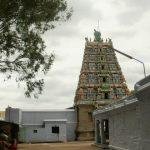
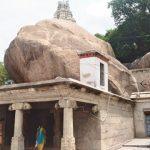
The temple exemplifies the grandeur of Dravidian architecture. Unlike temples built from the ground up, this structure is carved directly out of the rocky hillside. The sanctum sanctorum (Garbhagriha) houses the main deity as a Swayambhu (self-manifested) idol.
The Sacred Layout
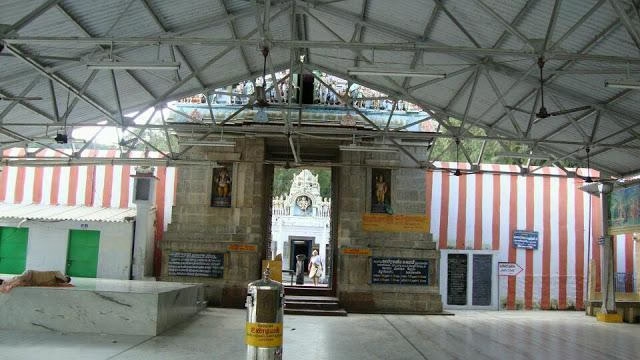
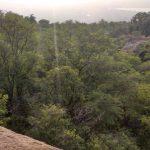
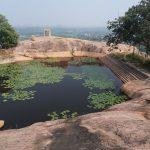
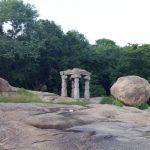
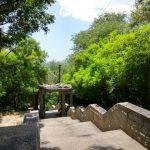
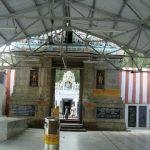
As devotees climb the hill, they pass through natural rock formations and caves that open into a series of Mandapas (halls). The exterior walls feature intricate carvings of deities from the Hindu pantheon. The elevation of the temple offers a breathtaking view of the surrounding Vallimalai landscape, which is often described as the abode of the Goddess herself.
2017-09-11 (1), Subramanya Swamy Temple, Vallimalai, Vellore
2017-09-11 (2), Subramanya Swamy Temple, Vallimalai, Vellore
2017-09-11, Subramanya Swamy Temple, Vallimalai, Vellore
IMG_20180106_083558_HDR, Subramanya Swamy Temple, Vallimalai, Vellore
2017-12-27, Subramanya Swamy Temple, Vallimalai, Vellore
2017-1n b2-25 (1), Subramanya Swamy Temple, Vallimalai, Vellore

2017-08-27 (3), Subramanya Swamy Temple, Vallimalai, Vellore
2017-07-22 (2), Subramanya Swamy Temple, Vallimalai, Vellore

2017-07-hg16 (3), Subramanya Swamy Temple, Vallimalai, Vellore
2017-07-21 (1), Subramanya Swamy Temple, Vallimalai, Vellore
2017-07-21 (8), Subramanya Swamy Temple, Vallimalai, Vellore
2017-02-18 (1), Subramanya Swamy Temple, Vallimalai, Vellore
2016-08-18 (12), Subramanya Swamy Temple, Vallimalai, Vellore
2016-08-18 (8), Subramanya Swamy Temple, Vallimalai, Vellore

2016-08-18 (2), Subramanya Swamy Temple, Vallimalai, Vellore
2017bj-02-18, Subramanya Swamy Temple, Vallimalai, Vellore
2012-10-05, Subramanya Swamy Temple, Vallimalai, Vellore
Darshan & Ritual Logistics
Daily Temple Timings
The temple follows a traditional schedule, closed during the afternoon for the deity’s rest. Please note that timings may vary during festivals.
| Session | Timing |
|---|---|
| Morning Darshan | 07:30 AM – 12:30 PM |
| Afternoon Break | 12:30 PM – 2:00 PM |
| Evening Darshan | 02:00 PM – 06:30 PM |
Key Sevas and Offerings
To enhance your spiritual experience, you can participate in various sevas (services) offered to the deity:
- Abhishekam: The ritual bathing of the deity with water, milk, honey, and sandalwood paste.
- Archana: Recitation of Lord Murugan’s names.
- Vastram Offering: Offering silk clothes to the deity.
- Special Offerings: Honey and Thinai (Finger Millet) flour are considered favorite offerings of Lord Murugan here. Curd rice is offered to pacify the planet Mars.
📖 Related: Iluppaipattu Neelakandeswarar Temple History and Darshan Timings | Nagapattinam Guide
Online Seva Booking & Contact
While the temple primarily operates on traditional methods, devotees can plan their visit or inquire about specific pujas via the contact number provided below. It is recommended to call ahead during peak seasons.
- Phone: +91 4172 252 295
- Address: Subramanya Swamy Temple, Vallimalai – 632 520, Vellore District, Tamil Nadu.
2026 Festival Calendar
Major festivals celebrated with grandeur at Vallimalai:
- Thaipusam: January/February (Pilgrims carry Kavadis).
- Masi Brahmmotsavam: February/March. This is the prime festival featuring the Valli Kalyanam (Marriage of Valli) celebrated on the full moon day.
- Vaikasi Visakam: May/June (Skanda Sashti).
- Aadi Float Festival: July/August. A unique 4-day festival where the deity is taken around the hill path.
- Karthigai Deepam: November/December.
Practical Visitor Guidance
Dress Code and Etiquette
As with all temples in Tamil Nadu, strict dress codes apply. Men must wear Dhotis or trousers (shirts are usually required), and women must wear Sarees, Salwar Kameez, or long skirts. Modesty is strictly enforced.
Crowd Management and Best Time to Visit
- Best Hours: The morning slot between 7:30 AM and 9:00 AM is ideal to avoid the crowds. The evening closing slot (5:30 PM onwards) is also relatively peaceful.
- Seasonal Advice:
- Summer (April-June): The rocky terrain absorbs heat. Carry plenty of water and an umbrella.
- Monsoon (November): The hill paths may be slippery; wear shoes with good grip.
- Mobile Lockers: Large bags and mobile phones are generally restricted near the sanctum. Small lockers may be available near the entrance, but it is best to travel light.
Accessibility
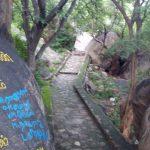
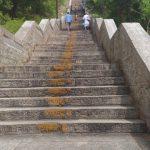
The temple is located on a hill. A stone pathway leads to the top. While manageable for most, it requires moderate physical effort. It may not be fully accessible for those with severe mobility issues without assistance.
📖 Related: Dharanishwarar Temple, Thamaraipakkam: History, Darshan Timings & Guide
Pilgrimage Connectivity
How to Reach Vallimalai
Nearest Transport Hubs:
- Air: Chennai International Airport (MAA) – Approx. 125 km.
- Rail: Katpadi Junction (KPD) is the nearest major railway station (approx. 20 km). Smaller stations include Bommasamudram (17 km) and Tiruvalam (15 km).
- Road: Vallimalai is located on the Chennai-Bangalore Highway (NH 75/48).
Nearby Sacred Sites (Pilgrimage Circuit)
When visiting Vallimalai, consider extending your trip to these nearby spiritual destinations:
- Sholinghur Narasimha Swamy Temple: Located roughly 30 km away, famous for its yoga Narasimha shrine atop a rock.
- Vellore Golden Temple (Sripuram): A modern marvel covered in gold leaf, located about 25 km from Vallimalai.
- Melukote (in Karnataka): A short drive from the border region, known for the Cheluvanarayana Swamy Temple.
Frequently Asked Questions (FAQs)
1. Is there a VIP Darshan entry available?
Currently, the temple management follows a general darshan system. During large festivals, special lines are arranged. VIP entries are generally restricted to the temple administration or donors. It is best to check with the temple office (+91 4172 252 295) upon arrival.
2. What is the significance of the “Valli Kalyanam”?
Valli Kalyanam represents the celestial wedding of Lord Murugan and Goddess Valli. It is celebrated on the full moon day of the Tamil month of Masi (February-March). It is believed that devotees who witness this event will be blessed with a happy married life.
3. Are non-Hindus allowed inside?
This is a traditional Hindu temple. Generally, entry is restricted to those who follow the Hindu faith.
4. Is there accommodation available at Vallimalai?
Basic accommodation is available in the form of cottages and choultries managed by the temple trust, primarily for pilgrims staying overnight. For more comfortable options, Vellore and Ranipet offer numerous hotels.
5. What should I offer to Lord Murugan for removing obstacles?
Offering Vel (a symbolic spear), Red Kandha Sandhanam (sandalwood paste), and Red Lotus flowers is considered highly auspicious here to remove obstacles and win legal disputes.