Sundara Raja Perumal Temple: History, Darshan Timings & Guide
Receive daily temple updates, divine darshan, and morning bhajans directly on WhatsApp.
Contents
- 1 Introduction & Spiritual Essence
- 2 Historical Origins & Scriptural Legend
- 3 Architectural Marvels
- 4 Darshan & Ritual Logistics
- 5 Practical Visitor Guidance
- 6 Pilgrimage Connectivity
- 7 Frequently Asked Questions (FAQs)
- 8 Photo Gallery
- 9 Contact Details
Introduction & Spiritual Essence
Nestled in the spiritual precincts of Kovil Pathagai, Avadi, the Sundara Raja Perumal Temple stands as a timeless beacon of Dravidian heritage and Vaishnavite devotion. Dedicated to Lord Vishnu, this ancient shrine is often revered locally as the “Abode of the Beautiful King” (Sundara Raja). Unlike the towering, multi-tiered gopurams of later periods, this temple offers an intimate, spiritually charged atmosphere that transports devotees back to the era of the Alvars.
Phalaśruti: The Spiritual Benefits
Devotees flock to this temple seeking the divine grace of Sundara Raja Perumal (the primary deity) and Vaikunta Natha Perumal (the original presiding deity). According to temple lore and devotee testimonials, the temple holds immense significance for:
- Cleansing Ancestral Karma: Performing rites here is believed to alleviate Pitru Dosham (ancestral curses), bringing peace to departed souls.
- Mental Peace & Focus: The serene energy, bolstered by the legends of sages like Bhrigu and Markandeya, aids in meditation and mental clarity.
- Removal of Obstacles: As a form of Vishnu, the Sundara Raja removes obstacles on the devotee’s path to prosperity and spiritual liberation (Moksha).
Historical Origins & Scriptural Legend
While specific inscriptions regarding the royal patronage remain under scholarly review, tradition holds that this temple was constructed over 750 years ago. The structure reflects the architectural ethos prevalent during the transition of dynastic rule in the Tamil region.
📖 Related: Kasi Viswanathar Temple, Palaiyur: History, Darshan Timings & Guide
The Legend of Bhrigu Maha Rishi
According to local oral traditions (Stthala Purana), the great sage Bhrigu Maha Rishi performed intense penance at this very location. Pleased by his devotion, Lord Vishnu granted him a darshan in the form of Sundara Raja Perumal. The deity is depicted in a majestic sitting posture facing east, fulfilling the sage’s wish to behold the Lord in a serene form.
The Legend of Markandeya Maha Rishi
The temple holds a unique distinction housing two Moolavar (primary) deities. While Sundara Raja faces east, the original presiding deity, Vaikunta Natha Perumal, faces west. Legend states that Markandeya Maha Rishi received darshan from this west-facing Lord. Adjacent to the sanctum, a sculpture of Ashta Naga Garuda sits in devotion, witnessing the eternal grace of Vaikunta Natha.
Architectural Marvels
The temple exemplifies the classic Dravidian Architecture style. The structure is relatively compact but rich in iconography, designed to draw the devotee’s focus inward toward the sanctum.
Notable Features
- The Vimana: The roof above the sanctum (Vimana) features intricate sculptures of Parthasarathy (Arjuna with Krishna) and Ranganatha (Vishnu in a reclining posture on Adisesha), blending the narratives of the Mahabharata and the Sri Vaishnava tradition.
- Garuda Shrine: A distinct stone sculpture of Garuda in a sitting posture faces the west-facing Vaikunta Natha Perumal, a rare orientation in temple design.
- Shrine of Sundara Valli Thaayar: A dedicated shrine for the consort goddess, Sundara Valli Thaayar, is located within the premises, balancing the energy of the temple.
Darshan & Ritual Logistics
The temple follows a traditional schedule, opening for morning and evening sessions. The atmosphere shifts from the cool, quiet hours of the dawn to the rhythmic chanting of Vedic hymns during the evening puja.
Daily Opening Timings (Tentative)
| Session | Timings |
|---|---|
| Morning | 07:00 AM – 08:00 AM |
| Evening | 05:30 PM – 07:00 PM |
Note: Timings may vary on festival days. It is advisable to contact the temple trust directly before planning a visit.
Key Sevas (Rituals) & Booking
The temple conducts regular Archana and Abhishekam. As of 2026, bookings are managed primarily through on-site registration at the Seva Kalasham counter.
- Archana: Chanting of names of the deity (approx. 15 mins).
- Abhishekam: Ritual bathing of the deity (usually conducted during morning hours).
- Online Booking: Currently, this temple operates on a physical donation system. However, for larger Tamil Nadu Vaishnava temples, online channels are integrated via the HR&CE portal. Please verify with the temple phone number for digital updates.
📖 Related: Kasi Viswanathar Temple Walajapet: History, Darshan Timings & Guide
2026 Festival Calendar (Major Brahmotsavams)
Based on traditional Tamil calendar cycles, devotees should plan visits around these grand celebrations:
- Vaikasi Brahmotsavam (May – June 2026): The grand festival celebrating the birth star of Lord Vishnu.
- Aani Garuda Seva (June – July 2026): A spectacular procession of the deity mounted on Garuda, the divine eagle.
- Panguni Kalyana Utsavam (March – April 2026): Celebrating the celestial wedding of the Lord and the Goddess.
Practical Visitor Guidance
To ensure a smooth and spiritually fulfilling visit, please adhere to the following guidelines:
- Dress Code: Traditional attire is mandatory. Men should wear veshti (dhoti) or formal trousers with a shirt. Women should wear sarees, half-sarees, or churidars. Avoid shorts, jeans, or sleeveless tops.
- Photography: Photography is strictly prohibited inside the inner sanctum (Garbhagriha). Use of mobile phones is restricted near the deity.
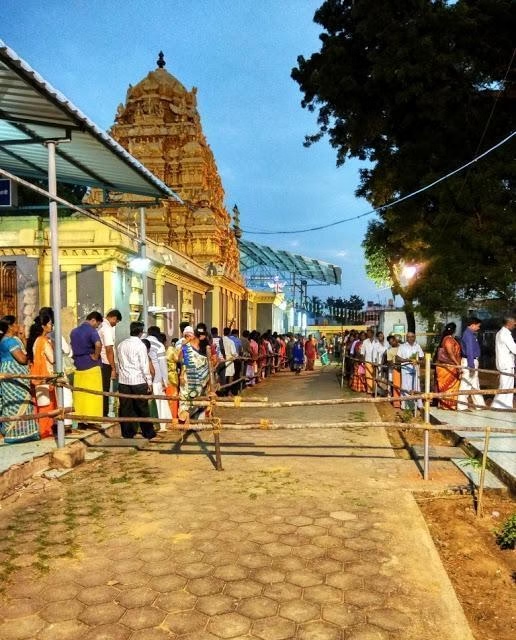
- Crowd Management: The temple is compact and can get crowded during weekends and festival evenings. Best time to visit: Tuesday or Friday mornings for a peaceful darshan. During summer (April–June), carry a water bottle and use the facilities provided at the entrance.
- Accessibility: The temple is accessible for elderly devotees with assistance, though there are no specialized ramps for wheelchairs due to the heritage nature of the structure.
Pilgrimage Connectivity
Located in the bustling suburb of Avadi, the temple is well-connected to Chennai city.
How to Reach
- Nearest Airport: Chennai International Airport (Approx. 31 Kms).
- Nearest Railway Station: Avadi Railway Station (Approx. 5 Kms).
- By Road: The temple is located roughly 250 meters from the Kovilpathagai Bus Stop. From Avadi Bus Depot, you can take Bus Numbers 61D, 61E, 61R, or 61K. Share autos are readily available from Avadi.
Nearby Sacred Sites (Pilgrimage Circuit)
Expand your spiritual journey by visiting these nearby holy sites:
- Sri Prasanna Venkateswara Perumal Temple (Kovil Pathagai): A short walk from this shrine, dedicated to Lord Venkateswara.
- Sri Yoga Narasimha Swamy Temple (Avadi): Dedicated to the avatar of Vishnu, Narasimha, located within the Avadi locality.
- Thirumazhisai (3.5 Kms): One of the 108 Divya Desams dedicated to Bhakta Prahlada, a major pilgrimage center for Sri Vaishnavites.
📖 Related: Hariharapakkam Shiva Temple History and Darshan Timings | Kanchipuram
Frequently Asked Questions (FAQs)
1. What is the history of Sundara Raja Perumal Temple?
The temple is approximately 750 years old. Legend dictates that the sage Bhrigu performed penance here, and Lord Vishnu appeared as Sundara Raja Perumal. The temple houses two distinct deities: the east-facing Sundara Raja and the west-facing Vaikunta Natha Perumal.
2. Is there a VIP darshan entry available?
Most heritage temples in Tamil Nadu, including this one, function on a community basis. While there is no formal “VIP” ticket system, it is recommended to arrive during the Morning session (7:00 AM) for a less crowded darshan. For special arrangements or group visits, contacting the temple trust (+91 98406 29471) is advisable.
3. What is the significance of the west-facing Vaikunta Natha Perumal?
West-facing deities (Paschima Mukha) are considered rare and highly auspicious. It represents the Lord’s presence as the ultimate destination (Moksha) and his grace towards devotees facing the setting sun, symbolizing the end of ignorance.
4. Is there a facility to leave footwear and mobiles?
Yes, the temple has a dedicated footwear stand (usually free or token-based). Mobile lockers are generally not available inside; it is recommended to keep valuables in your vehicle or keep phones on silent mode.
5. How old is the architecture?
The temple features classic Dravidian Architecture. While the core sanctum is ancient, the sculptures on the Vimana (roof), including the depictions of Parthasarathy and Ranganatha, highlight the artistic devotion of the era.
Photo Gallery
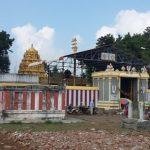
2017-12-22 (1), Sundara Raja Perumal Temple, Kovil Pathagai, Avadi, Thiruvallur
2017-12-22 (2), Sundara Raja Perumal Temple, Kovil Pathagai, Avadi, Thiruvallur
2017-12-22 (6), Sundara Raja Perumal Temple, Kovil Pathagai, Avadi, Thiruvallur
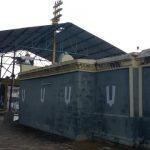
2017-12-22 (5), Sundara Raja Perumal Temple, Kovil Pathagai, Avadi, Thiruvallur
2017-12-22 (9), Sundara Raja Perumal Temple, Kovil Pathagai, Avadi, Thiruvallur
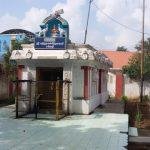
2017-12-22 (8), Sundara Raja Perumal Temple, Kovil Pathagai, Avadi, Thiruvallur
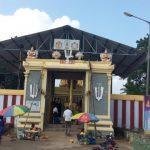
2017-12-22 (3), Sundara Raja Perumal Temple, Kovil Pathagai, Avadi, Thiruvallur
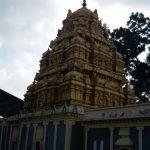
2017-12-22 (7), Sundara Raja Perumal Temple, Kovil Pathagai, Avadi, Thiruvallur
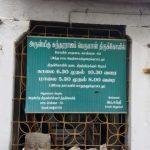
2017-12-22 (10), Sundara Raja Perumal Temple, Kovil Pathagai, Avadi, Thiruvallur
2017-12-22 (12), Sundara Raja Perumal Temple, Kovil Pathagai, Avadi, Thiruvallur
2017-12-22 (11), Sundara Raja Perumal Temple, Kovil Pathagai, Avadi, Thiruvallur
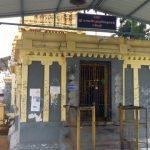
2017-12-22, Sundara Raja Perumal Temple, Kovil Pathagai, Avadi, Thiruvallur
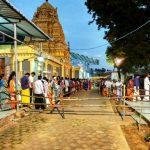
2017-12-28, Sundara Raja Perumal Temple, Kovil Pathagai, Avadi, Thiruvallur
2018-01-01 (1), Sundara Raja Perumal Temple, Kovil Pathagai, Avadi, Thiruvallur
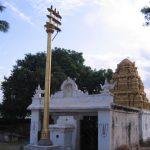
vimanam, Sundara Raja Perumal Temple, Kovil Pathagai, Avadi, Thiruvallur
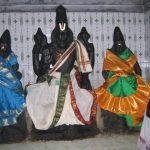
vaikunta natha perumal, Sundara Raja Perumal Temple, Kovil Pathagai, Avadi, Thiruvallur
Contact Details
Sundara Raja Perumal Temple
Kovil Pathagai, Avadi,
Thiruvallur District – 600 062
Mobile: +91 98406 29471 / 99414 39788
Disclaimer: While every effort is made to ensure accuracy, temple timings and contact details are subject to change. Please verify with the temple authorities before planning your visit.