

Contents
Introduction & Spiritual Essence
Deeply revered as a sacred abode of removing obstacles, the Sundara Vinayagar Temple in Kangeyanallur stands as a beacon of faith in the Vellore district of Tamil Nadu. The presiding deity is Sundara Vinayagar (a form of Lord Ganesha), also revered as Pillaiyar by the local populace. The deity here is a Swayambhu (self-manifested) murti, enshrined in the sanctum sanctorum.
| Date built: | – |
|---|---|
| Deity: | Sundara Vinayagar, Ganesha |
| Architectural style: | Dravidian architecture |
| Major festivals | – |
| Locale: | Kangeyanallur |
| District:: | Vellore |
| Address: | – |
| Phone | – |
Phalaśruti (Spiritual Benefits): Devotees visit this sacred shrine to offer prayers for the removal of Vighnas (obstacles) in their lives. It is specifically sought after for relief from Kala Sarpa Dosha (ancestral karmic imbalances) and for the removal of Navagraha Doshas related to Mercury (Budha). Worshipping Sundara Vinayagar here is believed to bring prosperity, mental peace, and success in new ventures.
Historical Origins & Scriptural Legend
While specific dynastic inscriptions regarding the construction era are a subject of ongoing academic scrutiny, the temple is an ancient structure rooted in the Dravidian cultural landscape. According to temple records and local priestly lineage, the shrine has stood for centuries, serving the spiritual needs of the agrarian communities of Kangeyanallur.
The Legend of Kangeyanallur:
Tradition holds that the name “Kangeyanallur” is derived from the merging of two distinct villages, blessed by the sacred rivers and the presiding deity. Local folklore suggests that the village was historically a Guru Kshetra (a place of learning and wisdom). The temple is deeply associated with the history of Guru (Jupiter), and it is believed that the presiding Ganesha is closely linked to the blessings of Jupiter in the astrological chart. Devotees perform specific rituals here to alleviate the ill effects of planet Jupiter, seeking wisdom and clarity in life.
Architectural Marvels
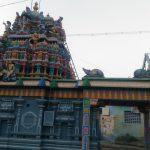
The Sundara Vinayagar Temple is a classic example of Dravidian architecture. The temple complex is designed according to Vastu Shastra, with the sanctum oriented to allow the ingress of positive cosmic energies.
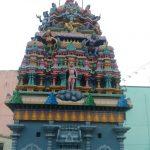
- The Shikhara (Vimana): The tower above the sanctum is modest yet distinct, following the Dravidian style with tiered kapotas (corners) and a crowning kalasha (pot).
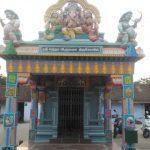
- Mandapas: The temple features an Ardha Mandapa (half-hall) leading to the main shrine and a central Maha Mandapa where devotees gather for collective prayers.
- Sculptures: The pillars of the mandapa are adorned with intricate carvings depicting various forms of Ganesha, celestial beings, and scenes from Hindu mythology.
The exterior walls feature niches housing deities, and the compound wall preserves the sanctity of the premises. While it may not hold a specific ASI or UNESCO status, it is a protected monument under local endowment administration.
Darshan & Ritual Logistics
Visiting the temple requires an understanding of the daily schedules to maximize the spiritual experience.
Daily Timings
The temple generally opens early in the morning and closes by late evening. Specific timings may vary during festival seasons.
| Session | Timings | Activity |
|---|---|---|
| Morning | 6:00 AM – 12:00 PM | Ushatkalam, Abhishekam, Alankaram |
| Afternoon | 12:00 PM – 4:30 PM | Sanctum Closed (Rest Period) |
| Evening | 4:30 PM – 8:30 PM | Deeparadhana, Palliyarai Pooja |
Key Sevas & Online Booking
Devotees can participate in various Sevas (ritual offerings). While traditional on-site bookings are available, the Tamil Nadu Endowments Department portal facilitates online booking for major rituals.
- Abhishekam: Ritual bathing of the deity (usually performed with milk, honey, and sandalwood paste).
- Archana: Recitation of names (64 names of Ganesha).
- Special Pooja: Conducted on Chaturthi (4th day after New Moon) and Sashti (6th day after New Moon).
2026 Festival Calendar
- Vinayagar Chaturthi: August 26, 2026 (Major Festival).
- Deepavali: October 21, 2026 (Special Poojas).
- Thai Pongal: January 14, 2026 (Community Offering).
- Navaratri: October 3 – October 12, 2026 (Daily Alankarams).
Practical Visitor Guidance
To ensure a smooth pilgrimage, please adhere to the following guidelines:
- Dress Code: Traditional attire is mandatory. Men should wear Dhoti or formal trousers with a shirt; Women should wear Saree or Salwar Kameez. Avoid shorts and sleeveless tops.
- Photography: Photography is strictly prohibited inside the sanctum sanctorum. Usage is permitted in the outer praharam (corridor) with respect.
- Mobile Lockers: Mobile phones and electronic devices should be kept in silent mode. While dedicated lockers may not be available on-site, it is advisable to travel light.
- Crowd Management:
- Best Hours: Weekday mornings (8:00 AM – 10:00 AM) offer the least crowded experience.
- Seasonal Advice: Vellore experiences high heat in May; carry water and an umbrella. During monsoon (November), ensure safe travel routes.
Pilgrimage Connectivity
How to Reach
Sundara Vinayagar Temple is a Hindu Temple dedicated to Lord Ganesha located at Kangeyanallur in Vellore District of Tamilnadu. The Temple is located at about 2.5 Kms from Kangeyanallur Road Bus Stop, 5 Kms from Katpadi, 4 Kms from Vellore, 27 Kms from Arcot, 25 Kms from Ranipet and 140 Kms from Chennai. Nearest Railway Stations are located at Katpadi (4 Kms) and Vellore (8 Kms). Nearest Airport is located at Chennai (130 Kms).
Nearby Sacred Sites
Extend your pilgrimage by visiting these nearby spiritual centers:
- Jalakanteswarar Temple, Vellore: A magnificent fort-temple dedicated to Lord Shiva, located 5 km away.
- Katpadi Lord Murugan Temple: Situated 4 km from the shrine, known for its vibrant festivals.
- Sholinghur Yoga Narasimhar Temple: Located 30 km away, a major hill temple for Lord Narasimha.
Frequently Asked Questions (FAQs)
Is there a VIP Darshan entry?
Yes, the temple administration offers a special entry or designated queue for senior citizens and physically challenged devotees. However, for a VIP entry pass, one must contact the local temple executive officer or the district administration office in Vellore prior to the visit.
What is the significance of the name ‘Sundara Vinayagar’?
‘Sundara’ translates to ‘Beautiful’ in Sanskrit. The name signifies the divine, aesthetic form of Lord Ganesha. It is believed that worshipping this form brings beauty and harmony to the devotee’s life and family.
Are there accommodation facilities available nearby?
The temple complex does not have an in-built rest house. However, several lodges and guest houses are available in Kangeyanallur and Katpadi. For better options, devotees often stay in Vellore (approx. 6 km away) which has numerous budget and deluxe hotels.
Can non-Hindus visit the temple?
Most ancient Hindu temples in Tamil Nadu follow traditional entry protocols. While entry for non-Hindus is sometimes permitted in the outer corridors, entry into the inner sanctum is generally restricted to Hindus only. It is advisable to check with the temple management.
Is there parking available?
Yes, a dedicated two-wheeler and car parking area is available near the temple entrance, often managed by local volunteers.
Photo Gallery
Contact Details
Official Address:
Sundara Vinayagar Temple,
Kangeyanallur, Vellore District,
Tamil Nadu – 632001
Recent Posts

ओ सांवरे तूने ही मुझको संभाला – Lyrics & Meaning
ओ सांवरे तूने ही मुझको संभाला – A Prayer to Shyam Origin & Spiritual Essence Why This Bhajan Resonates Devotees chant this when overwhelmed by life’s storms—the refrain ‘तूने ही मुझको संभाला’ is the soul’s sigh of relief: “You…

कथा ये है महाराज मेरे की – Lyrics & Meaning
कथा ये है महाराज मेरे की छत्रपति संभाजी महाराज – A Prayer to Chhatrapati Sambhaji Maharaj Origin & Spiritual Essence Why This Bhajan Resonates Devotees chant this when their spirit feels tested—its powerful refrain “महाराज मेरे” is a soul’s…

Rigveda Samhita Yathartha Anuvada (ऋग्वेद संहिता यथार्थ अनुवाद) – Complete Set with Anvayartha & Hindi/English Translation
The Rigveda is the oldest surviving scripture of humanity and the foundational text of Sanātana Dharma. For serious students, scholars, UPSC aspirants studying ancient Indian history, Sanskrit learners, and spiritual seekers, a precise and grammatically structured translation is indispensable.…

आना भी अकेला है जाना भी अकेला है – Lyrics & Meaning | BharatTemples
आना भी अकेला है जाना भी अकेला है – A Prayer to the Divine Witness Origin & Spiritual Essence Why This Bhajan Resonates Devotees turn to this bhajan in moments of deep reflection—when life’s attachments begin to ache. The…

माता शेरावाली के द्वार जो भी जाता है – Lyrics & Meaning
माता शेरावाली के द्वार जो भी जाता है – A Prayer to Maa Sherawali Origin & Spiritual Essence Why This Bhajan Resonates Devotees turn to this bhajan in times of fear or uncertainty—its promise that no one leaves Maa’s…

मार लेना सपणी उबार लेणा भवरा – Lyrics & Meaning
मार लेना सपणी उबार लेणा भवरा – A Prayer to the Divine Beloved Origin & Spiritual Essence Why This Bhajan Resonates Devotees chant this in moments of deep vulnerability—its cry of “मार लेना सपणी, उबार लेणा भवरा” is the…

हमें श्याम सुंदर भरोसा तुम्हारा – Lyrics & Meaning
हमें श्याम सुंदर भरोसा तुम्हारा – A Prayer to Shyam Sundar Origin & Spiritual Essence Why This Bhajan Resonates Devotees chant this when feeling alone—its refrain ‘de do sahara’ is the soul’s cry for divine support. Lyrics in Hindi…

Mere Satguru Ne Di Thi Davai Lyrics in Hindi & Meaning
Mere Satguru Ne Di Thi Davai: Invoking the Guru’s Liberating Wisdom This soul-stirring bhajan venerates the Satguru (True Spiritual Master) as the divine physician who dispenses the only remedy for life’s deepest sufferings. Composed by Sant Karmaveer Tufani, it…

Janm Diyo Thari Maa Dukh Dekhiyo Lyrics in Hindi & Meaning
जन्म दियो थारी माँ दुख देखियो (Maa’s Grief Upon Birthing You) This soul-stirring Chetavani Bhajan (admonitory hymn) is addressed to the Divine Mother (Maa) – a call for repentance when children forget their filial duties in the dark age…
Bhadi Sabha Mein Thane Manaun Lyrics in Hindi & Meaning
Bhadi Sabha Mein Thane Manaun: Invoking the Spear-Wielding Mother Mata Bhawani (श्री ज्वाला भवानी), the fiery manifestation of Shakti worshipped as the Protector of Dharma in Her Dhaulagarh sanctum. Origin & Spiritual Essence Composed in Rajasthani folk tradition by…