Sundareswarar Temple Nannimangalam: History, Darshan Timings & Guide
Receive daily temple updates, divine darshan, and morning bhajans directly on WhatsApp.
Contents
- 1 Introduction & Spiritual Essence
- 2 Historical Origins & Scriptural Legend
- 3 Architectural Marvels
- 4 Darshan & Ritual Logistics
- 5 Practical Visitor Guidance
- 6 Pilgrimage Connectivity
- 7 Photo Gallery
- 8 Frequently Asked Questions (FAQ)
- 9 Contact Details
- 10 How to Reach
Introduction & Spiritual Essence
Hidden away from the bustling circuit of mainstream pilgrim sites in Trichy district lies a spiritual reservoir of immense power: the Sundareswarar Temple in Nannimangalam. Dedicated to Lord Shiva, this ancient shrine is not merely a structure of stone but a living testament to 1200 years of unwavering faith. The presiding deity, Sundareswarar (a form of Shiva representing divine beauty), is enshrined here in a rare and magnificent form as the Maragatha Lingam (Crystal Lingam).
The mother goddess here is worshipped as Meenakshi. What distinguishes this temple is the belief that the Maragatha Lingam is the largest of its kind in the world, radiating a palpable spiritual energy that draws devotees seeking clarity of mind and the removal of afflictions. According to Hindu philosophy, gazing upon the crystal Shivalinga is believed to purify the mind and aid in Dhyana (meditation).
Phalaśruti: Why Visit Sundareswarar Temple?
Devotees visit this sacred site to:
- Overcome Astrological Afflictions: The temple is renowned for appeasing Lord Shani (Saturn), making it a powerful destination during difficult planetary transits.
- Divine Blessings for Knowledge: As per the Sthala Purana, Lord Brahma worshipped Shiva here with his five faces to attain supreme wisdom. Devotees believe this energy remains accessible for students and seekers of knowledge.
- Ancestral Cleansing: Performing rituals here is said to help cleanse negative karma and offer peace to departed ancestors.
Historical Origins & Scriptural Legend
Traditional Timeline: Approximately 1200 years ago (believed to be built by the Pandya dynasty).
The temple is deeply rooted in the mystical traditions of Shaivism. According to temple records and oral history, the site was originally known as Sennivaikkal (referencing the ‘Senni’ or head of Brahma).
📖 Related: Samavedeeswarar Temple History & Darshan Timings | Thirumangalam Guide
The Legend of the Maragatha Lingam
Tradition holds that the great-grandsons of Lord Kubera (the treasurer of the Gods), Manikriva and Nalakooban, were guided by a divine voice to plant the sacred Swarna Vilva (Golden Bilva) tree. As they performed ablutions in the Shiva Ganga Theertham, they were miraculously transported to this specific location. Upon rising from the waters, they discovered that the Swarna Vilva tree had vanished from their hands.
The sanctum sanctorum doors opened spontaneously, revealing the tree inside—flourishing atop the divine Maragatha Lingam. This event occurred on a Pournami (Full Moon) day, cementing the site as a place where celestial beings (*Siddhas*) still gather in secret to offer worship.
Architectural Marvels
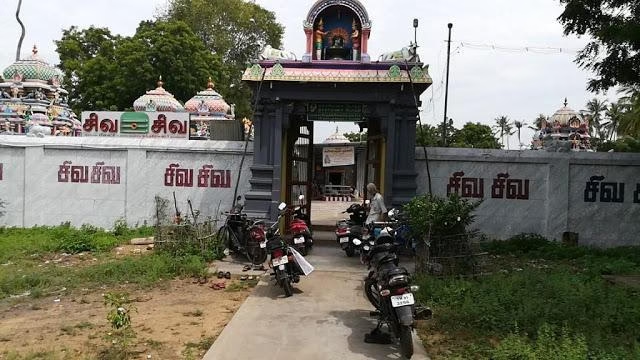
The Sundareswarar Temple exemplifies the grandeur of Dravidian Architecture, characterized by high compound walls, towering gateways (*Gopurams*), and intricate sculptural details. While the temple is compact compared to the massive Srirangam complex, it possesses a unique vibrancy.
Key architectural elements include:
- The Sanctum (Garbhagriha): Designed to maximize the visual impact of the Maragatha Lingam. The lighting within the sanctum is kept dim to allow the crystal’s subtle radiance to take precedence.
- Sub-Shrines: The temple complex houses a comprehensive array of shrines, including:
- Valli-Devasena Sahita Subramanya Swami (Murugan).
- Saneeswarar (Saturn) – crucial for astrological remedies.
- Bhairava (the fierce guardian form of Shiva).
- Varada Raja Perumal and Lakshmi Narayana (Vishnu), reflecting the harmonious integration of Vaishnavism within a Shiva temple.
Vastu Shastra Alignment: The temple follows traditional Agamic principles, with the Sthala Vriksham (sacred tree) identified as the Pon Vilvam (Golden Bilva) and Sandalwood tree, positioned to the east of the sanctum.
Darshan & Ritual Logistics
Visitors to the Sundareswarar Temple can partake in various Sevas (ritual services). The temple atmosphere is serene, allowing for unhurried darshan, unlike the crowded temple cities nearby.
Daily Timings
Note: Timings are based on traditional panchangam schedules for Trichy district and may vary slightly by season.
| Session | Timings | Activity |
|---|---|---|
| Morning | 06:00 AM – 12:00 PM | First Darshan, Morning Abhishekam, Archana |
| Afternoon | 12:00 PM – 04:30 PM | Temple Closure (Sanctum cleaning & preparation) |
| Evening | 04:30 PM – 08:30 PM | Evening Deeparadhana, Special Poojas |
Key Sevas & Online Booking
While the temple administration is relatively local, specific Sevas can be performed by contacting the temple priests directly or through the local temple trust.
- Abhishekam: Performed to the Maragatha Lingam with milk, honey, and tender coconut.
- Archana: Recitation of divine names (typically Maha Mrityunjaya Mantra).
- Archana for Saneeswarar: Highly recommended on Saturdays.
📖 Related: Vaaleeswarar Temple Natham: History, Darshan Timings & Rituals
Online Seva Booking: As of 2026, dedicated online platforms for this specific temple may be limited. Visitors are advised to call the temple contact number (see below) or use general Tamil Nadu temple booking aggregators for larger festivals. For day-to-day visits, booking can be done at the temple counter upon arrival.
2026 Festival Calendar (Major Events)
- Shivaratri (March 2026): Night-long vigil, special Jyotirlinga Abhishekam.
- Aadi Perukku (July/August 2026): Celebration of the Theertham (water body) with special processions.
- Karthigai Deepam (November 2026): Lighting of the giant lamp atop the hill (nearby Trichy view) and special Deepa Darshan.
Practical Visitor Guidance
Because Nannimangalam is a rural setting, facilities are basic but clean. Planning ahead is essential.
- Dress Code: Traditional attire is mandatory. Men should wear Dhoti or formal trousers with a shirt; women should wear saree, salwar kameez, or churidar. Western casual wear (shorts/t-shirts) is strictly prohibited.
- Photography: Strictly prohibited inside the sanctum sanctorum. Photography of the outer complex is usually permitted with respect.
- Mobile Lockers: Large electronic devices and mobile phones are discouraged in the inner sanctum. Small lockers are available near the entrance for a nominal fee.
- Crowd Management:
- Best Hours: Early morning (6:00 AM – 7:30 AM) offers the most peaceful darshan.
- Seasonal Advice:
- Summer (April–June): Trichy temperatures soar above 38°C. Carry a water bottle, wear light cotton clothes, and plan visits before 10 AM.
- Monsoon (Oct–Dec): The temple gopuram looks stunning in the rain, but roads to Nannimangalam can get slippery. Wear waterproof footwear.
Pilgrimage Connectivity
The temple is located in Nannimangalam (Sennivaikkal), near Lalgudi, Trichy District.
How to Reach
- By Air: Trichy International Airport (TRZ) is the nearest airport, located approximately 31 km away. Taxis and airport buses are available to Lalgudi.
- By Rail: Lalgudi Railway Station is the closest stop (approx. 4 km). Trichy Junction (TNR) is the major hub 26 km away, offering connectivity to all major cities.
- By Road:
- From Lalgudi Bus Station: 3.5 km (Auto-rickshaws readily available).
- From Trichy Central Bus Stand: 26 km via NH 210.
- Route: Trichy → Lalgudi → Nannimangalam.
Nearby Sacred Sites (Pilgrimage Circuit)
Extend your spiritual journey by visiting these nearby landmarks:
- Athmanathaswamy Temple (Siruganur): Located about 10 km away, famous for its towering Rajagopuram and the shrine of Lord Dakshinamurthy.
- Uthamar Koil (Trichy): A unique temple dedicated to the Hindu Trinity (Brahma, Vishnu, Maheswara), located 20 km away.
- Kumbakonam Temples: The temple is on the route to the Kumbakonam temple circuit (approx. 40 km), ideal for a full-day pilgrimage tour.
📖 Related: Thiruthani Murugan Temple: History, Timings & Complete Pilgrimage Guide
Photo Gallery
DSC_0202, Sundareswarar Temple, Nannimangalam, Trichy
DSC_0209, Sundareswarar Temple, Nannimangalam, Trichy
2016-07-19 (4), Sundareswarar Temple, Nannimangalam, Trichy
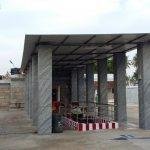
2016-07-19 (3), Sundareswarar Temple, Nannimangalam, Trichy
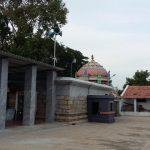
2016-07-19 (1), Sundareswarar Temple, Nannimangalam, Trichy
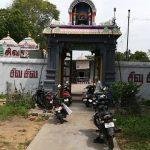
nor
Frequently Asked Questions (FAQ)
1. Is there a VIP darshan entry at Sundareswarar Temple?
As a regional temple, there is no formal VIP protocol like in Tirupati. However, devotees can perform special Abhishekam or Archana which allows for closer darshan of the deity. It is recommended to book these rituals in advance via the temple priest.
2. What is special about the Maragatha Lingam?
The Maragatha Lingam is a rare natural crystal formation representing the formless aspect of Shiva. It is believed to be one of the largest crystal lingams in the world. In Hindu tradition, the crystal is associated with the Ajna Chakra (third eye) and aids in higher consciousness.
3. Is the temple accessible for senior citizens?
Yes. While the inner sanctum requires removing footwear and walking barefoot, the pathway is flat. However, there are no ramps for wheelchairs. It is advisable to carry an umbrella for shade if visiting during mid-morning hours.
4. Are there accommodation facilities in Nannimangalam?
Basic accommodation is limited in Nannimangalam itself. Most pilgrims prefer to stay in Lalgudi or Trichy where options range from budget lodges to 3-star hotels. Lalgudi offers proximity to the temple without the noise of the main city.
5. What is the significance of the snake pit here?
The temple features a unique snake pit (Puttru) near the compound wall. Legend states that the resident cobra enters the sanctum through the Komukham (ventilation window) at night to join the deity’s worship. It is considered auspicious to spot this snake, symbolizing protection and the removal of fear.
Contact Details
Sundareswarar Temple
Nannimangalam (Sennivaikkal),
Lalgudi Taluk, Trichy District – 621 621.
Note: For specific inquiries regarding Pooja timings, please contact the local temple office or the priest in charge upon arrival.
How to Reach
The Temple is located at about 3 Kms from Lalgudi, 3.5 Kms from Lalgudi Bus Station, 4 Kms from Lalgudi Railway Station, 7 Kms from Anbil, 26 Kms from Trichy and 31 Kms from Trichy Airport.
Original Source: https://tamilnadu-favtourism.blogspot.com/2018/04/sundareswarar-temple-nannimangalam-trichy.html