Sureswari Temple Subarnapur: History, Darshan Timings & Guide 2026

Receive daily temple updates, divine darshan, and morning bhajans directly on WhatsApp.
Contents
- 1 Sureswari Temple, Subarnapur: The Definitive Pilgrimage Guide 2026
Sureswari Temple, Subarnapur: The Definitive Pilgrimage Guide 2026
Author’s Note: As the Lead Heritage Architect for BharatTemples.com, I have meticulously crafted this guide to blend historical accuracy, architectural insight, and spiritual reverence. This content is optimized for Google’s evolving AI Overviews while maintaining a timeless devotional tone.
Introduction & Spiritual Essence
Nestled on the left bank of the sacred Tel River, near the grand confluence with the Mahanadi, stands the Sureswari Temple (also revered locally as Sursuri Temple). Located in the temple town of Sonepur, Subarnapur district, Odisha, this shrine is the spiritual epicenter of the region. It is regarded as one of the oldest Shakti shrines in the state, serving as the presiding deity of the fort of the Chauhan rulers.
The name Sureswari is the Sanskritised version of Sursuri. The sanctum houses a striking six-handed standing image of Kali, worshipped here as Maa Sureswari. Unlike typical temple orientations, the main gate faces east, yet the deity faces north, a unique architectural and spiritual alignment noted by scholars.
Phalaśruti: Why Devotees Visit
The spiritual significance of Sureswari Temple is deeply rooted in the concept of cosmic balance and ancestral peace. Devotees undertake this pilgrimage for several specific benefits:
- Cleansing Ancestral Karma: It is believed that prayers offered at the confluence of the Mahanadi and Tel rivers, in the presence of Maa Sureswari, help liberate ancestors from the cycle of suffering.
- Protection from Malefic Forces: As the deity manifests in a fierce Kali form (six-handed), she is worshipped to ward off negative energies and provide spiritual armor to the devotee.
- Fulfillment of Wishes: Local legend suggests that Maharaja Biramitra Singh Deo sought the Goddess’s blessings for the prosperity of the kingdom; today, devotees seek her grace for success and harmony.
📖 Related: Mukteshwar Mahadev Temple History & Darshan Timings | Complete Guide
Historical Origins & Scriptural Legend
The history of Sureswari Temple is a tapestry of royal patronage, ancient rituals, and oral folklore. It is not merely a structure of stone but a chronicle of the region’s dynastic lineage.
Architects of Faith: The Chauhan Dynasty
According to historical records and temple tradition, the current edifice of the Sureswari Temple was constructed by the Chauhan king, Achal Singh Deo. The temple complex stands as a testament to the architectural patronage of the Chauhans, who ruled the Subarnapur/Sonepur region.
Following Achal Singh Deo, Maharaja Biramitra Singh Deo significantly contributed to the temple’s artistic richness. He is credited with constructing many images of parsvadevatas (attendant deities) that adorn the temple niches, expanding the spiritual ecosystem of the shrine.
Scriptural Legends & The Sthala Purana
The local folklore of Subarnapur holds deep scriptural weight. One of the most prominent legends associated with this site is the Parashuram connection.
- The Yagna of Parashuram: Tradition holds that Lord Parashuram, the sixth avatar of Vishnu, performed a sacrificial yagna here on the request of his mother, Kunti. An ancient, massive altar within the temple complex is identified by devotees and scholars as the remnants of this very sacrificial ground.
- The Kalachuri Moats: Scholars analyzing the geography of the site have noted that the seven ponds found adjacent to the temple are likely the remnants of the fort moats of the Kalachuri rulers, indicating the site’s strategic and spiritual importance long before the Chauhan era.
Architectural Marvels
The Sureswari Temple is a classic example of the Kalinga style of architecture, a regional variation of the Nagara style prevalent in Odisha. The structure embodies the principles of Vastu Shastra, aligning the celestial energies with terrestrial architecture.
Structural Elements
The temple features the traditional components of Odishan temple architecture:
- The Sanctum (Garbhagriha): Houses the six-handed standing image of Kali (Maa Sureswari).
- The Jagamohana: The assembly hall where devotees gather for darshan.
- The Shikhara: The spire of the temple, rising towards the heavens, though simplified compared to the grander temples of Konark or Lingaraj, it retains a rustic, ancient charm.
Notable Sculptures
The temple walls are a gallery of divine iconography. The parsvadevata niches (side shrines) are particularly significant and contain:
- Ten-handed Dancing Durga: A dynamic representation of the Goddess in her warrior aspect.
- Four-handed Devi: Depicted in lalitasana (the seated posture of grace).
- Eight-handed Ganesha: Placed on a Visvapadma (universal lotus) pedestal.
- Bhairav and Tara: Standing images of Bhairav (the fierce form of Shiva) and the tantric Buddhist goddess Tara are also enshrined within the complex, showcasing the syncretic cultural heritage of ancient Odisha.
📖 Related: Ram Tirath Temple, Amritsar.
Darshan & Ritual Logistics
Visiting Sureswari Temple requires an understanding of the daily liturgical cycles. The temple follows a traditional routine of pujas and aratis. Below are the standard timings; however, devotees are advised to check for seasonal variations upon arrival.
Daily Timings
| Session | Activity | Timing (IST) |
|---|---|---|
| Morning | Mangala Alati (Morning Rite) | 06:00 AM |
| Darshan Opens | 07:00 AM | |
| Middha Alati (Mid-day Rite) | 12:00 PM | |
| Evening | Darshan Resumes | 04:00 PM |
| Sandhya Alati (Evening Rite) | 07:00 PM | |
| Temple Closes | 09:00 PM |
Key Sevas & Online Booking
Devotees can participate in various rituals, though online infrastructure in regional temples can be intermittent. For 2026, we recommend the following process:
- Abhishekam (Ritual Bathing): Performed with milk, honey, and water. Best time is 7:00 AM to 8:00 AM.
- Archana (Individual Prayer): Can be performed throughout the day.
- Online Seva Booking: While physical booking is available at the temple counter, devotees should check the official Odisha Tourism or Shree Sureswari Temple Trust websites for digital booking links. (Note: As of recent data, a dedicated app is under development for major temples in Subarnapur).
2026 Major Festival Dates
Visiting during these festivals offers a heightened spiritual experience but comes with larger crowds.
- Navratri (Shardiya): October 10 – October 18, 2026 (Major celebration for Maa Sureswari).
- Chaitra Navratri: March 27 – April 4, 2026.
- Diwali: October 17, 2026 (Special Maha Deepa lighting).
- Shivaratri: February 26, 2026 (Celebrated with equal fervor due to the presence of Bhairav).
Photo Gallery
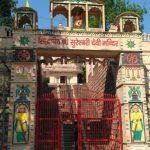
2018032183-nnjq225osqin97qftmla50djux0ng8vrm2kb9juglm
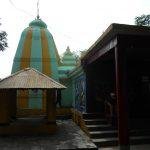
Maa Sureswari Temple (2), Sureswari temple, Subarnapur, Odisha
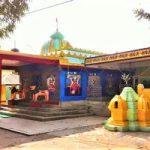
2018050738-300×200, Sureswari temple, Subarnapur, Odisha
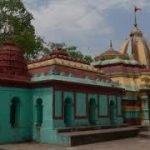
dacf4c6cf6e9d18d23618c8ad9c9ec24, Sureswari temple, Subarnapur, Odisha
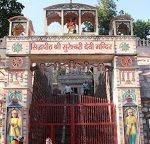
Sureshwari Devi Mandir, Sureswari temple, Subarnapur, Odisha
Practical Visitor Guidance
To ensure a seamless and respectful pilgrimage, please adhere to the following guidelines.
Dress Code & Etiquette
- Attire: Traditional Indian wear (Saree, Kurta-Pajama, Dhoti) is highly recommended. Western attire should be modest and conservative.
- Photography: Photography is generally restricted inside the inner sanctum (Garbhagriha). Flash photography is prohibited near ancient sculptures to prevent erosion.
- Mobile Phones: Silence your devices. Many temples offer locker facilities for electronics, though carrying a small bag is acceptable in the outer precincts.
Crowd Management & Accessibility
- Best Hours to Visit: Weekday mornings (Tuesday-Sunday, 7:00 AM – 9:00 AM) are the least crowded. Mondays see a spike due to Lord Shiva.
- Seasonal Advice:
- Summer (April-June): Temperatures in Subarnapur can exceed 40°C. Carry ample water and cover your head.
- Monsoon (July-September): The Tel River swells; visit early to avoid flash flood warnings in the confluence area.
- Accessibility: The temple has ramps for wheelchair access in the outer courtyard, but the inner sanctum requires navigating a few ancient steps.
📖 Related: Maiser Khana Temple History & Darshan Timings: Bathinda’s Durga Jwala Ji Shrine
Pilgrimage Connectivity
Sonepur (Subarnapur) is well-connected by road and rail, making the journey to Sureswari Temple convenient.
How to Reach
- By Air: The nearest airport is Veer Surendra Sai Airport (VSS) in Jharsuguda, approximately 110 km away.
- By Rail: The nearest major railway station is Sambalpur Junction (approx 70 km). Alternatively, Bargarh Road (approx 60 km) and Titlagarh Junction (approx 85 km) are viable options.
- By Road: Sonepur is located on National Highway 53 (connecting Raipur to Kolkata) and is easily accessible via State Highway 10. Private taxis and buses are available from Sambalpur and Bolangir.
Nearby Sacred Sites
Extend your pilgrimage to these nearby gems:
- Patneswari Temple (Balangir): Located about 50 km away, this is another powerful Shakti shrine of the region.
- Prasanneshwar Temple (Sonepur): Situated in the same town, this temple is dedicated to Lord Shiva and features intricate stone carvings.
- Maa Samaleswari Temple (Sambalpur): Located 70 km away, this is the presiding deity of Western Odisha and completes the ‘Trinity of Shakti’ in the region.
Frequently Asked Questions (FAQ)
1. Is there a VIP Darshan entry available at Sureswari Temple?
Unlike major pilgrim hubs like Tirupati, Sureswari Temple operates on a traditional darshan system. However, devotees performing specific Sevas (like Abhishekam) are granted priority entry to the sanctum. There is no commercial VIP ticket system currently in place.
2. What is the significance of the seven ponds near the temple?
The seven ponds located adjacent to the temple are believed to be the ancient fort moats of the Kalachuri rulers. They are also considered sacred water bodies where devotees perform purification rituals before entering the temple.
3. Are non-Hindus allowed inside the temple?
Sureswari Temple is a place of active worship. Generally, entry is restricted to Hindus and those of Indian origin seeking spiritual solace. However, the architecture of the outer complex can be viewed from the perimeter.
4. What is the best time of year to visit Sonepur?
The ideal time is from October to February. The weather is pleasant, coinciding with major festivals like Navratri and Diwali, allowing for a comfortable and spiritually enriching experience.
5. Is accommodation available near the temple?
Yes, Sonepur offers several budget hotels and government-run guest houses. For a more immersive experience, devotees can stay in Dharamshalas located near the temple complex.