

Contents
The legend of Sati and Shiva is a poignant tale rooted in Hindu mythology, embodying themes of love, sacrifice, and the cosmic interplay between creation and destruction.
The legend of Sati and Shiva illustrates the profound connection between love, sacrifice, and the eternal dance of creation and destruction.
The Shakti Peeths, formed from her dismembered body, serve as enduring symbols of her legacy and the divine feminine energy that continues to inspire devotion and reverence among millions.
Sati and Her Background
Sati, the daughter of King Daksha, was deeply devoted to Lord Shiva, whom she admired for his ascetic nature and spiritual depth. Despite her father’s disapproval of her marriage to Shiva, Sati’s love for him prevailed, and they wed against Daksha’s wishes. This union, however, was fraught with tension, particularly during a grand yajna (sacrificial ritual) organized by Daksha, where Shiva was deliberately excluded.
The Yajna and Sati’s Self-Immolation
During the yajna, Sati, eager to see her family and prove her loyalty, decided to attend despite Shiva’s warnings. Upon her arrival, she faced humiliation from her father, who openly insulted Shiva. Overcome with grief and anger at her father’s disrespect towards her husband, Sati chose to self-immolate in the sacrificial fire, a drastic act symbolizing her unwavering devotion and the pain of familial betrayal.
Shiva’s Grief and the Tandava Dance
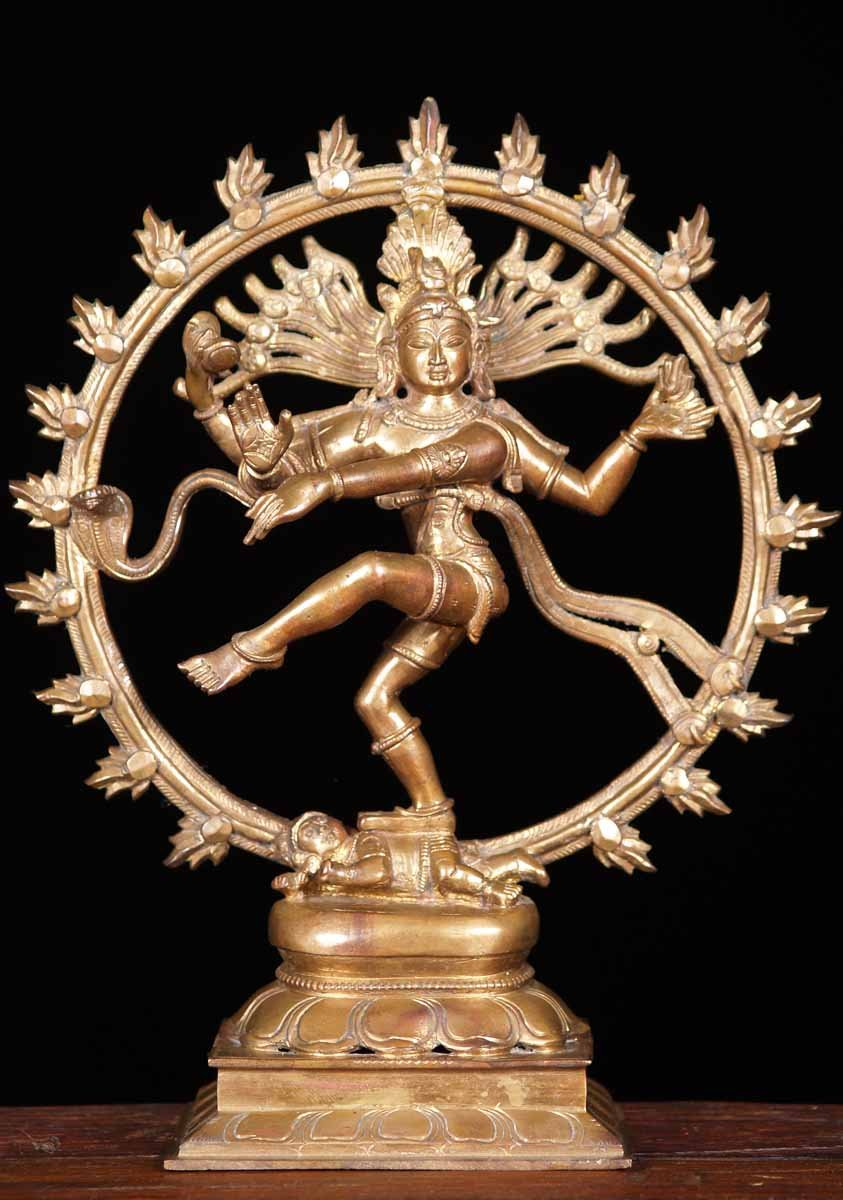
The news of Sati’s death devastated Shiva, plunging him into deep sorrow and rage. In his grief, he performed the Tandava, a cosmic dance of destruction, which threatened to disrupt the balance of the universe. To restore order, Lord Vishnu intervened by using his Sudarshan Chakra to dismember Sati’s body, scattering her remains across various locations on Earth. These sites later became known as Shakti Peeths, sacred places where devotees honor the divine feminine energy.
The Rebirth of Sati as Parvati
Following her death, Sati was reborn as Parvati, the daughter of the mountain king Himavat. Parvati, like Sati, was destined to win Shiva’s heart again. Through her devotion and penance, she ultimately succeeded in reuniting with Shiva, thus continuing the cycle of love and sacrifice.
Recent Posts

Shri Kaamkoteeshwar Mandir, Varanasi – History & Significance
In the heart of Kashi, the eternal city of Lord Shiva, where the Ganges flows with celestial grace, stands the Shri Kaamkoteeshwar Mandir. This sacred Sannidhi is not merely a temple but a profound spiritual bridge between the Northern…

ओ सांवरे तूने ही मुझको संभाला – Lyrics & Meaning
ओ सांवरे तूने ही मुझको संभाला – A Prayer to Shyam Origin & Spiritual Essence Why This Bhajan Resonates Devotees chant this when overwhelmed by life’s storms—the refrain ‘तूने ही मुझको संभाला’ is the soul’s sigh of relief: “You…

कथा ये है महाराज मेरे की – Lyrics & Meaning
कथा ये है महाराज मेरे की छत्रपति संभाजी महाराज – A Prayer to Chhatrapati Sambhaji Maharaj Origin & Spiritual Essence Why This Bhajan Resonates Devotees chant this when their spirit feels tested—its powerful refrain “महाराज मेरे” is a soul’s…

Rigveda Samhita Yathartha Anuvada (ऋग्वेद संहिता यथार्थ अनुवाद) – Complete Set with Anvayartha & Hindi/English Translation
The Rigveda is the oldest surviving scripture of humanity and the foundational text of Sanātana Dharma. For serious students, scholars, UPSC aspirants studying ancient Indian history, Sanskrit learners, and spiritual seekers, a precise and grammatically structured translation is indispensable.…

आना भी अकेला है जाना भी अकेला है – Lyrics & Meaning | BharatTemples
आना भी अकेला है जाना भी अकेला है – A Prayer to the Divine Witness Origin & Spiritual Essence Why This Bhajan Resonates Devotees turn to this bhajan in moments of deep reflection—when life’s attachments begin to ache. The…

माता शेरावाली के द्वार जो भी जाता है – Lyrics & Meaning
माता शेरावाली के द्वार जो भी जाता है – A Prayer to Maa Sherawali Origin & Spiritual Essence Why This Bhajan Resonates Devotees turn to this bhajan in times of fear or uncertainty—its promise that no one leaves Maa’s…

मार लेना सपणी उबार लेणा भवरा – Lyrics & Meaning
मार लेना सपणी उबार लेणा भवरा – A Prayer to the Divine Beloved Origin & Spiritual Essence Why This Bhajan Resonates Devotees chant this in moments of deep vulnerability—its cry of “मार लेना सपणी, उबार लेणा भवरा” is the…

हमें श्याम सुंदर भरोसा तुम्हारा – Lyrics & Meaning
हमें श्याम सुंदर भरोसा तुम्हारा – A Prayer to Shyam Sundar Origin & Spiritual Essence Why This Bhajan Resonates Devotees chant this when feeling alone—its refrain ‘de do sahara’ is the soul’s cry for divine support. Lyrics in Hindi…

Mere Satguru Ne Di Thi Davai Lyrics in Hindi & Meaning
Mere Satguru Ne Di Thi Davai: Invoking the Guru’s Liberating Wisdom This soul-stirring bhajan venerates the Satguru (True Spiritual Master) as the divine physician who dispenses the only remedy for life’s deepest sufferings. Composed by Sant Karmaveer Tufani, it…

Janm Diyo Thari Maa Dukh Dekhiyo Lyrics in Hindi & Meaning
जन्म दियो थारी माँ दुख देखियो (Maa’s Grief Upon Birthing You) This soul-stirring Chetavani Bhajan (admonitory hymn) is addressed to the Divine Mother (Maa) – a call for repentance when children forget their filial duties in the dark age…