Thirumalai Mahadevar Temple: History, Shivalaya Ottam & Darshan Timings
Receive daily temple updates, divine darshan, and morning bhajans directly on WhatsApp.
Contents
- 1 Introduction & Spiritual Essence: The Abode of Soolapani
- 2 Historical Origins & Scriptural Legend
- 3 Architectural Marvels: Dravidian Grandeur
- 4 Darshan & Ritual Logistics
- 5 Practical Visitor Guidance
- 6 Pilgrimage Connectivity
- 7 Frequently Asked Questions (FAQ)
- 8 Photo Gallery
- 9 Contact Details
Thirumalai Mahadevar Temple, Munchirai, Kanyakumari
| Date built: | – |
|---|---|
| Deity: | Thirumalai Mahadevar |
| Architectural style: | Dravidian architecture |
| Major festivals | – |
| Locale: | Munchirai |
| District:: | Kanyakumari |
| Address: | – |
| Phone | – |
Original Source: https://tamilnadu-favtourism.blogspot.com/2017/11/thirumalai-mahadevar-temple-munchirai-kanyakumari.html
Thirumalai Mahadevar Temple is a Hindu Temple dedicated to Lord Shiva located at Munchirai in Kanyakumari District of Tamilnadu. This temple is part of the famous Shivalaya Ottam. This shrine is the starting point of the holy Shivalaya Ottam, a run through twelve Shiva temples undertaken on Shivarathri. The stone carvings available in the temple dates back to the eleventh century AD, during the reign of Rajendra Chola I. The deity of the shrine is called Munchirai Thirumalai Thevar and Soolapani.
Introduction & Spiritual Essence: The Abode of Soolapani
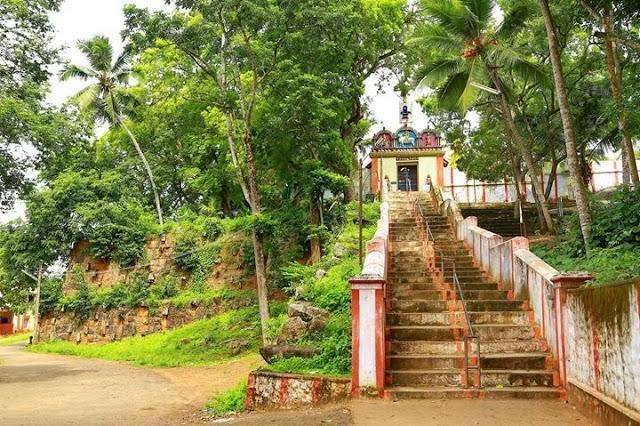
Nestled in the verdant landscapes of Munchirai in Kanyakumari district, the Thirumalai Mahadevar Temple stands as a monumental testament to Dravidian heritage and unwavering devotion. Dedicated to Lord Shiva (revered here as Thirumalai Thevar and Soolapani), this ancient shrine is a beacon for spiritual seekers across India.
The presiding deity is a Swayambhu Lingam (self-manifested), believed to be radiating potent energy for millennia. In Vedic astrology, this temple is particularly significant for those seeking relief from the malefic effects of Rahu and Ketu. Devotees visit to cleanse ancestral karma and attain Moksha (liberation). The term “Soolapani” refers to the Lord who holds the trident (Soola), signifying his role as the destroyer of ignorance and suffering.
Phalaśruti: The Benefits of Pilgrimage
- Cleansing Ancestral Karma: Rituals performed here are believed to pacify the spirits of ancestors, resolving Pitru Dosha in the family lineage.
- Relief from Planetary Afflictions: Specifically beneficial for overcoming obstacles caused by Kala Sarpa Yoga and malefic planetary transits.
- Marriage & Progeny: As per the local legend of Uthachi, childless couples pray here for the blessing of progeny.
📖 Related: Tiruparankundram Temple History and Darshan Timings: The Celestial Wedding Abode
Historical Origins & Scriptural Legend
Chola Dynasty & Architectural Dating
According to temple records and epigraphical evidence, the stone carvings and structural core of the temple date back to the 11th Century AD. This era coincides with the reign of the legendary Rajendra Chola I. The intricate workmanship reflects the zenith of Chola artistry, preserved over centuries in the southernmost tip of mainland India.
Sthala Purana: The Local Legends
The Four Yugas: Tradition holds that this temple exists beyond the confines of linear time. It is believed to have manifested in all four Yugas: as Sreesylam in Kirudayugam, Swamy Sylam in Threthayugam, Bavyasylam in Dhwaparayuga, and Sivasylam in Kaliyuga. References to this shrine are found in the epics Ramayana and Mahabharata.
The Legend of Uthachi: A poignant local story involves Uthachi, the mother of the famous King Thirumalai Nayak. Being childless, she undertook a severe penance within a fortified enclosure near the temple. Pleased by her devotion, Lord Shiva blessed her with a male child, who was later named after the deity. The ruins of this fort, known as Uthatchikkottai, can still be seen near the temple premises.
Architectural Marvels: Dravidian Grandeur
The temple follows the classical Dravidian architectural style, characterized by its imposing gateway towers and intricate sculptural details.
Key Features
- The Vimanam: The roof over the sanctum sanctorum (Vimana) displays typical Chola motifs, housing the Swayambhu Lingam.
- Sculptural Narratives: The pillars in the Mandapa (hall) feature carvings of deities, mythical beasts (Yalis), and floral motifs that are characteristic of 11th-century artistry.
- Fortified Walls: The temple is enclosed by a stone fortification, a feature that protects the sanctity of the shrine and echoes the fort legends of the Nayak period.
Darshan & Ritual Logistics
The daily worship at Thirumalai Mahadevar Temple follows the Agama Shastras, meticulously performed by Kerala Potti priests.
Daily Temple Timings
The temple generally remains open in two segments to accommodate devotees’ schedules.
| Session | Timing |
|---|---|
| Morning Darshan | 05:00 AM – 11:00 AM |
| Mid-day Closure | 11:00 AM – 05:00 PM |
| Evening Darshan | 05:00 PM – 08:00 PM |
📖 Related: Sakthimutreeswarar Temple History, Darshan Timings & Complete Guide
*Note: Timings may vary during festival days or special rituals.
Key Sevas & Offerings
- Palliunartal (Awakening Ritual): Begins at 5:00 AM with the blowing of the conch, rousing the deity from sleep.
- Abhishekam: Performed with milk, curd, ghee, honey, and tender coconut water. This ritual is highly sought after by devotees seeking physical and spiritual healing.
- Archana: Personalized chanting of hymns dedicated to Lord Soolapani.
- Neivedhyam: Offering of cooked rice (prasadam), fruits, and sweets.
Online Seva Booking
To participate in special Abhishekam or Archana without waiting in line, devotees can now utilize the online portal provided by the temple administration.
Click here to book Seva for 2026
2026 Festival Calendar
The temple is famous for the Shivalaya Ottam. For 2026, the following dates are pivotal:
- Shivaratri (Maha Shivaratri): February 26, 2026. This is the night when the Shivalaya Ottam run commences from this temple.
- Pradosham: 13th and 28th of every month (approx. timing: 4:30 PM – 6:00 PM).
- Kumbashtami (Masi Month): March 2026 (Exact date based on Tamil Almanac).
- Panguni Kodiyetram (Peruvizha): March – April 2026 (Grand Annual Flag Hoisting).
Practical Visitor Guidance
Ensuring a smooth and respectful darshan experience requires proper preparation.
Code of Conduct & Dress Code
- Attire: Traditional Indian clothing is mandatory. Men should wear Dhoti or Mundu; Women should wear Saree or Salwar Kameez. Avoid shorts, jeans, and t-shirts.
- Photography: Strictly prohibited inside the sanctum sanctorum. Photography is allowed in the outer prakaram (corridors) but must be done respectfully.
- Electronic Devices: Mobile phones should be kept on silent. Dedicated lockers are available near the entrance for storing shoes and electronics.
- Accessibility: The inner sanctum involves steps. While the outer corridors are accessible, wheelchair access to the main deity might be restricted due to the ancient architecture.
Crowd Management & Best Times to Visit
- Best Time: Weekday mornings (Tuesday and Friday are auspicious for Shiva).
- Avoid: Shivaratri and monthly Pradosham days if you prefer a quieter darshan, as thousands of pilgrims from the Shivalaya Ottam converge here.
- Seasonal Tip: Kanyakumari experiences tropical heat. Carry a water bottle and wear light cotton fabrics. The monsoon (October–November) brings a mystical beauty to the temple but requires umbrellas.
Pilgrimage Connectivity
How to Reach Thirumalai Temple
The temple is strategically located between major towns in Kanyakumari district.
- Nearest Railway Station: Kuzhithurai (KZT) – Approximately 7 km. It is a major halt for trains coming from Thiruvananthapuram and Nagercoil.
- Nearest Airport: Trivandrum International Airport (TRV) – Approximately 46 km. Taxis and buses are available from the airport to Kuzhithurai/Munchirai.
- By Road: Located just off the Kuzhithurai – Thiruvattaru Road. It connects to the NH66 (formerly NH47).
📖 Related: Saatchi Boodeshwarar Temple: History, Darshan Timings & Guide
Nearby Sacred Sites (The Pilgrimage Circuit)
As the starting point of the Shivalaya Ottam, this temple connects you to the 12 sacred Shiva temples of Kanyakumari:
- Vattakottai Temple: Located near Kanyakumari (approx. 50 km) – Known for its scenic location and strong protective walls.
- Thanumalayan Temple (Suchindram): Approximately 20 km away – Famous for its musical pillars and Hanuman statue.
- Adikesava Perumal Temple (Thiruvattar): Approximately 12 km away – A beautiful temple surrounded by a mountain stream, dedicated to Lord Vishnu.
Frequently Asked Questions (FAQ)
1. What is the significance of the Shivalaya Ottam?
Shivalaya Ottam is a unique pilgrimage run performed on Maha Shivaratri. Devotees run through 12 Shiva temples in Kanyakumari district in a single night. Thirumalai Mahadevar Temple is the starting point of this sacred run.
2. Is there a VIP darshan entry available?
Yes, the temple administration provides a special entry darshan for elderly devotees and differently-abled persons. For specific VIP arrangements, it is advisable to contact the temple office a day in advance.
3. Can I perform Rudra Abhishekam personally?
Generally, only authorized temple priests perform the Rudra Abhishekam. Devotees can sponsor the Abhishekam and receive the Prasadam, but personal performance inside the sanctum is restricted to preserve the sanctity of the rituals.
4. Is non-vegetarian food allowed near the temple?
No. This is a strict Shiva temple. Alcohol and non-vegetarian food are strictly prohibited within the temple complex and the surrounding premises. Sattvic (pure vegetarian) food is recommended before entering.
5. What is the best way to book accommodation near the temple?
While the temple itself does not have guest houses, there are several lodges and choultries in Kuzhithurai (7 km) and Marthandam (8 km). Booking in advance is recommended during the Shivaratri season.
Photo Gallery

IMG_1980a, Thirumalai Mahadevar Temple, Munchirai, Kanyakumari

IMG_1967a, Thirumalai Mahadevar Temple, Munchirai, Kanyakumari

IMG_1953, Thirumalai Mahadevar Temple, Munchirai, Kanyakumari

IMG_1955, Thirumalai Mahadevar Temple, Munchirai, Kanyakumari

IMG_0143, Thirumalai Mahadevar Temple, Munchirai, Kanyakumari
2017-05-08 (10), Thirumalai Mahadevar Temple, Munchirai, Kanyakumari
2017-05-08 (11), Thirumalai Mahadevar Temple, Munchirai, Kanyakumari

2017-05-08 (9), Thirumalai Mahadevar Temple, Munchirai, Kanyakumari

2017-05-08 (7), Thirumalai Mahadevar Temple, Munchirai, Kanyakumari

2017-05-08 (4), Thirumalai Mahadevar Temple, Munchirai, Kanyakumari

2017-05-08 (2), Thirumalai Mahadevar Temple, Munchirai, Kanyakumari
2017-05-07 (1), Thirumalai Mahadevar Temple, Munchirai, Kanyakumari

2017-05-07, Thirumalai Mahadevar Temple, Munchirai, Kanyakumari

2016-06-16, Thirumalai Mahadevar Temple, Munchirai, Kanyakumari
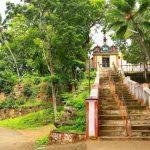
thirumalai, Thirumalai Mahadevar Temple, Munchirai, Kanyakumari
Contact Details
Note: Direct contact numbers for this specific rural temple are often limited. It is recommended to contact the Kanyakumari Devaswam Board or the local RDO office for official inquiries.
- Location: Munchirai, Kanyakumari District, Tamil Nadu.