
Contents
Introduction & Spiritual Essence
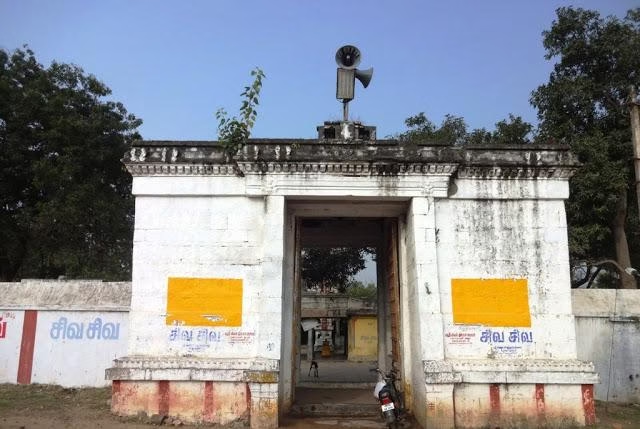
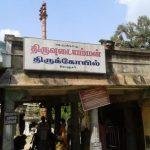
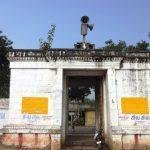
Hidden amidst the lush agrarian landscapes of Minjur in Thiruvallur district, the Thirumanangeeswarar Temple (also revered as the Thiruvudai Amman Temple) stands as a silent sentinel of divine grace. Dedicated to Lord Shiva and his consort Goddess Parvati, this temple is architecturally captivating and theologically profound. It is revered as one of the sacred Tri-Sakthi Temples of the Tamil Shaiva tradition, holding a unique place in the hearts of devotees.
Primary Deity & Form:
- Lord Shiva: Worshipped here as Thirumanangeeswarar (Swayambhu Lingam).
- Goddess Parvati: Revered as Thiruvudai Amman (also known as Ichcha Sakthi).
Phalaśruti: Why Devotees Visit
The spiritual potency of this temple is deeply rooted in the concept of Ichcha Sakthi—the divine power to manifest one’s heartfelt desires. According to scriptural traditions, devotees visit this shrine specifically to:
- Fulfill Wishes: Offering prayers to Thiruvudai Amman is believed to remove obstacles and grant the sincere desires of the devotee.
- Cleansing Ancestral Karma: Performing rituals here is considered beneficial for pacifying ancestors and alleviating negative planetary influences.
- Marital Harmony: As the site of the divine wedding (Swayamvaram) of Shiva and Parvati, it is a potent destination for those seeking harmonious relationships.
Historical Origins & Scriptural Legend
The history of the Thirumanangeeswarar Temple is a blend of Puranic lore and local folklore, painting a vivid picture of its origins.
The Legend of Suganda Vanam
Tradition holds that this region was once a dense forest known as Suganda Vanam, famous for its fragrant flowers. The Sthala Purana narrates the discovery of the presiding deity:
A rich cowherd noticed that his cow, Kamadhenu, would empty her milk onto a specific shrub daily. Upon investigating, he discovered a Swayambhu Lingam (a self-manifested phallus of Shiva) enveloped by a hooded cobra. He cleared the forest, built a shrine, and worshipped the Lord as Sungandavaneswaran, which eventually evolved into the name Thirumanangeeswarar.
The Tri-Sakthi Curse
The temple’s identity is inextricably linked to the Tri-Sakthi (Three Powers) legend. It is said that Goddess Parvati playfully covered Lord Shiva’s eyes, plunging the universe into darkness for a moment. To cleanse this sin, Shiva cursed her to be born on earth in three forms:
- Ichcha Sakthi (Power of Desire) – Thiruvudai Amman (Thirumanangeeswarar Temple)
- Gnana Sakthi (Power of Knowledge) – Vadivudai Amman (Thiruvottriyur)
- Kriya Sakthi (Power of Action) – Kodiyidai Amman (Thirumullaivoyal)
After her three births, Lord Shiva married her again at this sacred site, marking it as a center of divine union.
Architectural Marvels
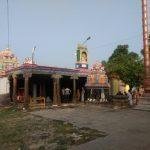
The temple exemplifies the grandeur of Dravidian architecture, characterized by towering gateways and intricate sculptural work.
Style and Layout
While specific inscription details from the source material are sparse, the temple follows the traditional Panchayatana style common to Tamil Nadu agrarian temples. The complex is oriented eastward, with the Gopuram (tower) serving as a beacon for devotees.
- Sanctum Sanctorum: Houses the Swayambhu Lingam, viewed through a brass gate.
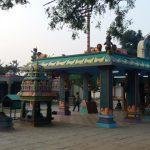
- Ardha Mandapa: The pillared hall preceding the sanctum, featuring carved columns depicting deities.
- The Goddess Shrine: Located adjacent to the main sanctum, the Thiruvudai Amman idol is carved in Ashtabhuja (eight-armed) form, holding various weapons of war and creation.
Heritage Status: While not a UNESCO World Heritage site, this temple is part of the living heritage of Tamil Nadu and is preserved by the local Hindu Religious and Charitable Endowments (HR&CE) department.
Darshan & Ritual Logistics
To ensure a seamless spiritual experience, devotees should plan their visit according to the temple’s daily schedule and festival calendar.
Daily Timings
The temple remains open for a duration of approximately 7 hours daily.
| Session | Timing |
|---|---|
| Morning Darshan | 08:00 AM – 11:30 AM |
| Afternoon Break | 11:30 AM – 04:00 PM |
| Evening Darshan | 04:00 PM – 07:00 PM |
Key Sevas and Offerings
- Abhishekam: The ritual bathing of the deity with water, milk, honey, and sandalwood. It is performed daily during the morning hours.
- Special Archana: Recitation of the 108 names of the Lord and Goddess.
- Thiruvudai Amman Offering: Traditionally, devotees offer a Yellow Saree and Mangoes to the Goddess to fulfill specific wishes (Naivaethiyam).
Online Seva Booking & 2026 Festivals
As of 2026, the temple follows a traditional booking system. While a dedicated app may not be available for this specific village temple, devotees are encouraged to visit the Tamil Nadu HR&CE portal for general scheduling.
Note: Festival timings may vary based on the Tamil calendar and local committee announcements.
- Maha Shivaratri (Feb/Mar 2026): The most significant festival. The temple remains open throughout the night with special Padapuja (worship of feet).
- Pradosham: Occurring twice a month (13th day after Full/New Moon). The evening darshan is especially auspicious.
- Aadi Perukku (July 2026): Special abhishekam and procession for the Goddess.
- Arudra Darshanam: Celebration of the cosmic dance of Shiva (usually in December/January).
Practical Visitor Guidance
Adherence to local customs ensures a respectful environment for all pilgrims.
Etiquette and Rules
- Dress Code: Traditional attire is mandatory. Men should wear Dhoti or pants with a shirt; Women should wear Saree, Salwar Kameez, or full-length skirts.
- Photography: Generally prohibited inside the Garbhagriha (inner sanctum). Flash photography may be restricted in the outer praharam (corridor).
- Mobile Phones: It is advisable to switch phones to silent mode. Some temples offer lockers for electronic devices; however, carrying minimal items is recommended.
- Accessibility: The temple has granite steps at the entrance. The inner sanctum is compact, making wheelchair access challenging. It is advisable to visit during early morning hours for a less crowded experience.
Crowd Management
- Best Time to Visit: Weekdays between 10:00 AM and 11:00 AM offer a peaceful darshan. Avoid weekends and major festival evenings.
- Seasonal Advice: Minjur can be humid. Carry water and wear breathable cottons, especially during the summer months (April–June).
Pilgrimage Connectivity
The temple is situated in Melur, a village near Minjur, roughly 40 km north of Chennai, making it accessible via road and rail.
How to Reach
- By Road:
- From Chennai: Take Chennai-Tada Road (SH-62) or Chennai-Kolkata Highway (NH-16) towards Minjur.
- Bus Route: Buses ply from CMBT (Koyambedu) and Broadway to Minjur. Get off at the Melur bus stop (before Minjur town). The temple is approximately 1 km from the stop.
- By Rail:
- Nearest Station: Minjur Railway Station (approx. 3.5 km).
- Local trains from Chennai Central take about 1 hour to reach Minjur. From there, take an auto-rickshaw to Melur.
- By Air:
- Nearest Airport: Chennai International Airport (MAA), approximately 40 km away.
Nearby Sacred Sites
Extend your pilgrimage to these nearby shrines:
- Kodiyidai Amman Temple (Thirumullaivoyal): Located roughly 25 km away, this is the 3rd of the Tri-Sakthi temples (Kriya Sakthi).
- Sathyavageeswarar Temple (Sholavaram): Known for its architectural elegance and historical inscriptions, located en route to Chennai.
- Vadivudai Amman Temple (Thiruvottriyur): The 2nd of the Tri-Sakthi temples (Gnana Sakthi), located to the south of Chennai.
Frequently Asked Questions (FAQ)
1. Is there a VIP or special entry darshan available?
As this is a traditional village temple, there is usually no formal VIP entry system. However, donations to the temple trust can sometimes facilitate a quicker darshan during non-peak hours. It is best to inquire with the temple manager (Trustee) upon arrival.
2. What is the significance of the Yellow Saree offering?
Yellow represents auspiciousness and prosperity in Hindu tradition. Offering a yellow saree to Thiruvudai Amman is believed to remove Vishnu Dosha (obstacles) and fulfill the specific desires (Ichcha) of the devotee.
3. Are food facilities available at the temple?
While the temple may not have a full-fledged canteen like larger shrines, prasadam (holy offering) is distributed during specific hours. For meals, Minjur town (2 km away) has several restaurants serving South Indian vegetarian cuisine.
4. What is the best way to book sevas in advance?
For specific dates, it is advisable to contact the Temple Executive Officer or the local HR&CE office in Minjur. Most daily sevas are conducted on a first-come, first-served basis.
5. Is the temple open on all days?
Yes, the temple generally remains open daily. However, it is closed during the afternoon interval (11:30 AM – 4:00 PM). On major festival days, the temple stays open for extended hours.

Recent Posts

ओ सांवरे तूने ही मुझको संभाला – Lyrics & Meaning
ओ सांवरे तूने ही मुझको संभाला – A Prayer to Shyam Origin & Spiritual Essence Why This Bhajan Resonates Devotees chant this when overwhelmed by life’s storms—the refrain ‘तूने ही मुझको संभाला’ is the soul’s sigh of relief: “You…

कथा ये है महाराज मेरे की – Lyrics & Meaning
कथा ये है महाराज मेरे की छत्रपति संभाजी महाराज – A Prayer to Chhatrapati Sambhaji Maharaj Origin & Spiritual Essence Why This Bhajan Resonates Devotees chant this when their spirit feels tested—its powerful refrain “महाराज मेरे” is a soul’s…

Rigveda Samhita Yathartha Anuvada (ऋग्वेद संहिता यथार्थ अनुवाद) – Complete Set with Anvayartha & Hindi/English Translation
The Rigveda is the oldest surviving scripture of humanity and the foundational text of Sanātana Dharma. For serious students, scholars, UPSC aspirants studying ancient Indian history, Sanskrit learners, and spiritual seekers, a precise and grammatically structured translation is indispensable.…

आना भी अकेला है जाना भी अकेला है – Lyrics & Meaning | BharatTemples
आना भी अकेला है जाना भी अकेला है – A Prayer to the Divine Witness Origin & Spiritual Essence Why This Bhajan Resonates Devotees turn to this bhajan in moments of deep reflection—when life’s attachments begin to ache. The…

माता शेरावाली के द्वार जो भी जाता है – Lyrics & Meaning
माता शेरावाली के द्वार जो भी जाता है – A Prayer to Maa Sherawali Origin & Spiritual Essence Why This Bhajan Resonates Devotees turn to this bhajan in times of fear or uncertainty—its promise that no one leaves Maa’s…

मार लेना सपणी उबार लेणा भवरा – Lyrics & Meaning
मार लेना सपणी उबार लेणा भवरा – A Prayer to the Divine Beloved Origin & Spiritual Essence Why This Bhajan Resonates Devotees chant this in moments of deep vulnerability—its cry of “मार लेना सपणी, उबार लेणा भवरा” is the…

हमें श्याम सुंदर भरोसा तुम्हारा – Lyrics & Meaning
हमें श्याम सुंदर भरोसा तुम्हारा – A Prayer to Shyam Sundar Origin & Spiritual Essence Why This Bhajan Resonates Devotees chant this when feeling alone—its refrain ‘de do sahara’ is the soul’s cry for divine support. Lyrics in Hindi…

Mere Satguru Ne Di Thi Davai Lyrics in Hindi & Meaning
Mere Satguru Ne Di Thi Davai: Invoking the Guru’s Liberating Wisdom This soul-stirring bhajan venerates the Satguru (True Spiritual Master) as the divine physician who dispenses the only remedy for life’s deepest sufferings. Composed by Sant Karmaveer Tufani, it…

Janm Diyo Thari Maa Dukh Dekhiyo Lyrics in Hindi & Meaning
जन्म दियो थारी माँ दुख देखियो (Maa’s Grief Upon Birthing You) This soul-stirring Chetavani Bhajan (admonitory hymn) is addressed to the Divine Mother (Maa) – a call for repentance when children forget their filial duties in the dark age…
Bhadi Sabha Mein Thane Manaun Lyrics in Hindi & Meaning
Bhadi Sabha Mein Thane Manaun: Invoking the Spear-Wielding Mother Mata Bhawani (श्री ज्वाला भवानी), the fiery manifestation of Shakti worshipped as the Protector of Dharma in Her Dhaulagarh sanctum. Origin & Spiritual Essence Composed in Rajasthani folk tradition by…