
Contents
- 1 Introduction & Spiritual Essence
- 2 Historical Origins & Scriptural Legend
- 3 Architectural Marvels
- 4 Darshan & Ritual Logistics
- 5 Practical Visitor Guidance
- 6 Pilgrimage Connectivity
- 6.1 How to Reach
- 6.2 By Road
- 6.3 By Train
- 6.4 By Air
- 6.5 Nearby Sacred Sites (The Tirunangur Circuit)
- 6.6 Frequently Asked Questions (FAQ)
- 6.6.1 1. Is there a VIP darshan entry available at Thirumanimadam Temple?
- 6.6.2 2. What is the significance of the “Nanda Vilakku” in this temple?
- 6.6.3 3. Are there accommodation facilities available in Thirunangur?
- 6.6.4 4. Is non-vegetarian food allowed near the temple?
- 6.6.5 5. When is the best time to witness the Garuda Vahana procession?
Introduction & Spiritual Essence
Located in the sacred soil of Thirunangur, near Sirkazhi in Tamil Nadu, the Thirumanimadam Narayanan Perumal Temple stands as a beacon of divine light and architectural heritage. This temple is one of the revered 108 Divyadesams—the holiest abodes of Lord Vishnu, celebrated in the hymns of the Azhwar saints.
The Deity & Form
The primary deity here is worshipped as Narayanan Perumal (also revered as Badrinarayana Perumal). He stands in a majestic form, embodying the duality of teacher and student as Nara-Narayana. His consort, Sri Pundarikavalli Thayar, blesses devotees from the adjacent sanctum. The presiding deity is a Swayambhu (self-manifested) murti, radiating an aura of supreme tranquility.
Phalaśruti: The Fruit of Devotion
Devotees throng to this temple to seek blessings for spiritual enlightenment and liberation from karmic cycles. It is believed that performing sincere Darshan here bestows the following benefits:
- Gnana Siddhi: Gaining divine wisdom and clarity of thought.
- Ancestral Liberation: Performing rites here is said to cleanse ancestral karma, offering peace to departed souls.
- Removal of Ignorance: As Lord Narayanan illuminates the mind like a “Nanda Vilakku” (perpetual lamp), devotees are freed from the darkness of Ajnana (ignorance).
Historical Origins & Scriptural Legend
The Myth of Eleven Forms
According to local tradition and the Sthala Purana, this temple is deeply intertwined with the cosmic dance of Lord Shiva. Legend holds that following the sacrificial death of Goddess Sati (Uma), Lord Shiva performed the Rudra Tandavam in furious grief. As his matted locks touched the earth at Thirunangur, eleven distinct forms of Shiva emerged.
To pacify Shiva and save creation from total destruction, Lord Vishnu descended here. Responding to Shiva’s request, Vishnu manifested in eleven different forms across Thirunangur, balancing the cosmic energy. Thirumanimadam is one of these sacred spots where the Lord appeared as Narayana Gyana Nandha Vilaku—the lamp of spiritual knowledge.
Nara-Narayana: The Eternal Teacher
Scriptural records indicate this temple embodies the Nara-Narayana concept. Here, the Lord is both the student (Nara) and the teacher (Narayana), symbolizing the ultimate truth that wisdom comes from within. It is said that Indra and the Ekadasa Rudhrars (the eleven Rudras) worshipped Vishnu here to attain salvation.
Construction & Renovation
While the exact date of construction is not explicitly recorded in early epigraphy, the temple follows the traditional Dravidian style prevalent in the Chola period. The structure has been maintained by the Hindu Religious and Endowment Board of the Tamil Nadu government. It is closely associated with Thirumangai Alvar, one of the prominent Alvar saints, who has sung the glory of this Divyadesam in the Divya Prabandha.
Architectural Marvels
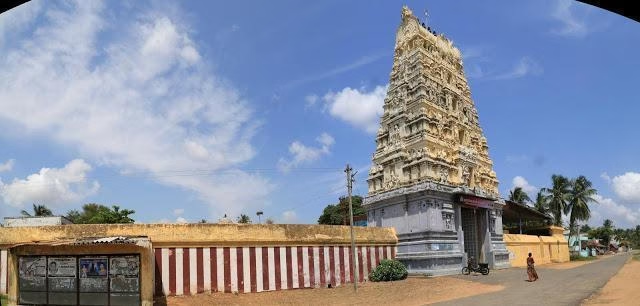
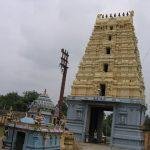
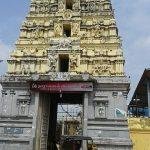
The temple is a classic example of Dravidian architecture, characterized by its tiered structures and intricate sculptural details. Though compact, it follows the principles of Vastu Shastra, aligning the sanctum with cosmic directions.
The Vimana and Mandapas
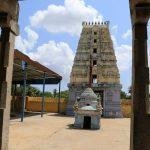
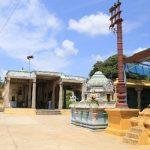
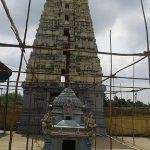
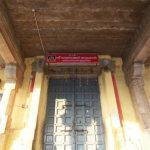
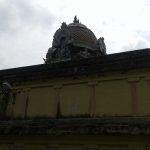
The temple features a modest Raja Gopuram (entrance tower) leading to the Garbhagriha (sanctum sanctorum). The Shikhara (tower above the sanctum) follows the Dravida style, typical of South Indian Vishnu temples. The Garbhagriha houses the image of Narayanan Perumal, while the Ardha Mandapa serves as the space for devotees to offer prayers.
Notable Sculptures
The temple walls feature stone carvings depicting various avatars of Vishnu and scenes from the Puranas. The sanctum is designed to resemble a Maadam (a structure for placing lamps), signifying the role of Perumal as the Nanda Vilakku (endless flame of wisdom).
ASI Status
While the temple is a protected heritage site under state management, it is part of the cultural heritage complex of the Nagapattinam district, preserving the ancient Divyadesam traditions.


Darshan & Ritual Logistics
The temple operates on a strict schedule of daily Nitya Puja. The priests, belonging to the Vaishnavaite community, perform rituals with strict adherence to the Agama texts.
Daily Darshan Timings
Please note that timings may vary slightly during festival seasons. It is advisable to check with the temple office before your visit.
| Session | Opening Time | Closing Time |
|---|---|---|
| Morning Darshan | 08:00 AM | 10:00 AM |
| Afternoon Rest | 10:00 AM | 05:00 PM |
| Evening Darshan | 05:00 PM | 07:00 PM |
Ritual Schedule (Pooja Timings)
- Ushathkalam Pooja: 08:00 AM
- Kalasanthi Pooja: 10:00 AM
- Sayarakshai Pooja: 05:00 PM
- Ardha Jamam Pooja: 07:00 PM
Key Sevas and Online Booking
Major Sevas such as Abhishekam (sacred bathing of the deity) and Archana (recitation of names) are performed daily. For specific offerings like Sahasranama Archana or Tirukalyana Utsavam, devotees should contact the temple executive officer.
Current Status (2026): While the temple has a limited digital presence, bookings for special rituals during major festivals can be coordinated via the Temple Office or the Tamil Nadu HR&CE Department website.
2026 Festival Highlights
- Thirumangai Azhwar Mangalasasana Utsavam: Celebrated during the Tamil month of Thai (January–February). This is the grand festival where the festival images of the eleven Thirunangur Tirupathis are brought together.
- Garudasevai: The highlight of the annual festival. The processional deities are mounted on the Garuda Vahana. Devotees throng Thirunangur to witness this spectacular sight.
- Brahmotsavam: Celebrated in the month of May/June (Tamil month Vaikasi).
- Pavitrotsavam: Usually held in August/September.
Practical Visitor Guidance
Dress Code & Etiquette
Visitors must adhere to traditional dress codes. Men are required to wear Dhoti or formal trousers with a shirt; women are requested to wear Saree, Salwar Kameez, or traditional attire. Western casual wear (shorts, skirts, t-shirts) is strictly prohibited inside the sanctum.
Photography & Mobiles
Photography is generally restricted inside the inner sanctum (Garbhagriha). Mobile phones must be switched to silent mode or kept in lockers if available.
Accessibility
The temple complex is compact. However, due to ancient stone flooring, wheelchair access to the inner sanctum may be difficult. It is advisable for elderly visitors to visit during morning hours when the crowd is manageable.
Crowd Management
- Best Hours: The morning slot (8 AM – 9 AM) offers a peaceful darshan.
- Weekends: Expect higher crowds on Saturdays and Sundays.
- Seasonal Advice: If visiting in May/June, carry water and an umbrella as temperatures in Nagapattinam district can be high. During the annual Thai festival, transport to Thirunangur is heavy; public transport is recommended.
Pilgrimage Connectivity
How to Reach
The temple is located in Thirunangur village, approximately 8 km from Sirkazhi and 20 km from Mayiladuthurai.
By Road
Extensive road networks connect Thirunangur to major cities. From Chennai, take NH-32 (East Coast Road) via Pondicherry/Tiruvarur to reach Mayiladuthurai/Sirkazhi. Regular buses ply from Sirkazhi and Mayiladuthurai to Thirunangur.
By Train
The nearest railway junction is Sirkazhi (approx. 8 km). From Sirkazhi, hire an auto-rickshaw or taxi to Thirunangur. Major trains from Chennai Egmore (e.g., Chozhan Express) stop at Sirkazhi.
By Air
The nearest airport is Tiruchirappalli International Airport (TRZ), located about 145 km away. The nearest operational airport is also Thanjavur Airport.
Nearby Sacred Sites (The Tirunangur Circuit)
Thirunangur is the abode of 11 Divyadesams. While here, you can also visit:
- Thiru Sempon Sei Kovil: Located in the same village complex, known for its golden hue.
- Thiruvaali Thirunagari: The birthplace of Thirumangai Alvar, located nearby.
- Sirkazhi Temples: The Thirupurasundari Amman Temple and the massive Brahmapureeswarar Temple (dedicated to Lord Shiva) are just 8 km away, making for a perfect Shaiva-Vaishnava pilgrimage circuit.
Frequently Asked Questions (FAQ)
1. Is there a VIP darshan entry available at Thirumanimadam Temple?
Currently, the temple does not have a specific online VIP darshan system. However, priority entry may be facilitated for physically challenged devotees and senior citizens upon request at the temple office. During festival days, darshan is regulated based on queues.
2. What is the significance of the “Nanda Vilakku” in this temple?
The name “Mani Maadam” refers to a structure holding a lamp. Here, Lord Perumal is revered as the “Nanda Vilakku,” an eternal lamp of Gnana (wisdom) that burns continuously without fading, symbolizing the ever-present light of consciousness.
3. Are there accommodation facilities available in Thirunangur?
Thirunangur is a small village with limited lodging options. For comfortable stay, it is recommended to book accommodation in Sirkazhi (8 km) or Mayiladuthurai (20 km), which have numerous hotels and choultries.
4. Is non-vegetarian food allowed near the temple?
The entire Thirunangur area is considered a holy zone. Non-vegetarian food and alcohol are strictly prohibited. Devotees can find vegetarian food at local tea shops in Thirunangur or travel to Sirkazhi for more options.
5. When is the best time to witness the Garuda Vahana procession?
The Garuda Vahana procession happens during the evening of the final day of the Thirumangai Azhwar Utsavam (usually in mid-January). Arrive early to secure a good viewing spot in the streets surrounding the temple.
Recent Posts

ओ सांवरे तूने ही मुझको संभाला – Lyrics & Meaning
ओ सांवरे तूने ही मुझको संभाला – A Prayer to Shyam Origin & Spiritual Essence Why This Bhajan Resonates Devotees chant this when overwhelmed by life’s storms—the refrain ‘तूने ही मुझको संभाला’ is the soul’s sigh of relief: “You…

कथा ये है महाराज मेरे की – Lyrics & Meaning
कथा ये है महाराज मेरे की छत्रपति संभाजी महाराज – A Prayer to Chhatrapati Sambhaji Maharaj Origin & Spiritual Essence Why This Bhajan Resonates Devotees chant this when their spirit feels tested—its powerful refrain “महाराज मेरे” is a soul’s…

Rigveda Samhita Yathartha Anuvada (ऋग्वेद संहिता यथार्थ अनुवाद) – Complete Set with Anvayartha & Hindi/English Translation
The Rigveda is the oldest surviving scripture of humanity and the foundational text of Sanātana Dharma. For serious students, scholars, UPSC aspirants studying ancient Indian history, Sanskrit learners, and spiritual seekers, a precise and grammatically structured translation is indispensable.…

आना भी अकेला है जाना भी अकेला है – Lyrics & Meaning | BharatTemples
आना भी अकेला है जाना भी अकेला है – A Prayer to the Divine Witness Origin & Spiritual Essence Why This Bhajan Resonates Devotees turn to this bhajan in moments of deep reflection—when life’s attachments begin to ache. The…

माता शेरावाली के द्वार जो भी जाता है – Lyrics & Meaning
माता शेरावाली के द्वार जो भी जाता है – A Prayer to Maa Sherawali Origin & Spiritual Essence Why This Bhajan Resonates Devotees turn to this bhajan in times of fear or uncertainty—its promise that no one leaves Maa’s…

मार लेना सपणी उबार लेणा भवरा – Lyrics & Meaning
मार लेना सपणी उबार लेणा भवरा – A Prayer to the Divine Beloved Origin & Spiritual Essence Why This Bhajan Resonates Devotees chant this in moments of deep vulnerability—its cry of “मार लेना सपणी, उबार लेणा भवरा” is the…

हमें श्याम सुंदर भरोसा तुम्हारा – Lyrics & Meaning
हमें श्याम सुंदर भरोसा तुम्हारा – A Prayer to Shyam Sundar Origin & Spiritual Essence Why This Bhajan Resonates Devotees chant this when feeling alone—its refrain ‘de do sahara’ is the soul’s cry for divine support. Lyrics in Hindi…

Mere Satguru Ne Di Thi Davai Lyrics in Hindi & Meaning
Mere Satguru Ne Di Thi Davai: Invoking the Guru’s Liberating Wisdom This soul-stirring bhajan venerates the Satguru (True Spiritual Master) as the divine physician who dispenses the only remedy for life’s deepest sufferings. Composed by Sant Karmaveer Tufani, it…

Janm Diyo Thari Maa Dukh Dekhiyo Lyrics in Hindi & Meaning
जन्म दियो थारी माँ दुख देखियो (Maa’s Grief Upon Birthing You) This soul-stirring Chetavani Bhajan (admonitory hymn) is addressed to the Divine Mother (Maa) – a call for repentance when children forget their filial duties in the dark age…
Bhadi Sabha Mein Thane Manaun Lyrics in Hindi & Meaning
Bhadi Sabha Mein Thane Manaun: Invoking the Spear-Wielding Mother Mata Bhawani (श्री ज्वाला भवानी), the fiery manifestation of Shakti worshipped as the Protector of Dharma in Her Dhaulagarh sanctum. Origin & Spiritual Essence Composed in Rajasthani folk tradition by…