
Contents
- 1 Thiruvaikunda Vinnagaram Vaikunta Nathan Perumal Temple: A Definitive Pilgrimage Guide
Thiruvaikunda Vinnagaram Vaikunta Nathan Perumal Temple: A Definitive Pilgrimage Guide
By Lead Heritage Architect, bharattemples.com
Welcome to the sacred village of Thirunangur, the celestial abode where Lord Vishnu manifested in eleven forms to pacify Lord Shiva. Among the eleven Divyadesams of the Thirunangur Tirupathis lies Thiruvaikunda Vinnagaram, also revered as the Vaikunta Nathan Perumal Temple. This guide is engineered to assist devotees and heritage enthusiasts in navigating the spiritual and architectural magnificence of this temple in 2026.
1. Introduction & Spiritual Essence
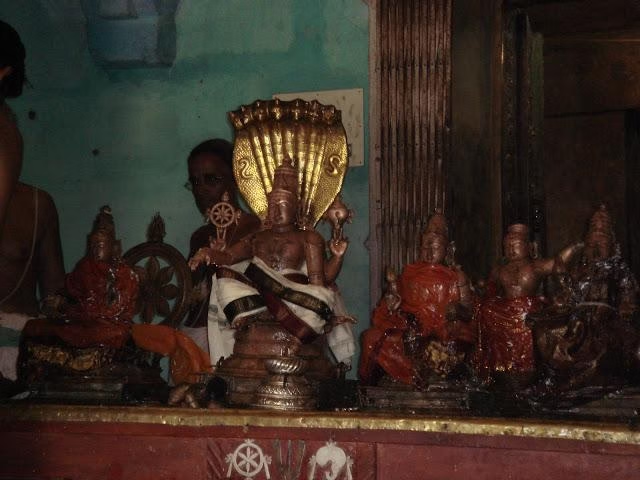
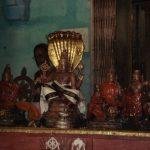
The primary deity of this temple is Vaikunta Nathan Perumal (also known as Vaikunda Vasan), who stands as the personification of Paramapada (Vaikuntha itself). He is enshrined here alongside his consort, Vaikundavalli Thayar.
The presiding deity is a Swayambhu (self-manifested) idol, believed to be on par with the celestial Vaikuntam. The temple is glorified in the Divya Prabandha, the canonical compilation by the Alvar saints (6th–9th centuries CE).
Phalaśruti (Spiritual Benefits):
- Direct Darshan: It is believed that devotees can have the direct vision of the Lord here on Earth before attaining salvation after life.
- Family Unity: Perumal grants blessings for harmony and unity within families.
- Child Blessings: Married couples who perform a special Pooja on the star Magam continuously for 6 months are traditionally blessed with progeny.
- Removal of Ancestral Karma: Performing Thirumanjanam (Abhishekam) here is believed to cleanse ancestral debts and bring peace to the departed souls.
2. Historical Origins & Scriptural Legend
The Legend of Shiva and Vishnu:
According to the Stala Purana, Lord Shiva began performing the Rudra Tandava (dance of destruction) in fury following the Daksha Yagna incident where his consort Sati sacrificed herself. The intensity of his dance threatened the cosmos. To appease him and restore balance, Lord Vishnu manifested here in eleven distinct forms. This temple commemorates the form of Vaikunta Nathan.
The Legend of King Swetakethu:
Tradition holds that King Swetakethu of the Ikshvaku dynasty (the lineage of Lord Rama) and his queen Damayanthi performed severe penance to attain Vaikunta. However, upon shedding their mortal coils, they could not find entry. The divine sage Narada revealed their omission of minor rituals and charities. The remedy was to worship Lord Iravadeswarar (Shiva) on the banks of the Cauvery. Upon joining hands with the sage Udhanga Maharishi and Lord Iravadeswarar in penance, Vishnu finally appeared. At the request of Lord Iravadeswarar, the location was named Vaikunda Vinnagaram.
Association with Thirumangai Alvar:
This temple is closely associated with the saint Thirumangai Alvar, one of the twelve Alvars, who composed verses glorifying this Divyadesam.
3. Architectural Marvels
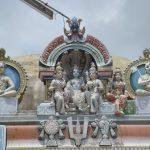
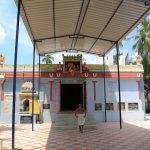
The temple is a masterpiece of Dravidian Architecture. Constructed in the typical style of the early medieval period, it stands as a testament to the region’s rich heritage.
Key Features:
- Sanctum Sanctorum: The inner sanctum is believed to mirror the layout of the celestial Vaikuntam.
- Presiding Deity: Vaikunta Nathan Perumal is enshrined in a standing posture facing East.
- The Temple Tank: Located to the north of the temple, the Pushkarani (temple tank) is significant for rituals.
- Sculptures: The Mandapas (halls) feature intricate carvings depicting scenes from the Puranas, specifically the legends of the Thirunangur Tirupathis.
4. Darshan & Ritual Logistics
The temple follows a strict schedule of rituals known as Archanai Kramam. The priests, belonging to the Vaishnavaite Brahmin sub-caste, perform daily Poojas with three distinct steps: Alangaram (decoration), Neivethanam (food offering), and Deepa Aradanai (waving of lamps).
Daily Darshan Timings
The temple is open from 8:00 AM to 10:00 AM and 5:00 PM to 7:00 PM.
| Ritual Name | Timing | Description |
|---|---|---|
| Ushathkalam Pooja | 8:00 AM | Morning ritual with deepa aradanai. |
| Kalasanthi Pooja | 10:00 AM | Noon ritual and food offering. |
| Sayarakshai Pooja | 5:00 PM | Evening ritual opening for darshan. |
| Ardha Jamam Pooja | 7:00 PM | Night ritual closing the sanctum. |
Key Sevas and Online Booking
Devotees can perform specific Sevas to receive blessings:
- Thirumanjanam (Abhishekam): Performed for family unity and removal of obstacles.
- Archana: Recitation of sacred hymns with Tulsi garlands and Vastras (clothes).
- Special Pooja for Child Blessings: To be performed continuously for 6 months on the Magam star.
Online Booking 2026: While the temple office manages most on-site bookings, devotees are advised to check the official Tamil Nadu HR&CE website or the bharattemples.com portal for the latest digital booking links for Vaikunda Ekadasi and Garudasevai events.
2026 Festival Dates & Schedule
Major festivals are celebrated with grandeur, drawing thousands of pilgrims.
- Vaikunda Ekadasi: December 2025 – January 2026 (Exact date based on Hindu Almanac). This is the most significant festival, celebrating the opening of the celestial gates.
- Garudasevai: Celebrated during the Tamil month of Thai (January–February). The festival images of all eleven Thirunangur Tirupathis are brought to Thirunangur on mounts designed like Garuda.
- Thirumangai Alvar Mangalasasana Utsavam: Held in the Tamil month of Thai. The Paasurams (verses) dedicated to each of the eleven temples are chanted.
- Vaikasi Brahmotsavam: Celebrated in May/June.
5. Practical Visitor Guidance
Ensuring a smooth pilgrimage experience requires preparation.
- Dress Code: Traditional attire is mandatory. Men should wear Dhotis or trousers with shirts; women should wear Sarees, Salwar Kameez, or long skirts/blouses. Avoid shorts and sleeveless tops.
- Photography & Mobiles: Photography is generally restricted inside the sanctum. Mobile phones should be switched to silent mode. Lockers are available near the entrance for storing footwear and bags.
- Accessibility: The temple has steps leading to the sanctum. It may be challenging for those with limited mobility. Wheelchair access is limited to the outer Mandapas.
- Crowd Management:
- Best Hours: Early morning (8:00 AM – 9:00 AM) or late evening (5:30 PM – 6:30 PM) are ideal for peaceful darshan.
- Seasonal Advice: Carry sufficient water and an umbrella during the summer months (April–June). The region experiences high humidity.
6. Pilgrimage Connectivity
The temple is located in Thirunangur, a village on the outskirts of Sirkazhi in the Nagapattinam district.
How to Reach
- By Road: Thirunangur is situated on the Sirkazhi–Nagapattinam highway (NH 217A (formerly SH 57)). It is approximately 8 km from Sirkazhi and 20 km from Mayavaram (Mayiladuthurai). Devotees can take buses heading towards Thirunangur from Sirkazhi or Mayavaram. The nearest major bus stop is Annan Koil, from where the temple is 1 km away (Auto-rickshaws are available).
- By Train: The nearest railway junction is Sirkazhi (approx. 8 km). Major trains from Chennai, Tiruchirappalli, and Mayiladuthurai halt here. Alternatively, Mayiladuthurai Junction (20 km) is another major railhead.
- By Air: The nearest domestic airport is Tiruchirappalli International Airport (Trichy), located approximately 135 km away. The nearest international airport is Chennai International Airport, roughly 230 km away.
Nearby Sacred Sites (Pilgrimage Circuit)
Thirunangur is a cluster of holy sites. When visiting Vaikunta Nathan Perumal Temple, extend your journey to these nearby Divyadesams:
- Thiru Sempon Sei Kovil (Perarulalan Perumal Temple): Located just 1 km away, dedicated to Lord Vishnu in a reclining posture.
- Arimeya Vinnagaram (Kudamaadu Koothan Temple): Another of the 11 Tirupathis in Thirunangur, known for its unique legends.
- Thiruvali Thirunagari: The abode of Amrudhavalli Vedharajan, located in the same village cluster.
7. Frequently Asked Questions (FAQ)
1. Is there a VIP darshan entry available?
While there is no formal VIP entry like in Tirupati, devotees can avail special darshan by pre-booking specific Sevas like the Thirumanjanam or by contacting the temple executive officer at the office upon arrival. During festivals, priority is given to those who have registered for specific rituals.
2. What is the significance of the temple tank (Theertham)?
The temple tank, located north of the temple, is considered highly sacred. It is believed to represent the Viraja River, which marks the boundary of the celestial Paramapada. A holy dip here is said to purify the mind and body before entering the sanctum.
3. Can we perform last rites or Shraddha here?
This is a Vishnu temple primarily focused on Moksha (liberation). While not a traditional site for Shraddha rituals (usually performed at Shiva temples or riverbanks), praying here for departed ancestors is believed to help cleanse Pitru Dosha (ancestral karma).
4. Are there accommodation facilities in Thirunangur?
Thirunangur is a small village. Basic lodges are available, but for better amenities, pilgrims usually stay in Sirkazhi (8 km) or Mayiladuthurai (20 km), where numerous hotels and Choultry facilities are available.
5. What is the best time to visit Thiruvaikunda Vinnagaram?
The ideal time is during the Thai month (January–February) to witness the Garudasevai festival, where all eleven deities of Thirunangur congregate. Alternatively, Vaikunda Ekadasi (Dec/Jan) is a peak pilgrimage season.
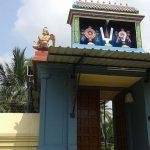
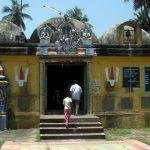
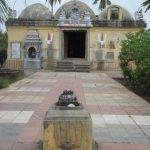
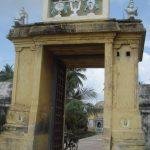
Photo Gallery



Contact Details
Sri Vaikundanathar Temple
Vaikunda Vinnagaram,
Thirunangur – 609 106
Nagapattinam District, Tamil Nadu
Phone: +91-4364-275478
Recent Posts

Shri Kaamkoteeshwar Mandir, Varanasi – History & Significance
In the heart of Kashi, the eternal city of Lord Shiva, where the Ganges flows with celestial grace, stands the Shri Kaamkoteeshwar Mandir. This sacred Sannidhi is not merely a temple but a profound spiritual bridge between the Northern…

ओ सांवरे तूने ही मुझको संभाला – Lyrics & Meaning
ओ सांवरे तूने ही मुझको संभाला – A Prayer to Shyam Origin & Spiritual Essence Why This Bhajan Resonates Devotees chant this when overwhelmed by life’s storms—the refrain ‘तूने ही मुझको संभाला’ is the soul’s sigh of relief: “You…

कथा ये है महाराज मेरे की – Lyrics & Meaning
कथा ये है महाराज मेरे की छत्रपति संभाजी महाराज – A Prayer to Chhatrapati Sambhaji Maharaj Origin & Spiritual Essence Why This Bhajan Resonates Devotees chant this when their spirit feels tested—its powerful refrain “महाराज मेरे” is a soul’s…

Rigveda Samhita Yathartha Anuvada (ऋग्वेद संहिता यथार्थ अनुवाद) – Complete Set with Anvayartha & Hindi/English Translation
The Rigveda is the oldest surviving scripture of humanity and the foundational text of Sanātana Dharma. For serious students, scholars, UPSC aspirants studying ancient Indian history, Sanskrit learners, and spiritual seekers, a precise and grammatically structured translation is indispensable.…

आना भी अकेला है जाना भी अकेला है – Lyrics & Meaning | BharatTemples
आना भी अकेला है जाना भी अकेला है – A Prayer to the Divine Witness Origin & Spiritual Essence Why This Bhajan Resonates Devotees turn to this bhajan in moments of deep reflection—when life’s attachments begin to ache. The…

माता शेरावाली के द्वार जो भी जाता है – Lyrics & Meaning
माता शेरावाली के द्वार जो भी जाता है – A Prayer to Maa Sherawali Origin & Spiritual Essence Why This Bhajan Resonates Devotees turn to this bhajan in times of fear or uncertainty—its promise that no one leaves Maa’s…

मार लेना सपणी उबार लेणा भवरा – Lyrics & Meaning
मार लेना सपणी उबार लेणा भवरा – A Prayer to the Divine Beloved Origin & Spiritual Essence Why This Bhajan Resonates Devotees chant this in moments of deep vulnerability—its cry of “मार लेना सपणी, उबार लेणा भवरा” is the…

हमें श्याम सुंदर भरोसा तुम्हारा – Lyrics & Meaning
हमें श्याम सुंदर भरोसा तुम्हारा – A Prayer to Shyam Sundar Origin & Spiritual Essence Why This Bhajan Resonates Devotees chant this when feeling alone—its refrain ‘de do sahara’ is the soul’s cry for divine support. Lyrics in Hindi…

Mere Satguru Ne Di Thi Davai Lyrics in Hindi & Meaning
Mere Satguru Ne Di Thi Davai: Invoking the Guru’s Liberating Wisdom This soul-stirring bhajan venerates the Satguru (True Spiritual Master) as the divine physician who dispenses the only remedy for life’s deepest sufferings. Composed by Sant Karmaveer Tufani, it…

Janm Diyo Thari Maa Dukh Dekhiyo Lyrics in Hindi & Meaning
जन्म दियो थारी माँ दुख देखियो (Maa’s Grief Upon Birthing You) This soul-stirring Chetavani Bhajan (admonitory hymn) is addressed to the Divine Mother (Maa) – a call for repentance when children forget their filial duties in the dark age…