
Contents
- 1 Thuyartheertha Nathar Temple, Omampuliyur: A Definitive Pilgrimage Guide
Thuyartheertha Nathar Temple, Omampuliyur: A Definitive Pilgrimage Guide

1. Introduction & Spiritual Essence
Thuyartheertha Nathar Temple, located in the serene village of Omampuliyur in Cuddalore District, stands as a monumental abode of Lord Shiva. Known historically as Umapuliyur or Pranava Puram, this shrine is deeply rooted in the Agama traditions of South India. The presiding deity, Thuyartheertha Nathar (also revered as Pranava Vyagrapureeswarar), is a Swayambhu (self-manifested) Lingam facing East. His consort is Pushpa Lalithambigai (Poonkodinayaki).
Phalaśruti (Spiritual Benefits):
Devotees flock to this Paadal Petra Sthalam (275 most revered Shiva shrines) for specific blessings. It is traditionally believed that worshipping here:
- Cleanses Ancestral Karma: The Gowri Theertham in the temple complex is known to wash away sins, particularly those affecting lineage.
- Removes Doshas: Those born under the Revathi star (Nakshatra) and with Dhanur (Sagittarius) as their Rashi will find specific planetary alignments here conducive to prosperity.
- Educational & Spiritual Progress: As a shrine dedicated to Dakshinamurthy (the silent teacher), it is highly significant for students and seekers of wisdom.
2. Historical Origins & Scriptural Legend
This temple is the 85th in the series of 275 Paadal Petra Sthalams glorified by the Nayanmars (Tamil Saivite saints). Specifically, hymns were composed here by Thirugnanasambandar and Thirunavukkarasar in the 6th–7th centuries CE.
Local Legend (Sthala Purana)
The name Omampuliyur holds profound meaning. It is derived from the Sanskrit root “Om,” “Aam” (representing the creative aspect), and “Puliyur” (Tiger). According to tradition holds:
- The Hunter and the Tiger: A legendary hunter, fleeing a tiger, climbed a Vilva tree. To stay awake, he plucked leaves and threw them down, unknowingly showering a Lingam beneath. This continuous worship pleased Lord Shiva, granting the hunter Moksha (liberation).
- The Pranava Mantra: Sage Vyagrapada (Tiger-footed sage) performed intense penance here to witness the cosmic dance in Chidambaram. Lord Shiva granted his wish, hence the name Pranava Vyagrapureeswarar.
- The Goddess’s Distraction: It is said Lord Shiva taught the Pranava Mantra (Om) to Goddess Parvathi here. When she was distracted, she was cursed to be born on earth. After severe penance, Shiva appeared as Dakshinamurthy and completed the teachings.
3. Architectural Marvels
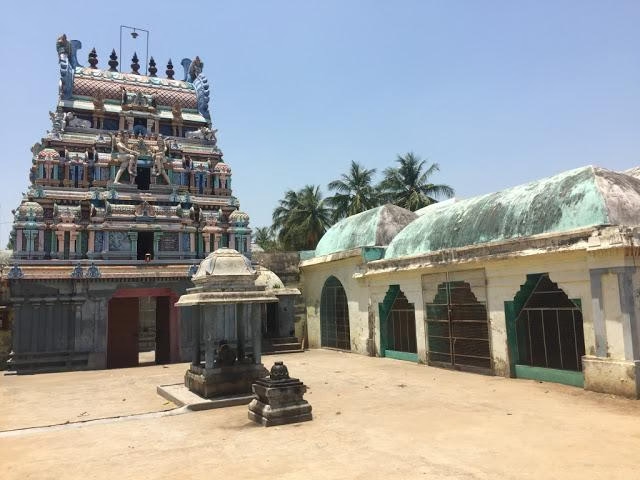
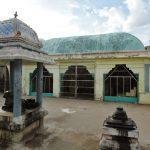
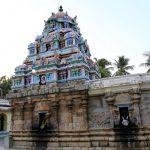
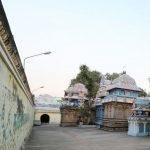
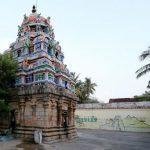
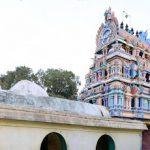
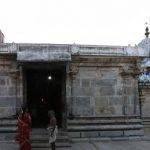
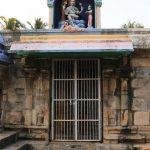
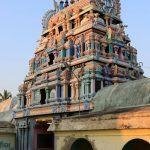
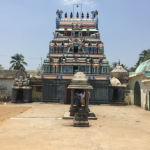
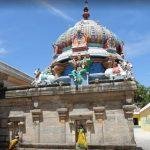
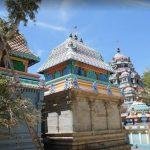
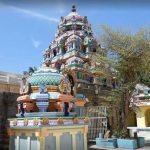
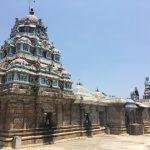
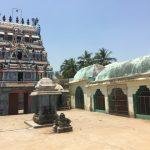
The temple showcases the classic Dravidian style of architecture, conforming to Vastu Shastra principles. The structure is a testament to the Chola craftsmanship, though subsequent Vijayanagara and Nayak additions are visible.
Key Architectural Features:
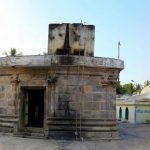
- The Vimanam: The sanctum sanctorum (Garbhagriha) features a Reju type Vimanam, intricately carved.
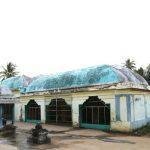
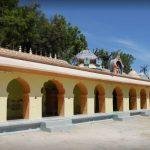
- Mandapas: The temple boasts a spacious Moolavar mandapa and a Ardha mandapa. The pillars in the front mandapa are adorned with sculptures depicting narratives from the Periya Puranam.
- The Holy Tank: The Gowri Theertham is located within the temple premises, utilized for rituals and purification baths.
- Shrines: Apart from the main deity, the Dakshinamurthy shrine here is particularly powerful. There are also sub-shrines for Ganesha, Muruga, and Navagrahas.
Note: While specific ASI protection status is pending documentation, the temple is maintained by the local Hindu Religious and Charitable Endowments (HR&CE) board and local trusts, preserving its ancient sanctity.
4. Darshan & Ritual Logistics
Daily Timings
The temple follows a strict schedule with four daily worship services (Poojas). Below is the standard timing roster.
| Pooja / Darshan Type | Morning Timings | Evening Timings |
|---|---|---|
| Temple Opening | 06:00 AM | 04:00 PM |
| Ushakalam (Early Morning) | 06:00 AM – 07:00 AM | — |
| Kalasandhi (Mid-Morning) | 08:00 AM – 09:00 AM | — |
| Sayarakshai (Evening) | — | 06:00 PM – 07:00 PM |
| Arthajamam (Closing) | 12:00 PM | 08:00 PM |
Sevas & Offerings (2026 Guide)
While specific online booking links are managed by the local administration, devotees can typically book the following Sevas via the HR&CE portal or directly at the temple counter:
- Abhishekam: Performed with Panchamritam and coconut water. Best time: Tuesday/Friday.
- Archana: Personalized prayers (e.g., Pranava Mantra Japam).
- Kalyana Utsavam: Celestial marriage of the deity (usually performed on request).
2026 Festival Calendar
- January 14, 2026: Thai Poosam (Major Festival – Special Abhishekam).
- February 23, 2026: Maasi Magam (Conjunction of Magam Star with Full Moon – Theerthavari).
- March 9, 2026: Mahashivaratri (Night-long vigil and special Poojas).
- October 12, 2026: Navaratri begins (9 nights of Devi worship).
- Annual Brahmotsavam: Usually held in the Tamil month of Aadi (July–August 2026 – Dates to be confirmed by temple notice).
5. Practical Visitor Guidance
Omampuliyur is a rural village setting; preparation ensures a comfortable visit.
- Dress Code: Traditional attire is mandatory. Men: Dhoti or pants with a shirt; Women: Saree, Salwar Kameez, or Pavadai. Avoid shorts and modern western wear.
- Photography & Electronics: Mobile phones are generally allowed inside the temple but may be prohibited in the inner sanctum. Photography of the sanctum is strictly forbidden. There are no electronic lockers; visitors are advised to carry minimal valuables.
- Crowd Management:
- Best Hours: The 6:00 AM – 8:00 AM slot is the least crowded and spiritually potent.
- Seasonal Advice: In May (Summer), the heat in the open courtyards is intense; carry a water bottle and an umbrella. The post-monsoon period (November–January) offers the most pleasant weather.
- Accessibility: The temple has step-free access to the outer prakaram (corridor), but the inner sanctum requires climbing narrow steps. Wheelchair access is limited to the outer areas.
6. Pilgrimage Connectivity
Omampuliyur is situated on the northern bank of the Kollidam River (Uttara Cauvery), making it a scenic route for pilgrims.
How to Reach
- By Road: The temple is accessible via the Kattumannarkoil–Anakarai road. It is approximately 8 km from Kattumannarkoil. Buses from Chidambaram and Kattumannarkoil halt at Omampuliyur.
- By Train: The nearest major railway junction is Chidambaram (approx. 34 km). From there, taxis and buses are available.
- By Air:
- Nearest Airport: Puducherry (PNY) – ~96 km.
- Next Best Option: Trichy (TRZ) – ~153 km.
Nearby Sacred Sites (Circuit Recommendation)
Extend your pilgrimage to these nearby Paadal Petra Sthalams:
- Kattumannarkoil (7 km): Home to the famous Matsya Avatharam temple (Matsyagandeeswarar).
- Chidambaram (34 km): The Nataraja temple, the Akasham and Prithvi Lingams, and another shrine associated with Vyagrapada.
- Gangai Konda Cholapuram (22 km): A UNESCO World Heritage site featuring the grand Brihadeeswarar temple.
Frequently Asked Questions (FAQ)
1. Is there a VIP or Special Darshan entry available?
Yes, the temple trust offers a “Quick Darshan” pass for the elderly and those with medical conditions. This can be obtained at the administrative counter upon presenting valid ID proof.
2. Can we perform last rites or Shraddha ceremonies here?
While primarily a Shiva temple, the Gowri Theertham is auspicious for rituals. However, for specific Shraddha ceremonies, it is advisable to consult the temple Gurukkal (priest) in advance.
3. What is the significance of the Dakshinamurthy shrine in this temple?
Unlike many temples, the Dakshinamurthy shrine here faces South but is specially aligned to receive the rays of the sun. It is believed that students praying here gain better concentration and memory.
4. Are there accommodation facilities in Omampuliyur?
As a small village, there are no hotels within Omampuliyur. Devotees typically stay in Chidambaram (30+ options ranging from budget to deluxe) or Kattumannarkoil and visit for the day.
5. How is the temple maintained?
The temple is under the administrative control of the HR&CE Department, Government of Tamil Nadu, with support from local hereditary priests and devotees’ trusts.
Photo Gallery




Contact Details
Thuyartheertha Nathar Temple
Omampuliyur Post, Ayankudi S.O.
Kattumannarkudi Taluk,
Cuddalore District – 608306
Phone: +91 4144 264 845
Recent Posts

Shri Kaamkoteeshwar Mandir, Varanasi – History & Significance
In the heart of Kashi, the eternal city of Lord Shiva, where the Ganges flows with celestial grace, stands the Shri Kaamkoteeshwar Mandir. This sacred Sannidhi is not merely a temple but a profound spiritual bridge between the Northern…

ओ सांवरे तूने ही मुझको संभाला – Lyrics & Meaning
ओ सांवरे तूने ही मुझको संभाला – A Prayer to Shyam Origin & Spiritual Essence Why This Bhajan Resonates Devotees chant this when overwhelmed by life’s storms—the refrain ‘तूने ही मुझको संभाला’ is the soul’s sigh of relief: “You…

कथा ये है महाराज मेरे की – Lyrics & Meaning
कथा ये है महाराज मेरे की छत्रपति संभाजी महाराज – A Prayer to Chhatrapati Sambhaji Maharaj Origin & Spiritual Essence Why This Bhajan Resonates Devotees chant this when their spirit feels tested—its powerful refrain “महाराज मेरे” is a soul’s…

Rigveda Samhita Yathartha Anuvada (ऋग्वेद संहिता यथार्थ अनुवाद) – Complete Set with Anvayartha & Hindi/English Translation
The Rigveda is the oldest surviving scripture of humanity and the foundational text of Sanātana Dharma. For serious students, scholars, UPSC aspirants studying ancient Indian history, Sanskrit learners, and spiritual seekers, a precise and grammatically structured translation is indispensable.…

आना भी अकेला है जाना भी अकेला है – Lyrics & Meaning | BharatTemples
आना भी अकेला है जाना भी अकेला है – A Prayer to the Divine Witness Origin & Spiritual Essence Why This Bhajan Resonates Devotees turn to this bhajan in moments of deep reflection—when life’s attachments begin to ache. The…

माता शेरावाली के द्वार जो भी जाता है – Lyrics & Meaning
माता शेरावाली के द्वार जो भी जाता है – A Prayer to Maa Sherawali Origin & Spiritual Essence Why This Bhajan Resonates Devotees turn to this bhajan in times of fear or uncertainty—its promise that no one leaves Maa’s…

मार लेना सपणी उबार लेणा भवरा – Lyrics & Meaning
मार लेना सपणी उबार लेणा भवरा – A Prayer to the Divine Beloved Origin & Spiritual Essence Why This Bhajan Resonates Devotees chant this in moments of deep vulnerability—its cry of “मार लेना सपणी, उबार लेणा भवरा” is the…

हमें श्याम सुंदर भरोसा तुम्हारा – Lyrics & Meaning
हमें श्याम सुंदर भरोसा तुम्हारा – A Prayer to Shyam Sundar Origin & Spiritual Essence Why This Bhajan Resonates Devotees chant this when feeling alone—its refrain ‘de do sahara’ is the soul’s cry for divine support. Lyrics in Hindi…

Mere Satguru Ne Di Thi Davai Lyrics in Hindi & Meaning
Mere Satguru Ne Di Thi Davai: Invoking the Guru’s Liberating Wisdom This soul-stirring bhajan venerates the Satguru (True Spiritual Master) as the divine physician who dispenses the only remedy for life’s deepest sufferings. Composed by Sant Karmaveer Tufani, it…

Janm Diyo Thari Maa Dukh Dekhiyo Lyrics in Hindi & Meaning
जन्म दियो थारी माँ दुख देखियो (Maa’s Grief Upon Birthing You) This soul-stirring Chetavani Bhajan (admonitory hymn) is addressed to the Divine Mother (Maa) – a call for repentance when children forget their filial duties in the dark age…