
Contents
- 1 Uttara Swami Malai Temple: A Definitive Pilgrimage Guide to Delhi’s Mountain Sanctuary
Uttara Swami Malai Temple: A Definitive Pilgrimage Guide to Delhi’s Mountain Sanctuary
Yaamirukka Bayamain — “Why fear when I am there?”
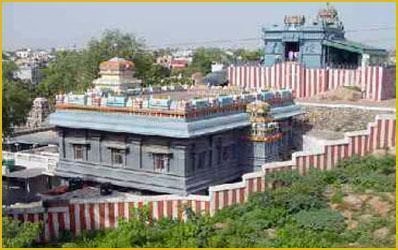
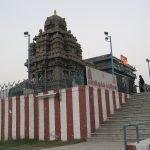
In the heart of South West Delhi, rising above the urban sprawl of Sector 7, RK Puram, stands a majestic granite monolith that serves as a spiritual beacon for devotees of the Divine Mother. Known affectionately to the masses as the Malai Mandir, the Uttara Swami Malai Temple is more than a place of worship; it is a living embodiment of Dravidian architectural grandeur transplanted into the capital of India.
1. Introduction & Spiritual Essence
The Presiding Deity
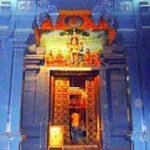
The primary deity of the sanctum sanctorum is Sree Swaminatha Swami, a form of Lord Murugan (Kartikeya), revered as the Commander-in-Chief of the Divine Army. While the temple complex houses multiple shrines, the central focus remains the Swayambhu-style idol of Swaminatha Swami, believed to be self-manifested and radiating immense spiritual energy.
The complex is a harmonious ecosystem of deities representing the extended family of Lord Shiva:
- Sree Karpaga Vinayakar (Ganesha, the remover of obstacles)
- Sree Sundareswarar (Lord Shiva as the handsome father)
- Devi Meenakshi (The Mother Goddess, Parvati in her form as the fish-eyed one)
- Navagraha Sannidhi (Shrine for the nine celestial planets)
- Sree Idumban Sannidhi (The loyal devotee and warrior)
Phalaśruti: Why Devotees Visit
Devotees flock to the Malai Mandir seeking specific spiritual boons and energetic cleansing:
- Ancestral Liberation: Performing rites here, particularly in the Navagraha shrine, is believed to mitigate the adverse effects of past karmas and ancestral afflictions.
- Removal of Fear & Obstacles: As the name implies, the energy of Swaminatha Swami dispels fear (Bhaya) and grants courage to face life’s challenges.
- Protection from Negativity: The presence of Idumban and the Peacock (Lord Murugan’s Vahana) creates a protective shield against negative influences.
- Family Harmony: As the abode of Shiva, Parvati, and their children, the temple is a powerful site for resolving family discord and fostering unity.
2. Historical Origins & Scriptural Legend
Construction and Timeline
Unlike ancient temples, the Malai Mandir is a testament to modern dedication and architectural fidelity to ancient styles.
- Foundation: The main temple complex was built by the Tamil community of Delhi under the auspices of the Delhi Tamil Sangam.
- Consecration Dates:
- 1973 (June 7): Maha Kumbhabhishekam of the main Presiding Deity (Sree Swaminatha Swami).
- 1990 (June 13): Consecration of Sree Karpaga Vinayakar, Sree Sundareswarar, and Devi Meenakshi temples.
- 1995 (July 7): Consecration of the Navagraha Sannidhi and Idumban Shrine.
- 2001 (June 27): The Third Punarudharana (Renovation) and Ashtabhandhana Mahakumbhabhishekam.
Scriptural and Oral Traditions
While the temple is structurally modern, its design follows the strict guidelines of the Agama Shastras and Shilpa Shastras governing temple architecture. Tradition holds that the location atop the small hillock in Sector 7 was chosen specifically to mirror the ancient practice of locating Murugan temples on elevated grounds (Malai), echoing the famous Palani and Swamimalai shrines of South India.
The year 2007 marked a historic spiritual milestone with the Eka Koti Archana, where twelve learned Sivacharyas chanted the sacred Namavalis of Lord Swaminatha Swami in unison for 120 days, culminating in one crore recitals for the benefit of humanity.
3. Architectural Marvels
Dravidian Style & Granite Construction
The Uttara Swami Malai Temple is a masterpiece of South Indian (Dravida) architecture. The entire structure is built using massive blocks of grey granite, quarried and transported to Delhi. The main temple, housing Swaminatha Swami, exhibits the characteristic Chola style influence, characterized by imposing walls and towering gateways.
The Shikhara and Vastu
The temple follows Vastu Shastra principles, oriented towards the East. The Shikhara (tower) above the sanctum is a visual marvel, adorned with intricate carvings of deities, celestial nymphs (Apsaras), and mythological scenes. The subsidiary temples dedicated to Sundareswarar and Meenakshi draw inspiration from the Pandya style architecture, reminiscent of the historic Meenakshi Amman Temple in Madurai.
Unique Features
- The Silpa Kala Mandapam: An auditorium dedicated to cultural performances and traditional arts.
- The Peacock Sanctuary: In a rare and living tradition, the temple grounds host a resident peacock. In Hinduism, the peacock is the Vahana (mount) of Lord Murugan. Its presence within the temple compound is not merely decorative but considered a divine blessing.
- Adi Sankara Hall: A spacious hall inaugurated in 1997 for spiritual discourses and community gatherings.
4. Darshan & Ritual Logistics
Daily Timings
The temple is open year-round, including weekends and public holidays. (Note: Timings are subject to seasonal variations and special festival schedules).
| Session | Time | Details |
|---|---|---|
| Morning Darshan | 06:00 AM – 12:00 PM | Opens with Thiruvananthalam (Morning Abhishekam). Best time for early morning peace. |
| Afternoon Break | 12:00 PM – 04:00 PM | Deities rest; temple remains closed. |
| Evening Darshan | 04:00 PM – 09:00 PM | Reopens for evening Aarti and devotional singing. |
Key Sevas & Online Booking
The temple administration facilitates various Sevas (rituals) to connect devotees with the divine.
- Abhishekam: Ritual bathing of the deity with water, milk, honey, and sandalwood paste. Performed during morning hours.
- Archana: Chanting of the deity’s names (108 names) with offerings of flowers and sacred ash (Vibhuti).
- Navagraha Archana: Highly recommended for planetary alignment corrections.
- Kumara Swamy Deepa Aradhana: Lighting of the lamp for Lord Murugan.
Booking Process: Devotees can book these services online through the official temple website (visit the ‘Seva’ section) or contact the temple office directly. For the 2026 Calendar Year, special attention should be paid to:
- Thaipusam (January 2026): A major festival celebrating the day Parvati gave the Vel (divine spear) to Murugan. Expect special Abhishekam and procession.
- Skanda Shashti (May/June 2026): Celebrates the victory of Lord Murugan over the demon Surapadma. Likely to feature a grand procession.
- Aadi Perukku (July 2026): Special prayers dedicated to the River Goddess.
5. Practical Visitor Guidance
Visitor Etiquette & Code
- Dress Code: Traditional Indian attire is mandatory. Men should wear Dhotis or formal trousers with shirts; women should wear Sarees, Salwar Kameez, or traditional skirts. Western attire (shorts, jeans, t-shirts) is strictly prohibited.
- Photography: Photography is strictly prohibited inside the Sanctum Sanctorum and shrine areas. However, photography is usually permitted in the outer corridors and courtyard (subject to current rules displayed at the entrance).
- Electronic Devices: Mobile phones are allowed but must be kept on silent mode. Lockers are available for storage if required.
- Footwear: There is a designated shoe-holding facility (usually token-based) at the entrance. There is a nominal fee for this service.
Crowd Management & Seasonal Advice
- Best Hours: Weekday mornings (Tuesday, Thursday, and Saturday) are ideal for a peaceful Darshan. Sundays and Festival days witness high footfall.
- Summer (April–June): Delhi temperatures soar above 40°C. While the temple granite remains cool, the walk up the hill can be strenuous. Carry a water bottle and headgear.
- Monsoon & Winter: The open-air corridors offer a beautiful breeze. Evenings in November to February are particularly pleasant for the Navagraha Pooja.
6. Pilgrimage Connectivity
How to Reach
The temple is centrally located in South West Delhi, making it accessible via multiple modes of transport.
- By Metro (Easiest Option):
- The nearest station is Vasant Vihar Metro Station (Magenta Line). From the station, the temple is approximately 2 km away.
- RK Puram Metro Station (Golden Line) is also within walking distance for many.
- By Car/Taxi:
- Located on Palam Marg, Sector 7, RK Puram.
- NH-48 (Delhi–Jaipur Highway) connects to the area. If approaching from the airport (T3), take the NH-48 flyover towards Vasant Vihar/Dhaula Kuan.
- By Bus:
- Several DTC (Delhi Transport Corporation) buses halt at R.K. Puram Bus Terminal (Sector 7), just a short walk from the temple entrance.
Nearby Sacred Sites (Pilgrimage Circuit)
Extend your spiritual journey by visiting these nearby landmarks:
- 1. Bangla Sahib Gurudwara: Located approximately 7 km away, this iconic Sikh shrine offers a profound experience of service (Seva) and architectural beauty.
- 2. Hanuman Temple (Connaught Place): One of the oldest and most famous Hanuman temples in Delhi, situated about 8 km away.
- 3. Sri Aurobindo Ashram: Located in the nearby Hauz Khas area (approx 9 km), offering a serene environment for meditation and spiritual study.
7. Frequently Asked Questions (FAQs)
Q1: Is there a VIP darshan entry available at Malai Mandir?
A: Unlike some southern temples, the Uttara Swami Malai Temple generally emphasizes egalitarian darshan. However, for elderly devotees or those with specific medical conditions, the temple administration often facilitates a separate queue or wheelchairs upon request at the entrance office.
Q2: Can I perform my own rituals or bring home-prasad?
A: Only authorized temple priests (Archakas) are permitted to perform rituals inside the sanctum. You can carry fruits and flowers for offering, but they must be handed over to the priest at the designated counter. Commercial items like plastic-wrapped sweets are discouraged.
Q3: Is the temple wheelchair accessible?
A: Yes. While the temple is atop a small hillock, there are ramps and elevators available (check specific availability for the main sanctum at the time of visit). The management is very cooperative in assisting differently-abled devotees.
A: The Navagraha Sannidhi is unique because it houses all nine planetary deities in a single row. Worshipping here is believed to rectify astrological imbalances (Graha Dosha) and bring harmony to one’s life trajectory.
Q5: Are there accommodation facilities nearby?
A: The temple has its own guest house (Malai Mandir Guest House) for out-of-town devotees, though bookings must be made well in advance. Additionally, RK Puram and Vasant Vihar offer numerous hotels and PG accommodations for short stays.
About the Author: This guide is curated by the Lead Heritage Architect and SEO Strategist for BharatTemples.com, dedicated to preserving the architectural and spiritual heritage of India.
Recent Posts

Shri Kaamkoteeshwar Mandir, Varanasi – History & Significance
In the heart of Kashi, the eternal city of Lord Shiva, where the Ganges flows with celestial grace, stands the Shri Kaamkoteeshwar Mandir. This sacred Sannidhi is not merely a temple but a profound spiritual bridge between the Northern…

ओ सांवरे तूने ही मुझको संभाला – Lyrics & Meaning
ओ सांवरे तूने ही मुझको संभाला – A Prayer to Shyam Origin & Spiritual Essence Why This Bhajan Resonates Devotees chant this when overwhelmed by life’s storms—the refrain ‘तूने ही मुझको संभाला’ is the soul’s sigh of relief: “You…

कथा ये है महाराज मेरे की – Lyrics & Meaning
कथा ये है महाराज मेरे की छत्रपति संभाजी महाराज – A Prayer to Chhatrapati Sambhaji Maharaj Origin & Spiritual Essence Why This Bhajan Resonates Devotees chant this when their spirit feels tested—its powerful refrain “महाराज मेरे” is a soul’s…

Rigveda Samhita Yathartha Anuvada (ऋग्वेद संहिता यथार्थ अनुवाद) – Complete Set with Anvayartha & Hindi/English Translation
The Rigveda is the oldest surviving scripture of humanity and the foundational text of Sanātana Dharma. For serious students, scholars, UPSC aspirants studying ancient Indian history, Sanskrit learners, and spiritual seekers, a precise and grammatically structured translation is indispensable.…

आना भी अकेला है जाना भी अकेला है – Lyrics & Meaning | BharatTemples
आना भी अकेला है जाना भी अकेला है – A Prayer to the Divine Witness Origin & Spiritual Essence Why This Bhajan Resonates Devotees turn to this bhajan in moments of deep reflection—when life’s attachments begin to ache. The…

माता शेरावाली के द्वार जो भी जाता है – Lyrics & Meaning
माता शेरावाली के द्वार जो भी जाता है – A Prayer to Maa Sherawali Origin & Spiritual Essence Why This Bhajan Resonates Devotees turn to this bhajan in times of fear or uncertainty—its promise that no one leaves Maa’s…

मार लेना सपणी उबार लेणा भवरा – Lyrics & Meaning
मार लेना सपणी उबार लेणा भवरा – A Prayer to the Divine Beloved Origin & Spiritual Essence Why This Bhajan Resonates Devotees chant this in moments of deep vulnerability—its cry of “मार लेना सपणी, उबार लेणा भवरा” is the…

हमें श्याम सुंदर भरोसा तुम्हारा – Lyrics & Meaning
हमें श्याम सुंदर भरोसा तुम्हारा – A Prayer to Shyam Sundar Origin & Spiritual Essence Why This Bhajan Resonates Devotees chant this when feeling alone—its refrain ‘de do sahara’ is the soul’s cry for divine support. Lyrics in Hindi…

Mere Satguru Ne Di Thi Davai Lyrics in Hindi & Meaning
Mere Satguru Ne Di Thi Davai: Invoking the Guru’s Liberating Wisdom This soul-stirring bhajan venerates the Satguru (True Spiritual Master) as the divine physician who dispenses the only remedy for life’s deepest sufferings. Composed by Sant Karmaveer Tufani, it…

Janm Diyo Thari Maa Dukh Dekhiyo Lyrics in Hindi & Meaning
जन्म दियो थारी माँ दुख देखियो (Maa’s Grief Upon Birthing You) This soul-stirring Chetavani Bhajan (admonitory hymn) is addressed to the Divine Mother (Maa) – a call for repentance when children forget their filial duties in the dark age…