
Contents
- 1 Introduction & Spiritual Essence
- 2 Historical Origins & Scriptural Legend
- 3 Architectural Marvels
- 4 Darshan & Ritual Logistics
- 5 Practical Visitor Guidance
- 6 Pilgrimage Connectivity
- 7 Photo Gallery
- 8 Frequently Asked Questions (FAQ)
- 8.1 1. Is there a VIP Darshan entry available at Vaaleeswarar Temple?
- 8.2 2. What is the significance of the Bairavar idol here?
- 8.3 3. Are there accommodation facilities available nearby?
- 8.4 4. Can we perform special rituals like Thirukalyanam?
- 8.5 5. What is the historical evidence of Pallava influence?
Introduction & Spiritual Essence
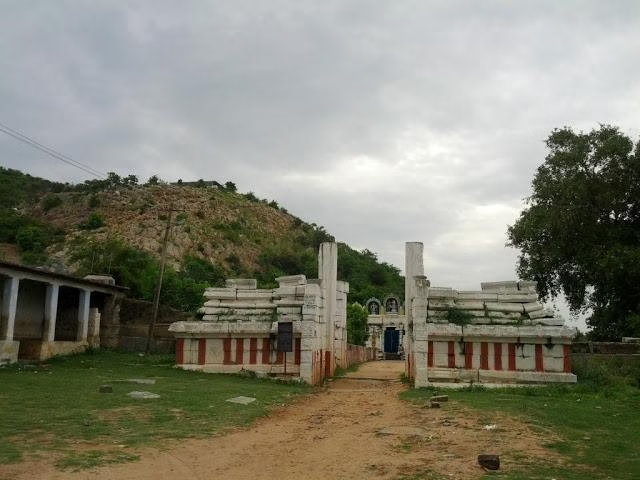
The Vaaleeswarar Temple in Ramagiri is a sacred sanctuary where ancient stone echoes with the devotion of centuries. Dedicated to Lord Shiva in the form of Vaaleeswarar (the One who reigns in the sand dunes) and the consort Maragadambikai (the Emerald Mother), this temple is a beacon for devotees seeking spiritual cleansing and ancestral peace. This Devara Vaippu Sthalam (sung by Sundaramurthy Nayanar) is not merely a structure of rock; it is a living, breathing organism of faith nestled on the border of Andhra Pradesh and Tamil Nadu.
Phalaśruti: The Fruits of Worship
Devotees flock to Vaaleeswarar to alleviate the burdens of ancestral karma. It is specifically revered for granting Santhaana Prapthi (the boon of progeny). The divine energy here is potent, believed to clear the obstacles that cloud one’s path to prosperity and peace. The mother, Maragadambikai, embodies compassion, soothing the distressed souls with her emerald gaze.
Historical Origins & Scriptural Legend
The Pallava Foundation
According to temple records and historical inscriptions, the Vaaleeswarar Temple dates back to the 9th Century CE. It is widely believed to have been constructed by the Pallava kings, whose influence extended deeply into this region before the rise of the Cholas. While the current structural layout suggests significant renovations, the sanctity of the original site remains undiluted.
The Chola Renaissance
Tradition holds that the temple was later renovated by the illustrious King Vira Rajendra Chola. Inscriptions found within the complex detail the contributions of various rulers, including Sangama Kula Virupaksharaya, who attempted to construct the Raja Gopuram (main gateway tower). This layering of dynastic history makes the temple a timeline of South Indian royal patronage.
Sthala Purana & Local Legend
The region was historically known as Kalinga Madu Karai or Thirukaarikarai. Legend suggests that Lord Shiva manifested here to bless the Sage Narada and the celestial beings (Devas). The very name “Vaaleeswarar” is interpreted by local lore as the Lord ruling over the sandy shores (Vaalari) or as a manifestation of the “Vali” (strength) required to overcome evil. The idol of Lord Bairavar here is unique—he is worshipped as Santhaana Prapthi Bhairavar, specifically granting the boon of childbirth.
Architectural Marvels
Style and Vastu
The temple showcases the evolution of Dravidian architecture. While the idols reflect the delicate, sharp features characteristic of the Pallava period (resembling the rock-cut cutures of Mahabalipuram), the current superstructure exhibits elements refined during later Chola and Vijayanagara eras. The temple is oriented according to Vastu Shastra principles, facing East, allowing the first rays of the sun to illuminate the Shiva Lingam.
Sculptural Grandeur
The Mandapa (hall) features intricately carved pillars depicting various forms of Shiva and Vishnu. The Garbhagriha (sanctum sanctorum) houses the main deity, while the Pradakshina (circumambulatory path) allows devotees to walk around the sacred geometry. The mother, Maragadambikai, stands in her own shrine, radiating a serenity that contrasts with the dynamic energy of the Bairavar shrine.
Darshan & Ritual Logistics
Planning your visit ensures a seamless spiritual experience. Below are the standard timings; however, it is advisable to contact the temple office before traveling, especially during festival seasons.
| Session | Timings |
|---|---|
| Morning Darshan | 08:00 AM – 11:45 AM |
| Afternoon Break | 11:45 AM – 03:00 PM |
| Evening Darshan | 03:00 PM – 05:45 PM |
Note: The Murugan Temple located on the hilltop nearby operates on different timings, usually opening until 09:00 PM.
Key Sevas and Online Booking
While traditional bookings are made at the temple counter, the Andhra Pradesh Endowments Department facilitates online booking for major Sevas. In 2026, devotees can book the following rituals:
- Abhishekam: Ritual bathing of the deity (usually performed in the morning).
- Archana: Offering of names and prayers.
- Kalyana Utsavam: Celestial wedding ceremony (requires prior arrangement).
2026 Festival Highlights:
- Maha Shivaratri: March 6, 2026 – The primary festival celebrated with night-long vigils.
- Pradosham: Monthly observances (March 20, April 4, etc.) dedicated to Lord Nataraja.
- Arudra Darshanam: December 2026 (Date TBD based on Tamil calendar) – Celebrating the cosmic dance.
Practical Visitor Guidance
To ensure a respectful atmosphere and personal comfort, please adhere to the following guidelines:
- Dress Code: Traditional attire is mandatory. Men should wear dhotis or trousers with shirts; women should wear sarees, salwar kameez, or traditional skirts. Western casual wear (shorts/tank tops) is strictly prohibited.
- Photography: Photography is permitted in the outer courtyards and mandapas but is strictly forbidden inside the sanctum sanctorum (Garbhagriha).
- Mobile Lockers: Electronic devices are allowed, but maintaining silence is a virtue. There are no automated locker facilities; please keep valuables secure.
- Accessibility: The temple has granite steps leading to the main shrine. For elderly devotees, assistance may be required. The surrounding area is generally flat.
- Crowd Management & Seasonal Advice:
- Best Hours: Visit between 09:00 AM and 11:00 AM to avoid the morning rush. Evening hours before 4:30 PM are peaceful.
- Summer (April–June): Temperatures in Ramagiri can soar. Carry a water bottle, an umbrella, and wear light cotton fabrics.
- Monsoon (October–December): Light rains occur; carry a raincoat.
Pilgrimage Connectivity
How to Reach Vaaleeswarar Temple, Ramagiri
The temple is strategically located on the Chennai–Tirupati route, making it accessible via road and rail.
- By Air: The nearest airport is Chennai International Airport (MAA), approximately 86 km away.
- By Rail: The closest railway station is Nagari Railway Station (approx. 27 km). Alternatively, Tirupati Main (59 km) and Thiruvallur (42 km) are major hubs.
- By Road:
- From Chennai: Take the GNT Road (Grand North Trunk Road/NH16) towards Tirupati. Pass through Red Hills, Periyapalayam, and Uthukottai. After Nagalapuram, the temple is 5 km away on the main road.
- From Tirupati: Travel towards Nagari and proceed to Uthukottai.
Nearby Sacred Sites
Enhance your pilgrimage by visiting these nearby temples:
- Nagalapuram Temple (7 km): Dedicated to Lord Vedanarayana Perumal, famous for the sun’s rays falling directly on the deity.
- Surutapalli Temple (15 km): Unique for housing Lord Pallikondeshwara (Shiva) in a reclining posture.
- Uthukottai (17 km): Home to the famous Bhairava temple and a transit point for devotees traveling between Tamil Nadu and Andhra.
Photo Gallery
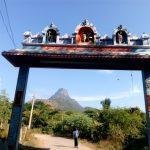
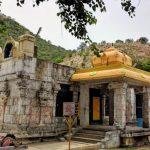
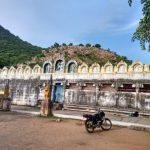
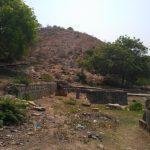
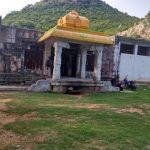
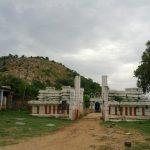
Frequently Asked Questions (FAQ)
1. Is there a VIP Darshan entry available at Vaaleeswarar Temple?
Yes, the temple administration often provides a “Special Darshan” or VIP entry for elderly citizens and physically challenged devotees. For specific VIP arrangements, it is best to consult the Executive Officer at the temple office upon arrival.
2. What is the significance of the Bairavar idol here?
The Bairavar idol in this temple is known as Santhaana Prapthi Bhairavar. He is a powerful deity worshipped specifically for the boon of childbirth and the protection of children. Couples facing delays in conception often perform abhishekam here.
3. Are there accommodation facilities available nearby?
Basic rest houses and choultries are available in the nearby town of Nagalapuram (7 km). For better amenities and hotels, travelers can stay at Tirupati (59 km) or Thiruvallur (42 km). The temple itself has limited space for overnight stays, usually reserved for pilgrim groups.
4. Can we perform special rituals like Thirukalyanam?
Yes, the Thirukalyanam (celestial wedding) of Vaaleeswarar and Maragadambikai can be performed by devotees. This requires prior booking and the assistance of the temple priests. It is recommended to book this at least one week in advance.
5. What is the historical evidence of Pallava influence?
While the structural renovations reflect Chola and Vijayanagara styles, the stone idols and base structures distinctly resemble the 9th-century Pallava style. Inscriptions from the Pallava period found on the temple walls confirm its ancient origins.
Recent Posts

ओ सांवरे तूने ही मुझको संभाला – Lyrics & Meaning
ओ सांवरे तूने ही मुझको संभाला – A Prayer to Shyam Origin & Spiritual Essence Why This Bhajan Resonates Devotees chant this when overwhelmed by life’s storms—the refrain ‘तूने ही मुझको संभाला’ is the soul’s sigh of relief: “You…

कथा ये है महाराज मेरे की – Lyrics & Meaning
कथा ये है महाराज मेरे की छत्रपति संभाजी महाराज – A Prayer to Chhatrapati Sambhaji Maharaj Origin & Spiritual Essence Why This Bhajan Resonates Devotees chant this when their spirit feels tested—its powerful refrain “महाराज मेरे” is a soul’s…

Rigveda Samhita Yathartha Anuvada (ऋग्वेद संहिता यथार्थ अनुवाद) – Complete Set with Anvayartha & Hindi/English Translation
The Rigveda is the oldest surviving scripture of humanity and the foundational text of Sanātana Dharma. For serious students, scholars, UPSC aspirants studying ancient Indian history, Sanskrit learners, and spiritual seekers, a precise and grammatically structured translation is indispensable.…

आना भी अकेला है जाना भी अकेला है – Lyrics & Meaning | BharatTemples
आना भी अकेला है जाना भी अकेला है – A Prayer to the Divine Witness Origin & Spiritual Essence Why This Bhajan Resonates Devotees turn to this bhajan in moments of deep reflection—when life’s attachments begin to ache. The…

माता शेरावाली के द्वार जो भी जाता है – Lyrics & Meaning
माता शेरावाली के द्वार जो भी जाता है – A Prayer to Maa Sherawali Origin & Spiritual Essence Why This Bhajan Resonates Devotees turn to this bhajan in times of fear or uncertainty—its promise that no one leaves Maa’s…

मार लेना सपणी उबार लेणा भवरा – Lyrics & Meaning
मार लेना सपणी उबार लेणा भवरा – A Prayer to the Divine Beloved Origin & Spiritual Essence Why This Bhajan Resonates Devotees chant this in moments of deep vulnerability—its cry of “मार लेना सपणी, उबार लेणा भवरा” is the…

हमें श्याम सुंदर भरोसा तुम्हारा – Lyrics & Meaning
हमें श्याम सुंदर भरोसा तुम्हारा – A Prayer to Shyam Sundar Origin & Spiritual Essence Why This Bhajan Resonates Devotees chant this when feeling alone—its refrain ‘de do sahara’ is the soul’s cry for divine support. Lyrics in Hindi…

Mere Satguru Ne Di Thi Davai Lyrics in Hindi & Meaning
Mere Satguru Ne Di Thi Davai: Invoking the Guru’s Liberating Wisdom This soul-stirring bhajan venerates the Satguru (True Spiritual Master) as the divine physician who dispenses the only remedy for life’s deepest sufferings. Composed by Sant Karmaveer Tufani, it…

Janm Diyo Thari Maa Dukh Dekhiyo Lyrics in Hindi & Meaning
जन्म दियो थारी माँ दुख देखियो (Maa’s Grief Upon Birthing You) This soul-stirring Chetavani Bhajan (admonitory hymn) is addressed to the Divine Mother (Maa) – a call for repentance when children forget their filial duties in the dark age…
Bhadi Sabha Mein Thane Manaun Lyrics in Hindi & Meaning
Bhadi Sabha Mein Thane Manaun: Invoking the Spear-Wielding Mother Mata Bhawani (श्री ज्वाला भवानी), the fiery manifestation of Shakti worshipped as the Protector of Dharma in Her Dhaulagarh sanctum. Origin & Spiritual Essence Composed in Rajasthani folk tradition by…