
Contents
- 1 The Definitive Pilgrimage Guide to Vaikuntha Perumal Temple, Mangadu
- 1.1 1. Introduction & Spiritual Essence
- 1.2 2. Historical Origins & Scriptural Legend
- 1.3 3. Architectural Marvels
- 1.4 4. Darshan & Ritual Logistics (2026 Schedule)
- 1.5 5. Practical Visitor Guidance
- 1.6 6. Pilgrimage Connectivity
- 1.7 7. Frequently Asked Questions (FAQ)
- 1.8 How to Reach Vaikuntha Perumal Temple
- 1.9 Contact Details
The Definitive Pilgrimage Guide to Vaikuntha Perumal Temple, Mangadu
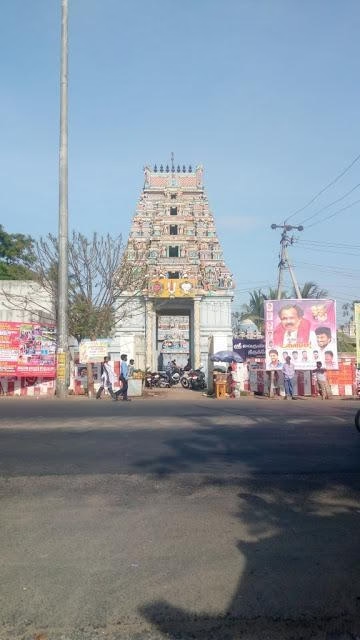
Nestled in the spiritual enclave of Mangadu, just outside the bustling heart of Chennai, stands the Vaikuntha Perumal Temple. As a heritage architect and SEO strategist for BharatTemples.com, I present this guide to illuminate the grandeur of this ancient shrine. This is not merely a structure of stone; it is a gateway to Moksha (liberation), a testament to the Dravidian architectural mastery of the Pallava dynasty, and a vital stop on the sacred pilgrimage circuit of Tamil Nadu.
1. Introduction & Spiritual Essence
The Vaikuntha Perumal Temple is dedicated to Lord Vishnu, the Preserver in the Hindu trinity. Here, the deity is worshipped as Sri Vaikuntha Perumal (the Lord of Vaikuntha, the celestial abode). The temple is renowned as one of the 108 Divya Desams (holy abodes of Vishnu) revered by the Alvars (Vaishnavite saints).
Phalaśruti: The Fruit of Devotion
Why do devotees flock to this ancient sanctuary? According to temple records and oral traditions, a visit to this shrine offers profound spiritual benefits:
- Resolution of Ancestral Karma: It is believed that offering prayers here helps alleviate Pitru Dosha (ancestral curses), bringing peace to departed souls.
- Gateway to Salvation: As the name suggests, entering this temple is spiritually equivalent to entering Vaikuntha itself, promising liberation from the cycle of birth and death.
- Blessings for Childless Couples: Located in Mangadu—famous for the Kamakshi Amman Temple—this Vishnu shrine complements the goddess’s energy, blessing devotees with progeny and marital harmony.
2. Historical Origins & Scriptural Legend
Pallava Origins
The temple dates back to the glorious era of the Pallava Dynasty (approx. 6th–9th century CE). While the exact year of construction is shrouded in antiquity, architectural analysis confirms its roots in the early Dravidian style. The temple has undergone significant renovation in modern times, with major Kumbabhishekams (consecration ceremonies) performed in 1985 and 2001, revitalizing its spiritual energy.
Scriptural Legend
Tradition holds that this temple was built by a Pallava king who sought the blessings of Lord Vishnu to overcome adversity. Legend dictates that a pilgrimage to the Mangadu Kamakshi Amman Temple is considered incomplete without a visit to Vaikuntha Perumal Temple and the nearby Velleeswarar Temple. This triangular pilgrimage represents the balance of energy (Shakti/Shiva) and preservation (Vishnu).
3. Architectural Marvels
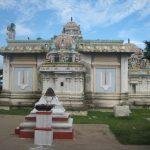
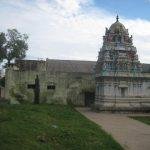
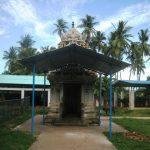
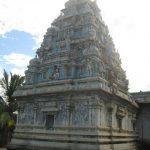
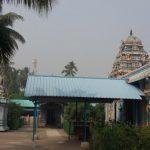
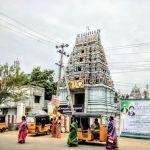
The temple is a classic example of Dravidian Architecture, characterized by its towering Gopurams and intricate sculptural work.
Style and Structure
- Sanctum Sanctorum (Garbhagriha): The presiding deity, Vaikuntha Perumal, stands majestically, flanked by his consort Sridevi (Lakshmi) and Bhudevi (Earth goddess).
- Mandapas: The temple features spacious Mandapas (halls) used for conducting rituals and festivals. The pillars are adorned with carvings depicting scenes from Hindu mythology.
- Prakara (Corridors): The outer precincts facilitate the traditional Pradakshina (circumambulation).
While this temple stands as a heritage monument, it functions actively as a living center of worship, maintaining the strict Agamic principles of temple construction.
4. Darshan & Ritual Logistics (2026 Schedule)
Planning your visit requires an understanding of the daily rituals. Please note that timings may vary slightly during festivals. The current year for this guide is 2026.
Daily Timings
| Session | Timing | Activity |
|---|---|---|
| Morning | 6:00 AM – 12:00 PM | Temple Opens, Abhishekam, Darshan |
| Afternoon | 12:00 PM – 4:00 PM | Temple Closed (Rest period for deity) |
| Evening | 4:00 PM – 8:30 PM | Evening Deeparadhana, Darshan |
Key Sevas and Online Booking
Devotees can perform various Sevas (ritual services). For 2026, the temple administration encourages digital donations to streamline the process.
- Thiruvaradhanam: Special offerings performed during opening hours.
- Archana: Recitation of holy names; typically performed individually or in groups.
- Abhishekam: Ritual bathing of the deity (usually performed in the early morning).
Online Seva Booking: While specific links are managed by the temple trust, devotees should look for the “Tamil Nadu Temples Online Booking” portal or the official trust website (if available) to reserve slots for major festivals.
2026 Festival Dates
- Brahmotsavam: A 10-day festival usually held in the Tamil month of Chithirai (April-May). Approximate 2026 Date: April 20 – April 30.
- Vaikuntha Ekadashi: The most important festival for Vishnu temples, occurring in Margazhi (December-January). Approximate 2026 Date: December 29, 2026.
- Float Festival (Teppotsavam): Held in the temple tank during the Tamil month of Panguni (March-April).
5. Practical Visitor Guidance
To ensure a seamless and respectful darshan, adhere to the following guidelines:
- Dress Code: Traditional attire is mandatory. Men must wear Dhoti or pants with a shirt; women must wear Saree, Salwar Kameez, or long skirts. Western attire (shorts, jeans, t-shirts) is strictly prohibited.
- Photography: Photography is strictly prohibited inside the inner sanctum (Garbhagriha). Flash photography is banned.
- Mobile Lockers: The temple provides lockers for electronic devices. Usage of mobile phones inside the shrine is considered inauspicious.
- Accessibility: The temple ground level is accessible, though the sanctum may require stepping over a high threshold. Assistants are available for elderly devotees.
Crowd Management
Mangadu attracts heavy crowds during weekends and festivals.
- Best Hours: Weekday mornings between 7:00 AM and 9:00 AM offer the calmest experience.
- Seasonal Advice: Chennai summers (April–June) are scorching. Carry a water bottle and an umbrella. The monsoon (November) brings cooler temperatures but higher humidity.
6. Pilgrimage Connectivity
Mangadu is a well-connected suburb of Chennai, making this temple accessible for both locals and tourists.
How to Reach
- By Air: Chennai International Airport (MAA) is approximately 17 km away (30-45 mins by taxi).
- By Rail: The nearest major railway stations are Guindy (14 km) and Chennai Central (22 km). The Meenambakkam Metro Station is 16 km away.
- By Road: Located off the Chennai-Bangalore Highway (NH48). From Mount Poonamallee Road, take the left turn at Kumananchaavadi junction to reach Mangadu.
Bus Routes
- From Egmore: M53E, M53P
- From Chennai Central: M53E, 17B, M53P, 54M
- From Koyambedu CBT: M17BCT
Nearby Sacred Sites (The Mangadu Circuit)
Expand your spiritual journey by visiting these nearby temples:
- Kamakshi Amman Temple: Located just 250 meters away. This is the primary Shakti shrine of Mangadu.
- Velleeswarar Temple: Dedicated to Lord Shiva, this forms the third part of the essential Mangadu pilgrimage triad.
- Porur Ramalingeshwarar Temple: A historic Shiva temple located about 6 km away.
7. Frequently Asked Questions (FAQ)
Is there a VIP Darshan entry available?
Yes, the temple administration occasionally offers special darshan tickets (often termed VIP or Seva darshan) during festivals. However, for daily visits, standard darshan is efficient outside of peak hours.
What is the history of the Kumbabhishekam?
The temple has undergone major renovation and sanctification ceremonies (Kumbabhishekam) in 1985 and 2001. These rituals renewed the temple’s energy and repaired structural damages.
Is there a restaurant or Annadanam facility nearby?
While the temple itself may not have a full-time restaurant, Annadanam (free food distribution) is often organized during festivals. Small eateries serving vegetarian meals are available in the Mangadu market area and near the Kamakshi Amman Temple.
Can I perform rituals for my ancestors here?
Absolutely. As mentioned in the Phalaśruti section, this temple is highly regarded for performing rituals dedicated to ancestors (Pitru Tarpanam). It is advisable to consult the temple priest (Archaka) beforehand to arrange specific materials.
Is the temple open on all days?
Generally, yes. However, it is closed in the afternoons (12 PM – 4 PM) for the deity’s rest. It is always prudent to call the temple administration or check local listings before planning a trip during rare government holidays.

How to Reach Vaikuntha Perumal Temple
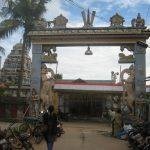
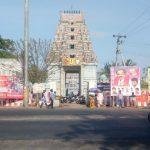
The Temple is located at about 100 meters from Mangadu Bus Stop, 250 meters from Mangadu Kamakshi Amman Temple, 7 Kms from Gerugambakkam, 6 Kms from Porur, 7 Kms from Porur Junction, 4 Kms from Poonamallee, 5 Kms from Kundrathur, 16 Kms from Meenambakkam Metro Station, 14 Kms from Guindy Railway Station, 16 Kms from Meenambakkam Railway Station, 15 Kms from Tirusulam Railway Station, 22 Kms from Chennai Central Railway Station, 18 Kms from Tambaram Railway Station, 19 Kms from Egmore Railway Station, 17 Kms from Chennai Airport and 21 Kms from Chennai.
Mangadu is located off the Chennai Bangalore highway on the way from Poonamallee to Kunrathur. While going from Chennai city on Mount Poonamallee road, one must take left from Kumananchaavadi junction to reach Mangadu. This temple is located very close to Mangadu Bus Stop. Frequent Bus services available from Poonamallee, Porur, Tambaram, and Pallavaram.
Bus Routes:
- From Egmore: M53E, M53P
- From Central: M53E, 17B, M53P, 54M
- From Koyambedu: M17BCT
Contact Details
Official Address:
Vaikuntha Perumal Temple,
Mangadu, Chennai,
Tamil Nadu, India.
Phone numbers are often managed by local trusts. Please contact the Chennai Tourism Department or the local shrine office for the most current number.
Recent Posts

ओ सांवरे तूने ही मुझको संभाला – Lyrics & Meaning
ओ सांवरे तूने ही मुझको संभाला – A Prayer to Shyam Origin & Spiritual Essence Why This Bhajan Resonates Devotees chant this when overwhelmed by life’s storms—the refrain ‘तूने ही मुझको संभाला’ is the soul’s sigh of relief: “You…

कथा ये है महाराज मेरे की – Lyrics & Meaning
कथा ये है महाराज मेरे की छत्रपति संभाजी महाराज – A Prayer to Chhatrapati Sambhaji Maharaj Origin & Spiritual Essence Why This Bhajan Resonates Devotees chant this when their spirit feels tested—its powerful refrain “महाराज मेरे” is a soul’s…

Rigveda Samhita Yathartha Anuvada (ऋग्वेद संहिता यथार्थ अनुवाद) – Complete Set with Anvayartha & Hindi/English Translation
The Rigveda is the oldest surviving scripture of humanity and the foundational text of Sanātana Dharma. For serious students, scholars, UPSC aspirants studying ancient Indian history, Sanskrit learners, and spiritual seekers, a precise and grammatically structured translation is indispensable.…

आना भी अकेला है जाना भी अकेला है – Lyrics & Meaning | BharatTemples
आना भी अकेला है जाना भी अकेला है – A Prayer to the Divine Witness Origin & Spiritual Essence Why This Bhajan Resonates Devotees turn to this bhajan in moments of deep reflection—when life’s attachments begin to ache. The…

माता शेरावाली के द्वार जो भी जाता है – Lyrics & Meaning
माता शेरावाली के द्वार जो भी जाता है – A Prayer to Maa Sherawali Origin & Spiritual Essence Why This Bhajan Resonates Devotees turn to this bhajan in times of fear or uncertainty—its promise that no one leaves Maa’s…

मार लेना सपणी उबार लेणा भवरा – Lyrics & Meaning
मार लेना सपणी उबार लेणा भवरा – A Prayer to the Divine Beloved Origin & Spiritual Essence Why This Bhajan Resonates Devotees chant this in moments of deep vulnerability—its cry of “मार लेना सपणी, उबार लेणा भवरा” is the…

हमें श्याम सुंदर भरोसा तुम्हारा – Lyrics & Meaning
हमें श्याम सुंदर भरोसा तुम्हारा – A Prayer to Shyam Sundar Origin & Spiritual Essence Why This Bhajan Resonates Devotees chant this when feeling alone—its refrain ‘de do sahara’ is the soul’s cry for divine support. Lyrics in Hindi…

Mere Satguru Ne Di Thi Davai Lyrics in Hindi & Meaning
Mere Satguru Ne Di Thi Davai: Invoking the Guru’s Liberating Wisdom This soul-stirring bhajan venerates the Satguru (True Spiritual Master) as the divine physician who dispenses the only remedy for life’s deepest sufferings. Composed by Sant Karmaveer Tufani, it…

Janm Diyo Thari Maa Dukh Dekhiyo Lyrics in Hindi & Meaning
जन्म दियो थारी माँ दुख देखियो (Maa’s Grief Upon Birthing You) This soul-stirring Chetavani Bhajan (admonitory hymn) is addressed to the Divine Mother (Maa) – a call for repentance when children forget their filial duties in the dark age…
Bhadi Sabha Mein Thane Manaun Lyrics in Hindi & Meaning
Bhadi Sabha Mein Thane Manaun: Invoking the Spear-Wielding Mother Mata Bhawani (श्री ज्वाला भवानी), the fiery manifestation of Shakti worshipped as the Protector of Dharma in Her Dhaulagarh sanctum. Origin & Spiritual Essence Composed in Rajasthani folk tradition by…