Vallimalai Murugan Temple History and Darshan Timings: Complete Guide
Receive daily temple updates, divine darshan, and morning bhajans directly on WhatsApp.
Contents
- 1 Introduction & Spiritual Essence
- 2 Historical Origins & Scriptural Legend
- 3 Architectural Marvels
- 4 Darshan & Ritual Logistics
- 5 Practical Visitor Guidance
- 6 Pilgrimage Connectivity
- 7 Frequently Asked Questions (FAQs)
- 8 Photo Gallery
- 9 How to Reach
- 10 Contact Details
Introduction & Spiritual Essence
Perched atop a serene hillock in the Pudukottai district, the Vallimalai Murugan Temple (also known as Virali Malai) stands as a monumental beacon of spiritual energy and architectural grace. This ancient shrine is dedicated to Lord Murugan (Karthikeya), revered here as the Swayambhu (self-manifested) deity. Unlike many other shrines, the primary idol of Murugan is depicted with six faces and twelve hands, seated majestically upon his vahana, the peacock, with consorts Valli and Deivanai on either side.
The spiritual essence of Vallimalai is deeply intertwined with the poetic genius of Arunagirinathar. According to temple records, this is the sacred ground where the saint attained Astama Siddhi (the eighth and highest occult power) through intense devotion. The Phalaśruti (benefits of worship) of visiting this temple is profound. It is believed that worshippers are absolved of ancestral karma and specific curses. Notably, the divine sage Vasista and his wife Arundathi are said to have attained Sapa Vimochana (liberation from curses) here, a story immortalized by their carvings on the temple pillars.
Phalaśruti: Why Devotees Visit
- Removal of Curses: The temple is renowned for alleviating the ill effects of past-life sins and curses.
- Wisdom and Creativity: As the abode where Arunagirinathar composed the Tirupugazh, it is a powerful site for students and artists seeking knowledge.
- Marital Harmony: Devotees visit to remove obstacles in marriage and ensure a happy family life, emulating the divine presence of Deivanai and Valli.
Historical Origins & Scriptural Legend
The origins of Vallimalai Murugan Temple are steeped in the Periya Puranam and local Sthala Purana (oral tradition). While the exact date of construction is historically undocumented, the architecture suggests a lineage from the Pandyas and Cholas, later renovated by the Vijayanagara and Nayak rulers who frequented this region.
📖 Related: Koot Dant Vinayak Temple, Varanasi: History, Darshan Timings & Guide
According to tradition, the temple derives its name from Virali, a legendary harlot who was the first recipient of Lord Murugan’s grace. The hill itself is believed to be a portion of the Himalayas transported by Lord Hanuman. The most significant historical record is the 16 Tirupugazh hymns composed by Arunagirinathar in the 15th century, which serve as a living testament to the temple’s antiquity and spiritual potency.
Scriptural References
- Tirupugazh: Arunagirinathar mentions the divine call of Murugan: “Yemmai pugazhndu paada yamuraiyum Viralimalaikku varuga” (Come to Virali Malai to sing our praises).
- Sthala Vriksha: The sacred tree associated with the temple is the Virali tree, reinforcing the local folklore.
Architectural Marvels
The temple is a classic example of Dravidian architecture, specifically the Gaja Prishta (elephant-back) style of roof structures found in the Nayak period. Adhering to the principles of Vastu Shastra, the temple is oriented to harness the solar energies, facing east.
Key Architectural Highlights
- The Mandapas: A grand Mandapa (hall) features intricately carved pillars depicting scenes from mythology. Specific carvings of Vasista, Arundathi, Kachiappa Munivar, and Narada provide visual proof of the legends narrated here.
- Sanctum Sanctorum (Garbhagriha): The idol of Murugan is a Panchaloha alloy sculpture (five metals). The Shikhara (tower) above the sanctum is relatively modest due to the hilltop location but features typical Dravidian motifs.
- Sub-Shrines:
- Sandana Kottam: Located midway up the hill, housing a Sannidi for Arumugan (Murugan with six faces) in a mandapa.
- Idumban Shrine: Situated near the steps, Idumban is worshipped before ascending to the main shrine.
- Meenakshi Sundaresar: A rare rock-cut shrine dedicated to Lord Shiva and Goddess Meenakshi, carved inside a single rock.
Darshan & Ritual Logistics
The temple follows strict Agama rules for rituals. One of the unique offerings here is the Suruttu (cigar), kept during the Uchi Kala Pooja (noon ritual), symbolizing the devotion of a devotee who wished to keep Murugan warm during the rains. Note that these are herbal and non-intoxicating offerings.
Daily Timings
| Pooja / Darshan | Timing |
|---|---|
| Opening Time | 6:00 AM |
| Morning Pooja | 6:30 AM – 12:00 PM |
| Uchi Kala Pooja | 12:00 PM – 12:30 PM |
| Evening Darshan | 4:00 PM – 8:30 PM |
| Closing Time | 8:30 PM |
📖 Related: Kaholeshwar Temple Varanasi: History, Darshan Timings & Complete Guide
Note: Timings may vary slightly during festival days. It is advisable to call the temple office (04172 – 252 295) before visiting.
Key Sevas (Services) & Booking
Devotees can perform various sevas to seek blessings. While online booking details for this specific temple are often managed by the local administration, devotees can inquire via the provided contact number.
- Abhishekam: Performed with milk, honey, sandalwood paste, and turmeric.
- Archana: Chanting of Tirupugazh and Om Saravana Bhava.
- Kumkumarchana: Offering Kumkum to the deity (favored by women for marital bliss).
- Special Offerings: Offering of Suruttu (Herbal Cigar) and Panchamritam.
2026 Festival Calendar (Key Dates)
| Festival | Date (2026) |
|---|---|
| Thai Poosam | January 13 |
| Masi Karthigai | February 12 |
| Panguni Uthiram | March 20 |
| Vaikasi Visakam | May 24 |
| Adi Karthigai | August 7 |
| Skanda Shashti | November 3 |
Practical Visitor Guidance
Visiting a hill temple requires physical preparedness. The ascent to Vallimalai is a spiritual journey that demands respect for the environment and local customs.
Code of Conduct
- Dress Code: Traditional attire is mandatory. Men must wear Dhoti or pants with a shirt (no vests/shorts). Women must wear Saree, Salwar Kameez, or long skirts.
- Photography: Strictly prohibited inside the inner sanctum. Photography in the prakara (corridor) may be allowed without flash, but seek permission from the priest.
- Mobile Lockers: Due to the hilltop location, electronic devices should be minimized. There are basic storage facilities at the foothills, but carrying minimal luggage is recommended.
Crowd Management & Best Time to Visit
The temple sees a surge of devotees during Sundays and Karthigai month.
- Best Hours: Weekday mornings (6:30 AM – 9:00 AM) are ideal for a peaceful darshan.
- Seasonal Advice:
- Summer (April-June): The heat on the exposed steps can be intense. Carry plenty of water and wear head coverings.
- Monsoon (November-February): The steps can become slippery; wear shoes with good grip.
Pilgrimage Connectivity
Vallimalai is strategically located between two major transport hubs in Tamil Nadu, making it accessible for pilgrims from across the state.
How to Reach
- Nearest Railway Station: Pudukottai Railway Station (40 km) or Tiruchirappalli Junction (30 km). From Trichy, direct buses are available to Pudukottai.
- Nearest Airport: Trichy International Airport (TIR), approximately 40 km away.
- By Road: The temple is located on the Trichy-Madurai Main Road (NH 38). From Chennai, take the Chennai-Vellore-Trichy route. Specific bus routes include Bus No. 144 from Chennai Koyambedu to Chittur, getting down at Serkadu. From there, share autos are available to the foothills (7 km).
📖 Related: Bheeshan Bhoot Bhairav Temple: History, Darshan Timings & Complete Guide
Nearby Sacred Sites (Pilgrimage Circuit)
Enhance your spiritual journey by visiting these nearby temples:
- Kundrakudi Murugan Temple (15 km): Another hill temple dedicated to Lord Murugan, located near Kilakarai.
- Kallalagar Temple (35 km): Located in Madurai, this is the abode of Lord Vishnu (Alagar) and a major architectural complex.
- Srirangam Ranganathaswamy Temple (40 km): One of the largest active temple complexes in the world, dedicated to Lord Vishnu.
Frequently Asked Questions (FAQs)
1. Is there a VIP darshan entry available at Vallimalai?
Yes, the temple administration facilitates a prioritized line for senior citizens, specially-abled devotees, and donors of specific seva amounts. However, the queue is generally short compared to other popular temples, and general darshan is quite efficient.
2. Can I perform the Abhishekam myself?
Typically, only the resident priests are allowed to perform Abhishekam within the sanctum sanctorum. Devotees can witness the ritual and provide the materials (milk, honey, etc.). The Theertham (holy water) and Prasadam are distributed to all devotees.
3. Is the climb to the temple difficult?
There are 207 steps leading to the main temple. While manageable for most healthy adults, the elderly and those with mobility issues may find it challenging. There is no ropeway or lift facility currently available.
4. Where is the best place to park?
There is an open parking area at the foothills of Vallimalai. During peak festival seasons, parking fills up quickly, so arriving by 6:00 AM is advised.
5. What is the contact number for the temple?
For inquiries regarding timings and special permissions, you can contact the temple office at 04172 – 252 295.
Photo Gallery

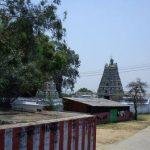
DSC00407, Vallimalai Murugan Temple, Pudukottai
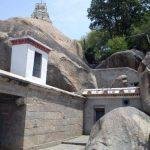
DSC00405, Vallimalai Murugan Temple, Pudukottai
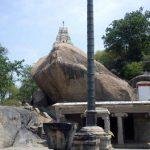
DSC00401, Vallimalai Murugan Temple, Pudukottai
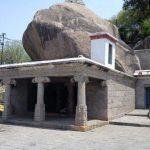
DSC00398, Vallimalai Murugan Temple, Pudukottai
DSC00397, Vallimalai Murugan Temple, Pudukottai
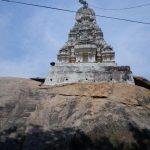
DSC00385, Vallimalai Murugan Temple, Pudukottai
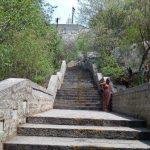
DSC00381, Vallimalai Murugan Temple, Pudukottai
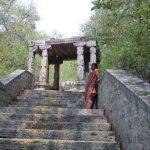
DSC00377, Vallimalai Murugan Temple, Pudukottai
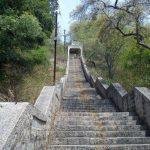
Tamilnadu, Vallimalai Murugan Temple, Pudukottai
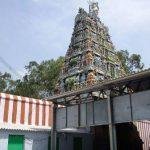
TAMILNADU, Vallimalai Murugan Temple, Pudukottai
How to Reach
- Bus no 144 from Chennai Koyambedu to Chittur, via Wallajapet, Ranipet, Thiruvalam get down at Serkadu or the Koo road of Vallimalai. From there share autos are available to the foot hills of Valli Malai. From SerKadu Vallimalai is about 7 KM.
- Town bus is also available from Vellore.
Contact Details
Official Address:
Vallimalai Murugan Temple,
Vallimalai, Pudukottai District,
Tamil Nadu, India.
Phone: 04172 – 252 295