
Contents
- 1 The Eternal Echoes of Vanmikinathar: A Definitive Guide to Cheyyur
- 1.1 1. Introduction & Spiritual Essence
- 1.2 2. Historical Origins & Scriptural Legend
- 1.3 3. Architectural Marvels
- 1.4 4. Darshan & Ritual Logistics
- 1.5 5. Practical Visitor Guidance
- 1.6 6. Pilgrimage Connectivity
- 1.7 How to Reach:
- 1.8 7. Frequently Asked Questions (FAQs)
- 1.8.1 1. Is there a VIP darshan entry available at Vanmikinathar Temple?
- 1.8.2 2. What is the significance of the water filling the sanctum during rains?
- 1.8.3 3. Is the Vanmikinathar Temple open year-round?
- 1.8.4 4. Are there accommodation facilities in Cheyyur?
- 1.8.5 5. Can non-Hindus visit the temple?
- 1.9 Contact Details
The Eternal Echoes of Vanmikinathar: A Definitive Guide to Cheyyur
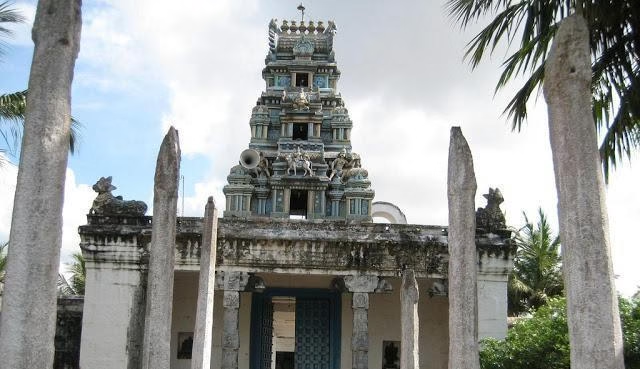
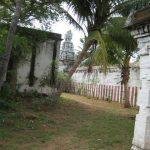
As the Lead Heritage Architect for BharatTemples.com, I welcome you to a sanctuary where history, geology, and divinity converge. Nestled in the coastal belt of Kanchipuram, the Vanmikinathar Temple in Cheyyur is not merely a structure of stone; it is a living chronicle of Dravidian heritage and unwavering faith.
1. Introduction & Spiritual Essence
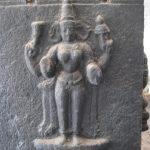
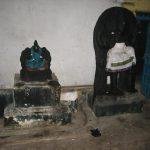
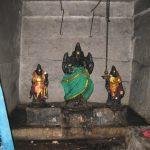
At the heart of Cheyyur lies the Vanmikinathar Temple, a sanctum dedicated to Lord Shiva. Here, the presiding deity is revered as Vanmikinathar (a local name for Shiva), while the Goddess manifests as Periyanayaki (also referred to as Azhagiya Nayaki). Unlike many other Shakti shrines where the Goddess appears in fierce forms, the Ambal here is seen in the serene Lakshmi Swaroopam, holding the lotus (Padmam) and a blue lily (Neelothbalam), radiating benevolence.
Phalaśruti: The Fruits of Visitation
Why do pilgrims undertake this journey to Cheyyur? The temple is renowned for its unique spiritual resonance. Devotees believe that offering prayers here helps in:
- Resolution of Doshas: Specifically ancestral karma and Pitru Dosha, as the location is considered a potent ground for ancestral peace.
- Relief from Water-Related Calamities: Given the temple’s historic relationship with the monsoon waters, prayers here are believed to mitigate the adverse effects of floods and droughts.
- Mental Peace: The sight of the sanctum submerged in gentle waters during the rainy season is a meditative experience that calms the mind.
2. Historical Origins & Scriptural Legend
While the specific date of construction is lost to the mists of time, architectural analysis suggests the temple dates back to the Pallava era (6th – 9th Century CE), with significant later additions and renovations during the Chola dynasty. This region was historically a hub of Brahminical settlement and agrarian prosperity.
The Sthala Purana: The Ant Hill Legend
According to temple records and local oral tradition (Sthala Purana), the name “Vanmikinathar” holds a profound meaning. Vanmika translates to “ant hill.” Legend holds that Lord Shiva manifested himself beneath an ancient ant hill in this village. Over centuries, the hill grew, concealing the deity completely.
It is said that a devout cowherd noticed that the milk from one of his cattle flowed continuously into a specific crevice in the ground. Upon investigation, the villagers discovered the hidden ant hill. As they carefully excavated the soil, they revealed the Shiva Lingam. When the sand from the mound was removed, the water level in the area rose, filling the sanctum to the level of the Lingam’s base—explaining the unique hydrogeological feature that persists today.
3. Architectural Marvels
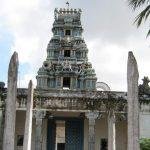
The Vanmikinathar Temple is a textbook example of early Dravidian architecture, seamlessly blending structural rigidity with artistic fluidity.
Style and Layout
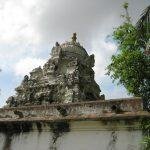
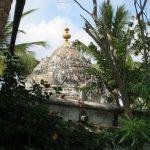
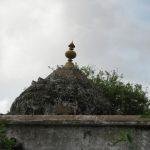
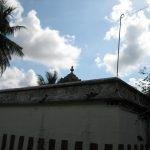
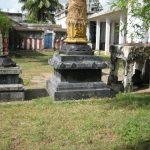
The temple follows the Dravidian Vimana style. The Shikhara (tower) above the sanctum is modest yet elegant, typical of Pallava aesthetics, featuring horizontal tiers rather than the complex miniature structures seen in later Chola temples. The structure is oriented to align with the movement of the sun, adhering to specific Vastu Shastra principles to maximize the flow of positive energy.
Sculptural Significance
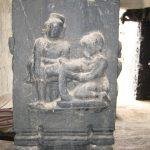
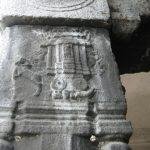
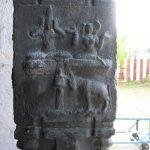
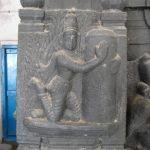
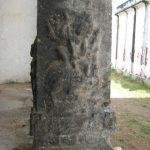
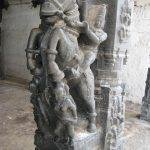
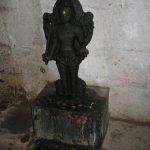
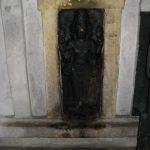
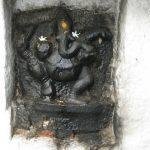
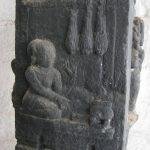
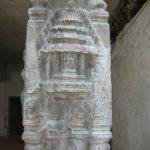
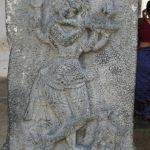
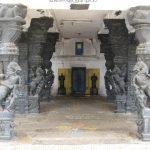
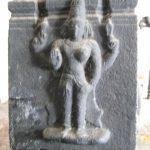
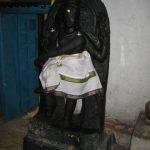
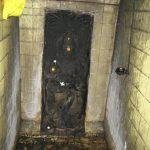
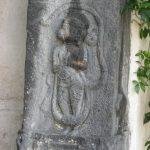
As noted in the original source, this temple serves as a “sculptural gallery.” The front Mandapam (hall) features exquisite carvings in black stone. These carvings depict:
- Ashta Dikpalakas: The guardians of the eight directions.
- Nava Grahas: The nine planetary deities, carved with intricate detailing.
- Therapeutic Sculptures: Depictions of deities associated with healing.
Note: While the temple is a marvel of heritage, it does not currently hold a UNESCO World Heritage site status, but it is protected and maintained by local authorities.
| Date built: | – |
|---|---|
| Deity: | Vanmikinathar |
| Architectural style: | Dravidian architecture |
| Major festivals | – |
| Locale: | Cheyyur |
| District:: | Kanchipuram |
| Address: | – |
| Phone | – |
4. Darshan & Ritual Logistics
Visitors to Vanmikinathar Temple should note that this is a traditional temple operating on specific timings. The rituals are performed with strict adherence to the Agama Shastra.
Daily Timings
The following table outlines the general schedule. Please note that timings may vary slightly based on local holidays or temple maintenance.
| Session | Timings |
|---|---|
| Morning Darshan | 6:00 AM – 12:00 PM |
| Afternoon Break | 12:00 PM – 4:00 PM |
| Evening Darshan | 4:00 PM – 8:00 PM |
Key Sevas and Online Booking
For 2026, the temple administration has streamlined several rituals. While specific online portals for this local temple may be managed by the Tamil Nadu Hindu Endowments Board, devotees can generally request the following:
- Abhishekam: Performed daily at 7:30 AM. This involves bathing the Lingam with water, milk, honey, and sandalwood paste.
- Archana: Reciting the names of the deity. Can be performed by proxy.
- Kumbhabhishekam: A grand consecration held periodically (check local announcements for 2026 schedules).
Pro-Tip: Since this is a local shrine, it is best to call the temple office directly (refer to Contact Details section) 24 hours in advance for specific Seva bookings.
Major Festivals 2026
- Arudra Darshan: Celebrated in December/January (Margazhi month). This is the most significant festival here, celebrating the cosmic dance of Shiva.
- Maha Shivaratri: February/March 2026. All-night vigil and special abhishekams.
- Navaratri: Dedicated to Goddess Periyanayaki, celebrated in October 2026.
5. Practical Visitor Guidance
Visiting Cheyyur requires preparation to ensure a smooth and respectful pilgrimage.
Code of Conduct
- Dress Code: Traditional attire is mandatory. Men should wear dhotis or pants with shirts; women should wear sarees or salwar kameez. Shorts and sleeveless tops are strictly prohibited.
- Photography: Photography is allowed in the outer mandapam and courtyard but is prohibited inside the sanctum sanctorum (Garbhagriha). Flash photography is discouraged to preserve the ancient stone carvings.
- Mobile Electronics: Mobile phones should be on silent mode. While specific locker facilities may not be available on-site (limited to local temples), it is advisable to carry minimal belongings.
Crowd Management & Seasonal Advice
- Best Hours: The temple is most peaceful between 7:00 AM and 9:00 AM, and after 6:00 PM on weekdays.
- Rainy Season (November – December): As mentioned in the source, the sanctum fills with water. This is a spectacular spiritual sight, but the floor becomes slippery. Wear footwear with good grip and be cautious.
- Summer (May): Cheyyur can be humid. Carry a water bottle and a head cover to protect against the sun while waiting in the queue.
6. Pilgrimage Connectivity
Cheyyur is accessible via two primary routes, making it a feasible addition to a broader Kanchipuram or East Coast Road (ECR) itinerary.
How to Reach
- By Air: The nearest airport is Chennai International Airport (MAA), approximately 75-80 km away.
- By Rail: The nearest major railway junction is Chengalpattu (approx. 35 km). From there, local taxis and buses are available to Cheyyur.
- By Road:
- Route 1 (Via ECR): Take the East Coast Road (ECR) from Chennai towards Puducherry. The Ellaiyamman Koil Bus Stop serves as a landmark, 5 km before Cheyyur.
- Route 2 (Via GST Road): Take NH 48 (Grand Southern Trunk Road) to Chengalpattu, then proceed to Madurantakam and onto Cheyyur (approx. 25 km from Madurantakam).
How to Reach:
Cheyyur is a taluk in Kanchipuram District of Tamilnadu. One can reach Cheyyur through two routes, one through Madurantakam and the other through the East Coast Road, which goes towards Puducherry. This town is about 25 kms from Madurantakam and 5 kms from the Ellaiyamman Koil Bus Stop on East Coast Road (ECR). The nearest airport is Chennai and railway station is Chengalpattu.
Nearby Sacred Sites (Pilgrimage Circuit)
To maximize your spiritual journey, consider visiting these nearby locations:
- Kamakshi Amman Temple (Kanchipuram): The central Shakti Peetham, located about 50 km from Cheyyur.
- Madurantakam: Home to the ancient Karanthurthyar Temple and a large artificial tank, offering a scenic stop en route.
- Padaleeswarar Temple (Pazhaverkadu): Located on the banks of the Pulicat Lake (approx 40 km north via ECR), known for its inscriptions and serene setting.
7. Frequently Asked Questions (FAQs)
1. Is there a VIP darshan entry available at Vanmikinathar Temple?
As this is a traditional village temple, there is no commercialized VIP entry system like in larger temple complexes. However, senior citizens and differently-abled devotees are given priority access by the temple staff upon request at the entrance.
2. What is the significance of the water filling the sanctum during rains?
This unique phenomenon is directly linked to the Sthala Purana. The water level rising to the avudaiyar (the base of the Lingam) symbolizes the continuous presence of Lord Shiva and the purity of the location, reminding devotees that divinity transcends physical boundaries, even water.
3. Is the Vanmikinathar Temple open year-round?
Yes, the temple remains open throughout the year. However, access to the inner sanctum may be temporarily restricted during severe flooding in the monsoon season (usually November-December) for safety reasons. Please check local conditions before planning a trip during heavy rains.
4. Are there accommodation facilities in Cheyyur?
Cheyyur is a developing town. While there are limited lodges and guest houses, it is recommended to stay in Kanchipuram (50 km) or Mahabalipuram (55 km) for better accommodation options, or utilize the TTDC hotel at Mamallapuram.
5. Can non-Hindus visit the temple?
Generally, non-Hindus are permitted in the outer courtyard and can view the architecture, but entry into the inner sanctum for darshan is traditionally restricted to Hindus. It is advisable to check with the local temple priest or manager for specific regulations.





Contact Details
Official Address
Recent Posts

Shri Kaamkoteeshwar Mandir, Varanasi – History & Significance
In the heart of Kashi, the eternal city of Lord Shiva, where the Ganges flows with celestial grace, stands the Shri Kaamkoteeshwar Mandir. This sacred Sannidhi is not merely a temple but a profound spiritual bridge between the Northern…

ओ सांवरे तूने ही मुझको संभाला – Lyrics & Meaning
ओ सांवरे तूने ही मुझको संभाला – A Prayer to Shyam Origin & Spiritual Essence Why This Bhajan Resonates Devotees chant this when overwhelmed by life’s storms—the refrain ‘तूने ही मुझको संभाला’ is the soul’s sigh of relief: “You…

कथा ये है महाराज मेरे की – Lyrics & Meaning
कथा ये है महाराज मेरे की छत्रपति संभाजी महाराज – A Prayer to Chhatrapati Sambhaji Maharaj Origin & Spiritual Essence Why This Bhajan Resonates Devotees chant this when their spirit feels tested—its powerful refrain “महाराज मेरे” is a soul’s…

Rigveda Samhita Yathartha Anuvada (ऋग्वेद संहिता यथार्थ अनुवाद) – Complete Set with Anvayartha & Hindi/English Translation
The Rigveda is the oldest surviving scripture of humanity and the foundational text of Sanātana Dharma. For serious students, scholars, UPSC aspirants studying ancient Indian history, Sanskrit learners, and spiritual seekers, a precise and grammatically structured translation is indispensable.…

आना भी अकेला है जाना भी अकेला है – Lyrics & Meaning | BharatTemples
आना भी अकेला है जाना भी अकेला है – A Prayer to the Divine Witness Origin & Spiritual Essence Why This Bhajan Resonates Devotees turn to this bhajan in moments of deep reflection—when life’s attachments begin to ache. The…

माता शेरावाली के द्वार जो भी जाता है – Lyrics & Meaning
माता शेरावाली के द्वार जो भी जाता है – A Prayer to Maa Sherawali Origin & Spiritual Essence Why This Bhajan Resonates Devotees turn to this bhajan in times of fear or uncertainty—its promise that no one leaves Maa’s…

मार लेना सपणी उबार लेणा भवरा – Lyrics & Meaning
मार लेना सपणी उबार लेणा भवरा – A Prayer to the Divine Beloved Origin & Spiritual Essence Why This Bhajan Resonates Devotees chant this in moments of deep vulnerability—its cry of “मार लेना सपणी, उबार लेणा भवरा” is the…

हमें श्याम सुंदर भरोसा तुम्हारा – Lyrics & Meaning
हमें श्याम सुंदर भरोसा तुम्हारा – A Prayer to Shyam Sundar Origin & Spiritual Essence Why This Bhajan Resonates Devotees chant this when feeling alone—its refrain ‘de do sahara’ is the soul’s cry for divine support. Lyrics in Hindi…

Mere Satguru Ne Di Thi Davai Lyrics in Hindi & Meaning
Mere Satguru Ne Di Thi Davai: Invoking the Guru’s Liberating Wisdom This soul-stirring bhajan venerates the Satguru (True Spiritual Master) as the divine physician who dispenses the only remedy for life’s deepest sufferings. Composed by Sant Karmaveer Tufani, it…

Janm Diyo Thari Maa Dukh Dekhiyo Lyrics in Hindi & Meaning
जन्म दियो थारी माँ दुख देखियो (Maa’s Grief Upon Birthing You) This soul-stirring Chetavani Bhajan (admonitory hymn) is addressed to the Divine Mother (Maa) – a call for repentance when children forget their filial duties in the dark age…