
Contents
Introduction & Spiritual Essence
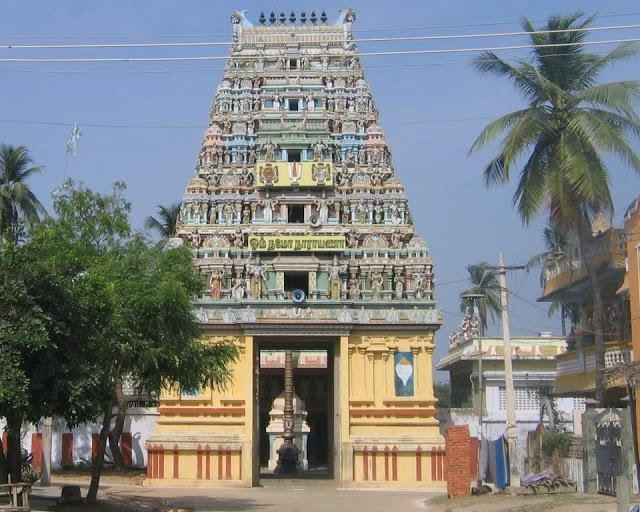
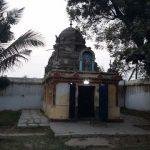
The Varadaraja Perumal Temple, Minjur, Thiruvallur, stands as a monumental beacon of Vaishnavism in Tamil Nadu. Dedicated to Lord Varadaraja Perumal (a form of Lord Vishnu), this temple is revered as an Abhimana Sthalam—a site of high spiritual importance to devotees. Locally, it is affectionately referred to as Vada Kanchi (The Kanchipuram of the North), drawing parallels to the grandeur of the Varadaraja Swamy Temple in Kanchipuram.
Phalaśruti (Spiritual Benefits): Devotees believe that a visit to Minjur Varadaraja Perumal Temple helps in cleansing ancestral karma. It is specifically sought after for blessings in Vidya (knowledge) and Aarogya (health). The presiding deity is a Swayambhu (self-manifested) idol, believed to grant the wishes of childless couples and remove planetary afflictions (Doshas) in one’s horoscope.
Historical Origins & Scriptural Legend
The Legend of Mouncharanyam
According to the Sthala Purana (local oral tradition), this region was once a dense forest (Aranyam) known as Mouncharanyam, famous for the growth of sacred grass used for rituals. Over centuries, the name evolved linguistically from Mouncharanyam to Minjur. Tradition holds that the great saint Adi Shankaracharya visited this site and worshipped the presiding deity here.
Architectural Lineage
While specific dynastic records are often compiled in local copper plates, temple records suggest the current structure is approximately 400 years old, built during the era of the Vijayanagara influence on Dravidian temple architecture. The temple complex was subsequently expanded by wealthy merchant families and local chieftains of the Thiruvallur district in the 18th and 19th centuries. The sanctum retains the ancient Dravidian style, while the outer precincts reflect later renovations.
Architectural Marvels
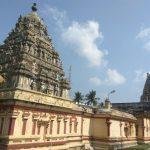
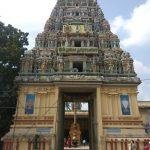
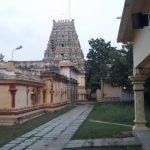
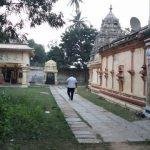
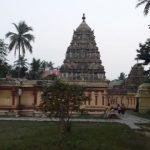
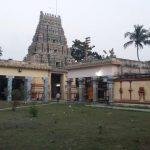
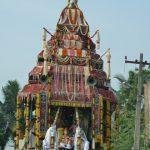
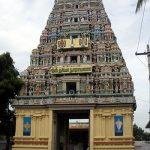
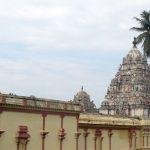
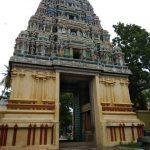
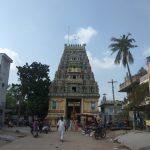
The temple follows the classical Dravida style of architecture, characterized by stepped pyramidal towers (Vimana) and pillared halls (Mandapas).
- The Vimanam: The Shikhara (tower) above the sanctum sanctorum is unique to this region, adorned with stucco figures depicting avatars of Vishnu.
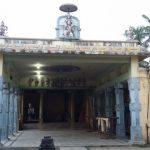
- The Mandapas: The temple features a series of pillared halls leading to the inner sanctum. The pillars are carved with scenes from the Ramayana and Mahabharata.
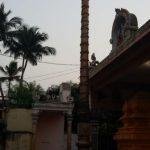
- Sculptures: Notable are the exquisitely carved Dwajasthambam (flagpole) and the Bali Peetha (sacrificial altar). The outer prakaram (corridor) houses shrines for Azhwars and other deities.
Darshan & Ritual Logistics
The temple follows standard Agamic rituals with specific timings for the Lord’s Thiruvabharanam (holy ornaments). Below is the daily schedule.
Daily Timings
| Session | Timings |
|---|---|
| Morning Opening | 07:00 AM |
| Morning Closing | 11:00 AM |
| Afternoon Opening | 05:00 PM |
| Night Closing | 08:00 PM |
Key Sevas & Online Booking
While traditional in-person bookings are available at the temple counter, the temple trust has streamlined digital offerings for convenience.
- Abhishekam: Performed on Ekadasi days. Devotees can sponsor milk/panchamrit abhishekam.
- Archana: Recitation of Vishnu Sahasranamam or specific 108 names of Varadaraja Perumal.
- Thirukalyana Utsavam: Sponsorship of the celestial wedding ceremony.
Online Seva Booking: To book sevas, visit the official temple website or the Tamil Nadu Temple Administration portal. (Note: As of 2026, many temples utilize the darshan.tnhrce.org portal or specific temple apps).
2026 Festival Calendar
Mark your calendars for these major 2026 events at Minjur:
- Thai Poosam: January 13, 2026
- Vaikasi Brahmotsavam: May 21 – May 31, 2026 (Includes Garuda Sevai)
- Garuda Sevai: May 28, 2026 (The most significant event; expect lakhs of devotees)
- Aadi Amavasai: July 24, 2026
- Puratasi Saturday: September 19, 2026
- Vaikuntha Ekadasi: December 10, 2026
Practical Visitor Guidance
Dress Code & Etiquette
Visitors must adhere to traditional dress codes: Men should wear Veshti (dhoti) or formal trousers with a shirt; Women should wear saree, salwar kameez, or traditional skirt/blouse. Western attire such as shorts and T-shirts is strictly prohibited inside the sanctum.
Crowd Management & Best Time to Visit
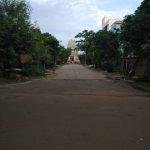
The temple is located in the center of Minjur town and can get crowded during weekends.
- Best Hours: 8:00 AM – 10:00 AM is ideal for a peaceful darshan.
- Seasonal Advice: May (Tamil month of Vaikasi) is hot; carry a water bottle and wear protective headgear while queuing. During the monsoon (November), be prepared for muddy paths outside the temple.
Photography & Mobiles
Photography is strictly prohibited inside the inner sanctum and around the inner prakaram. Mobile lockers are generally not available, so it is advisable to travel light and leave valuables in your vehicle.
Pilgrimage Connectivity
How to Reach Minjur
- By Air: Chennai International Airport (MAA) is the nearest airport, approximately 45 km away. Taxi services are readily available.
- By Rail: Minjur Railway Station is the closest stop, just 1 km from the temple. It connects to Chennai Central via the suburban network.
- By Road: Minjur is well-connected via NH 16 (formerly NH 5). It is 26 km from Chennai and 52 km from Thiruvallur. Buses are frequent from Koyambedu CBT (CMBT).
Nearby Sacred Sites (Pilgrimage Circuit)
- Thiruvudai Amman Temple: Located 3 km from Minjur. A historic Shakti temple dedicated to Goddess Parvati.
- Sri Sthalashayam Perumal Temple: Located in Padi, roughly 15 km away. A unique temple where Lord Vishnu is seen lying on a serpent.
- Sri Yoga Narasimha Swamy Temple: Located in Singarajapuram (approx. 15 km), famous for its unique Narasimha idol.
Frequently Asked Questions (FAQ)
Is there a VIP darshan entry?
The temple committee occasionally provides special entry for elderly citizens and physically disabled devotees. However, there is no standard “VIP ticket” system here; darshan is generally based on queue management.
Where can I park my vehicle?
The temple has limited on-street parking. It is recommended to park near the Minjur Bus Depot (1 km away) or designated parking lots near the Minjur market area.
Are there dining facilities at the temple?
Prasadam is distributed during peak hours, but a full-fledged temple kitchen (Anna Dhana) operates primarily during festival days. For regular meals, local eateries in Minjur town serve vegetarian food.
Is the temple wheelchair accessible?
The inner sanctum has steep steps, making it difficult for wheelchair users. However, the outer corridors are accessible. Please contact the temple priest (+91 99409 84355) for assistance with ramps if needed.
What is the significance of the Varadaraja form?
Varadaraja means “The One who grants boons.” This form of Vishnu is worshipped for fulfilling wishes related to education, career progression, and family prosperity.
Contact Details
Varadaraja Perumal Temple,
Minjur, Thiruvallur District
Mobile: +91 99409 84355
Recent Posts

ओ सांवरे तूने ही मुझको संभाला – Lyrics & Meaning
ओ सांवरे तूने ही मुझको संभाला – A Prayer to Shyam Origin & Spiritual Essence Why This Bhajan Resonates Devotees chant this when overwhelmed by life’s storms—the refrain ‘तूने ही मुझको संभाला’ is the soul’s sigh of relief: “You…

कथा ये है महाराज मेरे की – Lyrics & Meaning
कथा ये है महाराज मेरे की छत्रपति संभाजी महाराज – A Prayer to Chhatrapati Sambhaji Maharaj Origin & Spiritual Essence Why This Bhajan Resonates Devotees chant this when their spirit feels tested—its powerful refrain “महाराज मेरे” is a soul’s…

Rigveda Samhita Yathartha Anuvada (ऋग्वेद संहिता यथार्थ अनुवाद) – Complete Set with Anvayartha & Hindi/English Translation
The Rigveda is the oldest surviving scripture of humanity and the foundational text of Sanātana Dharma. For serious students, scholars, UPSC aspirants studying ancient Indian history, Sanskrit learners, and spiritual seekers, a precise and grammatically structured translation is indispensable.…

आना भी अकेला है जाना भी अकेला है – Lyrics & Meaning | BharatTemples
आना भी अकेला है जाना भी अकेला है – A Prayer to the Divine Witness Origin & Spiritual Essence Why This Bhajan Resonates Devotees turn to this bhajan in moments of deep reflection—when life’s attachments begin to ache. The…

माता शेरावाली के द्वार जो भी जाता है – Lyrics & Meaning
माता शेरावाली के द्वार जो भी जाता है – A Prayer to Maa Sherawali Origin & Spiritual Essence Why This Bhajan Resonates Devotees turn to this bhajan in times of fear or uncertainty—its promise that no one leaves Maa’s…

मार लेना सपणी उबार लेणा भवरा – Lyrics & Meaning
मार लेना सपणी उबार लेणा भवरा – A Prayer to the Divine Beloved Origin & Spiritual Essence Why This Bhajan Resonates Devotees chant this in moments of deep vulnerability—its cry of “मार लेना सपणी, उबार लेणा भवरा” is the…

हमें श्याम सुंदर भरोसा तुम्हारा – Lyrics & Meaning
हमें श्याम सुंदर भरोसा तुम्हारा – A Prayer to Shyam Sundar Origin & Spiritual Essence Why This Bhajan Resonates Devotees chant this when feeling alone—its refrain ‘de do sahara’ is the soul’s cry for divine support. Lyrics in Hindi…

Mere Satguru Ne Di Thi Davai Lyrics in Hindi & Meaning
Mere Satguru Ne Di Thi Davai: Invoking the Guru’s Liberating Wisdom This soul-stirring bhajan venerates the Satguru (True Spiritual Master) as the divine physician who dispenses the only remedy for life’s deepest sufferings. Composed by Sant Karmaveer Tufani, it…

Janm Diyo Thari Maa Dukh Dekhiyo Lyrics in Hindi & Meaning
जन्म दियो थारी माँ दुख देखियो (Maa’s Grief Upon Birthing You) This soul-stirring Chetavani Bhajan (admonitory hymn) is addressed to the Divine Mother (Maa) – a call for repentance when children forget their filial duties in the dark age…
Bhadi Sabha Mein Thane Manaun Lyrics in Hindi & Meaning
Bhadi Sabha Mein Thane Manaun: Invoking the Spear-Wielding Mother Mata Bhawani (श्री ज्वाला भवानी), the fiery manifestation of Shakti worshipped as the Protector of Dharma in Her Dhaulagarh sanctum. Origin & Spiritual Essence Composed in Rajasthani folk tradition by…