
Contents
Veerattaneswarar Temple, Thiruvathigai: A Definitive Pilgrimage Guide
Introduction & Spiritual Essence
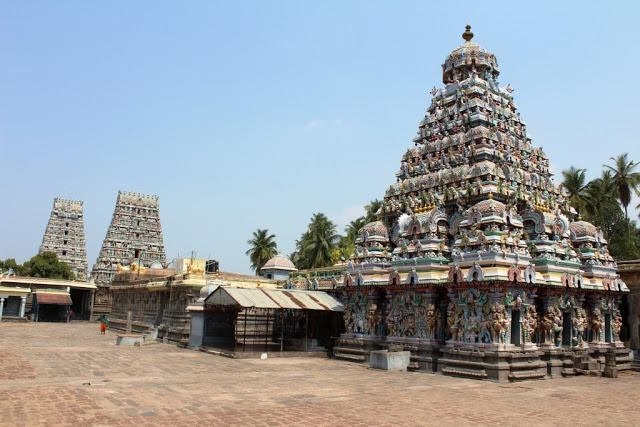
Located in the serene town of Panruti in the Cuddalore district of Tamil Nadu, the Veerattaneswarar Temple, also revered as Thiruvathigai, stands as a monumental abode of Lord Shiva. As the Lead Heritage Architect and SEO Strategist for bharattemples.com, I present this comprehensive guide engineered for the modern pilgrim navigating the spiritual landscape of 2026.
The primary deity here, Veerattaneswarar (Sanskrit: Veerattaneswara), is a form of Shiva worshipped as the “Supreme Hero” who vanquished arrogance. The temple is unique for housing both the Shiva Lingam (the primal form) and a distinct murti (idol) of Lord Dakshinamurthy, the silent teacher facing south. The significance of this Veerattaneswarar Temple, Thiruvathigai is deeply rooted in the concept of liberation from the cycle of birth and death.
Phalaśruti (Spiritual Benefits):
Devotees flock here for specific spiritual boons. According to the temple records and oral traditions, worship here helps cleanse ancestral karma, ensuring the salvation of forefathers. The temple is renowned for alleviating diseases, particularly those related to the stomach and ulcers, through the consumption of Vibhuti (sacred ash). Those seeking Aputra Dosh (childlessness) consume the milk used in the Abhishekam (ritual bathing) of the deity. Furthermore, the temple is believed to grant freedom from Arrogance (Aanavam), Karma (Kanma), and Illusion (Maya), the three fundamental evils binding the human soul.
| Date built: | – |
|---|---|
| Deity: | Veerattaneswarar |
| Architectural style: | Dravidian architecture |
| Major festivals | – |
| Locale: | Panruti |
| District:: | Cuddalore, |
| Address: | – |
| Phone | – |
Historical Origins & Scriptural Legend
The history of the Veerattaneswarar Thiruvathigai Temple is a blend of scriptural references and dynastic patronage.
Scriptural Legend (Sthala Purana):
According to Hindu mythology, Lord Shiva appeared before Sage Vasihta and Lord Brahma in this sacred spot. The name “Thiruvathigai” is derived from the Sanskrit word Skanda (the warrior god). Legend holds that Sage Vasihta performed a Yagna here to please the divine. It is also believed that Lord Shiva took the form of a giant (Kailashadhipathi) to subdue the arrogance of demons, hence the name Veerattaneswarar (The Lord of Valor).
Architectural Origins:
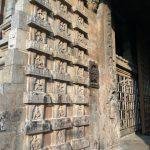
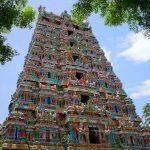
While specific construction dates are often lost in antiquity, the temple structure evidences contributions spanning centuries. The Dravidian architectural style suggests a timeline rooted in the medieval Chola and later Vijayanagara eras. The presence of intricate vimana designs and the massive Rajagopuram points to significant renovations during the Nayak period. The temple is classified as a Paadal Petra Sthalam (one of the 275 temples revered in the Tevaram hymns by the Nayanar saints).
Architectural Marvels
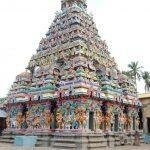
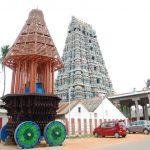
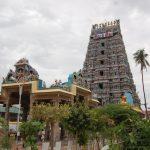
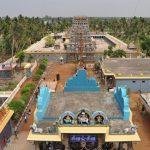
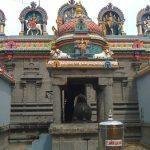
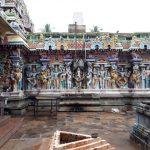
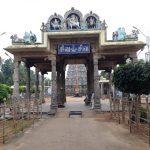
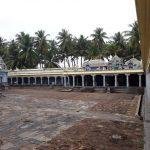
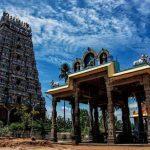
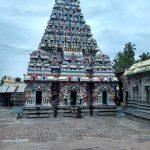
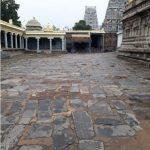
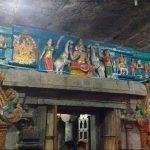
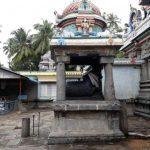
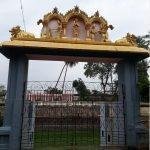
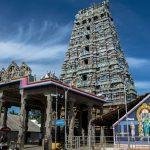
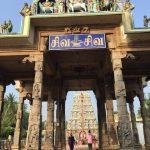
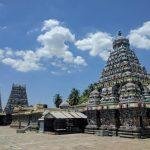
The temple is a classic example of Dravidian Architecture. It features a majestic Rajagopuram (gateway tower) that welcomes devotees into a spacious enclosure.
Key Features:
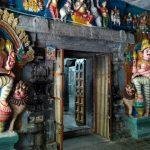
– The Sanctum: The innermost shrine (Garbhagriha) is elevated, housing the swayambhu (self-manifested) Lingam of Veerattaneswarar.
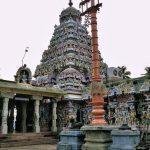
– Nandi: A massive, monolithic Nandi (bull) sits in the Mandapa facing the deity, a signature element of Shiva temples.
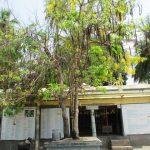
– Nakshatra Garden: Uniquely, the temple features a garden in the outer prakaram (corridor) where plants are arranged to correspond with the 27 Nakshatras (lunar mansions) and 12 Rasis (zodiac signs). Devotees can pray to the plants associated with their birth star.
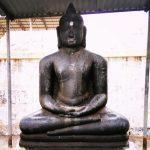
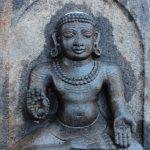
– Buddha Statue: A rare 5-foot statue of the Buddha is located on the northern side, symbolizing the syncretic harmony of South Indian religious traditions.
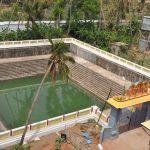
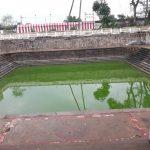
– Other Shrines: Separate shrines for Lord Ganesha and Lord Dakshinamurthy are present within the complex. The temple tank, known as Chandra Pushkarni, is located on the southern side.
Darshan & Ritual Logistics
Planning your visit requires an understanding of the daily rituals. Darshan refers to the act of beholding the deity, while Seva refers to the ritual services performed.
Daily Temple Timings
The following table outlines the standard operating hours for the Veerattaneswarar Temple. Please verify locally for any specific changes during festivals.
| Session | Timing | Activity |
|---|---|---|
| Morning | 6:00 AM – 12:00 PM | Abhishekam, Archana, General Darshan |
| Afternoon | 12:00 PM – 4:00 PM | Temple Closed (Raja Alankaram) |
| Evening | 4:00 PM – 8:00 PM | Deeparadhana, Saivali, General Darshan |
Key Sevas and Online Booking
Devotees can participate in various Sevas. While traditional booking is available at the temple counter, the online seva booking system is increasingly accessible via the Tamil Nadu Hindu Religious & Charitable Endowments (HR&CE) official portal or the Temple App (as of 2026 integration).
- Abhishekam: Ritual bathing of the deity with milk, curd, honey, and sandalwood paste. Best performed in the morning.
- Archana: Recitation of names. Popular options include Shasranama (1008 names) and Trishati (300 names).
- Vilva Archana: Offering Bilva leaves, highly auspicious for Shiva worship.
- Annadhanam: Free meal service for devotees. Donations can be made online.
2026 Major Festivals
Key dates for the calendar year 2026 (Tamil Calendar: Vikari Year):
- Ardra Darshanam: January 16, 2026 (Margazhi month).
- Maha Shivaratri: February 26, 2026 (Phalguna month). Special night-long darshan and rituals.
- Pradosham: Occurring twice monthly (13th and 28th of every month). Evening worship is recommended.
- Navaratri: October 3–12, 2026. Special decorations and homams.
- Arudra Darshanam: December 30, 2026 (Margazhi month).
Practical Visitor Guidance
To ensure a smooth and respectful pilgrimage, adhere to the following guidelines:
- Dress Code: Traditional attire is mandatory. Men should wear dhotis or trousers with shirts; women should wear sarees, salwar kameez, or long skirts. Avoid shorts and sleeveless tops.
- Photography: Photography is prohibited inside the inner sanctum. It may be allowed in the outer corridors, but seek permission from temple staff.
- Mobile Lockers: The temple usually provides a locker facility (often free or nominal charge) for electronic devices, as mobile phones are not permitted inside the shrine area.
- Accessibility: The inner sanctum involves steps. While the outer corridors are accessible, those with mobility issues may need assistance for full Darshan.
Crowd Management
- Best Hours: For a peaceful Darshan, visit between 6:00 AM – 8:00 AM or 6:00 PM – 8:00 PM.
- Seasonal Advice: Summers (April–June) in Panruti are hot and humid; carry a water bottle and umbrella. The monsoon season (October–November) is pleasant but can be crowded during festivals.
Pilgrimage Connectivity
The Veerattaneswarar Temple is well-connected by road and rail, making it accessible for pilgrims from across Tamil Nadu.
- By Road: The temple is located 2 km southwest of Panruti Bus Stand on the northern bank of the River Kedilam. Town bus services from Panruti to Cuddalore pass via Thiruvathigai. Get down at the “Thiruvathigai Temple” bus stop.
- By Train: Panruti Railway Station (2 km away) is the nearest railhead. It is a major station on the Villupuram-Cuddalore-Vadalur line.
- By Air:
– Chennai International Airport (MAA): 165 km (approx. 3.5 hours drive via NH32).
– Tiruchirappalli International Airport (TRZ): 167 km (approx. 4 hours drive).
Nearby Sacred Sites (Pilgrimage Circuit)
To maximize your spiritual journey, consider visiting these nearby Paadal Petra Sthalams:
- Thiruthuraiyur Temple: Located just 10 km away. Famous for the Tantripura Thevar shrine.
- Padaleeswarar Temple, Padalur: 18 km away. Another ancient Shiva temple in the region.
- Siddhivinayakar Temple, Vadalur: 20 km away. A prominent Ganesh temple located in the spiritual town of Vadalur.
Frequently Asked Questions (FAQ)
1. Is there a VIP darshan entry available?
Yes, the temple administration offers a special darshan option, often referred to as “Quick Darshan” or “VIP Darshan,” for a nominal fee. This ticket allows pilgrims to bypass the general queue, especially during peak festival days. Tickets can be purchased at the temple counter.
2. What is the significance of the Nakshatra garden?
The garden contains plants corresponding to the 27 stars (Nakshatras) and 12 zodiac signs (Rasis). It is believed that offering prayers to the plant associated with one’s birth star brings peace and prosperity. This is a unique feature of the Thiruvathigai Temple.
3. Can I perform Abhishekam on a Monday?
Yes, Mondays are highly auspicious for Lord Shiva. While Abhishekam can be performed on any day of the week, doing so on a Monday is considered especially meritorious. However, during Maha Shivaratri and Pradosham, special tickets are required due to the heavy influx of devotees.
4. Are there accommodation facilities available near the temple?
While the temple itself does not offer guesthouses, the town of Panruti (2 km away) has several lodges and hotels ranging from budget to mid-range. For more comfort, devotees can stay in Cuddalore (25 km) or Puducherry (44 km), both of which offer a wider range of accommodations.
5. What is the historical evidence of this temple’s construction?
While the exact founding date is undocumented, the architectural style indicates contributions from the Chola, Nayak, and Vijayanagara empires. The inscriptions on the temple walls, though weathered, provide clues to the dynasties that funded the maintenance and expansion of the temple complex over centuries.








Recent Posts

ओ सांवरे तूने ही मुझको संभाला – Lyrics & Meaning
ओ सांवरे तूने ही मुझको संभाला – A Prayer to Shyam Origin & Spiritual Essence Why This Bhajan Resonates Devotees chant this when overwhelmed by life’s storms—the refrain ‘तूने ही मुझको संभाला’ is the soul’s sigh of relief: “You…

कथा ये है महाराज मेरे की – Lyrics & Meaning
कथा ये है महाराज मेरे की छत्रपति संभाजी महाराज – A Prayer to Chhatrapati Sambhaji Maharaj Origin & Spiritual Essence Why This Bhajan Resonates Devotees chant this when their spirit feels tested—its powerful refrain “महाराज मेरे” is a soul’s…

Rigveda Samhita Yathartha Anuvada (ऋग्वेद संहिता यथार्थ अनुवाद) – Complete Set with Anvayartha & Hindi/English Translation
The Rigveda is the oldest surviving scripture of humanity and the foundational text of Sanātana Dharma. For serious students, scholars, UPSC aspirants studying ancient Indian history, Sanskrit learners, and spiritual seekers, a precise and grammatically structured translation is indispensable.…

आना भी अकेला है जाना भी अकेला है – Lyrics & Meaning | BharatTemples
आना भी अकेला है जाना भी अकेला है – A Prayer to the Divine Witness Origin & Spiritual Essence Why This Bhajan Resonates Devotees turn to this bhajan in moments of deep reflection—when life’s attachments begin to ache. The…

माता शेरावाली के द्वार जो भी जाता है – Lyrics & Meaning
माता शेरावाली के द्वार जो भी जाता है – A Prayer to Maa Sherawali Origin & Spiritual Essence Why This Bhajan Resonates Devotees turn to this bhajan in times of fear or uncertainty—its promise that no one leaves Maa’s…

मार लेना सपणी उबार लेणा भवरा – Lyrics & Meaning
मार लेना सपणी उबार लेणा भवरा – A Prayer to the Divine Beloved Origin & Spiritual Essence Why This Bhajan Resonates Devotees chant this in moments of deep vulnerability—its cry of “मार लेना सपणी, उबार लेणा भवरा” is the…

हमें श्याम सुंदर भरोसा तुम्हारा – Lyrics & Meaning
हमें श्याम सुंदर भरोसा तुम्हारा – A Prayer to Shyam Sundar Origin & Spiritual Essence Why This Bhajan Resonates Devotees chant this when feeling alone—its refrain ‘de do sahara’ is the soul’s cry for divine support. Lyrics in Hindi…

Mere Satguru Ne Di Thi Davai Lyrics in Hindi & Meaning
Mere Satguru Ne Di Thi Davai: Invoking the Guru’s Liberating Wisdom This soul-stirring bhajan venerates the Satguru (True Spiritual Master) as the divine physician who dispenses the only remedy for life’s deepest sufferings. Composed by Sant Karmaveer Tufani, it…

Janm Diyo Thari Maa Dukh Dekhiyo Lyrics in Hindi & Meaning
जन्म दियो थारी माँ दुख देखियो (Maa’s Grief Upon Birthing You) This soul-stirring Chetavani Bhajan (admonitory hymn) is addressed to the Divine Mother (Maa) – a call for repentance when children forget their filial duties in the dark age…
Bhadi Sabha Mein Thane Manaun Lyrics in Hindi & Meaning
Bhadi Sabha Mein Thane Manaun: Invoking the Spear-Wielding Mother Mata Bhawani (श्री ज्वाला भवानी), the fiery manifestation of Shakti worshipped as the Protector of Dharma in Her Dhaulagarh sanctum. Origin & Spiritual Essence Composed in Rajasthani folk tradition by…