
Contents
Introduction & Spiritual Essence
Nestled within the spiritual geography of Chennai, the Velleeswarar Temple in Mylapore stands as a timeless sentinel of Shaiva tradition. Here, the presiding deity is Velleeswarar (a form of Lord Shiva), representing the ethereal brightness of wisdom. He is worshipped alongside his consort Mother Kamakshi. The temple is known for its potent spiritual energy, particularly for devotees seeking relief from prolonged ailments and karmic debt.
Phalaśruti (The Fruit of Visiting): Tradition holds that offering sincere prayers at the Velleeswarar shrine aids in the cleansing of ancestral karma. Specifically, devotees believe that worshiping Lord Velleeswarar restores clarity (Jnana Drishti) and helps cure eye-related ailments, referencing the legend of Sukracharya.
Historical Origins & Scriptural Legend
The Enigma of Antiquity
While the Kapaleeshwarar Temple dominates Mylapore’s skyline, local tradition holds that the Velleeswarar Temple shares an equally ancient lineage, potentially dating back over 300 years. According to temple records and early 20th-century carvings, the management chronicle spans from 1875 to 1995.
Scriptural & Oral Legends
The Sthala Purana (local legend) intertwines with the celestial narrative of the Brahmotsavam. According to myth, the great Asura Guru Sukracharya lost his vision due to a curse. Through intense penance at this holy site dedicated to Velleeswarar, he regained his eyesight. This event is reenacted annually, symbolizing the temple’s power to restore spiritual sight and physical vision. The temple layout suggests a fascinating history where the initial installation may have been the Selva Vinayakar (Ganesha) at the entrance, later followed by the installation of the main Shiva Lingam.
Architectural Marvels
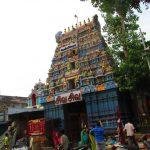
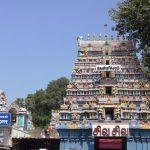
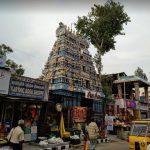
The Velleeswarar Temple is a classic example of the Dravidian style of architecture, likely constructed during the late Nayak or early British colonial period, adhering to Agamic principles.
Key Features
- Vastu Alignment: The temple faces east, with the Gopuram (gateway tower) serving as a monumental welcome.
- Mandapas: The inner courtyards feature pillared mandapas with detailed sculptures depicting mythological narratives.
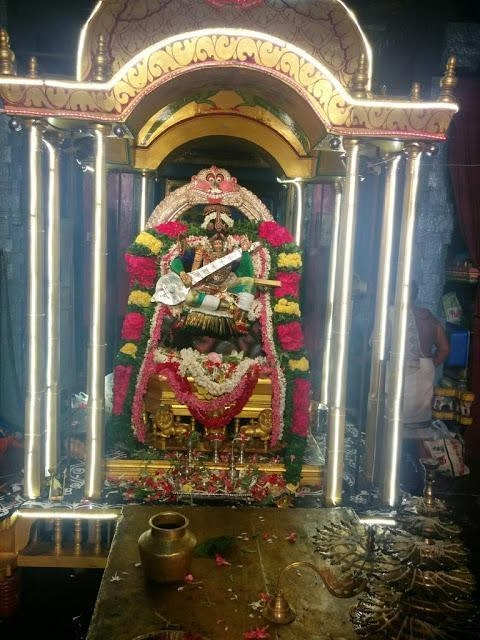
- The Sanctum: Unlike larger temple complexes, the sanctum here offers an intimate Darshan, drawing the devotee’s focus inward toward the Swayambhu (self-manifested) form of the Lingam.
Visual Sanctity
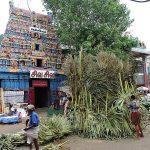
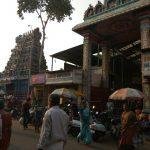
Witness the intricate stonework and daily rituals through our curated gallery.



Darshan & Ritual Logistics
Daily Timings (2026 Schedule)
The temple follows a traditional opening schedule. Below are the standard timings.
| Session | Timing | Rituals |
|---|---|---|
| Morning | 06:00 AM – 11:00 AM | Ushathkalam, Kalasanthi, Uchikalam |
| Evening | 05:00 PM – 08:30 PM | Sayarakshai, Arthajamam |
Key Sevas (Rituals) & Online Booking
Most rituals are performed within the sanctum. For specific Abhishekam (anointment) or Archana (offering of prayers), devotees are advised to contact the temple priests upon arrival. As this is an HR&CE managed temple, check the Tamil Nadu HR&CE portal for updated online seva availability for 2026.
2026 Festival Calendar
- Maha Shivaratri: February/March 2026 (Exact date based on lunar calendar).
- Arudra Darshanam: December 2026.
- Velleeswarar Brahmotsavam: The most significant festival occurs on the 8th day of the Tamil month Vaikasi (mid-May to mid-June). In 2026, this falls roughly around May 31st. The highlight is the reenactment of Sukracharya’s sight restoration.
Practical Visitor Guidance
Code of Conduct
- Dress Code: Traditional attire is mandatory. Men should wear dhotis or pants with shirts; women should wear sarees, salwar kameez, or long skirts.
- Photography: Prohibited inside the inner sanctum (Garbhagriha). Photography in the outer corridors may be allowed at the discretion of the security staff.
- Mobile Phones: Phones should be kept on silent mode. While specific lockers may not always be available, it is advised to travel light.
Crowd Management
Best Hours: The early morning slot (6:00 AM – 7:30 AM) and late evening (7:00 PM – 8:15 PM) offer the most peaceful darshan.
Seasonal Advice: Chennai is humid. In the summer months (April–June), carry a water bottle and a hand fan. Monsoon (October–December) brings rain; the temple floors can be slippery.
Pilgrimage Connectivity
How to Reach
- Nearest Airport: Chennai International Airport (MAA) – approx. 20 km.
- Nearest Railway: Chennai Egmore (approx. 4 km) or Chennai Central (approx. 7 km).
- By Road: Located in Mylapore (Sankarapuram area). The temple is accessible via Dr. Radhakrishnan Salai (formerly St. George’s School Road). Auto-rickshaws from MRTS (Mylapore Station) are easily available.
Nearby Sacred Sites (Pilgrimage Circuit)
Complete your spiritual journey by visiting these proximity landmarks:
- Kapaleeshwarar Temple: Located just a few steps away, the most famous Pancha Bootha Sthala in Chennai.
- Sri Parthasarathy Swamy Temple: A major Vaishnava temple in Triplicane, dedicated to Lord Krishna (approx. 2 km).
- Marundeeswarar Temple: Located in Thiruvanmiyur, known for curing ailments (approx. 5 km).
Frequently Asked Questions (FAQ)
Is there a VIP darshan entry at Velleeswarar Temple?
As a traditional HR&CE temple, there is no formal “VIP” ticket system. However, donations to the temple fund (Hundi) are welcome. Early morning access is generally the same for all devotees, ensuring an egalitarian darshan.
Where can I park my vehicle?
Due to the narrow lanes of Mylapore, on-street parking is restricted. It is advisable to park along the wider roads like Dr. Radhakrishnan Salai or use paid parking facilities near the Kapaleeshwarar Temple tank, and walk to Velleeswarar Temple.
What is the best day to visit for special blessings?
Monday is considered the most auspicious day for Lord Shiva. The evening Arthajamam (8:00 PM to 8:30 PM) on Mondays is particularly serene.
Is the temple accessible for the elderly?
Yes, the temple is compact. While there are a few steps leading to the sanctum, it is relatively accessible compared to larger temples. Assistance from priests is available for elderly devotees.
How can I book pujas online?
Please visit the official Tamil Nadu Hindu Religious and Charitable Endowments (HR&CE) website or call the contact number provided (+91 44 2461 1393) for the latest booking procedures for 2026.
Recent Posts

ओ सांवरे तूने ही मुझको संभाला – Lyrics & Meaning
ओ सांवरे तूने ही मुझको संभाला – A Prayer to Shyam Origin & Spiritual Essence Why This Bhajan Resonates Devotees chant this when overwhelmed by life’s storms—the refrain ‘तूने ही मुझको संभाला’ is the soul’s sigh of relief: “You…

कथा ये है महाराज मेरे की – Lyrics & Meaning
कथा ये है महाराज मेरे की छत्रपति संभाजी महाराज – A Prayer to Chhatrapati Sambhaji Maharaj Origin & Spiritual Essence Why This Bhajan Resonates Devotees chant this when their spirit feels tested—its powerful refrain “महाराज मेरे” is a soul’s…

Rigveda Samhita Yathartha Anuvada (ऋग्वेद संहिता यथार्थ अनुवाद) – Complete Set with Anvayartha & Hindi/English Translation
The Rigveda is the oldest surviving scripture of humanity and the foundational text of Sanātana Dharma. For serious students, scholars, UPSC aspirants studying ancient Indian history, Sanskrit learners, and spiritual seekers, a precise and grammatically structured translation is indispensable.…

आना भी अकेला है जाना भी अकेला है – Lyrics & Meaning | BharatTemples
आना भी अकेला है जाना भी अकेला है – A Prayer to the Divine Witness Origin & Spiritual Essence Why This Bhajan Resonates Devotees turn to this bhajan in moments of deep reflection—when life’s attachments begin to ache. The…

माता शेरावाली के द्वार जो भी जाता है – Lyrics & Meaning
माता शेरावाली के द्वार जो भी जाता है – A Prayer to Maa Sherawali Origin & Spiritual Essence Why This Bhajan Resonates Devotees turn to this bhajan in times of fear or uncertainty—its promise that no one leaves Maa’s…

मार लेना सपणी उबार लेणा भवरा – Lyrics & Meaning
मार लेना सपणी उबार लेणा भवरा – A Prayer to the Divine Beloved Origin & Spiritual Essence Why This Bhajan Resonates Devotees chant this in moments of deep vulnerability—its cry of “मार लेना सपणी, उबार लेणा भवरा” is the…

हमें श्याम सुंदर भरोसा तुम्हारा – Lyrics & Meaning
हमें श्याम सुंदर भरोसा तुम्हारा – A Prayer to Shyam Sundar Origin & Spiritual Essence Why This Bhajan Resonates Devotees chant this when feeling alone—its refrain ‘de do sahara’ is the soul’s cry for divine support. Lyrics in Hindi…

Mere Satguru Ne Di Thi Davai Lyrics in Hindi & Meaning
Mere Satguru Ne Di Thi Davai: Invoking the Guru’s Liberating Wisdom This soul-stirring bhajan venerates the Satguru (True Spiritual Master) as the divine physician who dispenses the only remedy for life’s deepest sufferings. Composed by Sant Karmaveer Tufani, it…

Janm Diyo Thari Maa Dukh Dekhiyo Lyrics in Hindi & Meaning
जन्म दियो थारी माँ दुख देखियो (Maa’s Grief Upon Birthing You) This soul-stirring Chetavani Bhajan (admonitory hymn) is addressed to the Divine Mother (Maa) – a call for repentance when children forget their filial duties in the dark age…
Bhadi Sabha Mein Thane Manaun Lyrics in Hindi & Meaning
Bhadi Sabha Mein Thane Manaun: Invoking the Spear-Wielding Mother Mata Bhawani (श्री ज्वाला भवानी), the fiery manifestation of Shakti worshipped as the Protector of Dharma in Her Dhaulagarh sanctum. Origin & Spiritual Essence Composed in Rajasthani folk tradition by…