
Contents
- 1 Vengeeswarar Temple Vadapalani: The Ancient Abode of the Tiger-Faced Sage
Vengeeswarar Temple Vadapalani: The Ancient Abode of the Tiger-Faced Sage
In the bustling heart of Chennai lies a spiritual oasis that predates the city itself. The Vengeeswarar Temple, located in Vadapalani, is a sanctuary dedicated to Lord Shiva. While Vadapalani is famous for its vibrant Murugan temple, the Vengeeswarar temple stands as a silent, majestic testament to history, often referred to as the ‘Old Sivan Temple.’ It is a place where the echoes of ancient Vedic chants meet the rhythm of modern urban life.
| Date built: | – |
|---|---|
| Deity: | Vengeeswarar |
| Architectural style: | Dravidian architecture |
| Major festivals | – |
| Locale: | Vadapalani |
| District:: | Chennai |
| Address: | Vengeeswarar TempleVadapalani, Chennai |
| Phone | +91 44 2483 8362 |
1. Introduction & Spiritual Essence
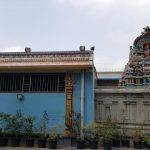
The Vengeeswarar Temple, also known locally as Vadapalani Sivan Koil, is one of the oldest surviving Hindu temples in Chennai. It is situated on Saidapet Road, diagonally opposite the famous Vadapalani Murugan Temple, yet it retains a distinct, ancient aura often overshadowed by the bustling activity of its neighbor.
The Deity: The presiding deity is Vengeeswarar (a form of Lord Shiva). The name has an intriguing etymology rooted in local legend, translating to “Tiger-Faced” (Vengai = Tiger). The consort is Shanthanayaki (Parvati).
Phalaśruti (Spiritual Benefits): Why do devotees flock to this ancient shrine?
- Ancestral Karmic Cleansing: It is believed that prayers offered here help alleviate ancestral curses (Pithru Dosha).
- Removal of Confusion: As the temple is associated with Sage Patanjali (the codifier of Yoga Sutras), it is a powerful center for gaining mental clarity and focus.
- Pradosham Benefits: Participating in the Pradosham ritual here is said to grant liberation from sins accumulated over lifetimes.
2. Historical Origins & Scriptural Legend
The Patanjali Connection
According to temple records and local oral traditions (Sthala Purana), this temple was not built by kings, but by divine sages. It is said that the legendary sage Patanjali (the author of the Yoga Sutras) and Sage Vyagrapada (who possessed the agility of a tiger) constructed this temple for their daily worship.
The etymology of the name “Vengeeswarar” is deeply tied to Sage Vyagrapada. The local legend suggests that “Vengai” is a linguistic evolution derived from “Vyagrapada” (Vyagra meaning Tiger). Thus, the Lord here is the deity revered by the tiger-footed sage.
Architectural Age
While the spiritual roots trace back to the Vedic age, the physical structure of the temple is over 1,000 years old. The temple is situated in the area historically known as Puliyur Kottam of Thondai Nadu, a region that flourished under the Pallava and Chola dynasties. Unlike many modern temples in Chennai, this structure has survived centuries of urbanization, standing firm in the heart of Vadapalani.
3. Architectural Marvels
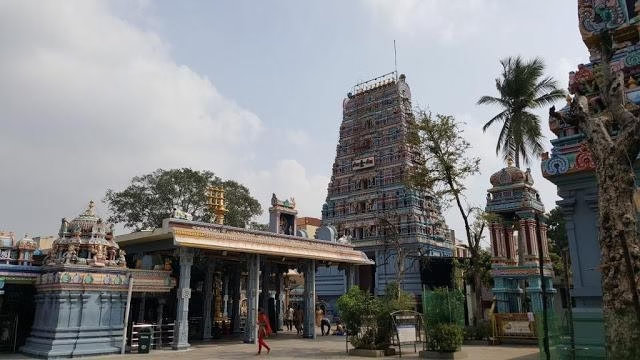
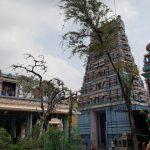
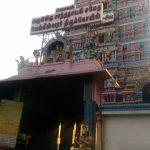
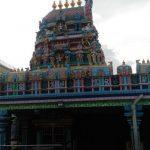
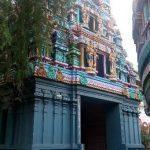
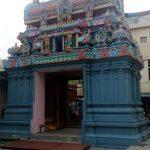
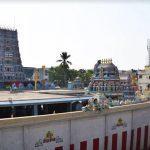
The Vengeeswarar Temple is a classic example of the Dravidian style of architecture, characterized by its towering gateways (Gopurams) and intricate sculptural work.
Key Features:
- The Sanctum (Garbhagriha): The inner shrine houses the self-manifested (Swayambhu) lingam of Vengeeswarar. The sanctum is designed to minimize external noise, allowing the devotee to focus entirely on the divine presence.
- Shikhara (Vimana): The tower above the sanctum displays the tiered architecture typical of Tamil Nadu temples, adorned with stucco figures and carvings depicting mythological scenes.
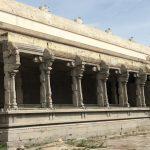
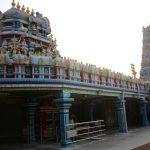
- Mandapas: The temple features pillared halls (Mandapas) that are used for rituals and festivals. These pillars often feature carved figures of deities and mythical creatures.
- Shrines within the Complex: Besides the main deity, the temple complex includes shrines for Lord Ganesha, Lord Murugan, and Navagrahas, following the standard Vastu Shastra layout for Shiva temples.
4. Darshan & Ritual Logistics
The temple follows traditional Agamic rituals. Below are the standard operating hours. (Note: Timings are subject to change during festivals. Please contact the temple office for confirmation.)
| Day | Morning Timings | Evening Timings |
|---|---|---|
| Monday – Friday | 6:00 AM – 12:00 PM | 4:00 PM – 8:00 PM |
| Saturday & Sunday | 5:30 AM – 1:00 PM | 4:00 PM – 9:00 PM |
Key Sevas and Rituals
1. Pradosham: The most significant ritual here. It occurs on the 13th moon day (Trayodashi) in the evening. Devotees believe that observing Pradosham here washes away negative karma.
2. Abhishekam: Ritual bathing of the Shiva Lingam with milk, honey, sandalwood paste, and holy water.
3. Archana: Recitation of the names of the Lord.
Online Seva Booking
While this historic temple operates on traditional lines, many Chennai temple trusts are moving towards digital facilitation. For the most current method to book Sevas (like Rudra Abhishekam or Annadhanam), devotees are advised to visit the official Tamil Nadu Hindu Religious and Charitable Endowments (HR&CE) website or call the temple office directly.
Festivals in 2026
Plan your visit around these major events for a heightened spiritual experience:
- Maha Shivaratri: February 26, 2026 (Special night-long vigils and Abhishekams).
- Pradhosha Dates: Occurring twice monthly. Key dates in 2026 include January 11, January 26, February 9, and February 25.
- Kartikai Deepam: November 4, 2026 (Lighting of lamps across the temple).
- Navaratri: September 22 – October 1, 2026 (Celebrated with special decorations for Goddess Shanthanayaki).
5. Practical Visitor Guidance
As a central city temple, visiting Vengeeswarar Temple is relatively convenient, but preparation enhances the experience.
- Dress Code: Traditional attire is mandatory. Men should wear dhotis or trousers with shirts; women should wear sarees, salwar kameez, or long skirts. Avoid shorts and sleeveless tops.
- Photography & Mobiles: Photography is generally restricted inside the sanctum. Silence is requested in the inner corridors. Some temples offer mobile lockers at the entrance; however, carrying minimal luggage is recommended.
- Crowd Management:
- Best Hours: Weekday mornings between 6:00 AM and 8:00 AM are peaceful.
- Weekends: Evenings can be crowded; plan for at least 30-45 minutes of waiting time.
- Seasonal Advice: Chennai summers (April–June) are humid. If visiting during the day, carry a water bottle and a hand towel. The temple premises offer shade, but the queue lines may be exposed.
- Accessibility: The temple has ground-level access to the main Mandapam, but the inner sanctum involves a few steps. Wheelchair access to the outer areas is feasible but limited inside the main shrine.
6. Pilgrimage Connectivity
Located in the heart of the city, the temple is highly accessible.
How to Reach
- Metro Rail: The nearest station is Vadapalani Metro Station (Blue Line), located just 250 meters away.
- Bus: The Vadapalani Bus Depot is 700 meters away. Almost all city buses passing through Vadapalani stop here.
- Rail:
- Nungambakkam Railway Station: 4 km
- Chennai Central: 11 km
- Egmore: 9 km
- Airport: Chennai International Airport (MAA) is approximately 11 km away (20-30 mins drive depending on traffic).
Nearby Sacred Sites (Pilgrimage Circuit)
Extend your spiritual journey by visiting these nearby temples:
- Vadapalani Murugan Temple: Just opposite the street. A powerful shrine dedicated to Lord Murugan, famous for fulfilling prayers regarding education and career.
- Kundrathur Murugan Temple: Located about 5 km away. This hilltop temple offers a panoramic view of Chennai and is one of the six abodes (Arupadaiveedu) of Lord Murugan in the region.
- Mylapore Kapaleeshwarar Temple: About 7 km away. One of Chennai’s most famous Shiva temples, featuring a grand Dravidian Gopuram and the famous Pushkarini (temple tank).
7. Frequently Asked Questions (FAQ)
Is there a VIP darshan entry available?
Generally, the Vengeeswarar Temple in Vadapalani follows a general darshan system open to all devotees. However, during special festivals like Pradhosha or Maha Shivaratri, the temple administration may issue special entry tickets to manage crowds. It is best to inquire at the ticket counter upon arrival.
What is the history behind the name ‘Vengeeswarar’?
The name is derived from the legend of Sage Vyagrapada (meaning “Tiger-footed”). Local dialect over centuries transformed “Vyagrapada” into “Vengai,” and the Lord worshipped by him became Vengeeswarar. It symbolizes the union of nature (tiger) and spiritual discipline (sage).
Are there accommodation facilities nearby?
Being in a commercial and residential hub of Chennai, Vadapalani offers numerous options. While the temple does not have a guest house, there are many budget lodges and luxury hotels within a 1-km radius (e.g., along Arcot Road and GST Road).
Is the temple open on Sundays?
Yes, the temple remains open on Sundays. In fact, Sundays often see a higher footfall due to devotees from outside the city. The opening hours are extended on Sundays (typically 5:30 AM to 9:00 PM).
What is the significance of the temple tank?
Many ancient temples in Tamil Nadu have a temple tank (teppakulam) for ritual purification. While urbanization has altered many of these, the Vengeeswarar temple retains its spiritual connection to the waters of Thondai Nadu. Devotees often perform preliminary purification rituals before entering the main sanctum.



Contact Details
Vengeeswarar Temple
Vadapalani, Chennai
Phone: +91 44 2483 8362
Recent Posts

ओ सांवरे तूने ही मुझको संभाला – Lyrics & Meaning
ओ सांवरे तूने ही मुझको संभाला – A Prayer to Shyam Origin & Spiritual Essence Why This Bhajan Resonates Devotees chant this when overwhelmed by life’s storms—the refrain ‘तूने ही मुझको संभाला’ is the soul’s sigh of relief: “You…

कथा ये है महाराज मेरे की – Lyrics & Meaning
कथा ये है महाराज मेरे की छत्रपति संभाजी महाराज – A Prayer to Chhatrapati Sambhaji Maharaj Origin & Spiritual Essence Why This Bhajan Resonates Devotees chant this when their spirit feels tested—its powerful refrain “महाराज मेरे” is a soul’s…

Rigveda Samhita Yathartha Anuvada (ऋग्वेद संहिता यथार्थ अनुवाद) – Complete Set with Anvayartha & Hindi/English Translation
The Rigveda is the oldest surviving scripture of humanity and the foundational text of Sanātana Dharma. For serious students, scholars, UPSC aspirants studying ancient Indian history, Sanskrit learners, and spiritual seekers, a precise and grammatically structured translation is indispensable.…

आना भी अकेला है जाना भी अकेला है – Lyrics & Meaning | BharatTemples
आना भी अकेला है जाना भी अकेला है – A Prayer to the Divine Witness Origin & Spiritual Essence Why This Bhajan Resonates Devotees turn to this bhajan in moments of deep reflection—when life’s attachments begin to ache. The…

माता शेरावाली के द्वार जो भी जाता है – Lyrics & Meaning
माता शेरावाली के द्वार जो भी जाता है – A Prayer to Maa Sherawali Origin & Spiritual Essence Why This Bhajan Resonates Devotees turn to this bhajan in times of fear or uncertainty—its promise that no one leaves Maa’s…

मार लेना सपणी उबार लेणा भवरा – Lyrics & Meaning
मार लेना सपणी उबार लेणा भवरा – A Prayer to the Divine Beloved Origin & Spiritual Essence Why This Bhajan Resonates Devotees chant this in moments of deep vulnerability—its cry of “मार लेना सपणी, उबार लेणा भवरा” is the…

हमें श्याम सुंदर भरोसा तुम्हारा – Lyrics & Meaning
हमें श्याम सुंदर भरोसा तुम्हारा – A Prayer to Shyam Sundar Origin & Spiritual Essence Why This Bhajan Resonates Devotees chant this when feeling alone—its refrain ‘de do sahara’ is the soul’s cry for divine support. Lyrics in Hindi…

Mere Satguru Ne Di Thi Davai Lyrics in Hindi & Meaning
Mere Satguru Ne Di Thi Davai: Invoking the Guru’s Liberating Wisdom This soul-stirring bhajan venerates the Satguru (True Spiritual Master) as the divine physician who dispenses the only remedy for life’s deepest sufferings. Composed by Sant Karmaveer Tufani, it…

Janm Diyo Thari Maa Dukh Dekhiyo Lyrics in Hindi & Meaning
जन्म दियो थारी माँ दुख देखियो (Maa’s Grief Upon Birthing You) This soul-stirring Chetavani Bhajan (admonitory hymn) is addressed to the Divine Mother (Maa) – a call for repentance when children forget their filial duties in the dark age…
Bhadi Sabha Mein Thane Manaun Lyrics in Hindi & Meaning
Bhadi Sabha Mein Thane Manaun: Invoking the Spear-Wielding Mother Mata Bhawani (श्री ज्वाला भवानी), the fiery manifestation of Shakti worshipped as the Protector of Dharma in Her Dhaulagarh sanctum. Origin & Spiritual Essence Composed in Rajasthani folk tradition by…