

Contents
- 1 Venugopalaswamy Temple, Kadukkapattu, Mathuranthagam, Kanchipuram
- 1.1 1. Introduction & Spiritual Essence
- 1.2 2. Historical Origins & Scriptural Legend
- 1.3 3. Architectural Marvels
- 1.4 4. Darshan & Ritual Logistics (2026 Guide)
- 1.5 5. Practical Visitor Guidance
- 1.6 6. Pilgrimage Connectivity
- 1.7 7. Frequently Asked Questions (FAQ)
- 1.8 Photo Gallery
- 1.9 How to Reach:
- 1.10 Contact Details
Venugopalaswamy Temple, Kadukkapattu, Mathuranthagam, Kanchipuram
| Date built: | – |
|---|---|
| Deity: | Venugopalaswamy |
| Architectural style: | Dravidian architecture |
| Major festivals | – |
| Locale: | Kadukkapattu, Mathuranthagam |
| District:: | Kanchipuram |
| Address: | – |
| Phone | +91 – 9787595454 / 9047676909 / 9843817382 |
1. Introduction & Spiritual Essence
The Venugopalaswamy Temple in Kadukkapattu is a serene spiritual sanctuary dedicated to Lord Vishnu, worshipped here in his divine form as Venugopalaswamy—the celestial flute player (Lord Krishna). This ancient temple serves as a vital link to the Bhagavata tradition, focusing on the enchanting and compassionate aspects of Lord Krishna.
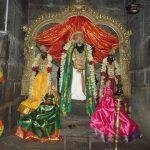
The presiding deity is enshrined alongside his consorts, Sri Bhama and Sri Rukmini, representing his two principal wives. The temple complex also houses sanctums for Lord Ganesha, Sri Andal, Sri Ramanujar, and Alwars, making it a comprehensive pilgrimage site for followers of the Vaishnava tradition.
Phalaśruti: The Spiritual Benefits
Devotees visit the Venugopalaswamy Temple seeking liberation from the cycle of karma and blessings for harmony in family life. As the presiding deity is Lord Krishna, known for his role in the Mahabharata, worshipping here is believed to:
- Resolve Ancestral Karma: Rituals performed here are said to bring peace to departed souls.
- Fulfill Desires: Sri Venugopalaswamy is revered as a wish-fulfilling deity for devotees facing obstacles in marriage and career.
- Protective Grace: The presence of Sri Ramanujar offers guidance for spiritual discipline and self-realization.
2. Historical Origins & Scriptural Legend
While specific inscriptions regarding the construction era are currently under study, the temple follows the traditional Dravidian style of architecture commonly seen in the Kanchipuram region. The village of Kadukkapattu, located roughly 25 km from Mathuranthagam, has a rich agrarian history deeply intertwined with temple worship.
Local Legend (Sthala Purana)
According to temple records and oral tradition, the location of Kadukkapattu is associated with the pastoral life of Lord Krishna. The name “Venugopalaswamy” translates to “The Cowherd King with the Flute.” Legend holds that this region was once a lush grazing ground where Krishna tended to the cows. The idol here is believed to be Swayambhu (self-manifested), capturing the moment Krishna called his beloved cows with his flute. The alignment of the Gopurams (gateway towers) is said to point towards the sacred spot where the divine flute melody was first heard by the local gopikas.
3. Architectural Marvels
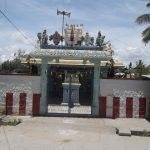
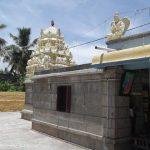
The temple stands as a testament to the Dravidian architectural style, characterized by its stepped pyramid towers (Vimana) and spacious courtyards.
Key Architectural Highlights
- The Sanctum (Garbhagriha): The central shrine houses Venugopalaswamy in a standing posture, holding the flute. The inner walls feature intricate carvings of Apsaras (celestial dancers) and Dwarapalas (guardian deities).
- Regional Variations: Unlike the towering Shikharas of Nagara style (North India), this temple utilizes the Vimana style typical of South Indian temples, maximizing horizontal space.
- Prakara (Walls): The circumambulatory path around the sanctum is lined with shrines for the Alwars and Ramanujar, showcasing the deep integration of Alwar saints’ philosophy in temple layouts.
Although not a UNESCO World Heritage site, the temple is a protected monument under local heritage conservation efforts in Tamil Nadu, preserving the vibrancy of centuries-old stone sculptures.
4. Darshan & Ritual Logistics (2026 Guide)
The temple follows standard Agamic rituals with two daily openings. Please note that timings may vary slightly during festival seasons.
Daily Timings Table
| Session | Timing |
|---|---|
| Morning Darshan | 07:00 AM – 11:30 AM |
| Afternoon Recess | 11:30 AM – 04:00 PM |
| Evening Darshan | 04:00 PM – 08:00 PM |
| Pooja / Abhishekam | Morning & Evening slots (Consult Priest) |
Key Sevas (Rituals)
- Abhishekam: Performed with milk, honey, and sandalwood paste. Best days: Thursdays and Fridays.
- Archana: Recitation of Vishnu Sahasranamam or specific Ashtotharams for family well-being.
- Kalyana Utsavam: Marriage ritual performed for the deity; highly recommended for those seeking matrimony.
Online Seva Booking
Currently, this regional temple relies on direct booking through the temple trustees or the HR&CE (Hindu Religious and Charitable Endowments) Department of Tamil Nadu. Devotees can register for special sevas via the official Tamil Nadu HR&CE portal or contact the numbers listed in the contact section below.
2026 Festival Calendar (Tentative)
Assuming the current year is 2026 for this guide:
- Vaikunda Ekadashi: December/January (High Devotee turnout)
- Purattasi Sani (Saturday): September – October (Dedicated to Lord Venkateswara/Srinivasa)
- Sri Rama Navami: April 14, 2026 (Celebrating Krishna’s Avatar)
- Sri Krishna Jayanthi: September 4, 2026 (Grand celebration of Venugopalaswamy)
5. Practical Visitor Guidance
To ensure a serene experience at Venugopalaswamy Temple, Kadukkapattu, please adhere to the following guidelines.
Dress Code & Etiquette
- Attire: Traditional wear is encouraged (Dhoti for men, Saree/Chudithar for women). Modest clothing is mandatory; avoid shorts and sleeveless tops.
- Photography: Photography is generally permitted in the outer corridors but is strictly prohibited inside the Sanctum Sanctorum (Garbhagriha).
- Mobile Phones: Silence phones during Darshan. There are no dedicated electronic lockers, so it is advisable to travel light.
Crowd Management & Accessibility
- Best Hours to Visit: Weekday mornings (7:00 AM – 8:30 AM) offer the least crowds. Weekends and Festival days are exceptionally crowded.
- Accessibility: The temple has ramps for wheelchairs in the main courtyard, though the inner sanctum may have steps. Elders can be assisted by temple volunteers.
- Seasonal Advice:
- May (Summer): Temperatures can exceed 40°C. Carry water and a hat.
- Nov-Feb (Winter): Ideal weather for Darshan.
6. Pilgrimage Connectivity
How to Reach
Kadukkapattu is a village located in the Kanchipuram district, accessible via Mathuranthagam.
- By Road: The temple is approximately 25 km from Mathuranthagam. Buses are available from Mathuranthagam to Kodur (Routes: 100, 100C, 85, T5). Private vehicles can park near the temple entrance.
- By Rail: The nearest railway junction is Chengalpattu (approx. 40 km) or Kanchipuram (approx. 35 km).
- By Air: The nearest major airport is Chennai International Airport (approx. 70 km via NH 48).
Nearby Sacred Sites (Pilgrimage Circuit)
- Varadharaja Perumal Temple (Kanchipuram): One of the 108 Divya Desams, located about 35 km away.
- Ekambareswarar Temple (Kanchipuram): A massive Shiva temple dedicated to the element of Earth, located 35 km away.
- Ulagalantha Perumal Temple: Another ancient Vishnu temple in Kanchipuram featuring the Trivikrama avatar.
7. Frequently Asked Questions (FAQ)
1. Is there a VIP Darshan entry available?
Currently, the Venugopalaswamy Temple in Kadukkapattu does not have a formal VIP ticket system. Darshan is available on a first-come, first-served basis. However, special entry is granted for those booking specific Sevas (like Abhishekam) during the ritual time.
2. What is the primary language spoken by the priests?
The temple priests primarily converse in Tamil. However, they are accustomed to devotees and can understand basic Telugu and English instructions. Sanskrit shlokas are used for all rituals.
3. Are there accommodation facilities in Kadukkapattu?
As Kadukkapattu is a small village, lodges are limited. It is recommended to stay in Mathuranthagam (25 km) or the larger town of Kanchipuram (35 km), where numerous hotels and guest houses (dharma salais) are available.
4. Is the temple open during eclipse (Grahan) periods?
Like most ancient Dravidian temples, the sanctum remains closed during the duration of a solar or lunar eclipse. The temple reopens after performing purification rituals (Suddhi) post-eclipse.
5. Can I offer food (Prasadam) to the deity?
Yes, devotees can bring fruits, milk, and sweets (Tamil: Pongal or Prasadam). These items must be handed to the temple priest or the archaka in charge, who will offer them to the deity before distribution (Thirtham).
Photo Gallery
How to Reach:
Contact Details
For the most up-to-date information regarding rituals or closures, please contact the temple trustees directly.
- Phone: +91 – 9787595454 / 9047676909 / 9843817382
- Address: Venugopalaswamy Temple, Kadukkapattu Village, Mathuranthagam Taluk, Kanchipuram District, Tamil Nadu – 603311 (Approx.)
Recent Posts

ओ सांवरे तूने ही मुझको संभाला – Lyrics & Meaning
ओ सांवरे तूने ही मुझको संभाला – A Prayer to Shyam Origin & Spiritual Essence Why This Bhajan Resonates Devotees chant this when overwhelmed by life’s storms—the refrain ‘तूने ही मुझको संभाला’ is the soul’s sigh of relief: “You…

कथा ये है महाराज मेरे की – Lyrics & Meaning
कथा ये है महाराज मेरे की छत्रपति संभाजी महाराज – A Prayer to Chhatrapati Sambhaji Maharaj Origin & Spiritual Essence Why This Bhajan Resonates Devotees chant this when their spirit feels tested—its powerful refrain “महाराज मेरे” is a soul’s…

Rigveda Samhita Yathartha Anuvada (ऋग्वेद संहिता यथार्थ अनुवाद) – Complete Set with Anvayartha & Hindi/English Translation
The Rigveda is the oldest surviving scripture of humanity and the foundational text of Sanātana Dharma. For serious students, scholars, UPSC aspirants studying ancient Indian history, Sanskrit learners, and spiritual seekers, a precise and grammatically structured translation is indispensable.…

आना भी अकेला है जाना भी अकेला है – Lyrics & Meaning | BharatTemples
आना भी अकेला है जाना भी अकेला है – A Prayer to the Divine Witness Origin & Spiritual Essence Why This Bhajan Resonates Devotees turn to this bhajan in moments of deep reflection—when life’s attachments begin to ache. The…

माता शेरावाली के द्वार जो भी जाता है – Lyrics & Meaning
माता शेरावाली के द्वार जो भी जाता है – A Prayer to Maa Sherawali Origin & Spiritual Essence Why This Bhajan Resonates Devotees turn to this bhajan in times of fear or uncertainty—its promise that no one leaves Maa’s…

मार लेना सपणी उबार लेणा भवरा – Lyrics & Meaning
मार लेना सपणी उबार लेणा भवरा – A Prayer to the Divine Beloved Origin & Spiritual Essence Why This Bhajan Resonates Devotees chant this in moments of deep vulnerability—its cry of “मार लेना सपणी, उबार लेणा भवरा” is the…

हमें श्याम सुंदर भरोसा तुम्हारा – Lyrics & Meaning
हमें श्याम सुंदर भरोसा तुम्हारा – A Prayer to Shyam Sundar Origin & Spiritual Essence Why This Bhajan Resonates Devotees chant this when feeling alone—its refrain ‘de do sahara’ is the soul’s cry for divine support. Lyrics in Hindi…

Mere Satguru Ne Di Thi Davai Lyrics in Hindi & Meaning
Mere Satguru Ne Di Thi Davai: Invoking the Guru’s Liberating Wisdom This soul-stirring bhajan venerates the Satguru (True Spiritual Master) as the divine physician who dispenses the only remedy for life’s deepest sufferings. Composed by Sant Karmaveer Tufani, it…

Janm Diyo Thari Maa Dukh Dekhiyo Lyrics in Hindi & Meaning
जन्म दियो थारी माँ दुख देखियो (Maa’s Grief Upon Birthing You) This soul-stirring Chetavani Bhajan (admonitory hymn) is addressed to the Divine Mother (Maa) – a call for repentance when children forget their filial duties in the dark age…

Bhadi Sabha Mein Thane Manaun Lyrics in Hindi & Meaning
Bhadi Sabha Mein Thane Manaun: Invoking the Spear-Wielding Mother Mata Bhawani (श्री ज्वाला भवानी), the fiery manifestation of Shakti worshipped as the Protector of Dharma in Her Dhaulagarh sanctum. Origin & Spiritual Essence Composed in Rajasthani folk tradition by…