
Contents
Introduction & Spiritual Essence
Amidst the sacred lanes of Varanasi (Kashi), where the divine resonates in every stone, stands a unique manifestation of Lord Ganesha known as Vikata Dwija Vinayak. In the pantheon of Hindu deities, Lord Ganesha is the remover of obstacles (Vighnaharta), but this specific form carries profound esoteric significance.
The name “Vikata” implies the one with a formidable or large body, while “Dwija” translates to the twice-born (Brahmins) or, in some Tantric interpretations, one who has achieved a second birth through spiritual realization. This temple is not merely a place of worship; it is a Siddha Peetha, a powerhouse of spiritual energy where sincere devotees can cleanse ancestral karma and attain mental clarity.
Phalaśruti (The Divine Benefit):
According to ancient śruti (heard tradition), circumambulating (Parikrama) the Vikata Dwija Vinayak idol three times grants the devotee the highest position in life. It is particularly revered by scholars, students, and those seeking wisdom (Jnana), as this form of Ganesha is believed to bestow the power of discernment and eloquence.
Historical Origins & Scriptural Legend
The Tantric Lineage of Varanasi
While Varanasi is dotted with thousands of Ganesha temples, the Vikata Dwija Vinayak Temple holds a distinct place due to its Tantric association. Temple records and local oral traditions (Sthala Purana) suggest that the current idol is centuries old, rooted in the Shaktism and Ganapatya sects that flourished in Kashi during the medieval period.
Tradition holds that the idol was established by Siddha Yogis who practiced intense austerities in the Dhoop Chandi locality. Unlike many temples built by royal patronage, this shrine evolved from the spiritual practices of ascetics, making its history deeply mystical rather than purely political.
The Legend of the “Twice-Born”
The central mythos surrounding Vikata Dwija Vinayak revolves around the concept of Dvija. Devotees believe that a visit to this shrine initiates a spiritual rebirth, washing away the sins accumulated through past lifetimes. It is said that even the celestial sage Narada worshipped this form of Ganesha to gain the wisdom to traverse the three worlds, a story recounted in local Kashi legends passed down through generations of Pandits.
Architectural Marvels
The architecture of the Vikata Dwija Vinayak Temple is a humble yet profound example of the Kashi architectural style, characterized by narrow lanes and intimate spiritual spaces. The temple structure is integrated within the complex of the Dhoomavati Devi Temple, creating a unique confluence of Ganesha and Shakti worship.
Key Architectural Highlights:
- The Sanctum (Garbhagriha): The inner sanctum is designed to facilitate Darshan in close proximity, allowing the devotee to immerse in the divine presence of the deity.
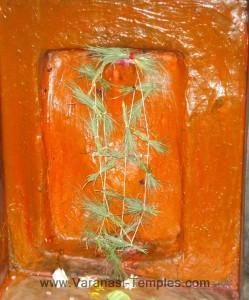
- The Idol: The idol of Vikata Dwija Vinayak is distinct. It is depicted in a seated posture, often flanked by other deities, including Hanuman, which is a rare arrangement signifying the combined blessings of strength and wisdom.
- Integration: The temple shares its courtyard with the Dhoomavati Devi shrine, reflecting the interconnectedness of Hindu deities. The stone walls bear the marks of centuries of Abhishekam (ritual bathing), giving them a smooth, polished texture.
Darshan & Ritual Logistics
Daily Timings
The temple follows a traditional schedule aligned with the circadian rhythms of Kashi—waking at sunrise and resting after the evening Aarti.
| Session | Timings | Rituals |
|---|---|---|
| Morning Darshan | 06:00 AM – 01:30 PM | Morning Aarti, Abhishekam |
| Evening Darshan | 05:00 PM – 11:00 PM | Evening Aarti, Shringar |
Key Sevas and Booking
The temple facilitates various Vedic rituals. The head priest, Shri Munna Lal Goswami, oversees the spiritual activities.
- Special Pooja: For specific life goals (career, marriage, health). To book, contact the priest directly at (0)9616884959.
- Modak Offering: A favorite of Lord Ganesha, offered especially on Wednesdays.
- Online Seva: Currently, this specific heritage shrine operates on a traditional, personalized booking system rather than a centralized online portal. Devotees are requested to call ahead or visit the priest to schedule special Pujas.
2026 Major Festivals in Varanasi
While specific dates for the Vikata Dwija Vinayak temple are local, these Varanasi-wide festivals are ideal times to visit for collective spiritual energy:
- Ganesh Chaturthi: September 6, 2026 (Highly auspicious for special Abhishekam).
- Mahashivratri: February 26, 2026 (Varanasi is the city of Shiva; temples are illuminated).
- Dev Deepawali: November 5, 2026 (Festival of Lights on the Ghats).
Practical Visitor Guidance
Visiting this temple requires navigating the spiritual density of Varanasi’s ancient city.
Dress Code and Etiquette
As with all Hindu temples, modesty is essential. Men should wear dhoti/kurta or full-length trousers and shirts. Women should wear sarees, salwar kameez, or skirts covering the ankles. Western attire like shorts and vests is discouraged to maintain the sanctity of the space.
Crowd Management & Best Time to Visit
The temple is located in the bustling Dhoop Chandi area.
- Best Hours: Early morning (6:00 AM – 8:00 AM) or late evening (after 8:00 PM) for a peaceful Darshan.
- Seasonal Advice: Varanasi summers (April–June) are scorching. Carry water and a handkerchief. The winter months (October–March) offer the best weather.
- Footwear: There are designated footwear stalls near the lane entrance. Keep your ticket safe.
Photography and Mobiles
Inside the sanctum (Garbhagriha), photography is strictly prohibited. It is advisable to switch off mobile phones or keep them on silent mode to respect the sanctity of the Mantra chanting.
Pilgrimage Connectivity
How to Reach
The temple is situated deep in the old city, which is best accessed by auto-rickshaw or on foot.
- Nearest Railway Station: Varanasi Junction (BSB) – approx. 4 km (15-20 mins by auto).
- Nearest Airport: Lal Bahadur Shastri International Airport (VNS) – approx. 25 km.
- Location: Dhoop Chandi, near Dhoomavati Devi Temple, Old Varanasi. Accessible via the narrow lanes branching off from Kabir Chaura or Godaulia crossings.
Nearby Sacred Sites
Extend your pilgrimage by visiting these spiritual landmarks within walking distance:
- Dhoomavati Devi Temple: Located right next door, dedicated to the goddess of smoke and twilight.
- Kashi Vishwanath Temple (Annex): A short walk away is the massive new Kashi Vishwanath Corridor, connecting the sanctum sanctorum.
- Sankat Mochan Hanuman Temple: Dedicated to Lord Hanuman (the remover of troubles), located a 15-minute rickshaw ride away near the BHU campus.
Frequently Asked Questions (FAQ)
1. Is there a VIP darshan entry at Vikata Dwija Vinayak Temple?
Unlike large commercial temples, this is a traditional shrine. There is no formal VIP entry, but visiting during non-peak hours (early morning) ensures a quick and intimate Darshan.
2. Can I perform a special ritual for career success?
Yes. This specific form of Ganesha is revered by students and professionals. You can request a Vidya Arambha (start of studies) or Ganesh Siddhi Pooja by contacting Shri Munna Lal Goswami at 9616884959 at least one day in advance.
3. Is the temple accessible for elderly devotees?
The temple is located in an old city lane. Auto-rickshaws can go only up to the main road. From there, it is a short walk through a market area. There is no wheelchair accessibility due to the ancient stone steps and narrow passages.
4. What is the significance of the Hanuman idol near Ganesha here?
The co-presence of Hanuman and Ganesha in the sanctum symbolizes the balance of Strength (Hanuman) and Wisdom (Ganesha). Worshipping both is believed to remove obstacles and provide the power to overcome them.
5. Are there hotels near the temple?
Yes, the Dhoop Chandi and Kabir Chaura areas are packed with budget hotels and heritage guest houses. For luxury accommodations, you may need to cross the Ganges to the Cantt area.
Recent Posts

ओ सांवरे तूने ही मुझको संभाला – Lyrics & Meaning
ओ सांवरे तूने ही मुझको संभाला – A Prayer to Shyam Origin & Spiritual Essence Why This Bhajan Resonates Devotees chant this when overwhelmed by life’s storms—the refrain ‘तूने ही मुझको संभाला’ is the soul’s sigh of relief: “You…

कथा ये है महाराज मेरे की – Lyrics & Meaning
कथा ये है महाराज मेरे की छत्रपति संभाजी महाराज – A Prayer to Chhatrapati Sambhaji Maharaj Origin & Spiritual Essence Why This Bhajan Resonates Devotees chant this when their spirit feels tested—its powerful refrain “महाराज मेरे” is a soul’s…

Rigveda Samhita Yathartha Anuvada (ऋग्वेद संहिता यथार्थ अनुवाद) – Complete Set with Anvayartha & Hindi/English Translation
The Rigveda is the oldest surviving scripture of humanity and the foundational text of Sanātana Dharma. For serious students, scholars, UPSC aspirants studying ancient Indian history, Sanskrit learners, and spiritual seekers, a precise and grammatically structured translation is indispensable.…

आना भी अकेला है जाना भी अकेला है – Lyrics & Meaning | BharatTemples
आना भी अकेला है जाना भी अकेला है – A Prayer to the Divine Witness Origin & Spiritual Essence Why This Bhajan Resonates Devotees turn to this bhajan in moments of deep reflection—when life’s attachments begin to ache. The…

माता शेरावाली के द्वार जो भी जाता है – Lyrics & Meaning
माता शेरावाली के द्वार जो भी जाता है – A Prayer to Maa Sherawali Origin & Spiritual Essence Why This Bhajan Resonates Devotees turn to this bhajan in times of fear or uncertainty—its promise that no one leaves Maa’s…

मार लेना सपणी उबार लेणा भवरा – Lyrics & Meaning
मार लेना सपणी उबार लेणा भवरा – A Prayer to the Divine Beloved Origin & Spiritual Essence Why This Bhajan Resonates Devotees chant this in moments of deep vulnerability—its cry of “मार लेना सपणी, उबार लेणा भवरा” is the…

हमें श्याम सुंदर भरोसा तुम्हारा – Lyrics & Meaning
हमें श्याम सुंदर भरोसा तुम्हारा – A Prayer to Shyam Sundar Origin & Spiritual Essence Why This Bhajan Resonates Devotees chant this when feeling alone—its refrain ‘de do sahara’ is the soul’s cry for divine support. Lyrics in Hindi…

Mere Satguru Ne Di Thi Davai Lyrics in Hindi & Meaning
Mere Satguru Ne Di Thi Davai: Invoking the Guru’s Liberating Wisdom This soul-stirring bhajan venerates the Satguru (True Spiritual Master) as the divine physician who dispenses the only remedy for life’s deepest sufferings. Composed by Sant Karmaveer Tufani, it…

Janm Diyo Thari Maa Dukh Dekhiyo Lyrics in Hindi & Meaning
जन्म दियो थारी माँ दुख देखियो (Maa’s Grief Upon Birthing You) This soul-stirring Chetavani Bhajan (admonitory hymn) is addressed to the Divine Mother (Maa) – a call for repentance when children forget their filial duties in the dark age…
Bhadi Sabha Mein Thane Manaun Lyrics in Hindi & Meaning
Bhadi Sabha Mein Thane Manaun: Invoking the Spear-Wielding Mother Mata Bhawani (श्री ज्वाला भवानी), the fiery manifestation of Shakti worshipped as the Protector of Dharma in Her Dhaulagarh sanctum. Origin & Spiritual Essence Composed in Rajasthani folk tradition by…